Can Dogs Eat Dill? Leaves, Seeds, and Stems Explained
By Dr. Zubair Khalid, DVM, MS, PhD ·
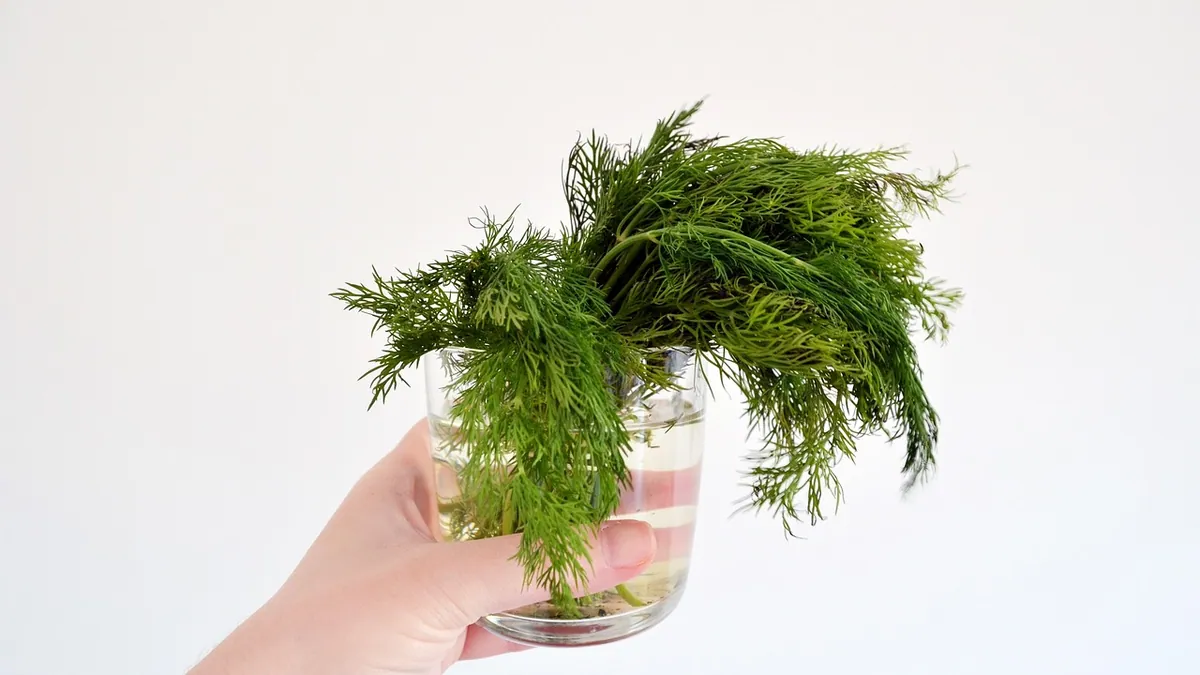
Can dogs eat dill? Yes, in small amounts. Fresh dill leaves and stems are considered non-toxic to dogs, so a pinch chopped into your dog's food is generally fine. The catch is that concentrated forms, like essential oils and big doses of seeds, are a different story and should be avoided.
This article is educational and is not a substitute for veterinary diagnosis or treatment.
Quick Answer
- Fresh dill leaves and stems are non-toxic to dogs, so a small taste is safe for most healthy dogs [1].
- Dill seeds are not toxic, but keep the amount tiny. A few seeds mixed into food is plenty, and large spoonfuls are not a good idea.
- Dill essential oil is not a safe home remedy for dogs. It is a skin and eye irritant and a skin and respiratory sensitizer [2].
- Never feed dill pickles, dill dip, or dill-seasoned snacks. The salt, garlic, onion, and other additives are the real problem, not the dill.
- If your dog eats a lot of dill or any dill oil, call your veterinarian or a pet poison hotline right away.
Is Dill Safe for Dogs?
Dill is generally safe for dogs when it is the fresh herb used as a small flavoring. The ASPCA lists dill (Anethum graveolens) as non-toxic to dogs, cats, and horses [1]. That listing is about the plant itself, not about concentrated extracts or oils made from it.
The ASPCA does note essential oils as the toxic principle for dill, with dermatitis reported after prolonged contact [1]. That means the leaf on your dog's dinner plate is not the same thing as a bottle of dill oil in your kitchen cabinet. Keep those two ideas separate.
Dogs are not built to eat herbs in large amounts. Dill is a garnish, not a meal. A small pinch now and then is fine. A whole bunch of dill, or a jar of seeds, is too much for a dog's digestive system even though the plant is not poisonous.
If you are already thinking about which plant foods are safe to share, our guide on what veggies can dogs eat covers the basics for common kitchen vegetables.
Can Dogs Eat Dill Leaves?
Yes, dogs can eat dill leaves. The feathery green leaves, sometimes called dill weed, are the safest part of the plant to share. They are non-toxic to dogs [1].
Dill weed is what you likely have in your spice drawer or growing on your windowsill. Fresh leaves have a mild flavor and a soft texture, which makes them easy to chop and mix into food. Dried dill weed works too, as long as it is plain dried herb with nothing added.
Keep the serving small. One or two pinches of chopped fresh leaves is enough for a medium dog. For a small dog, a single pinch is plenty. The goal is a hint of flavor, not a serving of vegetables.
Some dogs will sniff dill and walk away. That is normal. Do not push it. If your dog enjoys the taste, a little is fine. If your dog has a sensitive stomach, skip it or ask your veterinarian first.
Can Dogs Eat Dill Stems?
Yes, dogs can eat dill stems, with one practical caution. Stems are part of the same non-toxic plant [1], so they are not poisonous. The bigger concern is texture and choking risk.
Dill stems are thin and fibrous. A long, stringy stem can be hard for a small dog to chew and could cause gagging or choking if swallowed whole. Cut stems into very small pieces, about a quarter inch or less, or leave them out entirely.
If your dog has dental disease, missing teeth, or a history of gulping food, stick with the soft leaves. There is no nutritional reason your dog needs the stem. You are not withholding anything important by skipping it.
Wash any stem or leaf you plan to share. Garden dill can carry soil, pesticides, or bacteria. Rinse it under running water and pat it dry before it goes anywhere near your dog's bowl.
Can Dogs Eat Dill Seeds?
Dill seeds are not toxic to dogs, but the amount matters a lot. A few seeds sprinkled into food is very different from a dog eating a pile of seeds from a spilled jar.
Seeds are small, hard, and concentrated in flavor. Eating a large amount can cause stomach upset, and the sheer volume can be a problem for a small dog. There is no established safe serving size for dill seeds in dogs, so treat them as a rare, tiny addition or skip them.
Do not give your dog dill seed as a supplement unless your veterinarian specifically tells you to. Herbal supplements are not regulated the same way as medications, and the dose in a capsule or tincture can be far higher than what a dog would get from food.
A dill tincture product evaluated for animal feed was found safe at a maximum of 50 mg per kg of complete feed for most species, but that is a feed additive standard set for manufactured animal feed, not a home dosing instruction for your dog [3]. Your veterinarian calculates any dose from your dog's weight and health.
Nutritional Value and Real Benefits
Dill is not a nutritional powerhouse for dogs. It contains small amounts of vitamins and minerals, but the portion a dog would eat is too small to matter much. Your dog's complete and balanced diet should supply the nutrition they need.
The honest benefit of dill is flavor. Some dogs enjoy the taste, and a pinch of chopped herb can make a bland meal more interesting. That can help with picky eaters, though it will not fix a dog who refuses food because of illness.
Dill is sometimes included in dog treats and dental chews for freshness, but there is no strong evidence that dill cleans teeth or fixes bad breath. If your dog has bad breath, that is a reason to see a veterinarian, not a reason to feed more dill.
Think of dill as a seasoning, not a supplement. It adds interest to food. It does not replace a balanced diet, dental care, or veterinary treatment.
Risks and Warnings
Essential oils
Dill essential oil is the biggest concern. It is considered an irritant to skin and eyes and a dermal and respiratory sensitizer [2]. That means contact can cause irritation, and repeated exposure can lead to allergic skin or breathing reactions.
Never apply dill oil to your dog's skin, add it to food, or run it in a diffuser in a closed room with your dog. Dogs have a much stronger sense of smell than people, and concentrated oils can overwhelm them. If your dog licks oil off their coat or the floor, call your veterinarian.
Digestive upset
Any new food can cause vomiting, diarrhea, or gas. Dill is no exception, especially in larger amounts. Introduce it in a tiny amount and watch your dog for a day before offering more.
Choking and blockage
Long stems and large amounts of seeds can be a choking hazard or, in rare cases, cause a blockage. Small dogs and dogs who eat fast are at higher risk. Cut everything small and keep portions modest.
Additives in dill products
This is where most real-world problems happen. Dill pickles are loaded with salt. Dill dip contains onion, garlic, and sometimes xylitol. Dill-seasoned chips and crackers have salt, fat, and flavorings. Onion and garlic can damage a dog's red blood cells, and xylitol is dangerous even in small amounts.
Read labels before sharing anything. If the ingredient list includes onion, garlic, xylitol, or a long list of chemicals, keep it away from your dog.
Medication interactions
Some plant compounds can affect how a dog's liver processes drugs. A study using dog liver microsomes found that linalool and linalyl acetate, compounds found in certain plant oils, inhibited one canine liver enzyme involved in drug metabolism [4]. This is a reminder that concentrated plant extracts are not automatically harmless alongside medications. If your dog takes prescription drugs, ask your veterinarian before adding any herbal product.
How to Offer Dill Safely
| Form | Safe? | Notes |
|---|---|---|
| Fresh dill leaves | Yes, small amounts | Wash first, chop fine, one or two pinches |
| Fresh dill stems | Yes, cut small | Fibrous, choking risk if swallowed whole |
| Dried dill weed | Yes, small amounts | Plain dried herb only, no salt or blends |
| Dill seeds | Caution | Not toxic, but keep amount tiny, no established serving size |
| Dill essential oil | No | Skin and eye irritant, skin and respiratory sensitizer [2] |
| Dill pickles | No | High salt, plus garlic and onion in many recipes |
| Dill dip | No | Often contains onion, garlic, or xylitol |
| Dill tincture or supplement | Ask your vet | Concentrated, dose depends on your dog |
Start with a single small pinch of chopped fresh leaves mixed into your dog's regular food. Watch for vomiting, diarrhea, itching, or swelling over the next 24 hours. If nothing happens, you can offer that same small amount again on another day.
Do not make dill a daily habit in large amounts. A few times a week at most, and only if your dog tolerates it. If your dog has a chronic illness, is pregnant, or is on medication, check with your veterinarian first.
If you want to expand your dog's safe plant foods, our articles on can dogs eat strawberry leaves and stems and can dogs eat strawberries and strawberry leaves walk through similar questions for another common kitchen food.
What to Do If Your Dog Ate Too Much Dill
If your dog ate a large amount of fresh dill leaves or stems, most cases are mild. Watch for vomiting, diarrhea, drooling, or stomach discomfort. Offer water and keep meals simple for a few hours.
If your dog ate dill seeds in a large amount, or chewed open a bottle of dill essential oil, treat it as urgent. Call your veterinarian or a pet poison hotline right away. Do not wait for symptoms.
If your dog ate a dill pickle, dill dip, or a seasoned snack, the dill is not the main worry. The salt, onion, garlic, or xylitol is. Call your veterinarian or a poison hotline with the product name and the amount eaten.
Safer Alternatives
If your dog likes a little flavor on their food, several options are safer and more familiar than dill.
- Plain cooked carrots, cut small
- Plain green beans, no salt or butter
- A spoonful of plain canned pumpkin
- Small pieces of apple without seeds
- Plain cooked chicken or egg as a topper
These are foods most dogs tolerate well in small amounts. They also add texture and interest without concentrated oils or additives. For a broader list, see what veggies can dogs eat.
If your goal is fresh breath, talk to your veterinarian about dental chews and brushing. Herbs will not solve dental disease.
Limitations and When to Contact a Veterinarian
This article covers general information only. Your dog's age, weight, health conditions, and medications all change what is safe. Individual cases need a veterinarian who can examine your dog and ask the right questions.
Call your veterinarian the same day if your dog ate a large amount of dill seeds, vomited more than once, has diarrhea that lasts more than a day, or seems uncomfortable.
Go to an emergency clinic now if your dog ate dill essential oil, a dill product containing xylitol, onion, or garlic, or if you see collapse, tremors, difficulty breathing, swelling of the face or throat, or repeated vomiting with no letup.
For routine questions about adding herbs to your dog's diet, bring it up at your next wellness visit. Your veterinarian can review your dog's full health picture and give you a clear answer.
Frequently Asked Questions
Can dogs eat dill weed?
Yes, dogs can eat dill weed in small amounts. Dill weed is just the leafy part of the plant, and dill is listed as non-toxic to dogs [1]. Chop a pinch into your dog's food and watch for any stomach upset.
Is dill bad for dogs in any form?
Yes, some forms are risky. Dill essential oil is a skin and eye irritant and a skin and respiratory sensitizer, so it should not be used on or around your dog [2]. Pickles, dips, and seasoned snacks are also unsafe because of salt, onion, garlic, or xylitol.
Can dill help my dog's digestion?
There is no reliable evidence that dill treats digestive problems in dogs. If your dog has ongoing vomiting, diarrhea, or gas, that is a medical issue, not something to manage with an herb. See your veterinarian for a proper diagnosis.
How much dill can I give my dog?
There is no official serving size for dill in dogs. A small pinch of chopped fresh leaves is a reasonable starting point for most dogs. Keep it occasional, and ask your veterinarian if your dog has health problems or takes medication.
What if my dog eats dill pickles?
Call your veterinarian or a pet poison hotline. The dill itself is not the concern, but the salt, garlic, and onion in pickles can be harmful. Have the label and an estimate of how much your dog ate ready when you call.
Related Articles
- Can Dogs Eat Strawberry Leaves And Stems
- Can Dogs Eat Strawberry Stems And Leaves
- Can Dogs Eat Strawberries And Strawberry Leaves
- Can Dogs Eat Strawberries Leaf
- What Veggies Can Dogs Eat
- Can Dogs Eat Sunflower Seeds? Shell Hazards and Fat
- Can Dogs Eat Parsley? Leaves, Stems, and Daily Limits
- Can Dogs Eat Basil? Leaves, Pesto, and Safety
- Can Dogs Eat Mint Leaves? Benefits and Risks
References
- Toxic and Non-toxic Plants: Dill. ASPCA Animal Poison Control Center.
- Safety and efficacy of a feed additive consisting of an essential oil from the aerial parts of Anethum graveolens L. (dill herb oil) for use in dogs and cats (FEFANA asbl). EFSA journal. European Food Safety Authority, 2022.
- Safety and efficacy of a feed additive consisting of a tincture derived from the fruit of Anethum graveolens L. (dill tincture) for use in all animal species (FEFANA asbl). EFSA journal. European Food Safety Authority, 2023.
- Linalool, linalyl acetate, and lavender essential oil: evaluation of metabolism and drug interactions using canine liver microsomes and recombinant enzymes. Xenobiotica; the fate of foreign compounds in biological systems, 2026.