Can Dogs Eat Kale? Leaves, Stalks, and Daily Limits
By Dr. Zubair Khalid, DVM, MS, PhD ·
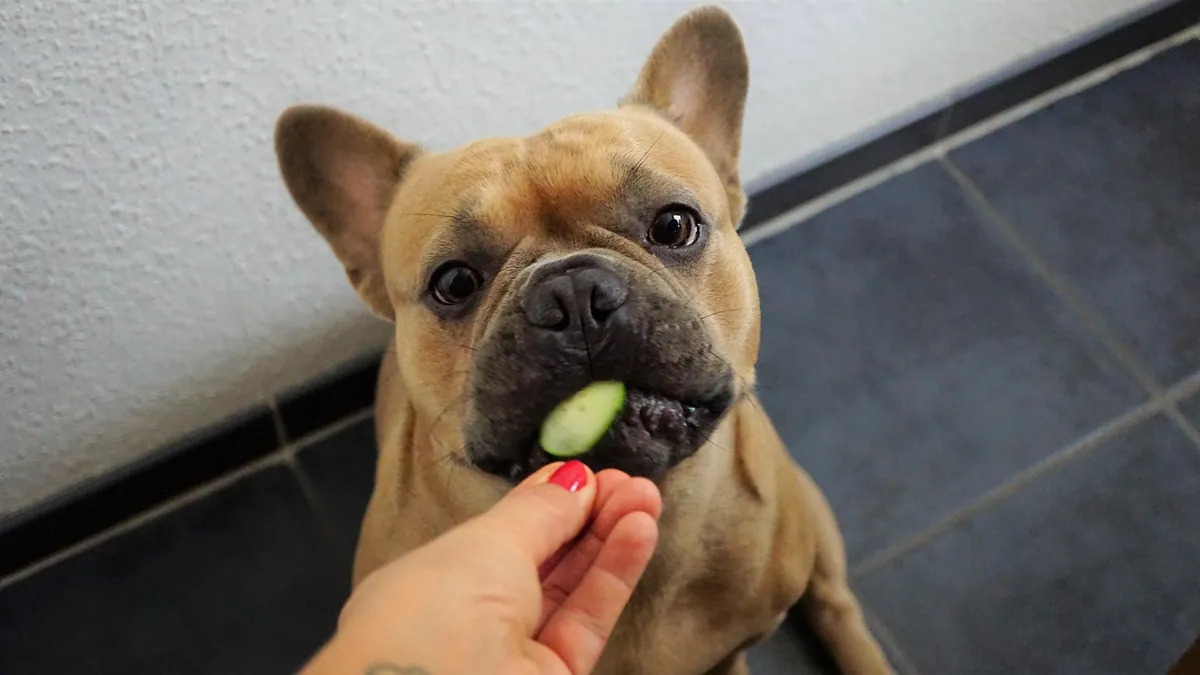
Can dogs eat kale? Yes, plain kale is safe for most dogs in small amounts. The leaves are the safest part, while thick stalks are a choking risk and should be removed. Kale should be a treat, not a daily staple, because large daily servings can interfere with thyroid function over time.
This article is educational and is not a substitute for veterinary diagnosis or treatment.
Quick Answer
- Plain, washed kale leaves are safe for most dogs in small amounts.
- A reasonable treat size is roughly 1 to 2 small leaves for a medium dog, chopped finely.
- Remove thick stalks. They are tough, hard to chew, and can cause choking.
- Skip kale chips, kale pesto, and any kale cooked with salt, garlic, onion, or xylitol.
- Do not feed kale every day in large amounts. Isothiocyanates in kale can affect the thyroid when intake is heavy and constant.
Is Kale Safe for Dogs?
Kale is not toxic to dogs. It does not appear on veterinary poison lists, and a few bites of plain leaf will not harm a healthy dog. That is the short answer, and it is the one most owners need.
The longer answer involves quantity and frequency. Kale belongs to the Brassica family, the same group as cabbage, broccoli, and Brussels sprouts. These plants contain compounds called isothiocyanates. In large, repeated doses, isothiocyanates can interfere with how the thyroid gland takes up iodine. That is why kale works as an occasional treat and not as a daily vegetable bowl.
Most dogs tolerate a small amount of kale without any problem. Dogs with existing thyroid disease, dogs on thyroid medication, and dogs fed a homemade diet need more caution. If your dog falls into one of those groups, ask your veterinarian before adding kale to the bowl.
If you are already feeding other vegetables, keep the total treat load in mind. A dog eating kale, broccoli, and cabbage on the same day is getting a bigger dose of those same compounds than a dog eating one small piece of kale. You can read more about safe vegetable treats in our guide to Can Dogs Eat Broccoli.
Can Dogs Eat Kale Greens?
Yes, kale greens are the part you want to feed. The leafy portion is soft enough to chew when chopped, and it carries the vitamins that make kale popular in human diets.
Kale leaves provide vitamin A, vitamin C, vitamin K, calcium, and fiber. Those nutrients are real, but they are not a reason to feed kale in bulk. Your dog's commercial diet is already formulated to meet nutritional needs. Treats should stay under about 10 percent of daily calories, which is standard veterinary guidance.
A few practical notes on the greens:
- Wash leaves well to remove dirt and pesticide residue.
- Chop or tear leaves into small pieces. Whole leaves can be swallowed in one gulp and may cause vomiting.
- Feed raw or steamed. Steaming softens the fiber and makes it easier to digest.
- Do not add oil, butter, salt, or seasoning.
Some dogs will eat raw kale happily. Others turn their nose up at it, and that is fine. Kale is optional. No dog needs it.
Can Dogs Eat Kale Stalks?
No, you should not feed the stalks. Kale stalks are fibrous, tough, and difficult for dogs to break down. A dog that gulps a stalk may choke, gag, or vomit it back up. In the worst case, a large piece can lodge in the throat or esophagus.
The stalk also holds more of the bitter compounds that give kale its bite. Dogs are more likely to reject stalks anyway, so there is little upside.
Cut the leafy parts away from the stalk and discard the stalk. If you are prepping kale for yourself, set aside a few chopped leaves for your dog before you dress the rest. That keeps the dog's portion plain and small.
If your dog has a habit of grabbing food off counters or out of the trash, keep raw kale bunches out of reach. The stalk is the piece most likely to cause a problem.
Can Dogs Eat Kale Chips?
No, kale chips are not a safe dog treat. The problem is not the kale. The problem is everything that comes with it.
Store-bought kale chips often contain salt, garlic powder, onion powder, or both. Garlic and onion damage red blood cells in dogs and can cause anemia. Salt in large amounts can lead to vomiting, diarrhea, tremors, and in severe cases, sodium poisoning. Some flavored chips also contain xylitol, a sweetener that is highly toxic to dogs and can cause dangerous drops in blood sugar and liver injury.
Homemade kale chips are not much better. They are usually baked with oil and salt, and the crispy texture makes them easy to overfeed. A dog could eat an entire tray without you noticing how much went in.
If your dog ate a kale chip or two with no garlic, onion, or xylitol, watch for stomach upset and call your veterinarian for advice. If the chips contained xylitol, garlic, or onion, treat it as an emergency and call your veterinarian or a pet poison control line right away.
Can Dogs Eat Kale Everyday?
No, kale should not be a daily food for most dogs. Occasional small servings are fine. Daily large servings are where the thyroid concern comes in.
The isothiocyanates in kale can reduce iodine uptake by the thyroid when intake is high and repeated. Over time, that can contribute to thyroid problems, especially in dogs already prone to them. This is a dose and duration issue, not a single-bite issue. One leaf today will not cause thyroid disease.
How often is reasonable? A small serving once or twice a week fits most healthy dogs. Keep the portion small enough that it stays a garnish, not a meal. If your dog has hypothyroidism, is on thyroid medication, or has any history of thyroid disease, talk to your veterinarian before feeding kale at all.
If you want a daily vegetable, ask your veterinarian which options suit your dog. Some vegetables are gentler for regular use than Brassicas. Our article on Can Dogs Eat Strawberries And Strawberry Leaves covers another fruit and leaf option that many dogs enjoy.
Can Dogs Eat Kale and Cabbage?
Yes, both are safe in small amounts, but do not stack them. Kale and cabbage are close relatives. They contain the same class of compounds that can affect the thyroid when fed heavily.
If you offer both on the same day, keep each portion tiny. A tablespoon of chopped cooked cabbage plus one small chopped kale leaf is plenty for a medium dog. For a small dog, use half that.
Cabbage can also cause gas. Some dogs get bloating and loose stool after cabbage, especially if it is raw. Cooked cabbage is easier on the gut. Kale tends to be better tolerated raw in small amounts, though steamed kale is gentler for sensitive stomachs.
Watch your dog after any new vegetable. Every dog digests plant matter a little differently. If you see gas, soft stool, or vomiting, pull the vegetable for a few days and try again later with a smaller amount, or skip it.
Nutrition and Real Benefits
Kale is nutrient dense for its size. It supplies vitamin A, vitamin C, vitamin K, calcium, and fiber. Vitamin K matters for blood clotting, and fiber can support regular digestion.
That said, your dog does not need kale to be healthy. A complete and balanced commercial diet already covers these nutrients. Kale is a low-calorie treat that adds variety and a little crunch. That is the honest benefit.
One caution on vitamin K. Dogs on blood-thinning medication such as warfarin need consistent vitamin K intake, because sudden changes can affect the drug's action. If your dog takes a blood thinner, do not add kale without asking your veterinarian first.
Risks to Know Before You Feed Kale
| Form | Safe? | Notes |
|---|---|---|
| Raw kale leaves, washed and chopped | Yes, small amounts | Best option. Remove stalks first. |
| Steamed kale leaves, plain | Yes, small amounts | Softer and easier to digest. |
| Kale stalks | No | Tough, fibrous, choking risk. |
| Kale chips, store-bought | No | Often contain salt, garlic, onion, or xylitol. |
| Kale cooked with garlic or onion | No | Garlic and onion damage red blood cells. |
| Kale in pesto or smoothies with added sugar | No | Added ingredients are the problem, not the kale. |
| Kale fed daily in large amounts | No | Isothiocyanates can affect the thyroid over time. |
The main risks in order of seriousness:
- Toxic additives. Xylitol, garlic, onion, and heavy salt are the real dangers in prepared kale products. These cause serious illness, not mild stomach upset.
- Thyroid effects. Long-term, high-volume feeding of Brassica vegetables can interfere with thyroid function.
- Choking. Stalks and large unchewed leaves are the usual culprits.
- GI upset. Gas, bloating, vomiting, and diarrhea can follow a large kale meal, especially in dogs with sensitive stomachs.
How to Offer Kale Safely
Follow these steps and kale stays a low-risk treat:
- Pick fresh leaves and rinse them well.
- Cut the leafy portion away from the stalk and throw the stalk away.
- Chop the leaves into small, bite-sized pieces.
- Serve raw or steamed with nothing added.
- Start with a tiny amount, about a teaspoon for a small dog or a tablespoon for a large dog.
- Wait 24 hours and watch for vomiting, diarrhea, or gas.
- If all is well, keep servings small and occasional.
Never leave a bowl of kale where your dog can graze freely. Portion control is the whole point.
What If Your Dog Ate Too Much Kale?
If your dog ate a large amount of plain kale, expect some gas or soft stool. Most cases settle on their own within a day. Offer water and keep meals simple. Call your veterinarian if vomiting or diarrhea lasts more than a day, if your dog seems painful, or if the belly looks bloated and hard.
If your dog ate kale chips or cooked kale with garlic, onion, xylitol, or a lot of salt, that is different. Call your veterinarian or a pet poison control line right away. Do not wait for symptoms. Signs of xylitol poisoning include weakness, wobbling, and collapse, and they can appear within 30 minutes. Garlic and onion effects may take a day or more to show, but early advice still matters.
Bring the packaging with you if you have it. The ingredient list tells your veterinarian exactly what to treat.
Safer Alternatives
If you want a green treat with less thyroid concern, try these instead:
- Green beans, plain and chopped
- Cucumber slices
- Zucchini, raw or steamed
- Carrot sticks
- Cooked pumpkin, plain
- Small pieces of strawberry, including the leaves
Strawberry leaves and stems are another option many owners ask about. Our guides on Can Dogs Eat Strawberry Leaves And Stems and Can Dogs Eat Strawberries Leaf cover how to serve them.
Whatever you choose, introduce one new food at a time. That way, if your dog reacts, you know exactly what caused it.
Limitations and When to Contact a Veterinarian
This article covers general guidance for healthy adult dogs. Puppies, senior dogs, pregnant dogs, and dogs with chronic illness may need different advice. Your veterinarian can look at your dog's weight, diet, medications, and lab work and give you a specific answer.
Contact your veterinarian the same day if your dog:
- Vomited more than once after eating kale
- Has diarrhea that does not improve within 24 hours
- Seems uncomfortable, restless, or has a swollen belly
- Ate a large amount of kale stalks
Go to an emergency clinic now if your dog:
- Ate anything containing xylitol
- Ate garlic, onion, or a heavily salted kale dish
- Is weak, wobbly, collapsing, or having a seizure
- Is gagging, retching, or struggling to breathe
Schedule a routine visit if your dog has been eating kale daily in large amounts for weeks or months, or if you notice weight gain, low energy, thinning coat, or cold intolerance. Those can be signs of thyroid trouble.
Every dog is an individual. When in doubt, a quick call to your veterinarian is faster and safer than guessing.
Frequently Asked Questions
Can puppies eat kale?
Puppies can have a tiny piece of plain chopped kale, but their stomachs are sensitive and their nutritional needs are high. Treats should stay a very small part of a puppy's diet. Ask your veterinarian before adding any new vegetable.
Does cooking kale make it safer for dogs?
Steaming makes kale softer and easier to digest, which helps dogs with sensitive stomachs. Cooking does not remove the compounds linked to thyroid effects, so portion size and frequency still matter. Never cook kale with salt, oil, garlic, or onion.
Can kale help my dog lose weight?
Kale is low in calories, so a small piece can work as a light treat for a dog on a weight loss plan. It will not replace proper portion control and exercise. Your veterinarian should set the calorie target.
Is kale bad for dogs with thyroid disease?
Dogs with thyroid disease should avoid regular kale because the isothiocyanates can interfere with iodine uptake. An occasional tiny piece is unlikely to cause harm, but check with your veterinarian first. This is especially important for dogs on thyroid medication.
What other leafy greens can dogs eat?
Plain spinach, romaine lettuce, and arugula are safe in small amounts for most dogs. Spinach contains oxalates, so keep it occasional, especially for dogs with kidney or bladder issues. Introduce one green at a time and watch for stomach upset.
Related Articles
- Can Dogs Eat Strawberries Leaf
- Can Dogs Eat Strawberries And Strawberry Leaves
- Can Dogs Eat Broccoli
- Can Dogs Eat Strawberry Leaves And Stems
- Can Dogs Eat Strawberry Stems And Leaves
- Can Dogs Eat Berries Everyday
- Can Dogs Eat Parsley? Leaves, Stems, and Daily Limits
- Can Dogs Eat Dill? Leaves, Seeds, and Stems Explained
- Can Dogs Eat Mint Leaves? Benefits and Risks
References
Further Reading
- ASPCA: Toxic and Non-Toxic Plants List
- ASPCA Animal Poison Control Center
- ASPCA: People Foods to Avoid Feeding Your Pets
- U.S. Food and Drug Administration: Potentially Dangerous Items for Your Pet
- Merck Veterinary Manual: Dog Owners
- Cornell Richard P. Riney Canine Health Center: Canine Health Information