Can Dogs Eat Peas? Nutrition and Safety Guide
By Dr. Zubair Khalid, DVM, MS, PhD ·
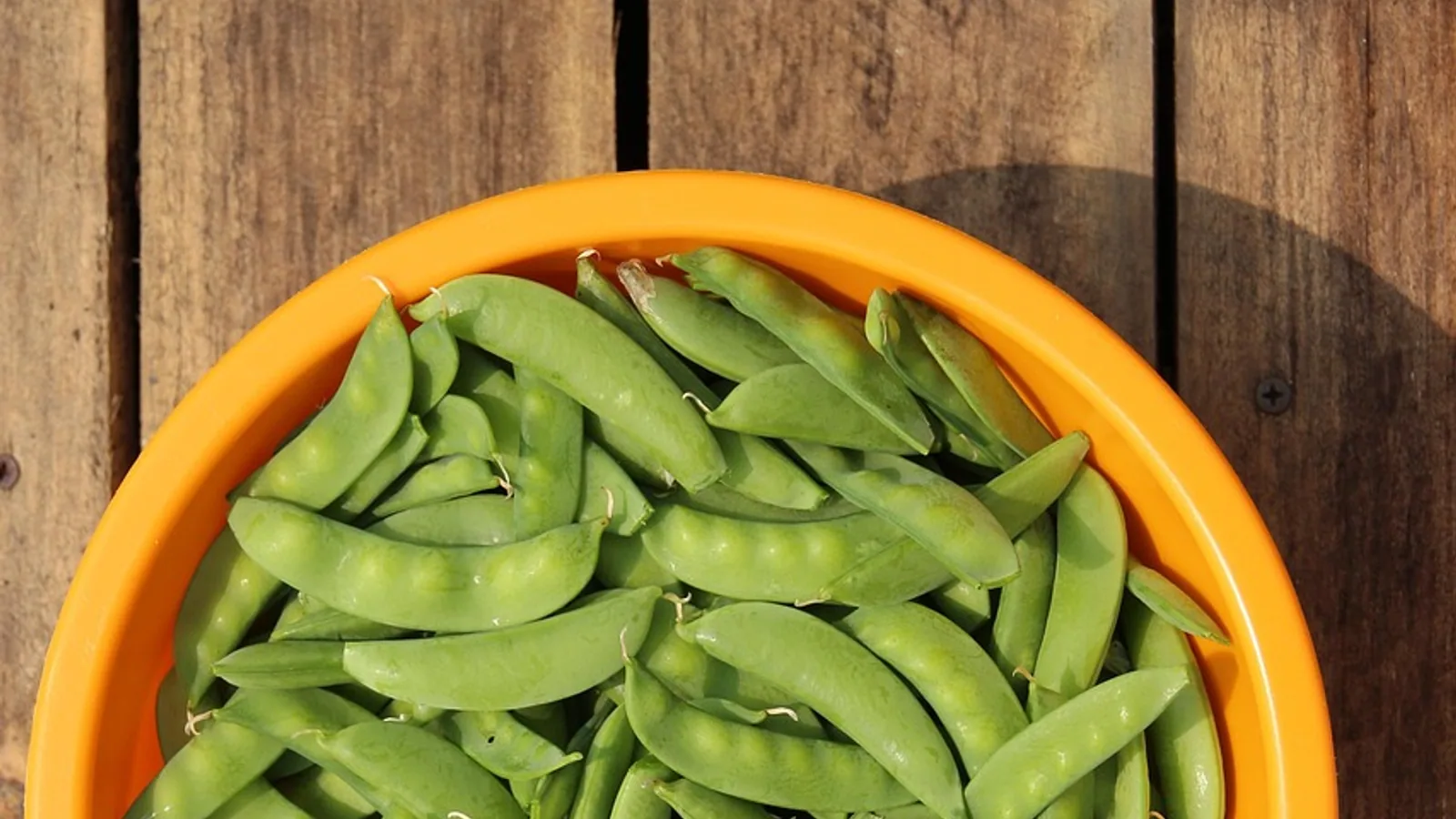
Yes, dogs can eat peas. Plain cooked peas are a safe, low-calorie treat for most healthy dogs when fed in small amounts, and peas are a common ingredient in commercial dog food. The exceptions matter, though: canned peas carry heavy added sodium, dried and raw peas can be a choking hazard, and very large servings can cause gastrointestinal upset.
This article explains what peas actually contribute nutritionally, how each form (fresh, frozen, canned, split, dried) differs in safety, and how to think about the pulse ingredient controversy that started with a 2018 FDA warning about grain-free diets and dilated cardiomyopathy.
This article is educational and is not a substitute for veterinary diagnosis or treatment.
What Are Peas, Nutritionally?


The pea is the seed of Pisum sativum, an annual legume. In pet nutrition literature, peas are classified as a pulse, a category that also includes lentils, chickpeas, and beans. Pulses have become a major protein source in both human and animal diets because of their protein content and functional properties in food manufacturing [1].
Yellow peas, one of the most studied pulse ingredients, are valued in pet food formulation largely for their protein fraction. A study that characterized five pulse ingredients for canine and feline diets found that the essential amino acids in pulses, with the exception of methionine, were highly digestible, with digestibility values of 80% to 90% on a dry matter basis [1]. That is a favorable profile. The methionine gap is the part worth remembering, and it becomes relevant later in this article.
Peas also carry dietary fiber, including insoluble fiber, plus phytate and other compounds that can reduce nutrient digestibility when pulses make up a large share of the diet [2]. In a normal serving size for a household dog, that effect is trivial. In a diet formulated with 40% or more pulse flour, it becomes a formulation problem that nutritionists have to solve.
Peas Are Not a Complete Protein for Dogs
No single plant ingredient is. Pea protein is rich in lysine and low in the sulfur amino acids methionine and cysteine, a pattern documented across pulse crops and in swine and poultry nutrition work on pea seeds [1][3]. Methionine and cysteine are precursors for taurine synthesis in dogs. This is the biochemical thread that connects peas to the cardiac research discussed below.
For a dog eating a complete and balanced commercial diet, the manufacturer has already balanced this. For a dog getting a few peas as a treat, the amino acid profile of the peas is irrelevant to overall nutrition.
Are Peas Toxic to Dogs?
No. Peas do not contain any toxin known to harm dogs, and there is no toxic dose of peas in the veterinary literature. Peas appear in the FDA warning about diet-associated dilated cardiomyopathy, but that warning was about a possible association with certain diet patterns, not about pea toxicity.
The real-world problems with peas are mechanical and gastrointestinal, not toxicological:
- Choking. Whole dried peas are hard, small, and round. They can lodge in the throat or be swallowed without chewing.
- Bloat risk. A large volume of dried peas, or dried peas that swell after soaking up water, can cause significant gastric distension.
- GI upset. Sudden introduction of a large quantity of peas, especially with the fiber load, can produce gas, loose stool, or vomiting.
- Sodium (canned only). The peas themselves are fine. The brine is the problem.
Fresh, Frozen, Canned, and Split Peas: How Each Form Compares
The form of the pea determines both safety and sodium content. This table summarizes the practical differences.
| Form | Safe for dogs? | Sodium notes | Preparation |
|---|---|---|---|
| Fresh (shelled, raw) | Only if cooked first | Naturally very low sodium | Steam or boil until soft, no salt. Raw shelled peas are hard and a choking risk for small dogs |
| Fresh pods | Not recommended | Low | Pods are tough, fibrous, and hard to chew. They are not toxic, but they are a mechanical risk and offer no benefit |
| Frozen | Yes | No added sodium if plain | Thaw or cook. Check the bag for added salt or butter sauce |
| Canned | Yes, if drained and rinsed | High. Added sodium is often in the range of 300 to 400 mg per 100 g, and can be higher | Drain, rinse under running water, then serve a small portion |
| Dried whole | Not recommended | Low | Hard, expands with moisture, high choking and bloat risk |
| Split peas (dried) | Yes, if fully cooked | Low if unsalted | Must be cooked until soft. Never serve dried split peas straight from the bag |
| Pea flour or pea protein in dog food | Yes, as formulated | Depends on the complete diet | A formulation decision, not a treat decision |
The sodium point deserves emphasis. A 100 g portion of canned peas with 350 mg of sodium delivers roughly 350 mg of sodium to a dog that may weigh 5 to 10 kg. A typical maintenance sodium target for an adult dog is modest, and a single canned-pea snack can consume a meaningful share of it. Rinsing reduces surface sodium but does not eliminate sodium absorbed into the peas during canning.
Raw and Dried Peas: Why the Form Matters More Than the Ingredient
This is the part most owners get wrong. The pea is safe. The physical state of the pea is what creates risk.
Dried peas are hard enough to crack a tooth and small enough to be inhaled. In a small breed dog, a dried pea is roughly the size of the airway opening in the back of the throat. Dogs do not chew small food items thoroughly, so a dried pea can be swallowed whole and either lodge or pass into the stomach intact, where it then absorbs water and swells.
Raw shelled peas from the garden are firmer and starchier than cooked peas. They are not toxic, but they are harder to digest and harder to chew. Cooking softens the cell walls, gelatinizes the starch, and makes the pea far easier for a dog to process.
Split peas are dried peas that have been split mechanically, but they are still hard and raw in the bag. The only acceptable presentation is fully cooked and soft, with no added salt or seasoning. This is the same rule that applies to any legume fed to a dog as a human-food treat: cook it thoroughly, keep it plain, keep the portion small.
Fiber, Gas, and Digestive Upset
The most common problem owners will actually see is flatulence and loose stool after feeding peas. That outcome is predictable from the fiber content. Pulse ingredients contain insoluble dietary fiber and oligosaccharides that ferment in the colon, and research on pulse-based dog foods has repeatedly noted that higher fiber levels reduce apparent macronutrient digestibility compared with grain-based foods [4][5][2].
A reduced digestibility of a few percentage points is not a health problem in a well-formulated diet. It does mean that a sudden large serving of peas as a treat can produce noticeable gas and softer stool. Introduce peas slowly, in small amounts, and back off if the dog reacts.
Dogs with a history of pancreatitis, inflammatory bowel disease, or a sensitive stomach should have any new food, including peas, cleared with their veterinarian first.
Peas in Commercial Dog Food: What the Ingredient Actually Does
Peas appear on pet food labels in several forms: whole peas, pea flour, pea starch, pea protein, and pea fiber. They serve different functions.
- Whole peas and pea flour contribute protein and some fiber.
- Pea starch is a carbohydrate and energy source. In one 20-week feeding study, pea starch was used specifically to balance protein and energy across diets with increasing whole pulse inclusion [6].
- Pea protein is a concentrated protein source used to raise the protein content of a formula.
Modern canine diets are formulated with crude protein and gross amino acid concentrations of individual ingredients rather than on a standardized ileal digestibility basis, which is standard practice in swine and poultry formulation [7]. That gap matters because amino acid digestibility from individual ingredients is not always additive when ingredients are combined and extruded into a finished kibble. One study testing this directly found that standardized ileal amino acid digestibility estimates were not additive in extruded canine diets with increasing whole pulse flour inclusion [7]. In practice, this means a diet can look adequate on paper at the ingredient level and still deliver less available amino acid than intended.
That is a formulation challenge for manufacturers, not a reason for owners to fear the word "peas" on a label. A complete and balanced diet from a manufacturer that follows AAFCO nutrient profiles and conducts digestibility testing accounts for these effects.
Pea Protein Concentrate and Lentil in Vegan and Pulse-Based Diets
Plant-based dog foods rely heavily on pulses. A study of pulse-based vegan dog foods found that field pea flour and lentil flour were the primary protein contributors in a low-protein formula, while pea protein concentrate and lentil protein concentrate dominated the high-protein formula [2]. The same study noted that pulses contain anti-nutritional factors including phytate and insoluble dietary fiber that can reduce nutrient digestibility, and that enzyme addition was being tested as a mitigation strategy [2]. Heat treatment and enzyme supplementation are established ways to reduce the effect of anti-nutritional factors in pea-based diets in other species as well [8][3].
If you feed a vegan or pulse-heavy diet to your dog, the diet still needs to meet complete and balanced nutrient requirements for the dog's life stage. That is a conversation to have with your veterinarian, not a decision to make from a label claim.
The FDA Warning, Pulses, and Dilated Cardiomyopathy
In July 2018, the FDA warned about a possible relationship between dilated cardiomyopathy (DCM) in dogs and the consumption of dog food formulated with potatoes and pulse ingredients, much of it labeled grain-free [9]. Many owners since then have asked whether peas cause heart disease in dogs. The honest answer is that the relationship is an association under active investigation, not a proven cause, and peas alone are not the concern.
Here is what the research actually shows.
What the Evidence Supports
Feeding trials in dogs have found measurable changes when pulse-based, grain-free diets are fed. In a 7-day crossover study, dogs fed pulse-based diets showed lower fasting and peak blood glucose than dogs fed a rice-based diet, and total tract digestibility of macronutrients and taurine differed among the diets, though plasma taurine stayed within normal range [4].
In a 28-day feeding trial, dogs fed a wrinkled pea diet showed impaired stroke volume and cardiac output, increased end-systolic ventricular diameter, and increased NT-proBNP (a cardiac biomarker), all at a subclinical level. Plasma taurine was unchanged, but plasma methionine was lower after all test diets compared with the commercial grain-based diet [5]. This is a real signal.
A 30-day study in Labrador retrievers fed a grain-free diet with 20% split peas and 40% lentils found progressive decreases in red blood cell counts, hematocrit, and total hemoglobin, and a 41.8% increase in plasma inorganic phosphate. Similar patterns were seen in clinical DCM cases reviewed in the same study [10].
What the Evidence Does Not Support
Other studies point the other way. In a 20-week trial, 28 Siberian Huskies were fed diets with 0%, 15%, 30%, or 45% whole pulse ingredients. There were no differences in echocardiographic parameters, NT-proBNP, or cardiac troponin I between treatment groups or across time, and no differences in body composition or hematological and biochemical indices [6].
A 90-day study feeding adult beagles a diet containing 45% green lentils found no differences in plasma or whole blood taurine between the lentil diet and a poultry byproduct meal control diet, and no differences in plasma methionine [11].
Why the Picture Is Mixed
Pulse ingredients have been used in pet food for over two decades. When a study finds a cardiac signal from pulses, the mechanism is not obviously taurine deficiency in every case, since plasma taurine has been unchanged in several trials [5][11]. The leading hypotheses involve differences in nutrient digestibility and bioavailability, the fermentability and quantity of fiber, and interactions among food constituents that affect taurine synthesis or bile acid metabolism [9][12].
A narrative review of the diet-DCM literature concluded that the research highlights potential roles of legumes, particularly peas, in gut microbiota and fiber-related bile acid metabolism, and distinguished taurine-deficiency-related DCM as a separate form with certain breeds, notably Golden Retrievers, being more susceptible [12].
A separate study found that supplementing a grain-free diet with methionine, but not taurine or methyl donors, increased postprandial homocysteine concentrations in dogs, which speaks to the sulfur amino acid pathway rather than to taurine directly [13]. Postprandial amino acid patterns do track the dietary amino acid profile in dogs fed increasing whole pulse inclusion, which supports the idea that pulse-based diets shift the amino acid supply in measurable ways [14].
What This Means for Peas as a Treat
None of this research applies to a spoonful of cooked peas from your dinner plate. Every study that found an effect used peas or pulses as a major dietary component, at inclusion rates of 20% to 45% of the diet, fed for weeks. A dog eating a normal complete diet with occasional peas as a treat is not the population these diets describe.
The relevant question is about the complete diet, not the ingredient. If your dog eats a grain-free, legume-rich diet and has any cardiac risk factors, breed predisposition, or symptoms such as exercise intolerance, coughing, or fainting, talk to your veterinarian. Diet-associated DCM has been reported to improve with dietary change and treatment in many affected dogs, which is why early identification matters [12].
How to Feed Peas Safely
The practical rules are straightforward.
- Cook them plain. Steam, boil, or thaw. No salt, no butter, no oil, no garlic or onion seasoning. Garlic and onion are toxic to dogs and frequently appear in seasoned vegetable dishes.
- Keep the portion small. A few tablespoons for a medium dog, less for a small breed. Peas are a treat or a topper, not a meal replacement.
- Mash or cut them. Cooked whole peas are a choking risk for small dogs and for dogs that bolt their food. Mashing cooked peas is safer and easier to digest.
- Drain and rinse canned peas. The rinse reduces surface sodium but does not make canned peas a low-sodium food. Use them sparingly.
- Never serve dried or raw peas as a snack. Cook dried split peas until fully soft before feeding.
- Introduce slowly. Start with a small amount and watch for gas, loose stool, or vomiting over the next day.
- Count the calories. Peas add calories to the daily total. If your dog is on a weight management plan, adjust accordingly.
Peas can also be frozen into a treat or added to a food-stuffed toy, provided the peas are cooked and the toy is appropriate for the dog's size.
Nutrition at a Glance
Peas contribute plant protein, complex carbohydrate, dietary fiber, and a range of vitamins and minerals, though the exact amounts vary by variety, growing conditions, and processing. The consistent nutritional points across the pulse literature are that peas are protein-rich relative to cereal grains, that their essential amino acids are generally well digested with the exception of methionine, and that they carry fiber and phytate that can reduce digestibility of other nutrients when they dominate the diet [1][2].
For a dog on a complete and balanced diet, these details are academic. For a dog on a homemade diet that relies heavily on peas for protein, they are central, and the diet needs to be formulated by a veterinary nutritionist to avoid amino acid shortfalls.
Special Situations
Small breeds and brachycephalic dogs. Choking risk is higher. Mash cooked peas.
Dogs with kidney disease. Canned peas are a poor choice because of the sodium load. Ask your veterinarian before adding any new food.
Dogs with food allergies. Pea is a possible allergen, though less commonly implicated than animal proteins. If a dog reacts to a new food, stop and contact your veterinarian.
Puppies. Treats of any kind should be a small fraction of daily calories, and the puppy's main diet should be a complete and balanced growth formula.
Senior dogs. Digestibility of nutrients can change with age, and older dogs may do better with softer, more digestible food forms [15]. Cooked, mashed peas fit that pattern better than firm whole peas.
Limitations and When to Contact a Veterinarian
Individual dogs vary in how they tolerate any new food, including peas. A general safety statement is not a substitute for an assessment of your dog.
Contact a veterinarian promptly if your dog:
- Chokes, gags, or has difficulty breathing after eating peas or pea pods
- Develops a distended, painful, or hard abdomen, especially after eating dried peas
- Vomits repeatedly, has diarrhea that lasts more than 24 hours, or stops eating
- Shows exercise intolerance, coughing, fainting, or difficulty breathing, particularly if the dog eats a grain-free or legume-heavy diet
- Has a known heart condition and you are considering a diet change
If your dog ate a large quantity of dried peas, call your veterinarian or a pet poison control service even if the dog seems fine, because dried peas expand and the situation can change.
Frequently Asked Questions
Can dogs eat peas?
Yes, dogs can eat plain cooked peas in small amounts. Peas are not toxic. Canned peas should be drained and rinsed because of added sodium, and dried or raw peas should be avoided because of choking and bloat risk.
Are peas bad for dogs?
Peas are not bad for dogs in normal treat amounts. Large volumes can cause gas and loose stool because of the fiber content, and grain-free diets with very high pulse inclusion have been associated with cardiac changes in some feeding trials.
Can dogs eat canned peas?
Yes, if you drain and rinse them first. Canned peas often contain 300 to 400 mg of sodium per 100 g, and rinsing only removes surface sodium. Feed them sparingly and consider frozen or fresh peas instead.
Can dogs eat frozen peas?
Yes. Plain frozen peas with no added salt or sauce are safe. Thaw them or cook them lightly and serve a small portion.
Can dogs eat raw peas?
Raw shelled peas are not toxic, but they are hard, harder to digest, and a choking risk, especially for small dogs. Cooking them until soft is the safer choice.
Can dogs eat split peas?
Cooked split peas are safe in small amounts. Dried split peas straight from the bag are hard and can cause choking or bloat, so they must be fully cooked and softened before feeding.
Do peas cause heart disease in dogs?
There is no proven cause-and-effect link. The FDA investigated an association between grain-free, pulse-heavy diets and dilated cardiomyopathy, and research findings have been mixed. The concern applies to certain complete diets, not to peas fed as an occasional treat.
Can peas be a dog's main protein source?
Only in a diet specifically formulated to meet complete and balanced nutrient requirements. Peas are low in methionine and cysteine, so a pea-heavy diet needs complementary protein sources or amino acid supplementation, which is a job for a veterinary nutritionist.
Related Articles
- Can Cats Eat Peas? Fiber & Commercial Cat Food
- Can Cats Eat Peas? Fiber and Lectin Content
- Can Dogs Eat Pineapple? Fresh vs. Canned Safety
- Can Dogs Eat Applesauce? Unsweetened Safety & Additives
- What Eats Frogs? Natural Predators and Pet Safety
- Can Dogs Eat strawberries? Vet Safety, Benefits & Hazards
- Can Dogs Eat Lemon? Citrus Safety Explained
- Can Dogs Eat Coconut? Benefits and Safety Limits
- Can Cats Eat Apples? Safety, Seeds and Serving Tips
Sources
- Macronutrient composition, true metabolizable energy and amino acid digestibility, and indispensable amino acid scoring of pulse ingredients for use in canine and feline diets.
- 191 Apparent Total Tract Digestibility, Fecal Metabolites, and Feces Quality of Pulse-Based Vegan Dog Foods with Or Without Added Enzymes in Adult Dogs and Comparison to Digestibility from a Pig Model
- [The influence of dietary raw and extruded field peas
(Pisum sativum L.) on nutrients digestibility and performance of weaned and fattening pigs](https://doi.org/10.22358/jafs/91209/2018)
- The Effects of 7 Days of Feeding Pulse-Based Diets on Digestibility, Glycemic Response and Taurine Levels in Domestic Dogs
- Effects of a 28-day feeding trial of grain-containing versus pulse-based diets on cardiac function, taurine levels and digestibility in domestic dogs
- The Pulse of It: Dietary Inclusion of Up to 45% Whole Pulse Ingredients with Chicken Meal and Pea Starch in a Complete and Balanced Diet Does Not Affect Cardiac Function, Fasted Sulfur Amino Acid Status, or Other Gross Measures of Health in Adult Dogs.
- Standardized ileal amino acid digestibility estimates are not additive in extruded canine diets with an increasing inclusion of whole pulse flour ingredients.
- PEAS (Pisum sativum L.) AND LUCERNE (Medicago sativa L.) A VALUABLE PROTEIN SOURCES AS ALTERNATIVES TO SOYBEAN MEAL IN SWINE NUTRITION - A REVIEW
- Special topic: The association between pulse ingredients and canine dilated cardiomyopathy: addressing the knowledge gaps before establishing causation.
- Responses in randomised groups of healthy, adult Labrador retrievers fed grain-free diets with high legume inclusion for 30 days display commonalities with dogs with suspected dilated cardiomyopathy.
- Longitudinal assessment of taurine and amino acid concentrations in dogs fed a green lentil diet.
- Role of Diet as a Predisposing Factor for Dilated Cardiomyopathy in Dogs: A Narrative Review.
- Addition of dietary methionine but not dietary taurine or methyl donors/receivers to a grain-free diet increases postprandial homocysteine concentrations in adult dogs.
- Postprandial Plasma and Whole Blood Amino Acids Are Largely Indicative of Dietary Amino Acids in Adult Dogs Consuming Diets with Increasing Whole Pulse Ingredient Inclusion.
- Age-related digestibility of nutrients depending on the moisture content in aged dogs