Can Dogs Eat Kabocha Squash? Skin, Seeds, and Safety
By Dr. Zubair Khalid, DVM, MS, PhD ·
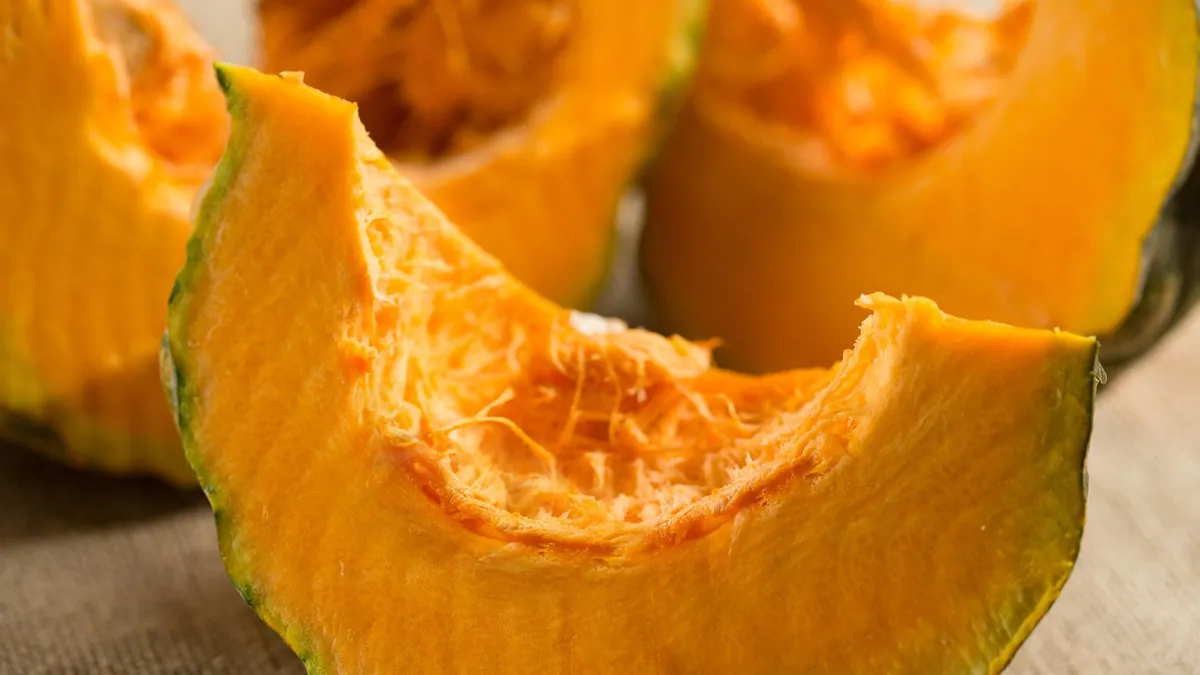
Can dogs eat kabocha squash? Yes, cooked kabocha squash is safe for most dogs when it is served plain and cut into small, bite-sized pieces. The flesh is the safest part, while the skin and seeds need extra care. Kabocha is a winter squash with dense, sweet flesh, and it can be a useful low-calorie topper for dogs who need to lose a little weight or who have a sensitive stomach.
This article is educational and is not a substitute for veterinary diagnosis or treatment.
Quick Answer
- Plain, cooked kabocha flesh is safe for healthy dogs in small amounts.
- Peel the skin or cook it until very soft, and cut everything into small pieces to prevent choking.
- Seeds are a choking and blockage risk unless they are plain, unsalted, and ground or finely chopped.
- Never feed kabocha with xylitol, garlic, onion, salt, butter, oil, or heavy spices.
- Treat kabocha as a topper, not a meal. It does not replace a complete and balanced dog food.
Can Dogs Eat Kabocha Squash? The Short Answer
Kabocha squash is not toxic to dogs. The flesh is the part you want to feed. It is soft when cooked, easy to mash, and mild in flavor, so most dogs accept it without a fight.
The confusion comes from the skin and seeds. Kabocha skin is edible for people, but it is tough and fibrous. A dog who swallows a large piece of skin may choke, vomit, or pass it undigested. Seeds are small and hard, and they can lodge in the throat or cause a blockage if eaten in large numbers.
Kabocha is sometimes called Japanese pumpkin, so owners searching for "can dogs eat kabocha pumpkin" are asking the same question. The answer is the same. Cooked, plain pumpkin-type squash is generally safe for dogs.
If you want a broader list of dog-safe produce, see What Kind Of Vegetables Are Safe For Dogs To Eat. It covers other options that work well as toppers.
Nutrition and Real Benefits of Kabocha for Dogs
Kabocha is mostly water and fiber. It is low in calories compared with most treats, which makes it a practical choice for dogs on a weight management plan. A few spoonfuls add bulk and moisture to a bowl without adding much fat.
The fiber can help with mild constipation or loose stool in some dogs. Fiber feeds gut bacteria, and gut bacteria produce short-chain fatty acids that support intestinal health. A study of red ginseng dietary fiber in dogs found that fiber supplementation increased gut bacterial diversity and supported short-chain fatty acid producers [1]. That study used a different fiber source, so it does not prove kabocha does the same thing, but it supports the general idea that fermentable fiber can benefit the canine gut.
Kabocha also contains beta-carotene, which the body converts to vitamin A. Dogs use vitamin A for vision, skin, and immune function. You do not need to feed kabocha for this. A complete dog food already supplies enough.
Plant ingredients in dog food can be well digested when they are processed properly. A study of plant-based protein sources in canine diets found that the pumpkin press cake diet had the highest protein digestibility among the tested diets at 85.11% [2]. That finding is about a processed protein ingredient in a complete diet, not about raw squash from your kitchen, but it shows that squash-family plants can fit into a dog's diet in a useful way.
Starch in plant ingredients also matters. Starch gelatinization, which happens during cooking, affects how well a dog digests starch [3]. This is one more reason to cook kabocha well instead of feeding it raw.
Risks: Choking, GI Upset, Toxicity, and Additives
Choking and blockage
Hard seeds and large chunks of skin are the main physical hazards. A dog who eats quickly may swallow a piece whole. Signs of choking include gagging, pawing at the mouth, and difficulty breathing. That is an emergency.
Stomach upset
Too much kabocha at once can cause gas, bloating, diarrhea, or vomiting. Fiber is helpful in the right amount and disruptive in the wrong amount. Start with a very small portion and watch your dog for a day.
Toxicity
The squash itself is not toxic. The danger comes from what you add to it. Common kabocha recipes include butter, brown sugar, maple syrup, salt, garlic, and onion. Garlic and onion damage red blood cells in dogs. Xylitol, a sugar substitute used in some baked goods and sweetened products, causes dangerous hypoglycemia and liver injury in dogs. If your kabocha dish contains any of these, keep it away from your dog.
Seeds and a common myth
You may have read that pumpkin seeds deworm dogs. The evidence does not support that claim. A laboratory study of pumpkin seed extracts against Echinococcus granulosus protoscoleces found a maximum mortality of only 16%, which did not reach the 50% needed to be considered effective [4]. Do not use kabocha or pumpkin seeds as a dewormer. Talk to your veterinarian about proper parasite prevention.
Can Dogs Eat Kabocha Squash Skin?
Yes, in small amounts, if it is cooked until very soft and cut into tiny pieces. Raw or lightly cooked kabocha skin is tough. It resists chewing and can pass through the gut as a large, sharp-edged piece.
Peeling is the safer choice for most dogs. If you want to keep the skin, roast or steam the squash until a fork slides through the skin with no resistance. Then chop it into pieces no larger than a pea for small dogs and no larger than a thumbnail for large dogs.
Dogs with a history of pancreatitis, inflammatory bowel disease, or a sensitive stomach should skip the skin. Fiber and fat content vary, and a sudden change can trigger a flare.
Can Dogs Eat Kabocha Squash Seeds?
Plain, unsalted kabocha seeds are not toxic, but they are a choking risk and a fat source. A whole seed can lodge in the throat. A handful of seeds adds a lot of fat, which can trigger pancreatitis in a dog who is prone to it.
If you want to offer seeds, follow these rules:
- Use only plain seeds with no salt, oil, or seasoning.
- Grind them or chop them finely.
- Keep the amount tiny, such as a pinch mixed into food.
- Never feed the shell in large pieces.
For comparison, sunflower seeds carry similar shell and fat concerns. You can read more in Can Dogs Eat Sunflower Seeds? Shell Hazards and Fat.
How to Prepare and Serve Kabocha Safely
Step by step
- Wash the outside of the squash.
- Cut it in half and remove the seeds and stringy pulp.
- Peel it, or leave the skin on only if you will cook it until very soft.
- Steam, boil, or roast with no added fat, salt, sugar, or seasoning.
- Cool completely.
- Mash or cut into small pieces.
- Offer a small amount with your dog's regular food.
Portion size
There is no universal serving size for kabocha. It depends on your dog's weight, calorie needs, and health conditions. A reasonable starting point for a healthy medium dog is one to two tablespoons mixed into a meal. For a small dog, start with a teaspoon. For a large dog, start with a quarter cup.
Treats and toppers should stay a small part of the daily diet. Your veterinarian can give you an exact amount based on your dog's weight and body condition.
Forms to avoid
| Form | Safe? | Notes |
|---|---|---|
| Plain cooked flesh | Yes | Peel or cook until soft, cut small |
| Cooked skin | Yes, with care | Must be very soft and cut tiny |
| Raw skin | No | Tough, choking and blockage risk |
| Plain ground seeds | Yes, tiny amount | High in fat, choking risk if whole |
| Whole seeds | No | Choking and blockage risk |
| Salted or roasted seeds | No | Salt and oil can cause problems |
| Kabocha soup with onion or garlic | No | Garlic and onion are toxic |
| Kabocha pie or sweetened dessert | No | Sugar, xylitol, butter, spices |
| Kabocha tempura | No | Oil, batter, possible onion |
What to Do If Your Dog Ate Too Much or a Dangerous Form
If your dog ate a large amount of plain cooked kabocha, expect some gas or soft stool. Withhold other treats for the day, keep water available, and watch for vomiting or diarrhea. Call your veterinarian if symptoms last more than a day or if your dog seems painful or lethargic.
If your dog ate kabocha with garlic, onion, xylitol, or a large amount of fat, call for advice right away. Do not wait for symptoms. You can reach the ASPCA Animal Poison Control Center at (888) 426-4435 or the Pet Poison Helpline at (855) 764-7661. A consultation fee may apply.
If your dog is choking, struggling to breathe, or has a swollen abdomen with unproductive retching, go to an emergency veterinary hospital now.
Safer Alternatives
If kabocha does not agree with your dog, or you want variety, these options work well:
- Plain cooked pumpkin or butternut squash
- Plain cooked carrots, cut small
- Plain green beans, no salt
- Plain cooked zucchini
- A spoonful of plain canned pumpkin with no spices
Carrots are a popular low-calorie crunch. You can read more in Can Dogs Eat Carrots.
Some vegetables are not safe. Onion, garlic, leeks, chives, and wild mushrooms are on the avoid list. For a full list, see What Vegetables Are Not Safe For Dogs To Eat.
Fruit pits and stones are another hazard. If you also feed fruit, Can Dogs Eat Plums? Toxicity Warnings & Pit Risks explains why pits are dangerous.
Limitations and When to Contact a Veterinarian
Kabocha is not a treatment for any disease. It will not replace a prescription diet, a deworming protocol, or medication. Dogs with diabetes, kidney disease, heart disease, pancreatitis, or food allergies need a plan made for them. Individual cases need a veterinarian who can examine your dog and review the full diet.
Call your veterinarian the same day if your dog:
- Vomited more than once after eating kabocha
- Has diarrhea that lasts more than 24 hours
- Refuses food or seems painful in the belly
- Ate a large amount of skin or whole seeds
Go to an emergency hospital now if your dog:
- Is choking, gagging, or having trouble breathing
- Has a distended abdomen with dry heaving
- Collapses, trembles, or seems weak after eating a sweetened product
- Ate anything containing xylitol, garlic, or onion
For a routine visit, bring a list of everything your dog eats, including toppers, treats, and table food. Your veterinarian can calculate a safe portion and check that the overall diet is balanced.
Frequently Asked Questions
Can dogs eat kabocha squash every day?
Yes, a small amount of plain cooked kabocha can be offered daily for many healthy dogs. Keep it as a topper and not a meal replacement. If your dog has a medical condition, ask your veterinarian first.
Is kabocha better for dogs than pumpkin?
They are similar in nutrition and safety. Both are low-calorie, fiber-rich squash options. The better choice is the one your dog tolerates and that you can prepare plain.
Can puppies eat kabocha squash?
Yes, puppies can eat small amounts of plain cooked kabocha once they are eating solid food. Cut it very small and introduce it slowly. Puppies have small stomachs, so keep the portion tiny.
Does kabocha help dogs lose weight?
It can help as a low-calorie topper that adds volume to a meal. Weight loss still depends on total calories and exercise. Your veterinarian can set a target weight and a calorie plan.
Can dogs eat kabocha skin and seeds together?
It is possible but not ideal. Skin and seeds together increase the choking and blockage risk and add fat. Peel the squash and skip the seeds for the safest option.
Related Articles
- Can Dogs Eat Plums? Toxicity Warnings & Pit Risks
- What Kind Of Vegetables Are Safe For Dogs To Eat
- Can Dogs Eat Sunflower Seeds? Shell Hazards and Fat
- Can Dogs Eat Carrots
- What Vegetables Are Not Safe For Dogs To Eat
- Safe Veggies For Dogs To Eat
- Can Dogs Eat Raw Zucchini? Safety and Serving Tips
- Can Dogs Eat Kale? Leaves, Stalks, and Daily Limits
- Can Dogs Eat Radishes? Raw, Cooked, and Leaf Safety
References
- Red Ginseng Dietary Fiber Shows Prebiotic Potential by Modulating Gut Microbiota in Dogs. Microbiology spectrum, 2023.
- Investigation of the Digestibility, Fecal Characteristics, and Palatability of Oil Mil By-Products as a Plant-Based Protein Source in Canine Diets. Animals : an open access journal from MDPI, 2025.
- An Assessment of Starch Content and Gelatinization in Traditional and Non-Traditional Dog Food Formulations. Animals : an open access journal from MDPI, 2022.
- In Vitro Effects of Pumpkin (Cucurbita moschata) Seed Extracts on Echinococcus granulosus Protoscoleces. Iranian journal of parasitology, 2020.