Can Cats Eat Squash? Skin, Seeds, and Blossoms
By Dr. Zubair Khalid, DVM, MS, PhD ·
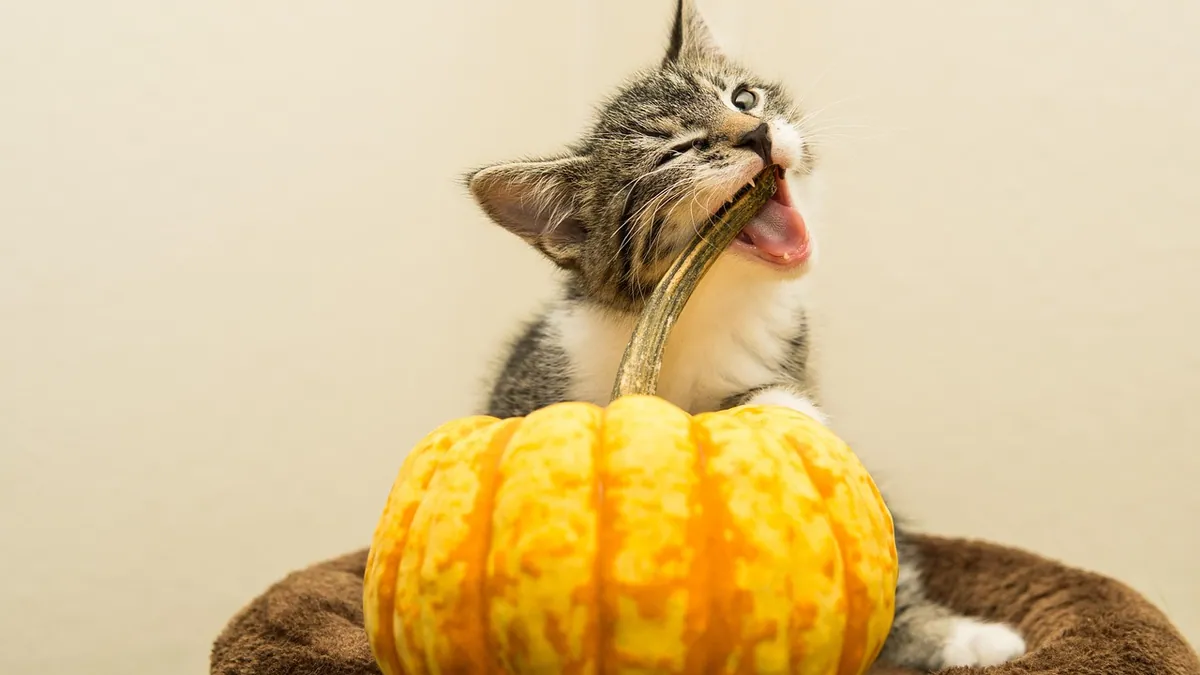
Can cats eat squash? Yes, cooked squash is safe for most cats in small amounts. The flesh is easy to digest and can add fiber and moisture to a meal. Raw skin, large seeds, and heavily seasoned squash dishes are a different story and can cause problems.
This article is educational and is not a substitute for veterinary diagnosis or treatment.
Quick Answer
- Plain, cooked squash flesh is non-toxic to cats and safe in small amounts [1][2][3].
- Peel the skin and remove the seeds before serving. Raw skin and large seeds are hard to chew and digest.
- Skip butter, oil, salt, garlic, onion, sugar, and xylitol. These add risks that have nothing to do with the squash itself.
- Treat squash as a topper or a small snack, not a meal. Cats are obligate carnivores and need animal protein as the base of their diet.
- If your cat ate a seasoned dish or a large amount of raw squash, call your veterinarian or a pet poison hotline.
Is Squash Safe for Cats?
The short answer is yes for the flesh of common squash varieties. The ASPCA lists acorn squash, buttercup squash, and butternut squash as non-toxic to cats, dogs, and horses [1][2][3]. That covers many of the squashes you are likely to have in your kitchen, including varieties in the Cucurbita pepo and Cucurbita maxima families [1][2][3].
Squash is a fruit botanically, but most people treat it as a vegetable in the kitchen. Either way, it is not a meat, and that matters for cats. Cats evolved as hunters and have a higher protein requirement than dogs or people. Plant foods can be part of a balanced commercial diet, but they cannot replace animal protein.
So squash is safe, but it is a garnish, not a foundation. A teaspoon or two mixed into a normal meal is plenty for most cats.
Can Cats Eat Squash Leaves?
Squash leaves are not on the ASPCA toxic plant list, and the squash plant itself is considered non-toxic [1][2][3]. That does not make the leaves a good food for cats.
Squash leaves are tough and fibrous. Cats have trouble chewing them, and a swallowed leaf can cause vomiting or pass through poorly. The vines and stems are also stringy. If your cat nibbles a leaf from a garden plant, that is usually not an emergency, but do not offer squash leaves as a treat. Wash any garden produce first, since pesticides and fertilizers are a bigger concern than the leaf itself.
Can Cats Eat Squash Skin?
Squash skin is the part to leave out. Raw skin is thick and leathery, and cats cannot chew it into small pieces. A swallowed piece of skin can cause choking or an upset stomach.
Cooked skin softens, but it still adds tough fiber that offers no nutritional benefit to a cat. Peeling squash takes a minute and removes the risk. If your cat licks a bit of cooked skin off the floor, watch for vomiting or diarrhea, but a tiny amount is unlikely to cause harm.
Can Cats Eat Squash Seeds?
Squash seeds are not toxic to cats, but size matters. Large raw seeds from butternut or acorn squash are a choking hazard and can be hard to digest. Small, soft seeds are less risky, but they still are not a needed food.
Squash seeds do contain compounds that have been studied for urinary tract effects in people, mostly related to benign prostatic hyperplasia and overactive bladder [4]. That research is about human urinary symptoms, not cats, and it does not mean seeds help feline urinary problems. Do not use squash seeds as a home remedy for your cat. If your cat has urinary signs, that needs a veterinary exam.
Roasted seeds sold for people are usually salted and sometimes flavored. Salt is not good for cats, and some seasonings are outright dangerous. Keep the seed bowl for yourself.
Can Cats Eat Squash Blossoms?
Squash blossoms are edible for people and are part of the non-toxic squash plant [1][2][3]. A plain, washed blossom is unlikely to hurt a cat.
The catch is preparation. Blossoms are often stuffed with cheese, fried in oil, or seasoned. Those versions bring fat, salt, dairy, and sometimes garlic or onion, which are toxic to cats. If you want to offer a blossom, rinse it well and give a small piece raw or steamed with nothing added. Many cats will ignore it anyway.
What Is in Squash?
Squash flesh is mostly water and carbohydrate, with some fiber and small amounts of vitamins and minerals. It is low in fat and low in protein. That profile is fine as a small addition, but it does not meet a cat's needs.
Fiber is the main practical benefit. A little cooked squash can add moisture and bulk to a meal, which may help some cats with mild constipation. Fiber also feeds gut bacteria, and diet composition shifts the fecal microbiome in cats [5]. A high-soluble-fiber diet produced different bacterial populations than a low-carbohydrate diet in healthy cats [5]. That does not prove squash fixes digestive problems, but it supports the idea that modest fiber can influence gut health.
Plant ingredients can be digestible when processed well. In dogs, a pumpkin-based protein source had the highest protein digestibility among several plant press cakes tested, at about 85 percent [6]. That study was in dogs, not cats, so read it as general evidence that squash-family plants can be digested when prepared properly, not as a feeding plan for your cat.
Can Cats Eat Zucchini and Squash?
Yes, zucchini is in the same plant family as squash and is also listed as non-toxic [1]. Zucchini is a type of summer squash, while acorn, buttercup, and butternut are winter squashes [1][2][3].
The same rules apply to both. Cook it plain, peel it if the skin is tough, remove seeds, and keep the portion small. Zucchini has a high water content, so it softens quickly and is easy to mash into a normal meal.
If you are already feeding vegetables as toppers, our guide to Can Cats Eat Carrots? Vitamin A & Digestibility covers another common kitchen option. Peas are another plant food owners ask about, and you can read about fiber and lectin content in Can Cats Eat Peas? Fiber and Lectin Content.
Risks and What to Watch For
Most squash problems come from how it is served, not from the squash itself.
Choking and blockage. Raw skin, stems, and large seeds can lodge in the mouth or throat. Signs include gagging, pawing at the mouth, drooling, or trouble breathing. That is an emergency.
Digestive upset. Too much squash, especially raw, can cause vomiting or diarrhea. Cats have short digestive tracts built for meat, and a sudden load of plant fiber can upset the balance.
Added ingredients. This is where real danger lives. Garlic and onion damage red blood cells in cats. Butter and oil can trigger pancreatitis in sensitive cats. Salt can cause serious problems in large amounts. Sugar-free products may contain xylitol, which is a well-known dog poison that causes low blood sugar and liver failure. A controlled study in cats did not find the same effects, but sugar-free foods still have no place in a cat's diet.
Toxicity. The squash plant itself is not toxic [1][2][3]. If your cat ate squash and is acting sick, look at everything else in the dish before blaming the squash.
| Form | Safe? | Notes |
|---|---|---|
| Plain cooked flesh | Yes | Peel, remove seeds, no seasoning. Small amount only. |
| Raw flesh | Usually | Small pieces only. Harder to digest than cooked. |
| Raw skin | No | Choking and blockage risk. Peel it off. |
| Large raw seeds | No | Choking hazard. Small soft seeds are lower risk. |
| Roasted salted seeds | No | Salt and flavorings are the problem. |
| Squash blossoms | Yes, plain | Wash well. No stuffing, batter, or frying. |
| Squash leaves and vines | Not recommended | Tough and fibrous. Not a cat food. |
| Squash pie or casserole | No | Sugar, dairy, spices, sometimes xylitol. |
| Canned pumpkin pie filling | No | Spiced and sweetened. Plain canned pumpkin is different. |
How to Offer Squash Safely
Keep it simple and small.
- Choose a plain squash. Acorn, buttercup, butternut, and zucchini all work [1][2][3].
- Peel the skin and scoop out the seeds.
- Cook the flesh until soft. Steam, boil, or bake with no butter, oil, salt, or seasoning.
- Mash it and let it cool.
- Start with about a teaspoon for an average adult cat. Mix it into the regular food or offer it on a spoon.
- Watch for vomiting, diarrhea, or refusal to eat over the next day.
If your cat has diabetes, kidney disease, or a sensitive stomach, ask your veterinarian before adding any new food. Cats with these conditions often need a specific diet, and a well-meaning topper can throw off the plan.
Can Cats Eat Squash Every Day?
A small amount of plain cooked squash every day is unlikely to hurt a healthy cat, but it should stay a very small part of the total diet. The bigger issue is balance. Every teaspoon of squash is a teaspoon of food your cat is not eating that contains the protein, fat, and amino acids cats need.
There is also a practical feeding point. Cats eat several small meals a day, and repeated exposure to the same food odor reduces feeding motivation over time [7]. Offering variety can restore interest in eating [7]. If you use squash as a topper, rotating it with other safe toppers may keep meals interesting. Just do not let the topper crowd out the main diet.
For most cats, a few times a week is plenty. Daily is fine only if the portion is tiny and the rest of the diet is complete and balanced.
What to Do If Your Cat Ate Too Much
If your cat ate a large amount of plain cooked squash, expect some soft stool or an upset stomach. Withhold extra treats, keep fresh water available, and offer the normal meal in a smaller portion. Most mild cases settle within a day.
If your cat ate raw skin, a large seed, or a stem, watch closely for gagging, drooling, repeated swallowing, or vomiting. Those signs point to a possible obstruction and need same-day veterinary care.
If your cat ate a dish with garlic, onion, butter, salt, or xylitol, call your veterinarian or a pet poison hotline right away. Do not wait for symptoms. Bring the ingredient list or the recipe with you so the veterinarian knows what and how much was eaten.
Safer Alternatives
If you want to add moisture or fiber to your cat's meal, plain cooked squash is one option. Others include plain cooked pumpkin, which is in the same non-toxic family [1]. Cooked egg is another protein-rich topper that many cats enjoy, and you can read more in Can Cats Eat Eggs.
Some vegetables carry their own cautions. Spinach, for example, is linked to calcium oxalate concerns in cats, which our article on Can Cats Eat Spinach? Calcium Oxalate Bladder Stones explains. Peas are another common additive in commercial cat food, covered in Can Cats Eat Peas? Fiber & Commercial Cat Food.
The safest choice for most cats is a complete and balanced commercial diet with an occasional plain, single-ingredient topper. If you want to cook for your cat long term, work with a veterinary nutritionist. Home-cooked diets are easy to get wrong, and owner feeding choices vary widely, including raw, grain-free, and vegetarian patterns [8].
Limitations and When to Contact a Veterinarian
This article covers general information. Your cat's age, weight, health conditions, and medications all change what is safe. Individual cases need a veterinarian who can examine your cat and review the full diet.
Call your veterinarian the same day if your cat ate a seasoned squash dish, a large amount of raw squash, or any amount of garlic, onion, or xylitol. Also call if your cat has vomiting, diarrhea, or refuses food for more than 24 hours after eating squash.
Go to an emergency clinic now if you see gagging, choking, drooling, trouble breathing, a swollen or painful belly, repeated unproductive vomiting, or collapse. These can signal a blockage or a serious reaction.
Schedule a routine visit if your cat has chronic constipation, diarrhea, or weight loss and you are hoping squash will help. Those signs need a diagnosis, not a kitchen remedy.
Frequently Asked Questions
Can kittens eat squash?
Kittens can eat a tiny amount of plain cooked squash, but their diets need to be built for growth. Kittens have high protein and calorie needs, and plant toppers can crowd out the nutrients they need. Ask your veterinarian before adding any human food to a kitten's diet.
Is canned squash safe for cats?
Plain canned squash or plain canned pumpkin with no added sugar or spices can be safe in small amounts. Read the label carefully. Pie filling is not the same product and often contains sugar, spices, and dairy. If the can lists anything beyond squash and water, skip it.
Can squash help my cat's constipation?
Fiber can help some constipated cats, and cooked squash adds fiber and moisture. The effect varies by cat, and constipation can have serious causes. If your cat strains, cries, or has not passed stool for more than a day or two, see your veterinarian instead of adjusting the diet on your own.
Will squash hurt my cat if it is raw?
A small piece of raw flesh is usually not harmful, but raw skin and large seeds are risky. They are hard to chew and can cause choking or a blockage. Cooking and peeling removes most of that risk.
Can my cat eat squash if it has kidney disease?
Only with your veterinarian's approval. Cats with kidney disease often need controlled levels of protein, phosphorus, and other nutrients. A topper that seems harmless can shift those levels. Your veterinarian can tell you whether squash fits your cat's specific plan.
Related Articles
- Can Cats Eat Eggs
- Can Cats Eat Spinach? Calcium Oxalate Bladder Stones
- Can Cats Eat Peas? Fiber & Commercial Cat Food
- Can Cats Eat Carrots? Vitamin A & Digestibility
- Can Cats Eat Peas? Fiber and Lectin Content
- Can Cats Eat Cheese
- Can Cats Eat Pumpkin Seeds? Raw, Salted, and Worms
- Can Cats Eat Papaya? Fruit, Seeds, and Skin
- Can Cats Eat Bell Peppers? Raw, Cooked and Seeds
References
- Toxic and Non-toxic Plants: Acorn Squash. ASPCA Animal Poison Control Center.
- Toxic and Non-toxic Plants: Buttercup Squash. ASPCA Animal Poison Control Center.
- Toxic and Non-toxic Plants: Butternut Squash. ASPCA Animal Poison Control Center.
- Profiling Hydrophilic Cucurbita pepo Seed Extracts: A Study of European Cultivar Variability. Plants (Basel, Switzerland), 2025.
- Comparison of the effects of four commercially available prescription diet regimens on the fecal microbiome in healthy cats. The Journal of veterinary medical science, 2026.
- Investigation of the Digestibility, Fecal Characteristics, and Palatability of Oil Mil By-Products as a Plant-Based Protein Source in Canine Diets. Animals : an open access journal from MDPI, 2025.
- Olfactory habituation and dishabituation dynamically regulate feeding motivation in domestic cats. Physiology & behavior, 2026.
- Owner personality traits associated with non-conventional feeding practices in domestic cats. Journal of feline medicine and surgery, 2026.