Can Dogs Eat Raw Zucchini? Safety and Serving Tips
By Dr. Zubair Khalid, DVM, MS, PhD ·
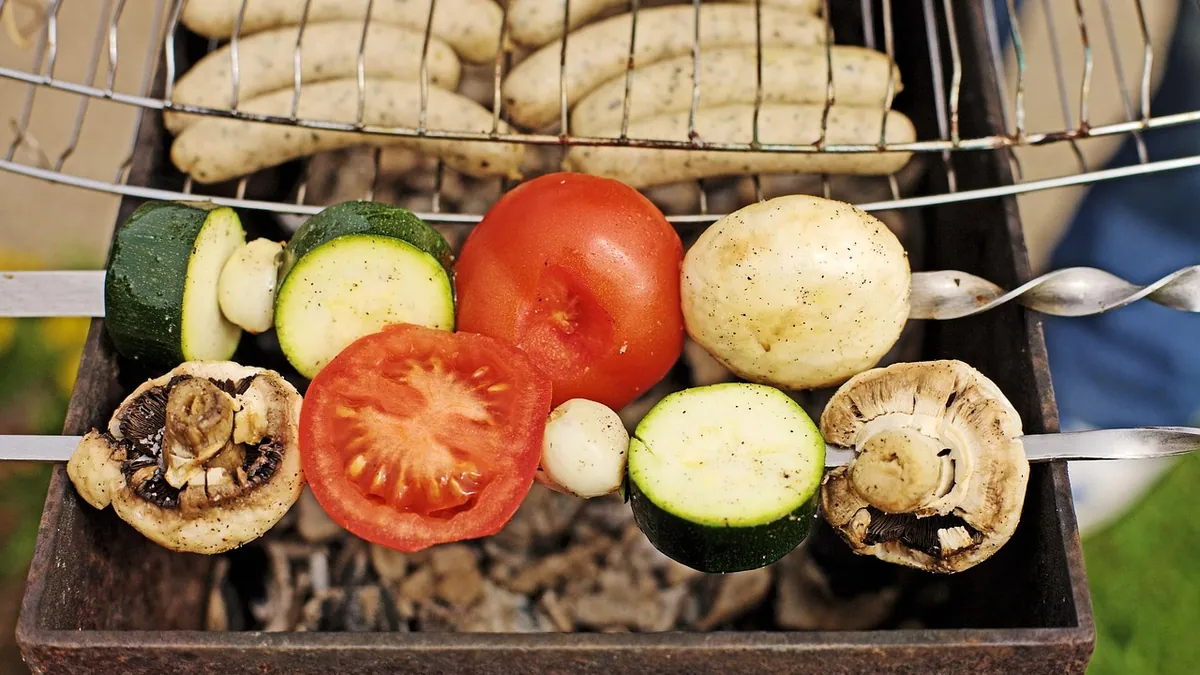
Yes, dogs can eat raw zucchini. It is non-toxic to dogs, low in calories, and safe when you wash it and cut it into small, bite-sized pieces [1]. Raw zucchini can be a crunchy treat or a topper for your dog's regular food, but portion size and preparation matter. This article is educational and is not a substitute for veterinary diagnosis or treatment.
Quick Answer
- Raw zucchini is non-toxic to dogs and safe to feed in small amounts [1].
- Wash it well, trim the ends, and cut it into small cubes or thin strips to reduce choking risk.
- Plain raw zucchini is best. Skip any seasoning, oil, salt, garlic, onion, or xylitol-containing sweetener.
- Treats like zucchini should stay a small part of a complete and balanced diet, so keep pieces small and occasional.
- If your dog eats a large amount or a dangerous preparation, call your veterinarian or a pet poison hotline right away.
Is Raw Zucchini Safe for Dogs?
Yes, raw zucchini is safe for dogs. The ASPCA lists zucchini squash (Cucurbita pepo cv zucchini) as non-toxic to dogs, cats, and horses [1]. That means the vegetable itself does not contain a known dog toxin. The safety question is really about how much you feed and what else is on the zucchini.
Zucchini is a cucurbit, the same family as cucumber, pumpkin, and squash. These vegetables are common in dog-safe homemade treats and fresh food toppers. Raw zucchini has a firm, watery texture that many dogs enjoy, and it does not need cooking to be safe.
The bigger risk with raw vegetables is not toxicity. It is choking, stomach upset, and added ingredients. A plain chunk of zucchini is safe. A zucchini slice fried in garlic butter is not.
Can Dogs Have Raw Zucchini? What About Puppies?
Can dogs have raw zucchini? Yes, adult dogs can have raw zucchini. Can puppies eat zucchini raw? Usually yes, as long as the pieces are very small and your puppy chews well. Puppies have smaller airways and less mature digestion, so cut pieces into tiny, soft cubes or grate the zucchini.
For puppies, start with one or two small pieces and watch for vomiting, diarrhea, or gas. If your puppy has a sensitive stomach, a history of pancreatitis, or a medical condition, ask your veterinarian before adding any new food.
Puppies need a complete and balanced growth diet. Zucchini should be a treat, not a meal replacement. Too much vegetable bulk can crowd out the calories and nutrients a growing puppy needs.
Nutritional Value and Real Benefits
Zucchini is mostly water. It provides fiber, small amounts of vitamin C, potassium, and other micronutrients, and very few calories. That makes it a useful low-calorie treat for dogs who need to watch their weight.
Fiber is the main nutritional reason owners add vegetables like zucchini. Dietary fiber supports gastrointestinal health in dogs, and researchers continue to study how different fibers affect digestion, stool quality, and the gut microbiome [2]. Other fiber studies in dogs have looked at fecal consistency and short-chain fatty acid production, which are markers of gut health [3]. These studies used specific fiber supplements, not zucchini, so they do not prove zucchini has the same effects. They do support the general idea that fiber matters for canine gut health.
Some dogs with uncomplicated acute diarrhea improve quickly with supportive care, and fiber is sometimes part of that care [4]. That does not mean you should treat diarrhea with zucchini at home. It means fiber is a normal part of a healthy diet, and zucchini is one gentle source.
Fresh, minimally processed foods are popular with owners. A study of colony dogs found that a fresh-frozen diet improved fecal consistency compared with extruded kibble [5]. That study looked at a complete fresh diet, not zucchini as a topper, so keep expectations realistic. Zucchini is a treat, not a cure.
If you want more low-calorie vegetable options, see Safe Veggies For Dogs To Eat and What Are Some Safe Vegetables For Dogs To Eat.
Risks of Feeding Raw Zucchini
Choking and Blockage
Raw zucchini is firm. Large chunks or thick rounds can lodge in the throat or cause a blockage, especially in small dogs and eager eaters. Cut zucchini into pieces no larger than a pea for toy breeds, and no larger than a nickel for medium and large dogs. Grate it for puppies or dogs who gulp food.
Digestive Upset
Too much zucchini can cause gas, bloating, loose stool, or vomiting. Any new food can upset a sensitive stomach. Introduce zucchini slowly, one or two small pieces at a time, and stop if your dog reacts poorly.
Seeds and Skin
Can puppies eat zucchini seeds? Yes, zucchini seeds are not toxic to dogs. Small, soft seeds pass through without trouble. Large or tough seeds can be a choking risk for tiny dogs, so scrape them out if you are unsure. The skin is also safe and adds fiber, but wash it thoroughly to remove dirt and pesticide residue. If your dog has a sensitive stomach, peeling the zucchini can make it easier to digest.
Toxic Additives
Plain zucchini is safe. The danger comes from what you add.
| Form | Safe? | Notes |
|---|---|---|
| Plain raw zucchini, washed and diced | Yes | Best option. Small pieces only. |
| Raw zucchini with salt | No | Too much salt can cause problems. Skip it. |
| Zucchini cooked in garlic or onion | No | Garlic and onion are toxic to dogs. |
| Zucchini bread or muffins | No | Often contains sugar, raisins, chocolate, or xylitol. |
| Zucchini with xylitol sweetener | No | Xylitol is highly toxic to dogs. |
| Zucchini fried in oil or butter | No | High fat can trigger pancreatitis. |
| Zucchini with cheese or creamy dip | No | Added fat, salt, and possible toxins. |
Xylitol is a sugar alcohol used in some baked goods and sweetened products. It can cause dangerous hypoglycemia and liver injury in dogs. If a zucchini product contains xylitol, treat it as an emergency.
Raw meat diets are a separate topic, but they carry bacterial risks that owners and veterinarians discuss [6]. If you feed zucchini alongside a raw meat diet, follow strict hygiene, wash your hands, and clean surfaces. Zucchini itself is not a raw meat product, but cross-contamination is a real concern in any kitchen.
How to Offer Raw Zucchini Safely
- Choose a firm, fresh zucchini. Avoid soft, moldy, or slimy ones.
- Wash it under running water. Scrub the skin gently.
- Trim both ends and cut away any bruised spots.
- Cut into small cubes, thin matchsticks, or grate it.
- Remove large seeds if your dog is small or gulps food.
- Offer one or two pieces at first. Wait a day to see how your dog responds.
- Feed plain. No salt, oil, butter, garlic, onion, or sweetener.
- Store cut zucchini in the refrigerator and use within a few days.
For most dogs, a few small pieces a day is plenty. Treats should make up a small fraction of daily calories. If you are unsure about portions, ask your veterinarian. They can calculate a safe amount based on your dog's weight, body condition, and health.
You can also cook zucchini if your dog prefers it soft. Steaming or boiling plain zucchini until tender is safe. Let it cool before serving. Cooking does not remove toxins because there are none, but it can make the vegetable easier to chew and digest.
If you want to compare zucchini with other produce, see Can Dogs Eat Zucchini? Calorie Limits & Preparation and Can Dogs Eat Berries Raw.
What to Do If Your Dog Ate Too Much or a Dangerous Form
If your dog ate a large amount of plain raw zucchini, they may get an upset stomach. Watch for vomiting, diarrhea, gas, or abdominal pain. Small amounts usually pass without issue. Large amounts can cause discomfort or, rarely, a blockage if pieces were big.
If your dog ate zucchini prepared with garlic, onion, xylitol, raisins, chocolate, or a lot of salt or fat, call your veterinarian or a pet poison hotline immediately. Do not wait for symptoms. Some toxins cause delayed signs, and early treatment matters.
If your dog is choking, gagging, retching, drooling heavily, or struggling to breathe, go to an emergency veterinary hospital now. Do not try to pull a piece out of the throat with your fingers unless you can clearly see it and remove it safely.
If your dog has vomiting or diarrhea that lasts more than a day, seems painful, or stops eating, contact your veterinarian. Young puppies, senior dogs, and dogs with chronic illness can dehydrate quickly.
Safer Alternatives
If your dog does not like zucchini or you want variety, many other vegetables are safe. Plain cooked or raw carrots, green beans, cucumber, and plain cooked pumpkin are common choices. Always cut them small and skip seasoning.
For a broader list, see Safe Veggies For Dogs To Eat. If you are considering a raw meat diet, read Raw Dog Food first and talk with your veterinarian about bacterial risks [6].
Limitations and When to Contact a Veterinarian
This article gives general guidance. Your dog's age, weight, health conditions, and medications change what is safe. Individual cases need a veterinarian who knows your dog.
Contact your veterinarian the same day if your dog ate a large amount of zucchini, ate a seasoned or sweetened zucchini product, or has mild vomiting or diarrhea.
Go to an emergency clinic now if your dog is choking, has trouble breathing, collapses, has a seizure, or shows severe pain or repeated vomiting.
Schedule a routine visit if your dog has repeated stomach upset after new foods, needs a weight-loss plan, or you want help choosing safe treats and portions.
Frequently Asked Questions
Can dogs eat raw zucchini every day?
Yes, small amounts of plain raw zucchini can be a daily treat for many healthy dogs. Keep the portion small so it does not replace balanced dog food. If your dog gets gas or loose stool, cut back or stop.
Is raw zucchini better than cooked zucchini for dogs?
Neither is clearly better. Raw zucchini is crunchy and low in calories. Cooked plain zucchini is softer and easier for some dogs to chew. Both are safe as long as you skip salt, oil, garlic, onion, and sweeteners.
Can dogs eat zucchini seeds and skin?
Yes, zucchini seeds and skin are not toxic to dogs. Small seeds and thin skin usually pass fine. Remove large or tough seeds for tiny dogs, and wash the skin well to remove dirt.
What happens if a dog eats too much zucchini?
Too much zucchini can cause gas, bloating, vomiting, or diarrhea. Large chunks can also be a choking or blockage risk. If your dog ate a huge amount or seems uncomfortable, call your veterinarian.
Can zucchini help my dog lose weight?
Zucchini can help as a low-calorie treat that adds bulk and fiber. It does not replace a weight-management plan. Ask your veterinarian for a safe calorie target and portion sizes for your dog.
Related Articles
- Can Dogs Eat Zucchini? Calorie Limits & Preparation
- Can Dogs Eat Berries Raw
- Safe Veggies For Dogs To Eat
- What Are Some Safe Vegetables For Dogs To Eat
- Raw Dog Food
- What Kind Of Vegetables Are Safe For Dogs To Eat
- Can Dogs Eat Cabbage Raw or Cooked? Safe Amounts and Prep
- Can Dogs Eat Brussels Sprouts Raw or Cooked? Safety Guide
- Can Dogs Eat Kohlrabi? Leaves, Skin, and Serving Tips
References
- Toxic and Non-toxic Plants: Zucchini Squash. ASPCA Animal Poison Control Center.
- Effects of dietary fiber and biotic supplementation on apparent total tract macronutrient digestibility and the fecal characteristics, metabolites, and microbiota of healthy adult dogs. Journal of animal science, 2024.
- Dietary supplementation with soluble corn fiber improved fecal score, microbiota, and SCFAs in dogs. Frontiers in veterinary science, 2025.
- Effects of dietary cellulose on clinical and gut microbiota recovery in dogs with uncomplicated acute diarrhea: a randomized prospective clinical trial. Journal of the American Veterinary Medical Association, 2025.
- Impacts of a fresh-frozen dog food on fecal consistency and microbiome in colony dogs. Journal of animal science, 2026.
- Exploring veterinarian and pet owner perspectives on the risk of antimicrobial resistance when feeding raw meat diets to dogs. Veterinary record open, 2026.