Can Dogs Eat Radishes? Raw, Cooked, and Leaf Safety
By Dr. Zubair Khalid, DVM, MS, PhD ·
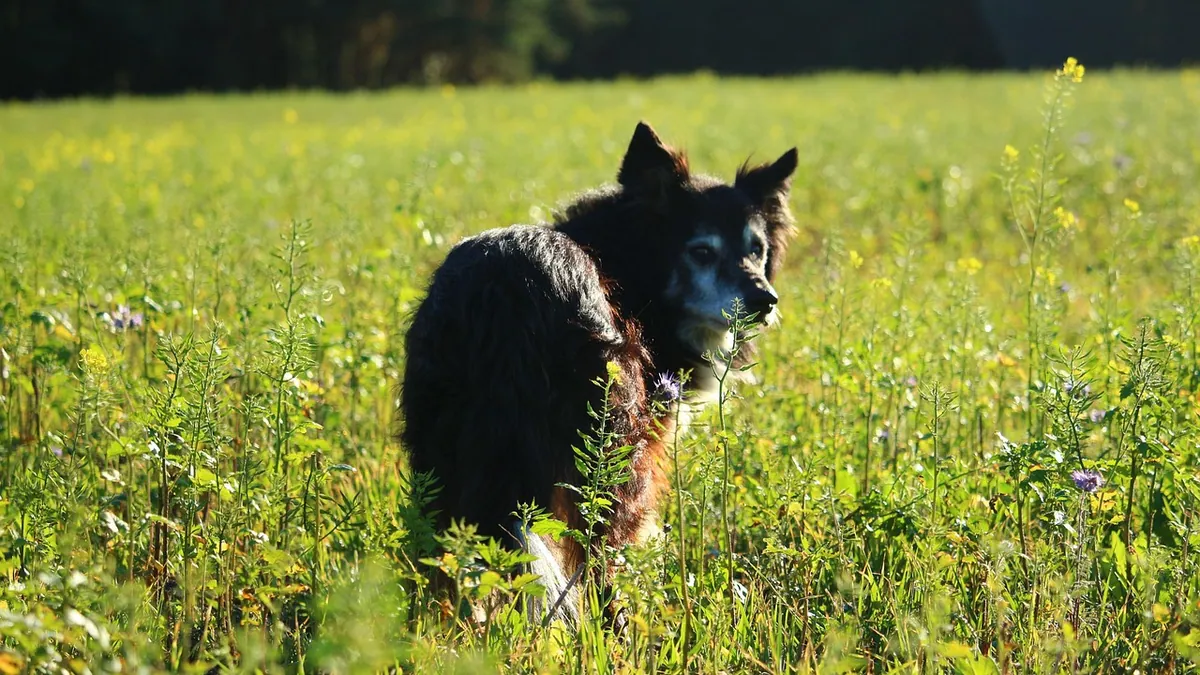
Can dogs eat radishes? Yes, plain radishes are generally safe for most dogs in small amounts. The root is the safest part, raw or cooked, as long as you skip seasonings and toppings. The leaves and stems need more caution because they can cause stomach upset in some dogs.
This article is educational and is not a substitute for veterinary diagnosis or treatment.
Quick Answer
- Plain radish root is safe for most dogs in small pieces, raw or cooked, with no salt, oil, garlic, onion, or xylitol.
- Keep servings tiny. One or two small slices for a small dog, a few slices for a large dog, is plenty as an occasional treat.
- Radish leaves and stems are not toxic to dogs, but they are high in fiber and can trigger vomiting or diarrhea in sensitive stomachs.
- Cut radishes into bite-sized, easy-to-chew pieces to reduce choking risk, especially for dogs who gulp food.
- If your dog eats a large amount or a seasoned radish dish, watch for vomiting, diarrhea, or belly pain and call your vet if signs appear.
Are Radishes Safe for Dogs?
For most healthy dogs, the radish root is a safe, low-calorie treat. Radishes are a root vegetable in the same plant family as cabbage, broccoli, and kale. They are not on the list of foods that are toxic to dogs.
One important distinction involves wild radish, which is a different plant from the garden radish you buy at the store. Wild radish (Raphanus raphanistrum) is listed as toxic to horses, with isothiocyanates as the toxic principle and gastrointestinal irritation and colic as clinical signs [1]. That record covers horses, not dogs, and it refers to the wild plant. Still, it is a good reminder that the sharp, peppery compounds in radishes can irritate a sensitive stomach.
The bigger practical issue is how radishes are served. A plain radish is fine. A radish dipped in ranch, tossed in garlic butter, or served inside a salty stir-fry is a different story. Those add-ons are where most problems come from.
If you are building a list of safe plant-based treats, our guide to safe veggies for dogs to eat covers several options.
Can Dogs Eat Radishes Raw?
Yes, raw radish root is safe for most dogs. Raw radishes are crunchy and low in calories, which makes them appealing for dogs who need to watch their weight.
The texture is the main concern. Raw radishes are firm and can be hard to chew. A dog who swallows pieces whole can choke or vomit them back up. Cut raw radishes into small, thin slices or matchsticks. For tiny dogs, grate the radish or cut it into very small bits.
Raw radishes also have a peppery bite. Some dogs love it, and some turn their nose up. A few dogs get mouth irritation or mild drooling from the sharp flavor. Start with one small piece and see how your dog responds.
Do not feed raw radishes that have started to soften, mold, or smell off. Spoiled produce can cause digestive upset on its own.
Can Dogs Eat Radishes Cooked?
Yes, cooked radish root is safe for dogs and is often easier on the stomach than raw. Cooking softens the texture, which lowers the choking risk and makes the radish easier to digest.
Keep the preparation plain. Steam, boil, or roast radishes with no salt, no butter, no oil, no garlic, no onion, and no seasoning blends. Garlic and onion are toxic to dogs, and salty or fatty toppings can cause stomach upset or worse.
Roasting brings out a sweeter flavor that many dogs prefer. Just make sure the radish is cool before you offer it. Hot food can burn a dog's mouth and tongue.
Avoid pickled radishes. Pickling brine is high in salt and often contains garlic, onion, or other flavorings that are not safe for dogs.
Can Dogs Eat Radish Leaves?
Radish leaves, also called radish tops or greens, are not toxic to dogs, but they are not the best choice either. They are high in fiber and can be tough and stringy.
Some dogs handle a small amount of chopped radish greens without any problem. Others get gas, bloating, vomiting, or diarrhea. The leaves also have a stronger peppery taste than the root, which some dogs find unpleasant.
If you want to offer radish leaves, chop them finely and cook them first. Start with a very small amount, about a teaspoon for a small dog, and watch for digestive signs over the next 24 hours. If your dog has a sensitive stomach, skip the leaves entirely and stick with the root.
For comparison, strawberry leaves are another plant part owners ask about. You can read more in our article on can dogs eat strawberries leaf.
Can Dogs Eat Red Radishes?
Yes, red radishes are safe for dogs. The red color comes from natural plant pigments, not from anything harmful. Red radishes are the most common type sold in American grocery stores, and they are fine to offer in small pieces.
The same rules apply to other radish varieties. White radishes (daikon), pink radishes, and black radishes are all safe in plain form. Daikon is larger and milder, so it is easy to cut into small cubes. Black radishes have a sharper flavor and a tougher skin, so peel them and cut them small.
The color of the radish does not change the safety. What matters is the preparation and the portion size.
How Many Radishes Can a Dog Eat?
Treats should stay a small part of your dog's daily calories. A common guideline in veterinary nutrition is that treats make up no more than about 10 percent of a dog's daily calorie intake. That number is a general feeding principle, not a radish-specific rule.
In practice, keep radish servings small:
- Toy breeds (under 10 pounds): one or two thin slices
- Small breeds (10 to 25 pounds): two or three slices
- Medium breeds (25 to 50 pounds): three to five slices
- Large breeds (over 50 pounds): five to eight slices
These are starting points, not targets. A dog who has never eaten radishes should start with one small piece. Too much radish at once can cause gas, bloating, or loose stool because of the fiber and the sharp compounds in the plant.
Radishes should be an occasional treat, not a daily staple. They do not provide complete nutrition, and they should never replace a balanced dog food.
Nutrition: What Do Radishes Actually Offer?
Radishes are mostly water. They are low in calories and provide a small amount of fiber, vitamin C, and potassium. That makes them a reasonable low-calorie crunch for dogs who need to lose weight or who beg for table food.
The nutritional benefit is modest. Radishes are not a meaningful source of protein, fat, or the amino acids dogs need. Think of them as a crunchy snack, not a supplement.
Some owners feed radishes because they want to add fresh food to a processed diet. Fresh food can affect digestion and the gut microbiome. One study found that dogs fed a fresh-frozen diet had improved fecal consistency compared with dogs fed extruded kibble [2]. Another study found that an abrupt switch from dry to canned food changed digestibility and gut bacteria [3]. These findings are about whole diets, not radishes, but they show that any diet change can shift digestion. Introduce new foods slowly.
Risks and Warnings
Choking and Blockage
Raw radish pieces are firm and round. They can lodge in the throat or cause choking, especially in small dogs or dogs who eat fast. Cut radishes into small, flat pieces. Do not give a whole radish to a dog.
Digestive Upset
Radishes contain fiber and sulfur-containing compounds that can irritate the stomach. Signs include gas, bloating, vomiting, and diarrhea. Dogs with sensitive stomachs or a history of pancreatitis may react more easily. The wild radish record lists gastrointestinal irritation as a clinical sign from isothiocyanates [1], which supports keeping portions small.
Additives and Seasonings
This is where most real danger comes from. Watch for:
- Xylitol, a sugar substitute that is highly toxic to dogs
- Garlic and onion, which damage red blood cells
- Salt, which can cause dehydration or sodium poisoning in large amounts
- Butter, oil, and creamy dips, which can trigger pancreatitis
- Pickling brine, which is high in salt and often contains garlic
A plain radish is safe. A radish in a seasoned dish is not.
Raw Food Handling
If you feed raw radishes as part of a raw food approach, handle them with care. Raw meat diets can carry bacteria, including antimicrobial-resistant bacteria, and this is a recognized concern for both pets and people [4]. Wash radishes thoroughly and wash your hands after handling raw produce and raw meat.
Form | Safe? | Notes
| Form | Safe? | Notes |
|---|---|---|
| Raw radish root | Yes, in small pieces | Cut thin to reduce choking risk |
| Cooked radish root | Yes | Plain, no salt, butter, or garlic |
| Radish leaves and stems | Caution | Not toxic, but can cause GI upset |
| Pickled radishes | No | High salt, often garlic or onion |
| Radish with dip or seasoning | No | Risk of xylitol, garlic, onion, fat |
| Wild radish | No | Toxic to horses, avoid for dogs [1] |
What If Your Dog Ate Too Much or a Dangerous Form?
If your dog ate a large amount of plain radishes, expect some gas or loose stool. Offer fresh water and keep meals simple for the next day. Most mild upset settles on its own within 24 hours.
If your dog ate radishes with garlic, onion, xylitol, or a large amount of salt or fat, call your veterinarian or a pet poison hotline right away. Do not wait for signs to appear. Some toxic effects, like onion and garlic damage to red blood cells, can take a day or more to show up.
If your dog is choking, gagging, retching, or having trouble breathing, treat it as an emergency and go to the nearest veterinary hospital.
Safer Alternatives
If you want a crunchy, low-calorie treat, several options are easier on most dogs than radishes:
- Plain cooked green beans, cut small
- Plain cucumber slices, peeled if your dog has a sensitive stomach
- Plain carrot pieces, cut small for small dogs
- Plain zucchini, raw or cooked
- Plain apple slices with the seeds and core removed
Berries are another popular choice. Our article on can dogs eat berries raw explains which ones are safe. If you are comparing fruits and leaves, can dogs eat strawberries and strawberry leaves covers both parts of that plant.
Avoid raw potatoes, which contain solanine and can be toxic. Our guide on can dogs eat raw potatoes? solanine and green skin warning explains why.
Limitations and When to Contact a Veterinarian
This article gives general guidance. Every dog is different, and individual cases need a veterinarian who can examine your pet, ask about their health history, and give advice for your situation.
Call your veterinarian the same day if your dog:
- Vomited more than once after eating radishes
- Has diarrhea that lasts more than 24 hours
- Seems painful in the belly or refuses to eat
- Ate radishes with garlic, onion, xylitol, or a lot of salt or fat
Go to an emergency clinic right away if your dog:
- Is choking, gagging, or struggling to breathe
- Has a swollen or painful abdomen
- Collapses, trembles, or seems weak
- Has pale gums or a racing heart
Schedule a routine visit if your dog has repeated digestive upset after new foods. Your vet can check for food sensitivities or other underlying problems.
Frequently Asked Questions
Can puppies eat radishes?
Puppies can eat a small piece of plain, soft cooked radish, but their digestive systems are more sensitive than adult dogs. Keep the portion very small and watch for any signs of stomach upset. Puppies should get most of their calories from a complete puppy food.
Are radish sprouts safe for dogs?
Radish sprouts are not a good choice for dogs. Sprouts are grown in warm, moist conditions that can support bacterial growth, and raw sprouts are a known food safety concern for people. Skip them and offer a plain piece of the root instead.
Do radishes help dogs lose weight?
Radishes are low in calories, so they can work as a crunchy treat for a dog on a weight loss plan. They do not burn fat or replace exercise and portion control. Talk to your vet about a full weight management plan.
Can radishes cause gas in dogs?
Yes, radishes can cause gas and bloating in some dogs. The fiber and sulfur compounds in the plant ferment in the gut, which produces gas. Smaller portions and cooked radishes are usually easier to tolerate than large amounts of raw radish.
Are radish greens toxic to dogs?
Radish greens are not toxic to dogs, but they can cause vomiting, diarrhea, or gas in sensitive dogs. If you want to offer them, cook them first and start with a very small amount. Many dogs do better with the root only.
Related Articles
- Can Dogs Eat Berries Raw
- Can Dogs Eat Strawberries Leaf
- Can Dogs Eat Strawberries And Strawberry Leaves
- Safe Veggies For Dogs To Eat
- Can Dogs Eat Raw Potatoes? Solanine and Green Skin Warning
- What Are Some Safe Vegetables For Dogs To Eat
- Can Dogs Eat Turnips? Raw, Cooked, and Greens Safety
- Can Dogs Eat Cabbage Raw or Cooked? Safe Amounts and Prep
- Can Dogs Eat Brussels Sprouts Raw or Cooked? Safety Guide
References
- Toxic and Non-toxic Plants: Wild Radish. ASPCA Animal Poison Control Center.
- Impacts of a fresh-frozen dog food on fecal consistency and microbiome in colony dogs. Journal of animal science, 2026.
- Impact of an abrupt change from dry to canned diet on digestive function and gut microbiota in dogs. Journal of animal science, 2025.
- Exploring veterinarian and pet owner perspectives on the risk of antimicrobial resistance when feeding raw meat diets to dogs. Veterinary record open, 2026.