Blue-Green Algae Poisoning in Dogs: Signs and Treatment
By Dr. Zubair Khalid, DVM, MS, PhD ·
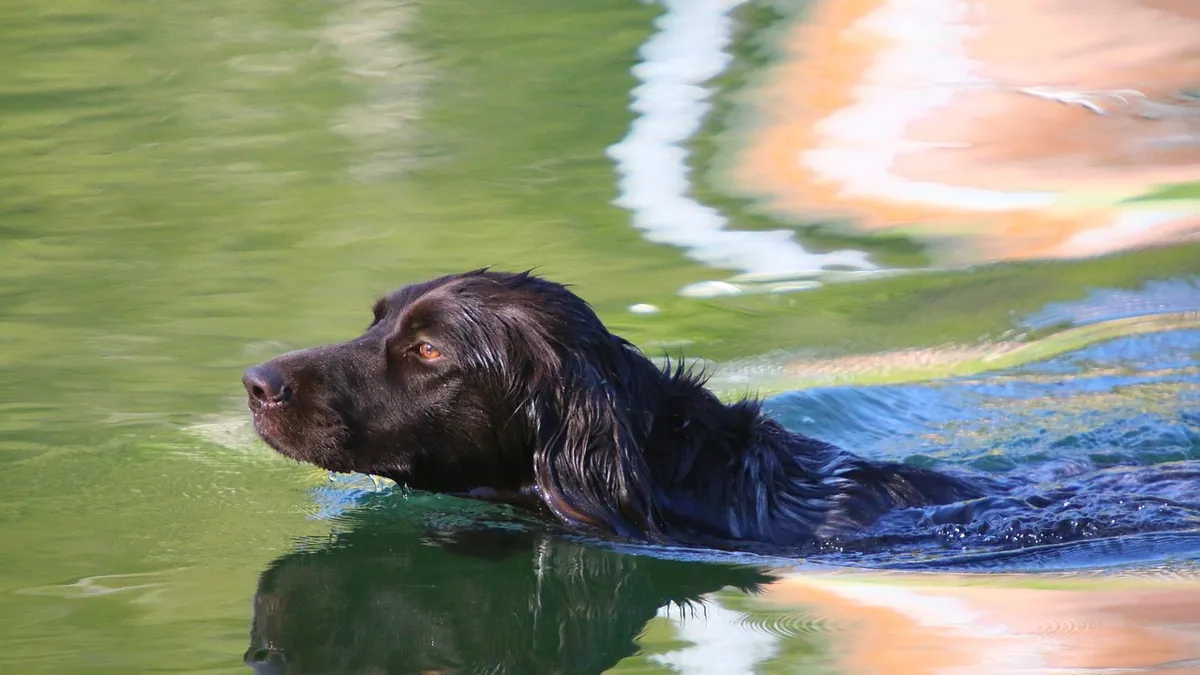
Is blue green algae toxic to dogs? Yes. Blue green algae, also called cyanobacteria, can produce toxins that cause life-threatening liver or neurologic injury in dogs, and some dogs die within hours of exposure [1][2]. Very small exposures, such as a few mouthfuls of contaminated water, may result in fatal poisoning [3].
This article is educational and is not a substitute for veterinary diagnosis or treatment.
Quick Answer
- All blue green algae blooms should be treated as potentially toxic because you cannot tell a toxic bloom from a harmless one by looking at it [3][2].
- The two most serious toxin groups, microcystins and anatoxins, attack the liver or the nervous system [3][2].
- Signs can appear within minutes to hours, and some dogs have died within an hour of being in or near contaminated water [1].
- If your dog was in or near a bloom, rinse the coat with fresh water, call a poison control hotline, and go to a veterinary hospital immediately [2].
- There is no antidote for blue green algae poisoning, so treatment is supportive and speed matters [2].
Is Blue Green Algae Toxic to Dogs?
Yes, and the danger is not limited to drinking the water. Dogs are exposed when they swim in, drink, or walk along the edge of water containing a harmful algal bloom [2]. Because the algae float, wind can push them into thick mats near the shore, which puts them right where dogs wade, sniff, and lick [3].
Cyanobacteria live in freshwater lakes, streams, ponds, and brackish water [3]. They grow into blooms that turn the water a blue-green color or give it a pea soup appearance, and the growth can also look like blue or green paint on the surface [3]. Blooms can appear blue-green, rusty, or brown [1].
Algal concentrations rise during hot weather in mid to late summer and are most likely in nutrient-rich water [3]. Calls to one animal poison control center about harmful blue green algae exposures rose every year from 2010 through 2022, and more than 65 percent of those calls came in July through September [4]. Of 999 calls, 99.4 percent involved dogs, and oral and skin exposures were the most common routes [4].
Which Blooms Are Dangerous?
Most blue green algae blooms do not produce toxins, but there is no way to know without testing, so every bloom should be considered potentially toxic [3]. Visual inspection cannot tell you whether a particular bloom is toxic or not [2]. If you suspect a harmful bloom, alert your local or state health department [2].
What About Other Sources?
The risk is mainly from water, but anything that holds contaminated water can carry the toxins. That includes puddles at the shoreline, wet toys, and your dog's own wet fur, which is why rinsing matters if exposure happens [2]. For other household and yard hazards that can cause sudden illness, see Plants Poisonous To Dogs and Dog Ate Toxic Plant.
The Toxic Principle and What It Does in the Body
Cyanobacteria can make several types of toxins, called cyanotoxins [2]. The two most serious are microcystin and anatoxin [2].
Microcystin targets the liver. It also affects the intestine and produces diarrheal symptoms after a dog ingests contaminated water [5]. In laboratory work on intestinal cells, microcystin reduced the electrical resistance of the cell layer and increased permeability, and it damaged the tight junctions that seal the spaces between cells [5]. In plain terms, the toxin breaks down the gut's barrier. In a living dog, that contributes to gastrointestinal signs and, at higher doses, liver injury [2][5].
Anatoxin targets the nervous system [2]. It can lead to neurologic signs and, in severe cases, respiratory arrest [2].
Other cyanotoxins are less well studied but can also cause neurotoxicity, liver toxicity, and skin toxicity through different mechanisms [6]. Researchers have also found that cyanobacteria can become airborne and travel through the air over long distances, which adds another possible route of exposure, though much more work is needed to understand the real-world risk [6].
The end result of serious poisoning can include shock, liver failure, respiratory arrest, and death [2].
Signs of Blue Green Algae Poisoning in Dogs
Signs depend on which toxin is involved, and they can progress fast. Some dogs have died within an hour of being in or near the water [1].
Watch for these categories:
- Gastrointestinal signs such as vomiting and diarrhea, which are common early and are linked to microcystin's effect on the intestine [5].
- Liver-related signs that worsen over hours, including lethargy, weakness, and collapse, consistent with the liver injury microcystin causes [2].
- Neurologic signs such as tremors, stumbling, or seizures, consistent with anatoxin's effect on the nervous system [2].
- Breathing difficulty or respiratory arrest in severe neurologic cases [2].
How Fast Do Signs Appear?
Timing varies with the amount swallowed and the toxin type. The key point for owners is that this can move from "fine" to "critical" within hours, and deaths have been reported within an hour of exposure [1]. If your dog vomits green or yellow fluid after water exposure, that alone is a reason to call a veterinarian. You can read more about that sign here: Dog Threw Up Yellow Green Liquid.
How Much Blue Green Algae Is Toxic to Dogs?
There is no safe amount you can estimate at home. Very small exposures, such as a few mouthfuls of algae-contaminated water, may result in fatal poisoning [3]. Because blooms vary in toxin content and you cannot see toxins in the water, any known or suspected exposure should be treated as an emergency [3][2].
What to Do Right Now
Act first, ask questions later.
- Get your dog out of the water and away from the shoreline.
- Rinse the coat thoroughly with fresh, clean water so your dog cannot lick toxins off the fur [2].
- Call a veterinarian, the ASPCA Animal Poison Control Center at (888) 426-4435, or Pet Poison Helpline at (855) 764-7661 [2].
- Bring your dog to a veterinary hospital immediately, even if your dog seems normal [2].
Do not induce vomiting unless a veterinarian tells you to. Vomiting can be dangerous if your dog is already weak, having neurologic signs, or at risk of inhaling vomit.
What Not to Do
Do not wait to see if signs develop. Do not try to "flush" your dog with more water from the same source. Do not assume a bloom is harmless because other dogs were swimming there. Blooms shift with wind and time, and concentrations vary throughout the year [3].
Blue Green Algae Toxicity in Dogs: Treatment
There is no antidote for blue green algae poisoning [2]. Treatment is supportive and aimed at limiting absorption, protecting organs, and supporting breathing and circulation.
What your veterinarian may do:
- Decontamination. If your dog was just exposed, your veterinarian may manage removal of toxins from the gut. They will decide whether inducing vomiting is safe for your dog's condition.
- Activated charcoal or other binders. These are sometimes used to reduce absorption of toxins still in the stomach or gut. Your veterinarian calculates the dose from your pet's weight and health.
- Intravenous fluids. Fluids support blood pressure and help the body handle toxin load.
- Liver support. Because microcystin injures the liver, your veterinarian may run blood work to check liver values and provide supportive care for liver injury [2].
- Seizure control and breathing support. For neurologic cases tied to anatoxin, care focuses on controlling seizures and supporting respiration [2].
- Monitoring. Expect repeated exams and blood work. Shock, liver failure, and respiratory arrest are the outcomes veterinarians are trying to prevent [2].
The dose of any medication is calculated by your veterinarian based on your dog's weight, current health, and lab results. Never give human medications at home for this.
Outlook
The outlook depends on how much toxin your dog absorbed, which toxin was involved, and how fast care started. Because there is no antidote and poisoning can be rapidly fatal, early treatment gives the best chance [2].
Some dogs survive with aggressive supportive care. Others deteriorate despite treatment, especially when liver failure or respiratory arrest develops [2]. Your veterinarian can give you a more specific prognosis after examining your dog and reviewing initial blood work.
Prevention and Safer Alternatives
Prevention is simple and effective.
- Check before you go. Look up local water body advisories and harmful algal bloom reports before heading to a lake or pond. Public health authorities track these blooms [2].
- Assume the worst. If water looks like pea soup, blue-green paint, or has a scummy mat at the edge, keep your dog away [3][1].
- Avoid stagnant water. Blooms favor stagnant, nutrient-rich water in warm weather [3][1].
- Bring your own water. Offer fresh water from home so your dog is not tempted to drink from the shoreline.
- Rinse after any water contact. Even if the water looked clear, rinse your dog with fresh water after swimming in natural water [2].
- Watch the season. Risk is highest in mid to late summer, and most poison control calls happen in July through September [3][4].
- Report suspected blooms. Contact your local or state health department so others are warned [2].
If your dog has a habit of eating things outdoors, it helps to know the common household and food hazards too. See List 5 Foods That Are Toxic To Dogs and Can Dogs Eat Garlic? Allicin Toxicity in Dogs.
Limitations and When to Contact a Veterinarian
No article can tell you whether your specific dog was exposed to a toxic dose. That judgment requires a veterinarian who can examine your dog, ask about the exposure, and run tests. Individual cases need a veterinarian.
Call a veterinarian or poison control and go in right away if:
- Your dog swam in, drank from, or walked along water with a visible bloom [2].
- Your dog has vomiting, diarrhea, weakness, tremors, stumbling, or trouble breathing after water exposure [2][5].
- Your dog collapsed or had a seizure. This is an emergency now [2].
- Your dog seems fine but you know or strongly suspect exposure. Go now anyway, because signs can appear within hours and some dogs die within an hour [1].
Call for a routine visit if:
- Your dog was near water with no visible bloom and has no signs, but you want to discuss risk and monitoring.
- Your dog has mild stomach upset after outdoor water play and you are unsure whether the water was contaminated.
When in doubt, treat it as an emergency. The cost of an unnecessary exam is far lower than the cost of waiting.
Frequently Asked Questions
Can a dog survive blue green algae poisoning?
Yes, some dogs survive with fast, aggressive supportive care. Survival depends on the toxin type, the amount absorbed, and how quickly treatment starts, and there is no antidote to reverse the poisoning [2].
Can my dog get sick just by walking near the water?
Yes, exposure can happen through the skin and by licking contaminated fur, and oral and skin exposures were the most common routes in reported cases [4]. Rinsing your dog with fresh water right away helps remove toxins from the coat [2].
Is it safe to swim in a lake with my dog if the water looks clear?
Clear water does not prove the water is safe. Toxins cannot be seen, and you cannot tell a toxic bloom from a harmless one by appearance, so any suspected bloom should be avoided [3][2].
Do all blue green algae blooms produce toxins?
No, most blooms do not produce toxins, but there is no way to know without testing, so all blooms should be treated as potentially toxic [3]. That is why the safe choice is to keep your dog out of any water with visible algae.
What should I bring to the vet if I think my dog was exposed?
Bring the location and time of exposure, a photo of the water if you have one, and any information about how much your dog drank or swallowed. Call ahead so the clinic can prepare, and rinse your dog with fresh water before you leave [2].
Related Articles
- Plants Poisonous To Dogs
- Dog Ate Toxic Plant
- Dog Threw Up Yellow Green Liquid
- Can Dogs Eat Garlic? Allicin Toxicity in Dogs
- List 5 Foods That Are Toxic To Dogs
- Toxicology of Xylitol in Dogs: Mechanisms, Clinical Signs, Emergency Management, and Owner Education
- Is Green Algae Toxic to Cats? Pond and Bowl Risks
- Is Glyphosate Toxic to Dogs? Herbicide Safety
- Is Foxglove Dangerous to Dogs? Toxicity Signs
References
- Blue Green Algae - Keep Your Pets Safe. Pet Poison Helpline.
- Blue-green algae poisoning (Harmful Algal Blooms). Cornell University College of Veterinary Medicine.
- Blue Green Algae Poisoning. Pet Poison Helpline.
- Geographic Variability, Seasonality, and Increase in ASPCA Animal Poison Control Center Harmful Blue-Green Algae Calls-United States and Canada, 2010-2022. Toxins, 2023.
- Unraveling the intestinal epithelial barrier in cyanotoxin microcystin-treated Caco-2 cell monolayers. Annals of the New York Academy of Sciences, 2022.
- Lesser-Known Cyanotoxins: A Comprehensive Review of Their Health and Environmental Impacts. Toxins, 2024.