Can Dogs Eat Plantains? Raw, Fried, and Cooked
By Dr. Zubair Khalid, DVM, MS, PhD ·
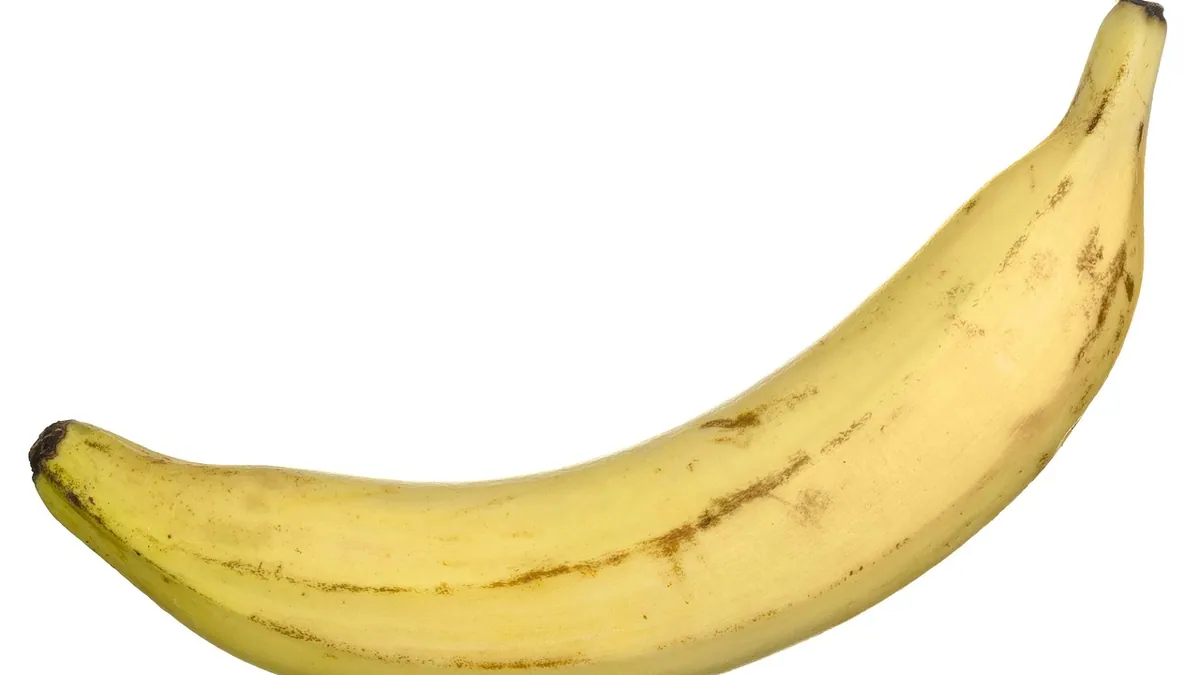
Can dogs eat plantains? Yes, if the plantain is fully cooked and plain. Raw, fried, or heavily seasoned plantains are not safe for dogs and often cause stomach upset. A few bite-sized pieces of boiled, baked, or steamed plantain can be a fine occasional treat for most healthy adult dogs.
This article is educational and is not a substitute for veterinary diagnosis or treatment.
Quick Answer
- Plain, fully cooked plantain is safe for most dogs in small amounts. Skip oil, salt, sugar, and spices.
- Raw plantain is hard to digest and can cause vomiting or diarrhea. Do not feed it.
- Fried plantains, tostones, and plantain chips are too greasy and salty for dogs. Some chip brands also contain garlic, onion, or xylitol, which are toxic.
- Treat plantain as a treat, not a meal. It should make up a small fraction of your dog's daily calories.
- Puppies can eat a tiny piece of plain cooked plantain, but their growing bodies need a complete balanced diet first.
Are Plantains Safe for Dogs?
Plain cooked plantain is safe for most healthy dogs. It is a starchy fruit that behaves more like a vegetable in the kitchen. When it is boiled, steamed, or baked with no added ingredients, the starch softens and becomes easier for a dog's digestive tract to handle.
The trouble starts with preparation. Raw plantain is firm and starchy, and dogs do not chew it well. Fried plantain brings oil, and many fried versions are salted. Plantain chips are the worst option because they combine frying, salt, and sometimes flavorings that are toxic to dogs.
There is one more thing to know. Plantain the fruit is not the same plant as plantain the herb (Plantago). The herb has been studied for immune effects in cancer research, including work with canine breast tumor cells [1]. That research does not mean the fruit has any cancer-fighting power in your dog. Do not confuse the two.
If you want to offer a plant-based treat, keep it simple and plain. The same rule applies to other produce, like the ones covered in our guide to Can Dogs Eat Berries Raw.
Can Dogs Eat Plantains Raw?
No. Raw plantain is not a good choice for dogs. The flesh is dense and high in resistant starch, which dogs digest poorly. A chunk can also lodge in the throat or esophagus, especially in small breeds and eager eaters.
Raw plantain is not toxic in the way that raw potato can be. Green potato skin and sprouts contain solanine, which is a real poison risk, as we explain in Can Dogs Eat Raw Potatoes? Solanine and Green Skin Warning. Plantain does not carry that same toxin. The problem with raw plantain is mechanical and digestive, not poisonous.
Signs after a raw plantain snack usually show up within a few hours. You may see vomiting, diarrhea, gas, or a dog who seems uncomfortable. If your dog swallowed a large piece whole, watch for gagging, drooling, or repeated swallowing, which can signal a blockage.
Can Dogs Eat Plantains Fried?
No. Fried plantains are not safe for dogs. Frying adds a large amount of fat, and a fatty meal can trigger pancreatitis in dogs. Pancreatitis is a painful inflammation of the pancreas that often needs veterinary care, fluids, and a low-fat diet during recovery.
Salt is the second problem. A dog's body does not handle excess sodium well. In large amounts, salt can cause vomiting, tremors, and in severe cases, neurologic signs. A single shared tostone is unlikely to poison a large dog, but repeated sharing adds up.
Some fried plantain dishes also include garlic or onion. Both damage red blood cells in dogs and can cause anemia. Garlic is more concentrated than onion, so even a small amount matters. If the plantain was cooked in a pan with garlic or onion, do not share it.
Can Dogs Eat Plantains Cooked?
Yes, cooked plantain is the safest form. Boiling, steaming, or baking with no oil, salt, butter, or sugar keeps it plain. Peel it first, cut it into small pieces, and cook until it is soft enough to mash with a fork.
Ripe plantains turn yellow and then black as their starch converts to sugar. A riper plantain is sweeter and softer, which makes it easier to chew. That extra sugar also means more calories, so keep the portion small either way.
Plain cooked plantain does not replace a balanced diet. It is a treat. If your dog has a sensitive stomach, introduce any new food slowly. A fresh, gently cooked diet can change stool quality and the gut microbiome in dogs, and those shifts can happen within weeks of a diet change [2]. That is one reason to keep new foods small and separate from your dog's main meals.
Can Puppies Eat Plantains?
Puppies can eat a small piece of plain cooked plantain, but it should be rare. Puppies have high nutrient needs and small stomachs. Filling them with starchy treats leaves less room for the balanced food they need to grow.
Start with a piece about the size of a pea for a small-breed puppy. Cut it small enough that it cannot block the airway. Watch for vomiting, diarrhea, or itching over the next day. If your puppy has never eaten plantain, one new food at a time is the safest approach.
Skip plantain entirely for puppies with a history of digestive problems, food allergies, or a prescription diet. Ask your veterinarian before adding any treat to a therapeutic plan.
Plantain Nutrition and Any Real Benefit
Plantain is a carbohydrate-rich fruit. It provides potassium, vitamin C, vitamin B6, and some fiber. Ripe plantain has more sugar, and green plantain has more resistant starch.
Those nutrients are real, but they are not a reason to feed plantain. Most complete dog foods already supply what your dog needs. A treat adds calories and a little nutrition, nothing more.
There is no evidence that plantain fruit treats or prevents any disease in dogs. Research on plantain herb polysaccharides looked at immune cells and tumor models, not at plantain fruit as a dog food [1]. Keep expectations realistic.
If you want to add produce for fiber or variety, choose dog-safe options and keep portions tiny. Our article on Can Dogs Eat Asparagus? Raw vs Cooked Digestibility covers another vegetable that needs the same careful preparation.
Risks of Feeding Plantains to Dogs
Choking and Blockage
Raw or undercooked plantain is firm. A large piece can lodge in the throat or travel into the stomach and cause an obstruction. Small dogs, flat-faced breeds, and dogs who gulp food are at higher risk.
Stomach Upset
Too much plantain, or any raw plantain, can cause vomiting, diarrhea, and gas. Starch that reaches the colon undigested ferments and pulls in water. That is the recipe for loose stool.
Fat and Pancreatitis
Fried plantain is high in fat. A fatty meal is a common trigger for pancreatitis. Signs include vomiting, a hunched posture, belly pain, and refusing food. This needs veterinary care, not home monitoring.
Salt
Salted plantain dishes and chips can push a dog's sodium intake too high. Severe salt poisoning causes tremors, stumbling, and seizures. It is a medical emergency.
Toxic Additives
Read labels if you feed any commercial plantain product. Watch for xylitol (a sugar alcohol that causes dangerous hypoglycemia and liver injury in dogs), garlic, onion, and onion powder. These are common in seasoned snacks and should never be given to a dog.
Calories
Plantain is calorie dense compared with many vegetables. Extra calories add up and can lead to weight gain over time. Treats should stay a small part of your dog's daily intake.
How to Prepare Plantain for Your Dog
- Choose a ripe or semi-ripe plantain. Wash it and peel it fully.
- Cut it into small cubes, about the size of a pea for small dogs and a thumbnail for large dogs.
- Boil, steam, or bake with no oil, butter, salt, sugar, or seasoning.
- Cook until soft. Mash it if your dog is a gulper or has dental problems.
- Cool it completely before serving.
- Offer one or two pieces the first time and wait 24 hours to see how your dog responds.
Form | Safe? | Notes
| Form | Safe? | Notes |
|---|---|---|
| Raw plantain | No | Hard to digest, choking risk, can cause GI upset |
| Boiled or steamed plain | Yes | Peel, cube small, no additives, small portions |
| Baked plain | Yes | No oil or salt, cook until soft |
| Fried plantains or tostones | No | High fat, often salted, pancreatitis risk |
| Plantain chips | No | Fried and salty, may contain xylitol, garlic, or onion |
| Plantain with sugar or syrup | No | Added sugar adds calories and stomach upset |
| Plantain cooked with garlic or onion | No | Garlic and onion damage red blood cells |
What If Your Dog Ate Too Much Plantain?
If your dog ate a large amount of plain cooked plantain, most cases are managed at home. Withhold other treats for the rest of the day. Offer fresh water. Watch for vomiting, diarrhea, or belly pain over the next 12 to 24 hours.
If your dog ate raw plantain, fried plantain, or a salted snack, the risk is higher. Call your veterinarian or a pet poison hotline right away. Have the amount, the form, and the time it was eaten ready. Do not wait for symptoms if a toxic ingredient like xylitol, garlic, or onion was involved.
If your dog is vomiting repeatedly, has a painful or bloated belly, is drooling, or is gagging, go to an emergency clinic now. These signs can point to pancreatitis or a blockage, and both need prompt care.
Safer Alternatives to Plantain
Plain cooked plantain is fine, but many other foods are easier and safer as everyday treats. Good options include:
- Plain cooked green beans
- Plain cooked carrot pieces
- Plain cooked sweet potato in small amounts
- Plain cooked pumpkin (not pie filling)
- A few plain blueberries or strawberries
Keep all treats plain and cut small. If you feed a commercial treat, check the label for xylitol, garlic, onion, and salt. For more on safe produce, see Can Dogs Eat Strawberry Tops Raw.
Avoid cooked bones of any kind. They splinter and can perforate the gut, as we explain in Can Dogs Eat Cooked Bones?.
Limitations and When to Contact a Veterinarian
This article gives general guidance. Your dog's age, weight, health conditions, and medications all change what is safe. Individual cases need a veterinarian who can examine your dog and review the full picture.
Call your veterinarian the same day if your dog ate fried plantain, plantain chips, or a dish cooked with garlic or onion. Also call if your dog has mild vomiting or diarrhea that started after eating plantain.
Go to an emergency clinic now if you see repeated vomiting, a distended or painful belly, gagging, difficulty breathing, tremors, stumbling, collapse, or seizures. These signs can indicate pancreatitis, a blockage, or salt poisoning.
Schedule a routine visit if your dog has had several mild reactions to new foods, has chronic digestive issues, or needs help choosing a balanced treat plan. A veterinarian can calculate a safe portion and rule out underlying disease.
Frequently Asked Questions
Can dogs eat plantain chips?
No. Plantain chips are fried and salted, and some brands add xylitol, garlic, or onion. These ingredients can cause serious harm. Choose a plain cooked plantain instead.
Is green plantain or ripe plantain better for dogs?
Ripe plantain is easier to chew and digest because the starch has softened. Green plantain is firmer and higher in resistant starch. If you offer any plantain, choose a ripe one and cook it until soft.
Can plantain help my dog's diarrhea?
No. Plantain is not a treatment for diarrhea. A bland diet and a veterinary exam are the right steps when a dog has loose stool. Some dogs get worse with starchy treats.
How much plantain can I give my dog?
There is no standard amount, because it depends on your dog's size and calorie needs. A small piece or two is enough for most dogs. Ask your veterinarian for a portion that fits your dog's diet.
Does plantain replace dog food?
No. Plantain is a treat and does not provide complete nutrition. A balanced commercial or home-prepared diet should supply the bulk of your dog's calories. Treats should stay a small part of the day.
Related Articles
- Can Dogs Eat Cooked Bones?
- Can Dogs Eat Berries Raw
- Can Dogs Eat Asparagus? Raw vs Cooked Digestibility
- Can Dogs Eat Strawberry Tops Raw
- Can Dogs Eat Raw Potatoes? Solanine and Green Skin Warning
- Can Dogs Eat Strawberry Trifle
- Can Dogs Eat Turnips? Raw, Cooked, and Greens Safety
- Can Dogs Eat Artichokes? Raw, Cooked, and Leaf Safety
- Can Dogs Eat Radishes? Raw, Cooked, and Leaf Safety
References
- A Polysaccharide From the Whole Plant of Plantago asiatica L. Enhances the Antitumor Activity of Dendritic Cell-Based Immunotherapy Against Breast Cancer. Frontiers in pharmacology, 2021.
- Impacts of a fresh-frozen dog food on fecal consistency and microbiome in colony dogs. Journal of animal science, 2026.