Can Dogs Eat Bird Seed? Risks and Safety
By Dr. Zubair Khalid, DVM, MS, PhD ·
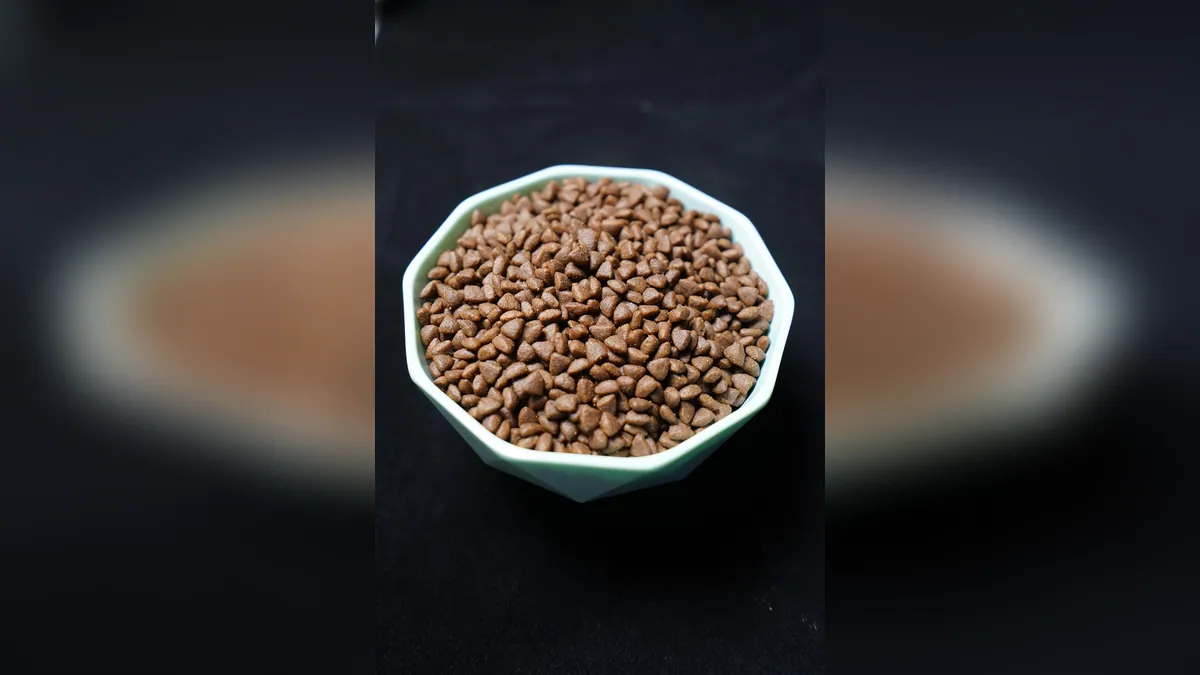
Can dogs eat bird seed mix? Yes, most bird seed is not toxic to dogs, so a small accidental snack is usually not an emergency. The bigger concerns are stomach upset, choking on shells, moldy seed, and high-fat suet or seed balls. This article is educational and is not a substitute for veterinary diagnosis or treatment.
Quick Answer
- Plain bird seed (millet, sunflower, safflower, cracked corn) is not toxic to dogs, but it is not food your dog needs.
- The main risks are vomiting, diarrhea, choking, and a blocked gut from eating a large amount of shells or whole seeds.
- Suet cakes and many seed balls are very high in fat and can trigger pancreatitis, which is a serious illness.
- Moldy seed can carry mycotoxins, which are harmful to dogs even when the visible mold is gone [1].
- If your dog ate a small amount of clean seed, watch for vomiting or diarrhea and call your vet if signs appear.
Is Bird Seed Safe or Unsafe for Dogs?
Bird seed is best described as not toxic but not safe in unlimited amounts. There is no ingredient in a basic seed mix that is a known dog poison. That means a dog who licks up a few seeds off the ground is unlikely to be in danger. The problem is quantity and what else is mixed in.
Bird seed is made for birds, not dogs. Birds crack shells and digest seeds efficiently. Dogs swallow seeds whole or chew them poorly. A large volume of seed and shells can sit in the stomach and intestines and cause irritation or a blockage. This is similar to what happens when dogs eat sand, where a study of 55 dogs found that 35% had radiographs consistent with a gastrointestinal obstruction and 47% needed hospitalization [2]. Bird seed is not sand, but the principle is the same. A bulky, indigestible load can cause real problems.
The other issue is what the seed is stuck to or mixed with. Suet, peanut butter, sugar, and flavorings are common. Some homemade seed balls also contain ingredients that are toxic to dogs, such as xylitol, raisins, or chocolate. Always read the label or ask the person who made it.
What Is in Bird Seed?
A typical mix contains millet, sunflower seeds, safflower, cracked corn, milo, and sometimes peanuts or dried fruit. These are plant foods. They contain fat, protein, carbohydrates, and fiber. None of that is poisonous to a dog.
The catch is that bird seed is not balanced for dogs. It is high in fat and low in the amino acids, vitamins, and minerals a dog needs. Feeding it regularly would unbalance a dog's diet and add unnecessary calories. There is no nutritional benefit to giving bird seed to a dog. If you want to give a seed treat, a plain unsalted sunflower seed or two is a better choice than a scoop of wild bird mix. For more on that, see Can Dogs Eat Sunflower Seeds? Shell Hazards and Fat.
Risks of Dogs Eating Bird Seed
Stomach Upset and Blockage
The most common problem is simple gastrointestinal upset. Seeds and shells are hard to digest. A dog who eats a handful may vomit or have diarrhea for a day. A dog who eats a whole bag or a large pile of shells can develop a blockage. Signs include repeated vomiting, drooling, refusing food, a painful belly, and no bowel movements. A blockage is a medical emergency and may need surgery.
Choking and Shell Hazards
Whole sunflower seeds and hard shells can get stuck in the throat. Small dogs and dogs who gulp food are at higher risk. Shells are sharp enough to irritate the mouth and throat. If your dog is gagging, pawing at the mouth, or having trouble breathing, treat it as an emergency.
Suet and Seed Balls Are High in Fat
Suet is rendered animal fat. Seed balls often mix seeds with suet, lard, or peanut butter. This is a very fatty food. A sudden high-fat meal is a common trigger for pancreatitis in dogs. Pancreatitis causes severe vomiting, abdominal pain, and lethargy, and it can be life threatening. A dog who eats a whole suet cake needs veterinary attention even if they seem fine at first.
Mold and Mycotoxins
Seed that has been outside in damp conditions can grow mold. Moldy grain can contain mycotoxins such as aflatoxin B1, deoxynivalenol, zearalenone, ochratoxin A, and fumonisins [1]. These compounds can harm the liver, kidneys, and immune system. A screening of commercial pet foods found that mycotoxin levels stayed below guidance limits in that testing, but that does not mean moldy bird seed is safe [1]. A dog who eats visibly moldy or musty seed should be seen by a vet.
Additives That Can Be Toxic
Some seed products and homemade mixes contain ingredients that are dangerous for dogs. Watch for xylitol (a sugar substitute that causes low blood sugar and liver failure), chocolate, raisins or grapes, garlic, onion, and heavy salt. Grape and raisin ingestion is a known cause of acute kidney injury in dogs, and a large study of emergency records found these exposures are common household toxicants [3]. If any of these are in the mix, call your veterinarian or a pet poison hotline right away.
Can Dogs Eat Bird Seed Balls or Suet?
Bird seed balls and suet cakes are the riskiest form. The seed itself is not toxic, but the fat content is the problem. A single suet ball can be a huge fat load for a small dog. Pancreatitis can develop within hours to a day or two after a fatty meal. Signs include vomiting, a hunched posture, belly pain, and not wanting to eat.
If your dog ate a suet ball or a large seed ball, call your vet the same day. Do not wait for symptoms. Early treatment with fluids and medication can prevent a mild case from becoming severe. If the ball also contained xylitol, chocolate, raisins, or onion, call immediately or go to an emergency clinic.
Can Dogs Eat Bird Seed in the Garden?
Seed that falls from feeders is a common snack for dogs. A few seeds here and there are usually harmless. The risk goes up when seed sits on wet ground for days. That seed can grow mold and bacteria. Dogs who graze under feeders repeatedly may get recurring stomach upset.
Rake up old seed and keep feeders out of your dog's reach. If your dog is a dedicated seed scavenger, use a tray under the feeder or switch to a no-mess blend. Watch for vomiting, diarrhea, or a drop in appetite. If those signs keep coming back, your dog may be eating more than you think.
Can Dogs Eat Bird Seed Shells?
Shells are the least useful part of the mix. They have no nutritional value for dogs and are hard to digest. A small number of shells will usually pass through. A large amount can clump in the stomach and cause irritation or a blockage. Shells can also scratch the mouth and throat.
If your dog ate a lot of shells, offer water and watch closely. Call your vet if your dog vomits more than once, seems painful, or stops eating. Do not try to make your dog vomit at home unless a veterinarian tells you to.
How to Offer Bird Seed Safely
The safest approach is to not offer bird seed as a treat at all. If your dog sneaks a small amount of clean seed, you usually do not need to panic. Here is how to lower the risk.
- Keep feeders, seed bags, and suet cakes out of reach. Use sealed containers.
- Clean up spilled seed in the yard, especially after rain.
- Check labels for xylitol, chocolate, raisins, grapes, garlic, onion, and added salt.
- Never give suet or seed balls as a treat.
- If you want a seed treat, choose plain unsalted sunflower seeds in small amounts.
- Introduce any new food slowly and in tiny portions.
Parts and Preparations to Avoid
Avoid suet cakes, seed balls, moldy or damp seed, seed with added sugar or salt, and any mix containing xylitol, chocolate, raisins, grapes, garlic, or onion. Avoid large amounts of shells. Avoid seed that has been sitting outside in the rain.
Safe Forms at a Glance
| Form | Safe? | Notes |
|---|---|---|
| Plain dry seed mix (small amount) | Usually not toxic | Can cause stomach upset and weight gain |
| Seed shells | Not recommended | Hard to digest, choking and blockage risk |
| Suet cakes | Avoid | Very high fat, pancreatitis risk |
| Seed balls with suet or peanut butter | Avoid | High fat, check for xylitol and chocolate |
| Moldy or damp seed | Avoid | Mycotoxin risk [1] |
| Seed with raisins, grapes, or chocolate | Dangerous | Kidney injury and other toxicities [3] |
What to Do If Your Dog Ate Too Much Bird Seed
If your dog ate a small amount of clean seed, give fresh water and watch for 24 hours. Mild stomach upset may settle on its own. Call your vet if vomiting or diarrhea starts, if your dog seems painful, or if your dog stops eating.
If your dog ate a large amount, a suet cake, a seed ball, or anything moldy, call your veterinarian or a pet poison hotline right away. Do not wait for symptoms. Bring the label or a photo of the product if you have it. Your vet will decide whether to induce vomiting, give activated charcoal, start fluids, or run blood work. The dose and treatment plan depend on your dog's weight and health, so your veterinarian will calculate that for you.
If your dog is gagging, struggling to breathe, collapsing, or having repeated vomiting with a painful belly, go to an emergency clinic now.
Safer Alternatives to Bird Seed
Dogs do not need seeds from a feeder. If your dog likes crunchy treats, there are safer options.
- Plain cooked chicken or turkey, no seasoning
- Small pieces of carrot, green beans, or cucumber
- A few plain unsalted sunflower seeds
- A slice of apple with the seeds and core removed, see Can Dogs Eat Apples? Seed Cyanide Risks & Portions
- A small piece of strawberry, see Can Dogs Eat Strawberries Seeds
- A seedless piece of watermelon without the rind, see Can Dogs Eat Watermelon? Safe Portions, Rind and Seed Risks
Keep treats to a small part of your dog's daily calories. If your dog has pancreatitis, diabetes, or a sensitive stomach, ask your vet before adding any new food.
Limitations and When to Contact a Veterinarian
This article covers general information only. Every dog is different. Your dog's size, health history, and the amount eaten all change the risk. A veterinarian who examines your dog can give you specific advice.
Contact your veterinarian the same day if your dog ate a suet cake, a seed ball, a large amount of seed or shells, or anything moldy. Also call if your dog has one or two episodes of vomiting, loose stool, or a mild decrease in appetite.
Go to an emergency clinic now if your dog has repeated vomiting, a swollen or painful belly, drooling, gagging, trouble breathing, collapse, or bloody diarrhea. These signs can mean a blockage, pancreatitis, or toxin exposure, and they need urgent care.
Frequently Asked Questions
Can dogs have bird seed as a regular treat?
No, bird seed should not be a regular treat. It is not toxic, but it is high in fat and not balanced for dogs. Regular feeding can cause weight gain and stomach upset.
Do dogs eat bird seed on purpose?
Some dogs eat bird seed because it is easy to find under feeders and tastes nutty. Others eat it by accident while sniffing the ground. Either way, the same risks apply.
Is a little bird seed dangerous for a small dog?
A small amount of clean seed is usually not dangerous for a small dog, but small dogs reach a risky dose faster. Watch for vomiting, diarrhea, or choking, and call your vet if you are unsure.
What if my dog ate bird seed with shells?
A few shells usually pass through, but a large amount can cause irritation or a blockage. Call your vet if your dog vomits, seems painful, or stops eating.
Can bird seed cause pancreatitis in dogs?
Yes, suet and fatty seed balls can trigger pancreatitis because of their high fat content. Signs include vomiting, belly pain, and lethargy, and they need veterinary care.
Related Articles
- Can Dogs Eat Sunflower Seeds? Shell Hazards and Fat
- Can Dogs Eat Apples? Seed Cyanide Risks & Portions
- Can Dogs Eat Strawberries Seeds
- Can Dogs Eat Watermelon? Safe Portions, Rind and Seed Risks
- Can Dogs Eat Apricots? Flesh Safety vs Pit Hazards
- Can Dogs Eat Duck? Fat Content and Rendering Safety
- Is Grass Seed Poisonous to Dogs? Lawn Seed Risks
- Can Dogs Eat Lychee? Fruit, Seeds, and Skin Safety
- Can Dogs Eat Chia Seeds? Daily Limits and Safe Mix-Ins
References
- In vitro immunotoxicity of important mycotoxins detected in commercial dry dog and cat food in relation to internal exposure. Mycotoxin research, 2026.
- Clinical Features, Medical Management, and Patient Outcomes Following Sand Ingestion in 55 Dogs (2018-2024). Journal of veterinary emergency and critical care (San Antonio, Tex. : 2001), 2026.
- A multicenter, retrospective, cross-sectional analysis of fresh and processed Vitis vinifera (grape) ingestion in dogs and cats. Frontiers in veterinary science, 2026.