Can Cats Eat Chia Seeds? Fiber and Gel Risks
By Dr. Zubair Khalid, DVM, MS, PhD ·
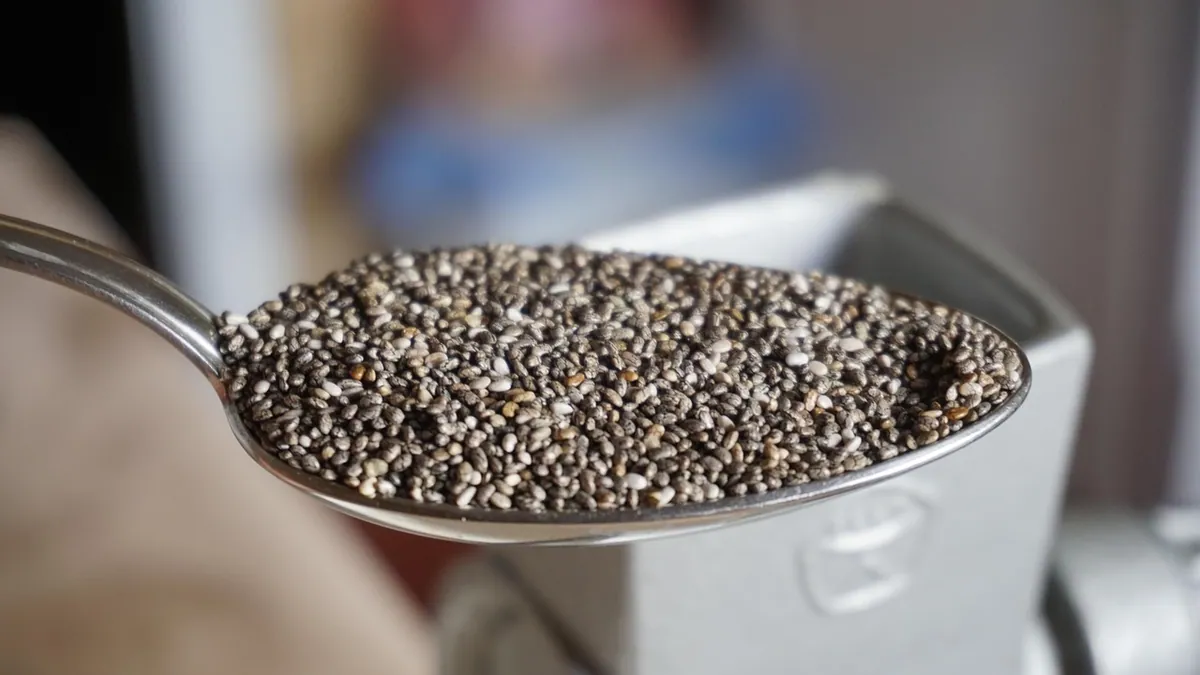
Can cats eat chia seeds? Technically yes, chia seeds are not toxic to cats, but that does not make them a good treat. The seeds absorb water and swell into a thick gel, which can choke a cat or cause a blockage, so most cats should not eat them at all.
This article is educational and is not a substitute for veterinary diagnosis or treatment.
Quick Answer
- Chia seeds are not poisonous to cats, but the gel they form is a real choking and blockage risk.
- A cat's body is built for meat, not seeds, so chia offers no nutritional need your cat cannot get from a complete cat food.
- If your veterinarian approves a tiny amount, it must be fully soaked, mixed into wet food, and never given dry.
- Never feed chia pudding, chia drinks, or any chia product containing xylitol, garlic, onion, salt, or added sugar.
- If your cat eats a large amount of dry chia or a sweetened chia product, call your veterinarian or a pet poison hotline right away.
Can Cats Eat Chia Seeds? The Short Answer
Chia seeds are not on any list of toxic foods for cats, so a single stray seed is unlikely to poison your cat. The problem is not toxicity. The problem is physics. Chia seeds can soak up many times their weight in liquid and turn into a slick, dense gel. In a cat's narrow throat and small intestine, that gel can lodge and swell.
Cats are obligate carnivores. They evolved to eat animal tissue, and their digestive tract is short and suited to protein and fat, not to fibrous seeds. A complete and balanced commercial cat food already meets your cat's needs, so chia adds risk without adding anything your cat requires.
There is one narrow, veterinary-supervised exception. A small case series described three middle-aged spayed female cats with idiopathic hypercalcemia who did not reach normal calcium levels after six weeks of diet change alone. Chia seeds were then used as a non-drug option in their management [1]. That is a specific medical scenario handled by veterinarians, not a reason to sprinkle chia on your cat's dinner.
What Is Actually in Chia Seeds?
Chia seeds contain fiber, plant-based omega-3 fat, protein, and minerals. In people, that profile supports heart and digestive health. In cats, the picture is different.
Cats cannot use plant omega-3 fat efficiently. They need preformed animal-based omega-3s, which come from fish or other animal sources. The protein in chia is plant protein, and it does not supply the amino acids a cat needs in the right balance.
Fiber is the one area where chia overlaps with real veterinary medicine. Dietary fiber can help manage certain gut problems in cats, including acute diarrhea, chronic diarrhea, hairball vomiting, and constipation [2]. That does not mean any seed from your pantry will do the job. The type, dose, and form of fiber matter, and your veterinarian picks the right one for your cat's condition.
Fiber also shifts the gut bacteria. In a study of healthy cats fed four prescription diets, a high soluble fiber diet was linked to a higher relative proportion of Streptococcaceae in the feces [3]. Gut bacteria respond to what you feed, and random supplements can push that balance in directions nobody intended.
Can Cats Eat Chia Seeds for Constipation?
This is the most common reason owners ask about chia. The logic sounds reasonable. Fiber helps constipation, chia is high in fiber, so chia should help. In practice, it can backfire badly.
A dry chia seed that reaches the stomach pulls water out of the surrounding contents and swells. If your cat is already dehydrated or not drinking well, that seed can steal fluid the colon needs and make stool harder, not softer. A clump of swollen seeds can also sit in the gut and cause a partial or complete obstruction.
If your cat is constipated, the safer path is a veterinary visit. Your veterinarian can check for dehydration, pain, megacolon, and other causes, then choose a fiber type and amount based on your cat's weight and health. Some cats with constipation need more fiber, and some need less or a different kind. Guessing with chia delays real treatment.
Can Cats Eat Chia Seeds in Water?
Soaked chia in water is less dangerous than dry chia because the gel has already formed outside the cat. It is still not a good idea to offer it freely.
A bowl of chia water is not hydrating in the way plain water is. The gel is thick and can be hard for a cat to swallow. Some cats will gulp it and gag. Others will lap a little and leave the rest, which then sits out and grows bacteria.
If your veterinarian has approved chia for your cat, they will tell you how to prepare it. The general safe method is to soak the seeds fully in plain water until they form a gel, then mix a very small amount into your cat's regular wet food so it is never eaten alone. Your veterinarian calculates the amount from your cat's weight and health, so follow their number, not a blog or a package label.
Can Cats Eat Chia Seeds Pudding?
No. Chia pudding is made for people, and it usually contains ingredients that range from unhelpful to dangerous for cats.
Common chia pudding recipes include milk or plant milk, sweeteners, vanilla, cinnamon, fruit, and sometimes chocolate. Chocolate is toxic to cats. Xylitol, a sugar alcohol used in some sweetened products, is dangerous to pets. Garlic, onion, and salt appear in savory chia blends and are all harmful to cats. Added sugar and dairy can cause stomach upset and diarrhea.
Even a plain, unsweetened chia pudding is a large gel mass. A cat that eats a bowl of it can choke or develop a blockage. Treat any chia pudding your cat gets into as a possible emergency, not a snack.
Can Kittens Eat Chia Seeds?
Kittens should not eat chia seeds. Their bodies are small, their throats are narrow, and their digestive tracts are still developing. A gel mass that a large adult cat might pass could obstruct a kitten.
Kittens also have high nutritional demands for growth. Every bite they take should come from a complete and balanced kitten food, not from a seed that provides no usable benefit. If a kitten eats chia, watch closely for gagging, retching, drooling, or vomiting, and call your veterinarian.
Do Cats Eat Chia Seeds on Their Own?
Most cats ignore chia seeds. They have no sweet taste response and little interest in seeds as food. A cat is more likely to bat a spilled pile around the floor than eat it.
The risk comes from accidental exposure. A bag left open on the counter, a dropped chia drink, or a bowl of pudding on a coffee table can all end up in a cat's mouth. Cats also groom the gel off their paws and coat after stepping in a spill, which means they can swallow it without ever choosing to eat it.
Keep chia products sealed and out of reach, and clean spills right away.
Risks of Feeding Chia Seeds to Cats
Choking and Blockage
This is the main danger. Dry chia swells fast once it meets moisture. A mass of seeds can block the esophagus or the intestine. Signs include gagging, retching, drooling, repeated swallowing, vomiting, a painful belly, and no bowel movement. A blockage is a surgical emergency in many cases.
Digestive Upset
Any new food can cause vomiting or diarrhea in a cat. A sudden fiber load can do the same, especially if your cat has a sensitive stomach or a chronic gut condition.
Added Ingredients
Plain seeds are one thing. Chia products are another. Check every label for xylitol, chocolate, garlic, onion, salt, and added sugar. Any of these can turn a mild exposure into a serious one.
No Real Benefit for Most Cats
For a healthy cat eating a complete diet, chia adds risk with no proven reward. The one documented use in cats was a specific hypercalcemia case series under veterinary care [1], not general wellness.
How to Offer Chia Safely (If Your Vet Approves)
Only feed chia if your veterinarian has told you to, and only in the form and amount they specify.
- Soak the seeds fully in plain water first. Never feed dry seeds.
- Mix the gel into your cat's normal wet food so it is not eaten alone.
- Start with the smallest amount your veterinarian recommends and watch for vomiting, diarrhea, or changes in appetite.
- Never leave a bowl of chia gel or chia water down for free feeding.
- Stop and call your veterinarian if any sign of stomach upset appears.
Forms of Chia: What Is Safe?
| Form | Safe? | Notes |
|---|---|---|
| Dry chia seeds | No | Swell in the throat and gut, high choking and blockage risk |
| Soaked chia gel alone | No | Thick gel can be hard to swallow and can obstruct |
| Soaked chia mixed into wet food | Only if your vet approves | Must be fully soaked and measured by your veterinarian |
| Chia pudding | No | Often contains chocolate, xylitol, sugar, dairy, or spices |
| Chia drinks and smoothies | No | Usually sweetened and can contain xylitol or other additives |
| Chia in a commercial cat food | Generally yes | Only if chia is part of a complete and balanced diet your vet recommends |
What to Do If Your Cat Ate Chia Seeds
If your cat ate a few dry seeds and is acting normal, call your veterinarian for advice and watch for gagging, drooling, vomiting, or straining to defecate. Do not wait for symptoms to get worse before making the call.
If your cat ate a large amount of dry chia, a chia pudding, or a chia product with xylitol, chocolate, garlic, onion, or salt, treat it as an emergency. Call your veterinarian or a pet poison hotline immediately. Do not induce vomiting unless a veterinarian tells you to.
Bring the packaging with you or have a photo of the label ready. The ingredient list and the amount eaten help your veterinarian decide on treatment.
Safer Alternatives to Chia
If you want to add fiber or moisture to your cat's diet, there are better options than chia.
- Plain cooked pumpkin or a veterinary fiber supplement, dosed by your veterinarian, is a common choice for constipation and hairball issues.
- Extra water in wet food supports hydration without any gel risk.
- A veterinary therapeutic diet matched to your cat's condition is the most reliable way to change fiber intake [2].
- For treats, small pieces of plain cooked meat are far closer to what a cat needs. If you are comparing options, see Can Cats Eat Rabbit Meat? Novel Protein and Bone Safety.
- For plant-based extras, some owners ask about other foods. Read Can Cats Eat Peas? Fiber & Commercial Cat Food and Can Cats Eat Watermelon? Hydration & Seed Hazards before offering anything new.
Limitations and When to Contact a Veterinarian
This article covers general information only. Your cat's age, weight, health conditions, and medications change what is safe, so individual cases need a veterinarian.
Call your veterinarian the same day if your cat ate chia and has mild drooling, one episode of vomiting, or a soft stool. Call an emergency clinic right away if you see repeated vomiting, gagging or retching with nothing coming up, a swollen or painful belly, straining with no stool, collapse, or any exposure to xylitol, chocolate, garlic, onion, or a large amount of dry chia.
Frequently Asked Questions
Are chia seeds toxic to cats?
No, chia seeds are not toxic to cats. The danger is mechanical, not poisonous. The seeds swell into a gel that can choke a cat or block the digestive tract.
Can I give my cat chia seeds for hairballs?
No, do not use chia for hairballs on your own. Fiber can help with hairball vomiting when a veterinarian chooses the right type and amount [2]. Chia is not a safe substitute for that guidance.
Will a few chia seeds hurt my cat?
A few dry seeds may pass without a problem, but you cannot predict how much they will swell or where they will lodge. Call your veterinarian and watch for gagging, drooling, vomiting, or straining.
Can my cat drink chia water?
No, chia water is not a safe drink for cats. The gel is thick, hard to swallow, and can obstruct. Plain fresh water is always the better choice.
What should I do if my cat ate chia pudding?
Call your veterinarian or a pet poison hotline right away. Pudding often contains xylitol, chocolate, sugar, or dairy, and the gel mass itself can cause a blockage.
Related Articles
- Can Cats Eat Peas? Fiber & Commercial Cat Food
- Can Cats Eat Spirulina? Heavy Metal and Algae Safety
- Can Cats Eat Watermelon? Hydration & Seed Hazards
- Can Cats Eat Peas? Fiber and Lectin Content
- Can Cats Eat Rabbit Meat? Novel Protein and Bone Safety
- Can Cats Eat Uncooked Hot Dogs? Risks and Safer Options
- Is Grass Safe for Cats to Eat? Cat Grass and Seeds
- Can Cats Eat Pumpkin Seeds? Raw, Salted, and Worms
- Can Cats Eat Sunflower Seeds? Shells and Safety
References
- Managing Feline Idiopathic Hypercalcemia With Chia Seeds (Salvia hispanica L.): A Case Series. Frontiers in veterinary science, 2020.
- Therapeutic Applications of Dietary Fiber: Managing Fiber-responsive Gastrointestinal Conditions in Dogs and Cats. The Veterinary clinics of North America. Small animal practice, 2026.
- Comparison of the effects of four commercially available prescription diet regimens on the fecal microbiome in healthy cats. The Journal of veterinary medical science, 2026.