Can Dogs Eat Watermelon? Safe Portions, Rind and Seed Risks
By Dr. Zubair Khalid, DVM, MS, PhD ·
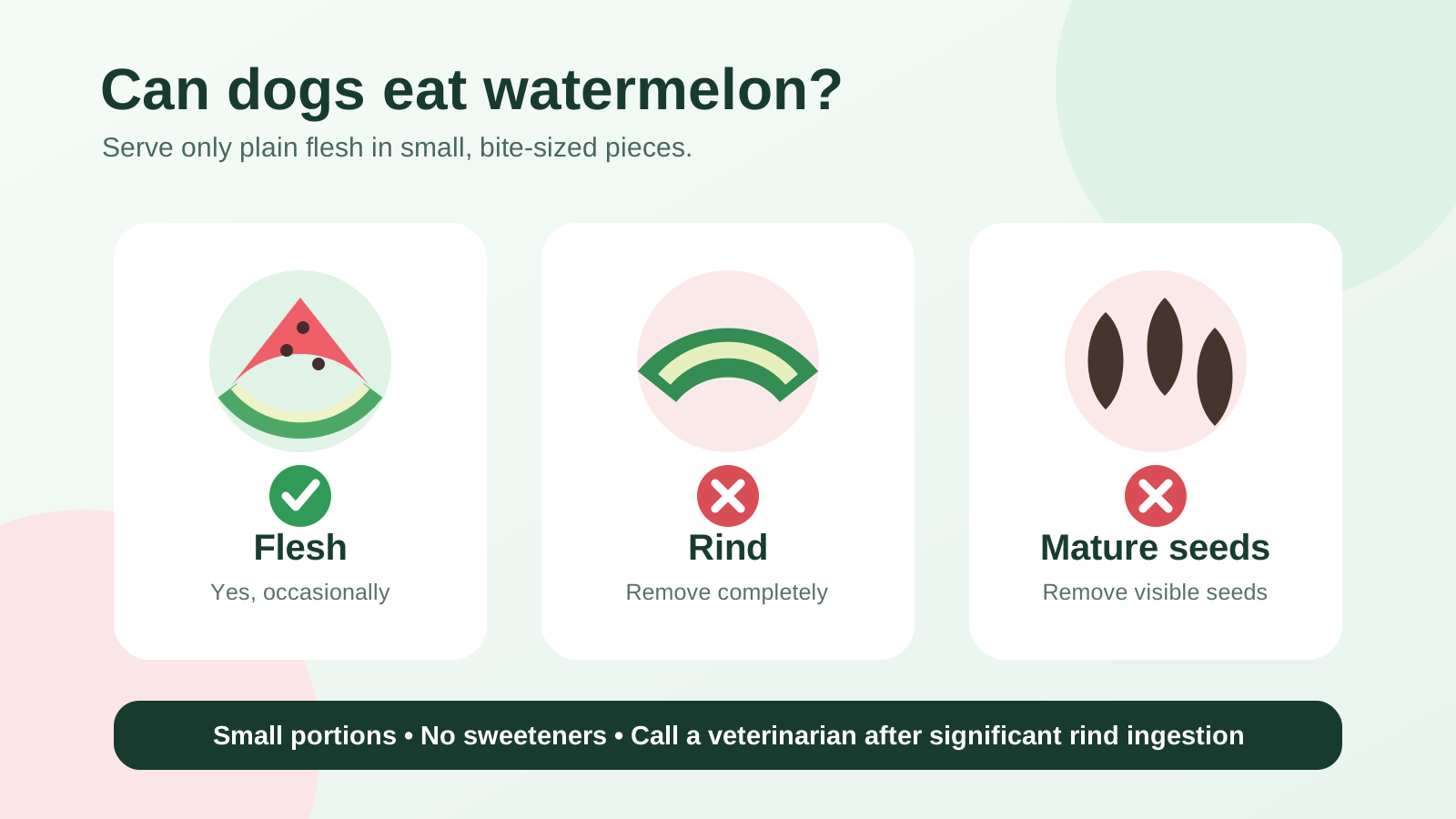
Key Takeaways
- Plain, ripe watermelon flesh is generally safe for most healthy dogs in moderation, serving as a low-calorie treat. The primary risks are choking and gastrointestinal upset from excessive consumption, not toxicity of the flesh itself.
- Watermelon rind and mature seeds pose significant mechanical risks; the rind is fibrous and can cause choking or intestinal obstruction, while numerous hard seeds can contribute to irritation or blockage.
- Processed watermelon products, including sugar-free varieties, are hazardous due to potential xylitol content, which can induce life-threatening hypoglycemia and liver injury in dogs.
- Portion control is critical, with treats ideally comprising less than 10% of a dog's daily caloric intake; initial servings should be conservative, especially for puppies or dogs with pre-existing gastrointestinal conditions.
- Symptoms of gastrointestinal obstruction, such as repeated vomiting, abdominal pain, lethargy, or inability to keep water down, necessitate immediate veterinary consultation, particularly after ingestion of rind or seeds.
Yes. Most healthy dogs can eat small amounts of plain, ripe watermelon flesh after the rind and mature seeds have been removed. Watermelon is not a necessary part of a dog's diet, but it can be an occasional low-calorie treat. The main concerns are not poisoning from the red flesh. They are choking, digestive upset from eating too much, and intestinal obstruction if a dog swallows a large piece of tough rind or many hard seeds.
Watermelon-flavored candy, gum, drinks, syrups, and other processed products are different. They may contain large amounts of sugar or ingredients that are unsafe for dogs. Sugar-free products are especially concerning because some contain xylitol, a sweetener that can cause life-threatening hypoglycemia and liver injury in dogs.
This guide explains which parts are safe, how to prepare watermelon, reasonable starting portions, what to do after accidental ingestion, and which symptoms require veterinary care.
Quick Answer: Watermelon Safety at a Glance
| Question | Practical answer |
|---|---|
| Can dogs eat watermelon flesh? | Yes, if it is plain, ripe, rind-free, and offered in moderation. |
| Can dogs eat seedless watermelon? | Yes. Remove the rind and any visible mature seeds before serving. |
| Are watermelon seeds poisonous? | No. Their main risks are choking and, when many are swallowed, obstruction. |
| Can dogs eat watermelon rind? | No. The rind is tough, difficult to digest, and may cause choking, vomiting, or intestinal blockage. |
| Can dogs drink watermelon juice? | Plain juice is not toxic, but it is easy to overfeed and provides sugar without the structure of a small fruit portion. Water is the better drink. |
| Can puppies eat watermelon? | A healthy, weaned puppy can try a tiny rind-free, seed-free piece, but puppies are more vulnerable to choking and dietary upset. |
| Is frozen watermelon safe? | Small, soft pieces can be used, but hard or oversized frozen chunks can damage teeth or become choking hazards. |
| Is watermelon good for hydration? | It contains a great deal of water, but it must never replace unrestricted access to fresh drinking water. |
Which Parts of a Watermelon Can a Dog Eat?
The word "watermelon" describes several tissues with very different textures. Treating the entire fruit as equally safe is the most common owner mistake.
Ripe flesh
The soft red, pink, or yellow flesh is the part that may be offered. It should be fresh, unseasoned, and cut into pieces appropriate for the dog's size. Yellow and orange-fleshed watermelon varieties follow the same general rule as red watermelon. Color does not make the fruit safer or more dangerous.
Watermelon flesh is mostly water. USDA FoodData Central lists raw watermelon at roughly 30 calories per 100 grams, although values vary with variety and ripeness. This makes a small serving less calorie-dense than cheese, peanut butter, biscuits, or many commercial treats. Low calorie density does not mean unlimited intake is safe. A large bowl still supplies sugar, fiber, and substantial food volume.
White inner rind and green outer rind
Dogs should not be given either part of the rind. The white inner rind may appear softer than the green skin, but it is still fibrous and much harder to break down than ripe flesh. A chewed rind can produce irregular pieces that lodge in the throat, stomach outlet, or intestine.
A large dog may pass a small fragment without difficulty, while a much smaller fragment can obstruct a toy-breed puppy. Risk therefore depends on the dog's body size, the size and shape of the swallowed piece, whether it was chewed, and whether the dog already has gastrointestinal disease. There is no reliable home calculation that proves a swallowed rind is safe.
Black or brown mature seeds
Mature seeds are not considered a chemical toxin. The concern is mechanical. One accidentally swallowed seed will usually pass through a healthy medium or large dog, but a cluster of hard seeds can contribute to gastrointestinal irritation or obstruction, particularly in a small dog.
Seedless watermelon may contain thin, pale, undeveloped seed coats. These are softer than mature black seeds and are generally less concerning. Even so, removing any visible mature seeds is a simple precaution.
Watermelon leaves, vines, and decorative pieces
Do not encourage a dog to chew the plant, rind decorations, skewers, toothpicks, plastic wrap, or fruit-container packaging. In real emergencies, the foreign material served with the fruit may be more dangerous than the watermelon itself.
Is Watermelon Healthy for Dogs?
Watermelon can fit as an occasional treat, but health claims should remain modest. A complete and balanced dog food is formulated to provide essential nutrients in appropriate proportions. A few cubes of fruit do not correct nutritional deficiencies, detoxify the body, prevent cancer, or substitute for a balanced diet.
Watermelon supplies water, small amounts of dietary fiber, potassium, carotenoids such as lycopene, and several vitamins. Dogs fed a complete diet generally do not need watermelon to obtain these nutrients. Dogs also synthesize vitamin C, so the vitamin C in watermelon is not usually a reason to add the fruit.
Its best practical advantages are simpler:
- It is relatively low in calories per gram.
- Many dogs find it rewarding.
- Small pieces can replace more calorie-dense treats.
- Its soft texture is easy to portion for many adult dogs.
- It can add variety for a healthy dog that tolerates fruit.
Watermelon is not a treatment for dehydration. A dog that is overheated, vomiting, experiencing diarrhea, refusing water, or showing signs of dehydration needs an assessment of the underlying problem. Fruit cannot replace free access to clean water or veterinary fluid therapy when that is required.
How Much Watermelon Can a Dog Eat?
There is no universal veterinary dose for watermelon. The appropriate amount depends on body size, daily calorie requirements, weight goals, medical conditions, usual diet, and the calories provided by every other treat.
The World Small Animal Veterinary Association advises that treats should generally remain below 10 percent of a pet's daily calorie allowance. The remaining calories should come from a complete and balanced diet. This is a ceiling for all treats combined, not a target amount of watermelon and not proof that any food is medically suitable for a particular dog.
For a healthy dog trying watermelon for the first time, begin well below that ceiling:
| Dog size | Conservative first serving | How to cut it |
|---|---|---|
| Under 10 lb or 4.5 kg | 1 teaspoon, about 1 or 2 tiny pieces | Pea-sized, soft pieces |
| 10 to 25 lb or 4.5 to 11 kg | 1 tablespoon | Small bite-sized pieces |
| 26 to 50 lb or 12 to 23 kg | 2 tablespoons | Pieces smaller than the dog's usual treat |
| 51 to 90 lb or 24 to 41 kg | About 1/4 cup | Several bite-sized pieces, not one large chunk |
| Over 90 lb or 41 kg | About 1/3 cup | Several manageable pieces |
These are cautious starting amounts, not daily prescriptions. A dog may need less or none. If the first serving causes loose stool, gas, vomiting, itching, or a change in appetite, stop feeding it.
The safest routine is occasional feeding, not an automatic daily serving. Frequent treats can quietly displace balanced food or interfere with weight loss, even when each individual treat appears small.
How to Prepare Watermelon Safely
- Wash the outside before cutting. The knife passes through the outer surface into the edible flesh. Washing reduces the transfer of dirt and contaminants.
- Cut away all green and white rind. Do not leave a rind "handle" for the dog to chew.
- Remove visible mature seeds. Seedless fruit is the easiest option.
- Cut the flesh into small, soft pieces. A dog that gulps food should receive smaller pieces than a dog that chews carefully.
- Offer one piece and observe. First exposure is not the time to fill a bowl.
- Refrigerate cut fruit promptly. Discard fruit that smells fermented, feels slimy, or has been left at room temperature for an unsafe period.
- Count it as a treat. Reduce other extras instead of adding watermelon on top of an already full treat allowance.
Plain watermelon is preferable to recipes. Do not add salt, sugar, chili seasoning, chocolate, sweetener, whipped cream, syrup, yogurt containing xylitol, or alcohol. Do not give fruit salad unless every ingredient has been checked. Grapes and raisins, for example, can cause acute kidney injury in dogs and should never be included.
Can Dogs Eat Frozen Watermelon?
Frozen watermelon can be offered, but the texture changes the risk. A thin, partially thawed piece is easier to manage than a large, rock-hard cube. Hard frozen pieces may be swallowed whole or may be unsuitable for dogs with dental disease, fractured teeth, or painful gums.
For a safer warm-weather treat, puree rind-free, seed-free flesh and freeze it in a thin layer or small flexible mold. Allow it to soften slightly before serving. Supervise the dog and keep the total portion modest. Frozen fruit cools the mouth but does not prevent heatstroke and is not an appropriate treatment for an overheated dog.
Can Puppies Eat Watermelon?
Healthy, weaned puppies can usually try a very small piece of ripe flesh. The same rules apply: no rind, no mature seeds, no sweeteners, and close supervision.
Puppies have small airways and intestines, often swallow quickly, and may develop diarrhea after a sudden diet change. A tiny soft piece is therefore more appropriate than a cube designed for an adult dog. Watermelon should not replace puppy food, training treats selected for a feeding plan, or water.
Do not introduce fruit to a puppy that is vomiting, has diarrhea, is failing to gain weight, is being treated for a gastrointestinal disorder, or is undergoing a veterinary diet trial unless the veterinarian approves it.
Which Dogs Should Avoid Watermelon?
Some dogs need individualized advice before receiving fruit.
Dogs with diabetes
Watermelon contains naturally occurring sugars. A small serving has a low calorie burden, but its carbohydrate content still matters in a carefully managed diabetic feeding and insulin schedule. Do not add it casually. Ask the veterinarian managing the dog's diabetes whether it fits the established diet.
Dogs with chronic gastrointestinal disease
Dogs with inflammatory enteropathy, a history of pancreatitis, exocrine pancreatic insufficiency, food-responsive disease, recurrent diarrhea, or previous intestinal surgery may be less tolerant of dietary changes. Watermelon is low in fat, but low fat does not guarantee gastrointestinal tolerance.
Dogs on elimination or prescription diets
An unplanned treat can invalidate an elimination diet and confuse interpretation of itching or digestive signs. Prescription diets may also be used for urinary, kidney, liver, gastrointestinal, or weight conditions. Check before adding extras.
Dogs that gulp food or have swallowing problems
Dogs with laryngeal disease, esophageal disorders, neurologic problems, poor chewing ability, or a history of choking should not be given chunks of fruit without professional guidance. Texture and piece size matter as much as ingredients.
Dogs with obesity
Watermelon is lower in calories than many treats, but it is still an extra. A veterinarian may recommend using part of the dog's measured daily kibble as rewards instead of adding any separate treat.
What Happens If a Dog Eats Too Much Watermelon?
The most likely result of overeating the flesh is gastrointestinal upset. Signs may include gas, abdominal noises, soft stool, diarrhea, reduced appetite, or vomiting. These signs are not unique to watermelon. They can also occur with infection, pancreatitis, parasites, dietary indiscretion, toxin exposure, or an intestinal foreign body.
If a dog ate only ripe flesh and remains bright, comfortable, and able to drink, remove additional treats and monitor closely. Do not withhold water. Contact a veterinarian if vomiting repeats, diarrhea is severe, blood appears, the abdomen becomes painful, the dog becomes lethargic, or signs do not resolve promptly.
Very large amounts can be especially troublesome in small dogs because food volume matters. Eating a large volume quickly also increases the chance of gagging, regurgitation, and vomiting.
What If My Dog Ate Watermelon Rind?
Do not assume that a dog must become ill before advice is useful. Call your veterinarian or an emergency veterinary hospital and provide:
- the dog's weight and age
- the approximate size and number of rind pieces
- whether the pieces were chewed or swallowed whole
- when the ingestion occurred
- any current symptoms
- relevant medical history
Do not induce vomiting, give hydrogen peroxide, administer oil, feed a bulky meal, or attempt another home remedy unless a veterinarian specifically instructs you. Bringing a swallowed object back through the esophagus can cause choking or aspiration, and inducing vomiting is unsafe in some dogs and circumstances.
A veterinarian may recommend home observation, examination, imaging, or early removal depending on the risk. Radiographs do not show every plant material foreign body clearly. Ultrasound or repeat imaging may be needed when symptoms and initial findings do not agree.
Symptoms of a gastrointestinal obstruction can develop hours or days after ingestion. Watch for repeated vomiting, inability to keep water down, loss of appetite, abdominal pain, a tense or enlarged abdomen, unusual posture, lethargy, reduced stool, straining, or collapse. A partial obstruction may produce intermittent signs instead of continuous vomiting.
When to Contact a Veterinarian or Seek Emergency Care
Seek urgent veterinary care for any of the following:
- difficulty breathing, blue or pale gums, frantic pawing at the mouth, or collapse
- repeated unproductive retching or a rapidly enlarging abdomen
- repeated vomiting or inability to keep water down
- severe abdominal pain or a rigid abdomen
- marked weakness, tremors, seizures, disorientation, or collapse
- bloody vomit or stool
- suspected ingestion of a large rind piece, skewer, toothpick, plastic, or packaging
- ingestion of a sugar-free watermelon product that may contain xylitol
If choking is suspected, travel to emergency care while calling ahead when possible. Do not blindly sweep inside the mouth, because this can push an object deeper or cause a bite injury.
Watermelon-Flavored Products Are Not the Same as Watermelon
Candy, gum, drink mix, electrolyte powder, syrup, gelatin desserts, frozen bars, baked goods, and supplements can contain ingredients absent from fresh fruit. Always read the complete ingredient list.
Xylitol deserves special attention. The US Food and Drug Administration warns that xylitol can trigger a rapid insulin release in dogs, causing a dangerous fall in blood glucose. Larger exposures can be associated with liver injury. Products described as sugar-free, low sugar, keto, or dental-friendly are more likely to contain sugar alcohols, although recipes change and labels must be checked each time.
Other concerns in processed products include chocolate, grapes or raisins, alcohol, caffeine, excessive sodium, high fat, and concentrated sugar. Watermelon flavor does not make a product dog-safe.
If a dog ate a product containing xylitol, contact a veterinarian or animal poison service immediately. Do not wait for symptoms.
Common Watermelon Myths
"Watermelon seeds contain cyanide"
Watermelon seeds are not managed like the pits of certain stone fruits. The concern for dogs is primarily their hard, indigestible structure, not cyanide poisoning. Removing mature seeds is still prudent because choking and obstruction risks are influenced by the dog's size and the number swallowed.
"Seedless means the whole slice is safe"
Seedless watermelon still has rind. Removing seeds does nothing to reduce the risk posed by a large piece of fibrous rind.
"Because watermelon is mostly water, a dog can eat as much as it wants"
High water content does not eliminate sugar, fiber, calories, choking risk, or the physical volume entering the stomach. Too much can cause diarrhea or vomiting.
"Watermelon prevents dehydration and heatstroke"
It may contribute a small amount of fluid, but it cannot replace drinking water, shade, rest, cooling, or veterinary treatment. Heatstroke is an emergency.
"A dog that passed rind once will always pass it"
Foreign-body outcomes are not predictable from a previous episode. A different piece can have a different size, shape, and location.
Frequently Asked Questions
Can dogs eat watermelon every day?
An occasional serving is a better default. Daily feeding may be acceptable for some healthy dogs if it fits the complete diet and total treat allowance, but there is no nutritional need to serve it every day.
Can dogs eat yellow watermelon?
Yes. Plain ripe yellow watermelon flesh is managed like red flesh. Remove the rind and mature seeds and start with a small portion.
Can dogs eat watermelon seeds?
One accidentally swallowed seed is unlikely to poison a dog. Remove mature seeds because many seeds can create choking or obstruction concerns, especially in small dogs.
Can dogs eat watermelon rind?
No. Do not offer the green skin or white rind. Contact a veterinarian after a significant accidental ingestion. Do not try to force vomiting at home.
Can watermelon cause diarrhea in dogs?
Yes. Large portions or sudden introduction can cause loose stool, gas, or vomiting. Stop feeding it and seek advice if signs are severe, persistent, bloody, painful, or accompanied by lethargy.
Can dogs have watermelon juice?
Plain unsweetened juice is not inherently toxic, but it is easy to consume quickly and is unnecessary. Commercial juice may contain added sugar, sweeteners, or other fruit ingredients. Fresh water is the appropriate routine drink.
Can diabetic dogs eat watermelon?
Only if the veterinarian managing the dog's diabetes approves it within the established feeding plan. Do not make an unscheduled diet change.
Is watermelon safe for cats?
The ripe flesh is not considered toxic to cats, but cats are obligate carnivores and do not need fruit. The rind, mature seeds, large pieces, and flavored products should be avoided.
Practical Bottom Line
For most healthy dogs, a small amount of ripe watermelon flesh is a reasonable occasional treat. Wash the fruit, remove every part of the rind, remove visible mature seeds, cut the flesh into small pieces, and introduce it gradually. Treats should remain a small fraction of the dog's daily calories.
The rind is the major physical hazard. A dog that swallowed a substantial piece needs case-specific veterinary advice, even if it currently appears normal. Processed watermelon products also require caution because sugar-free versions may contain xylitol.
This article is educational and is not a substitute for veterinary diagnosis or treatment. A veterinarian who knows the dog's health history and diet is the best person to advise whether watermelon belongs in that individual dog's feeding plan.
Related Articles
- Can Dogs Eat Blueberries?
- Can Dogs Eat Mango?
- Can Dogs Eat Pineapple?
- Xylitol Poisoning in Dogs
- Veterinary Medicine Knowledge Base
Related Clinical & Scientific Guides
- What Does It Mean When Your Dog Scratches Their Ears
- Why Was My Cat Choking
- Vet Approved Dog Ear Cleaner
References
- US Food and Drug Administration: Paws Off Xylitol, It Is Dangerous for Dogs
- World Small Animal Veterinary Association: Global Nutrition Guidelines and Toolkit
- USDA FoodData Central: Watermelon nutrient records
- Merck Veterinary Manual: Gastrointestinal Obstruction in Small Animals
- ASPCA Animal Poison Control: People Foods to Avoid Feeding Your Pets
- Pet Poison Helpline: Xylitol