Can Cats Eat Bird Seed? Risks of Wild Bird Food
By Dr. Zubair Khalid, DVM, MS, PhD ·
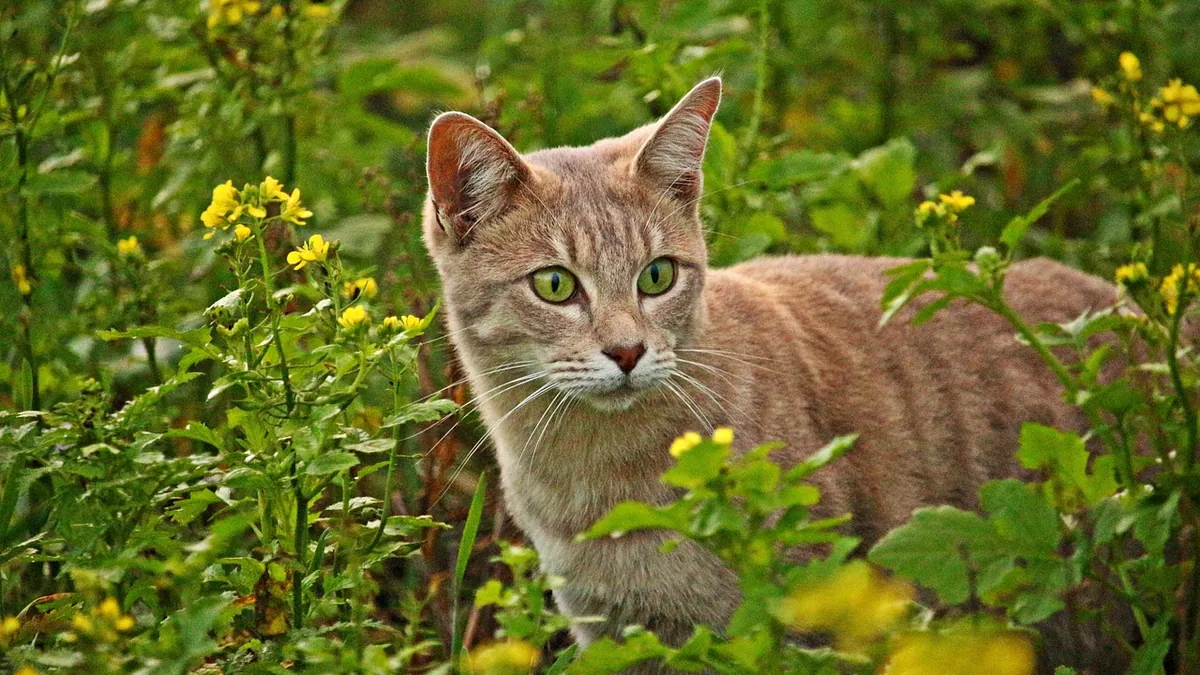
Can cats eat bird seed? Yes, a cat can eat bird seed without being poisoned by it, because the seeds themselves are not toxic to cats. The problem is that cats cannot digest bird seed well, and wild bird food can carry mold, mycotoxins, and additives that cause real harm. This article is educational and is not a substitute for veterinary diagnosis or treatment.
Quick Answer
- Bird seed is not toxic to cats, but it is not food for them either. It passes through largely undigested and can cause stomach upset.
- The bigger danger is contamination. Wild bird food has been found to contain aflatoxin B1 at 370 micrograms/kg in one sample of peanuts sold for wild birds [1].
- Cats are drawn to bird seed because it smells like prey, not because they need it. Bird feeders attract birds, and birds attract cats.
- Never offer bird seed that contains added salt, garlic, onion, xylitol, or other flavorings. Those additives are the toxic part, not the seed.
- If your cat ate a small amount of plain seed, watch for vomiting or diarrhea. If it ate a large amount or a flavored mix, call your veterinarian or a pet poison hotline the same day.
Can Cats Eat Bird Seed? The Short Answer
Bird seed is not poisonous to cats. That is the honest verdict, and it surprises many owners who panic after finding their cat in the feeder. The seeds are plant material, and cats are obligate carnivores. Their bodies are built to break down animal tissue, not grain hulls and millet.
So the seed is not the poison. The risk comes from three places: the seed coat itself, the mold and mycotoxins that grow on stored seed, and anything a manufacturer or homeowner adds to the mix. A cat that eats a tablespoon of plain millet off the ground will likely be fine. A cat that empties a moldy feeder or eats a suet cake loaded with salt is a different story.
If you are comparing this to other human foods your cat begs for, the same logic applies. Plain, unseasoned, single-ingredient foods are usually lower risk than mixed or processed ones. You can see that pattern in our guides to Can Cats Eat Turkey? Seasoning Hazards & Fat Content and Can Cats Eat Watermelon? Hydration & Seed Hazards.
Do Cats Eat Bird Seed? Why They Are Drawn to It
Cats eat bird seed for reasons that have nothing to do with nutrition.
Bird feeders are a concentrated hunting spot. Seed spills onto the ground, birds land to eat it, and your cat learns that the feeder equals prey. The seed itself may also carry the scent of birds, rodents, and other animals that have walked through it.
Some cats simply like the texture. Seeds are small, dry, and roll around, which makes them fun to bat and mouth. Others eat seed because it is sitting in a bowl next to their own food, or because a housemate is eating it.
There is also a medical reason to consider. Some cats eat non-food items because of anemia, gastrointestinal disease, or other underlying illness. If your cat suddenly starts eating seed, dirt, litter, or cardboard, mention it to your veterinarian.
Is Bird Seed Safe for Cats? Nutrition and Real Benefits
There is no nutritional benefit to feeding bird seed to a cat.
Bird seed mixes are built for seed-eating birds. They are high in carbohydrates and plant fiber, with small amounts of fat and protein. Cats need animal-based protein, taurine, arachidonic acid, and other nutrients that grain cannot provide. A cat could eat bird seed all day and still be malnourished.
The fiber in seed does not help cats either. Cats have a short digestive tract designed for meat. Large amounts of plant fiber can cause gas, bloating, and loose stool instead of the regularity owners hope for.
If you want to give your cat a safe treat, choose something designed for cats or a plain, cooked, unseasoned human food your veterinarian approves. Our article on Can Cats Eat Eggs explains how a simple protein food fits into a cat's diet.
Risks of Bird Seed for Cats
Indigestion and Gastrointestinal Upset
The most common problem is simple stomach upset. Seed hulls are abrasive and hard to break down. Eating a handful can lead to vomiting, diarrhea, or a few days of poor appetite.
Cats with sensitive stomachs, inflammatory bowel disease, or a history of pancreatitis may react more strongly. Older cats are also more likely to have underlying digestive disease, and their nutritional needs already differ from younger adults [2].
Choking and Blockage
Seeds are small, so choking is uncommon. A blockage is more likely when a cat eats a large volume of seed, hulls, or the string and mesh from a suet feeder. String and mesh are far more dangerous than the seed itself and often require surgery.
Watch for repeated vomiting, drooling, retching without producing anything, or a cat that will not eat. Those signs need same-day veterinary care.
Mold and Mycotoxins
This is the risk owners underestimate most.
Wild bird food is stored outdoors, in garages, and in feeders where it gets wet. Damp seed grows mold, and some molds produce mycotoxins. A survey of pet foods and wild bird food found aflatoxin B1 at 370 micrograms/kg in one sample of peanuts marketed for wild birds [1]. Most samples in that survey had no measurable mycotoxins, but the contaminated ones show what can happen when seed is stored poorly [1].
Aflatoxin is a liver toxin. Cats are also more sensitive to some mycotoxins than dogs. Laboratory work with feline blood cells found that cat cells were more susceptible to proliferation inhibition by deoxynivalenol and especially zearalenone than dog cells [3]. That does not mean every moldy seed will poison your cat. It means cats do not handle these compounds as well as we might assume.
Additives in Bird Food
Plain seed is one thing. Many products sold for birds are not plain.
| Form | Safe for cats? | Notes |
|---|---|---|
| Plain millet, sunflower, or mixed seed | Not recommended | Not toxic, but indigestible and can cause GI upset |
| Seed with added salt | No | Salt can cause sodium poisoning in cats |
| Seed with garlic or onion powder | No | Garlic and onion damage red blood cells in cats |
| Suet cakes with flavorings | No | High fat plus additives, risk of pancreatitis |
| Seed with xylitol | No | Xylitol is dangerous to pets |
| Moldy or damp seed | No | Risk of aflatoxin and other mycotoxins [1] |
| Sprouted bird seed | Not recommended | Sprouting raises mold risk, and the sprouts are still plant food |
Allergic Reactions Are Rare but Real
Bird seed can also trigger allergies in people, not cats. A case report described a 21-year-old man who developed asthma attacks while cleaning his budgerigar's cage. Testing showed a positive reaction to millet in the bird's seed mixture, with specific IgE antibodies against a 60-kd protein in the millet [4]. This is a human case, so it does not prove cats become allergic to seed. It does show that millet proteins in bird food are biologically active and can cause immune reactions when inhaled.
If anyone in your home has asthma or hay fever that flares around the bird feeder, that is worth mentioning to a doctor.
Can Cats Eat Wild Bird Seed? What Makes It Different
Wild bird seed is the same basic product as caged bird seed, with one difference that matters: it sits outside.
Outdoor seed gets rained on, sits in humid air, and is visited by wild birds, rodents, and insects. All of that raises the chance of mold growth and bacterial contamination. Wild bird food is also less likely to be stored in a sealed container indoors.
There is another angle. Cats that hunt or eat around wild birds can pick up parasites and bacteria. Cats are reservoirs for pathogens including Salmonella enterica, Campylobacter jejuni, and Toxoplasma gondii, and these can pass to people in the home, especially children [5]. A cat that patrols a bird feeder is not just eating seed. It is interacting with wildlife, and that has public health implications for your household [5].
Can Cats Eat Sprouted Bird Seed?
No, and this is one form to avoid completely.
Sprouting requires moisture and warmth, which is exactly what mold needs. Sprouted seed is more likely to carry mold and mycotoxins than dry seed. There is no nutritional upside for a cat, and the risk is higher than with dry seed.
The same caution applies to seed that has been sitting in a wet feeder tray or on damp ground.
How to Offer Bird Seed Safely (and What to Avoid)
The safest approach is not to offer bird seed at all. If your cat already got into some, focus on these steps.
- Remove the seed. Take the bowl, feeder, or spilled pile away and wipe the area.
- Check the seed. If it smells musty, looks clumped, or has visible fuzz, treat it as contaminated.
- Offer fresh water. Plain water helps if your cat ate a small amount.
- Do not induce vomiting unless a veterinarian tells you to.
- Do not give milk, oil, or home remedies. Those can make things worse.
- Call your veterinarian if the amount was large, the seed was moldy, or the mix contained additives.
Parts and preparations to avoid at all times:
- Suet cakes and seed bells with added fat, salt, or flavoring
- Seed treated with hot pepper, garlic, or other pest deterrents
- Seed stored in damp garages or open bins
- Feeder mesh, string, and plastic netting
- Any seed that has been outside in the rain
If your cat likes to nibble plants, redirect that behavior. Cat-safe options exist, and our guide to Can Cats Eat Catnip? Nepetalactone and Safe Use Guide explains one plant that is actually safe and enjoyable for many cats.
What to Do If Your Cat Ate Bird Seed
Stay calm and gather facts. How much did your cat eat? Was the seed plain or flavored? Was it dry or moldy? When did it happen?
If your cat ate a small amount of plain, dry seed and seems normal, watch it for 24 hours. Mild stomach upset may pass on its own.
Call your veterinarian or a pet poison hotline the same day if:
- Your cat ate a large amount of seed
- The seed was moldy, damp, or smelled musty
- The mix contained salt, garlic, onion, xylitol, or other additives
- Your cat is vomiting, drooling, or has diarrhea
- Your cat seems weak, wobbly, or unusually quiet
Go to an emergency clinic right away if your cat is having trouble breathing, collapses, has a seizure, or shows yellowing of the gums or eyes. Yellow gums can signal liver damage, which is a concern with aflatoxin exposure.
Your veterinarian will calculate any treatment dose from your cat's weight and health. Do not guess at a dose or give human medication.
Safer Alternatives to Bird Seed
If your cat wants to chew, crunch, or hunt, give it an outlet that does not involve bird food.
- Cat grass grown from a pet-safe kit
- Catnip or silver vine for cats that respond to it
- Food puzzles and treat balls that make your cat work for kibble
- Freeze-dried single-ingredient cat treats
- Plain cooked meat or egg approved by your veterinarian
For a fruit option, our article on Can Cats Eat Strawberries? Nutritional Benefits and Risks covers what is safe and what to limit.
You can also make the feeder less appealing. Hang it high and away from windows, use a baffle, clean up spilled seed daily, and store bird food in a sealed metal container indoors. If your cat is an indoor cat, a window perch with a view gives the entertainment without the access.
Limitations and When to Contact a Veterinarian
No article can tell you what is happening inside your cat. Individual cases need a veterinarian who can examine your cat, ask about the amount and type of seed, and run tests if needed.
Contact your veterinarian the same day if your cat ate moldy seed, a flavored mix, or a large volume, or if vomiting or diarrhea starts within a few hours.
Go to an emergency clinic now if you see difficulty breathing, collapse, seizures, yellow gums or eyes, severe weakness, or repeated unproductive retching.
Schedule a routine visit if your cat keeps seeking out bird seed, has lost weight, or has had loose stool for more than a day or two. A pattern of eating non-food items can point to an underlying medical problem that deserves a full workup.
Frequently Asked Questions
Can cats eat bird food without getting sick?
Most cats that eat a small amount of plain bird food will not get seriously ill, but many will vomit or have diarrhea. The seed is not toxic, so the main concern is stomach upset and, in rare cases, a blockage from eating a large amount. Moldy or flavored bird food is a bigger problem and needs a call to your veterinarian.
Is bird seed poisonous to cats?
Plain bird seed is not poisonous to cats. The danger comes from mold and mycotoxins such as aflatoxin, which can damage the liver, and from additives like salt, garlic, onion, and xylitol. Aflatoxin B1 has been detected in wild bird food, so storage and freshness matter a great deal [1].
Can cats eat sunflower seeds from a bird feeder?
Sunflower seeds are not toxic to cats, but they are high in fat and hard to digest. A few plain, unsalted seeds are unlikely to cause harm, while a large amount can trigger vomiting or diarrhea. Seeds with salt or flavoring should never be given.
What if my cat ate moldy bird seed?
Call your veterinarian or a pet poison hotline right away. Moldy seed can carry aflatoxin and other mycotoxins, and cats appear more sensitive to some of these compounds than dogs [3]. Do not wait for symptoms, because liver damage can develop before your cat looks sick.
How do I keep my cat out of the bird feeder?
Move the feeder out of your cat's reach, add a baffle, and clean up spilled seed every day. Store bird food in a sealed container indoors so it stays dry and mold-free. If your cat is indoor-only, offer a window perch, cat grass, or puzzle feeders instead.
Related Articles
- Can Cats Eat Turkey? Seasoning Hazards & Fat Content
- Can Cats Eat Watermelon? Hydration & Seed Hazards
- Can Cats Eat Eggs
- Can Cats Eat Catnip? Nepetalactone and Safe Use Guide
- Can Cats Eat Strawberries? Nutritional Benefits and Risks
- Can Cats Eat Venison? Wild Game Parasite Testing
- Can Cats Eat Sunflower Seeds? Shells and Safety
- Why Do Cats Kill Birds? Instinct and Safety
- Can Cats Eat Bugs? Crickets, Grasshoppers and Risk
References
- Determination of mycotoxins in pet foods sold for domestic pets and wild birds using linked-column immunoassay clean-up and HPLC. Food additives and contaminants, 1997.
- EXPRESS: What Goes in the Bowl? Evidence-Based Nutrition for Ageing Domestic Cats. Journal of feline medicine and surgery, 2026.
- In vitro immunotoxicity of important mycotoxins detected in commercial dry dog and cat food in relation to internal exposure. Mycotoxin research, 2026.
- Immediate-type respiratory allergy to millet-containing seed mixture of bird food. The World Allergy Organization journal, 2008.
- Pathogens Associated with Domestic Cats (Felis catus), Their Public Health Impact on Children, and Implications of Urban Management. Pathogens (Basel, Switzerland), 2026.