Can Cats Eat Pretzels? Salt, Peanut Butter, and Safety
By Dr. Zubair Khalid, DVM, MS, PhD ·
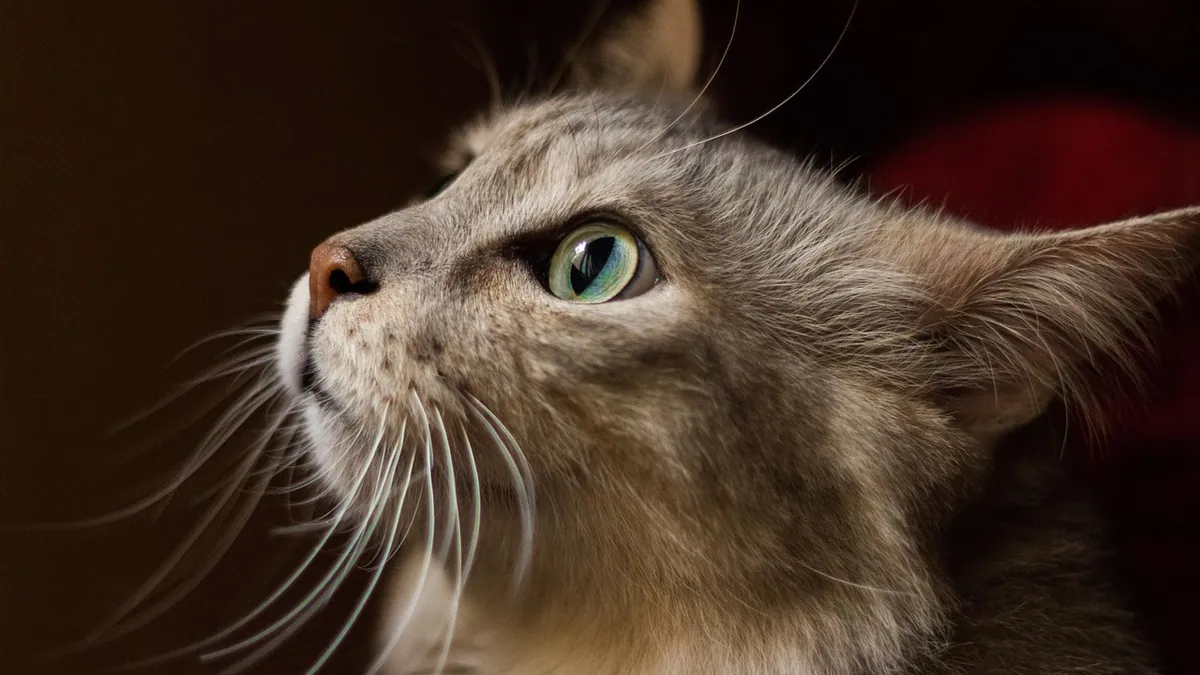
Can cats eat pretzels with salt? No. Pretzels are not toxic to cats on their own, but the salt, carbohydrates, and possible additives make them a poor choice, and some peanut butter varieties contain xylitol, which is dangerous. A plain lick or a dropped crumb is unlikely to cause harm, but pretzels should not be part of your cat's diet.
This article is educational and is not a substitute for veterinary diagnosis or treatment.
Quick Answer
- Plain salted pretzels are unsafe in any real quantity because of their sodium content, which can cause dehydration and digestive upset in cats [1][2].
- Unsalted pretzels remove the salt problem but are still mostly refined flour and starch, which cats cannot digest well.
- Peanut butter pretzels carry an extra risk because some peanut butter contains xylitol, a sweetener that is highly toxic to pets.
- One small crumb is usually not an emergency, but a whole pretzel or a handful warrants a call to your veterinarian or a pet poison hotline.
- The safest choice is to skip pretzels entirely and offer a cat-specific treat instead.
Are Pretzels Safe for Cats?
No, pretzels are not a safe treat for cats. They are made for people, and their main ingredients work against feline nutrition. A pretzel is mostly wheat flour, water, yeast, and salt, baked into a dense, chewy or crunchy shape. None of that matches what a cat needs.
Cats are obligate carnivores. Their bodies are built to process animal protein and fat, not large amounts of grain and starch. A bite of pretzel will not poison your cat the way a lily or antifreeze would, but it also provides nothing your cat needs. The real concern is the salt and the additives, not the dough itself.
The one exception is a single crumb that falls on the floor. That amount is too small to matter for most healthy adult cats. The trouble starts when a cat eats a whole pretzel, several pretzels, or a piece of a soft pretzel loaded with toppings.
Can Cats Eat Pretzels With Salt?
This is the core problem with pretzels, and the answer is no. Salt is necessary for cats in small amounts. It helps regulate hydration and electrolyte levels, just as it does in people [1][2]. The issue is quantity. A cat's body is not designed to handle the sodium load in human snack food [1].
When a cat takes in too much salt, the body pulls moisture from its tissues to dilute the sodium. That can lead to dehydration. From there, symptoms can escalate to vomiting, diarrhea, and in serious cases, kidney failure [1][2]. Organ damage can happen with both too much and too little salt, which is why the balance matters so much [2].
Pretzels are one of the saltier snack foods on the shelf. A standard serving can carry a meaningful share of a person's daily sodium, and a cat weighs roughly ten pounds. That size difference is why a snack that seems mild to you can be a large dose for your cat.
If your cat has eaten a significant amount of salt, they may develop salt poisoning. Watch for vomiting, diarrhea, lethargy, excessive thirst, tremors, or unsteadiness. These signs need veterinary attention right away [1].
Can Cats Eat Pretzels Without Salt?
Unsalted pretzels are less dangerous than salted ones, but they are still not a good treat. Removing the salt takes away the biggest acute risk, so a small piece is unlikely to cause sodium poisoning. What remains is a starchy, high-carbohydrate food with almost no nutritional value for a cat.
Cats have a limited ability to digest carbohydrates. A large amount of bread or pretzel can cause stomach upset, gas, and loose stool. Over time, frequent high-carb treats can contribute to weight gain, which raises the risk of other health problems.
There is also a urinary angle worth knowing. Diet plays a real role in urinary tract health, and what cats eat can influence urinary pH and the risk of stone formation [3]. Struvite stones in cats declined for years as commercial diets improved, but recent U.S. reports show an increase, which is a reminder that diet choices matter for the urinary tract [3]. Feeding random human snacks does not help that balance.
So unsalted pretzels are not toxic, but they are still a poor choice. If your cat sneaks one, watch for stomach upset. Do not make it a habit.
Can Cats Eat Pretzels and Peanut Butter?
No, and this combination is riskier than plain pretzels. Peanut butter pretzels add two concerns: the peanut butter itself and whatever is mixed into it.
The first concern is xylitol. Xylitol is a sugar alcohol used to sweeten some peanut butter and other low-sugar products. It is highly toxic to dogs and can cause dangerous drops in blood sugar and liver injury. Cats are thought to be less sensitive than dogs, but the risk is not worth taking, and there is no safe reason to feed it. Always read the label. If xylitol appears in the ingredients, keep that jar away from your cat.
The second concern is the peanut butter formula. Many brands add salt and sugar, which stacks more sodium on top of the pretzel's salt. Some also add chocolate, which is another toxin for cats. If you want to know more about peanut butter on its own, see Can Cats Have Peanut Butter? Risks and Healthier Alternatives.
If your cat ate a peanut butter pretzel, check the label first. If xylitol is listed, call your veterinarian or a pet poison hotline right away. If it is not listed, watch for vomiting, diarrhea, and lethargy, and call your vet if signs appear.
Can Kittens Eat Pretzels?
No, kittens should never eat pretzels. Kittens have smaller bodies and developing organ systems, so the same amount of salt that mildly upsets an adult cat can hit a kitten much harder. Their digestive tracts are also more sensitive, and a starchy snack is more likely to cause vomiting or diarrhea.
Kittens need calorie-dense, protein-rich food to grow. Every bite of pretzel replaces something their body actually needs. Keep human snacks away from kittens entirely, and teach children in the house not to share food with them.
Can Cats Eat Pretzel Sticks?
No, pretzel sticks are not a safe treat. They are the same basic recipe as other pretzels, just shaped differently, so the salt and carbohydrate concerns are identical.
Pretzel sticks do add one extra hazard: shape. A thin, hard stick can be a choking risk, especially for a cat who gulps food. It can also scratch the mouth or get stuck. Hard, crunchy foods are not a natural fit for a cat's teeth and jaw.
If your cat grabbed a pretzel stick, take it away gently and check the mouth for any pieces. Watch for coughing, gagging, or drooling, which can signal that something is stuck. If your cat is struggling to breathe or pawing at the mouth, treat it as an emergency.
Can Cats Eat Pretzel Bread?
No, pretzel bread is not a safe choice either. Soft pretzel bread and pretzel buns share the same base ingredients, and they often carry even more sodium than the hard snack version. Some are topped with coarse salt, which is a concentrated source of sodium.
Soft bread also tends to be dense and doughy, which makes it more likely to cause stomach upset or, in a large enough piece, a blockage risk. Toppings make it worse. Garlic, onion, cheese, and seasoned butter are common on pretzel bread, and garlic and onion are toxic to cats. Even small amounts of onion or garlic can damage red blood cells over time.
If your cat ate plain pretzel bread with no toppings, a small piece is unlikely to be serious. If it had garlic, onion, or a heavy salt topping, call your veterinarian for guidance.
Pretzel Forms at a Glance
| Form | Safe? | Notes |
|---|---|---|
| Salted hard pretzels | No | High sodium, can cause dehydration and digestive upset [1][2] |
| Unsalted hard pretzels | No | Lower acute risk, but high carb and no nutritional value |
| Peanut butter pretzels | No | Possible xylitol, plus added salt and sugar |
| Pretzel sticks | No | Same recipe, plus choking and mouth injury risk |
| Soft pretzel bread | No | Often saltier, doughy, and may have garlic or onion |
| A single plain crumb | Low risk | Too small to matter for most healthy adult cats |
What to Do If Your Cat Ate Pretzels
Stay calm and figure out what your cat actually ate. The amount and the type matter more than the fact that a pretzel was involved.
If your cat ate one small crumb of a plain or lightly salted pretzel, offer fresh water and watch for a few hours. Most healthy adult cats will be fine.
If your cat ate a whole pretzel, several pretzels, or anything with peanut butter, xylitol, garlic, or onion, call your veterinarian or a pet poison hotline. Have the package or label in front of you so you can read the ingredients and the sodium content.
Do not try to make your cat vomit unless a veterinarian tells you to. Inducing vomiting at home can cause its own injuries, and it is the wrong move for some exposures.
Watch for these signs after any pretzel ingestion: vomiting, diarrhea, drooling, excessive thirst, frequent urination, lethargy, tremors, wobbliness, or a racing heart. Salt toxicity can progress, so do not wait to see if it gets better on its own [1].
Safer Alternatives to Pretzels
Skip the snack aisle and reach for something built for cats. A few options that work well:
- A small piece of plain cooked chicken with no seasoning or salt.
- A bite of plain cooked fish, with no added salt. If you feed fish often, read Can Cats Eat Tuna With Salt first, because sodium and mercury both matter.
- A commercial cat treat made for your cat's life stage.
- A small spoon of plain, unsweetened pumpkin puree for fiber.
- A freeze-dried protein treat with a single ingredient.
If you want to share a savory snack, remember that salt is the recurring problem in human food. Cured and canned items like anchovies and hot dogs carry the same sodium concerns. You can read more in Can Cats Eat Anchovies? Sodium Overload and Omega-3 and Can Cats Eat Uncooked Hot Dogs? Risks and Safer Options.
Treats should stay a small part of the daily diet. If you are not sure how much is too much for your cat, ask your veterinarian. They can factor in your cat's weight, health conditions, and any prescription diet.
Limitations and When to Contact a Veterinarian
This article covers general information, not your specific cat. Individual cases need a veterinarian who can examine your cat, ask about the amount eaten, and check lab work if needed.
Call your veterinarian the same day if your cat ate a full pretzel or more, ate anything with peanut butter, or has mild vomiting or diarrhea that started after the snack.
Go to an emergency clinic now if your cat has repeated vomiting, severe diarrhea, tremors, wobbliness, collapse, trouble breathing, a racing heart, or seems confused. These can be signs of serious salt toxicity or another emergency [1].
Call a pet poison hotline right away if the label lists xylitol, garlic, onion, or chocolate. Have the ingredient list ready. Your veterinarian can calculate any needed treatment based on your cat's weight and health, so do not guess at doses or home remedies.
Frequently Asked Questions
Can a cat die from eating pretzels?
A single pretzel is very unlikely to be fatal for a healthy adult cat. The danger comes from large amounts of salt, which can cause dehydration, vomiting, diarrhea, and in severe cases kidney failure [1][2]. Small cats, kittens, and cats with kidney or heart disease are at higher risk.
Are pretzels toxic to cats?
Pretzels themselves are not toxic. The problem is the salt content and, in some versions, additives like xylitol, garlic, or onion. Plain dough is not poisonous, but it is still not a suitable food for a cat.
How much salt is too much for a cat?
There is no safe home dose to aim for. Salt needs vary with your cat's weight, diet, and health, and a veterinarian is the right person to assess that. The general rule is that human snack levels of sodium are too high for cats [1][2].
Will my cat get sick from one bite of a salted pretzel?
Probably not. One small bite is a tiny amount for most healthy adult cats, and serious salt poisoning usually requires a larger exposure. Offer water and watch for vomiting, diarrhea, or unusual tiredness over the next few hours.
What should I feed my cat instead of pretzels?
Offer a cat-specific treat, a small piece of plain cooked chicken, or a single-ingredient freeze-dried protein treat. These give your cat something enjoyable without the salt and starch load of a pretzel. Keep all treats to a small share of daily calories.
Related Articles
- Can Cats Have Peanut Butter? Risks and Healthier Alternatives
- Can Cats Eat Crab? Shell Hazards and Sodium
- Can Cats Eat Tuna With Salt
- Can Cats Eat Anchovies? Sodium Overload and Omega-3
- Can Cats Eat Uncooked Hot Dogs? Risks and Safer Options
- Can Cats Eat Hot Dogs
- Can Cats Eat Peanuts? Salt, Shells and Safety
- Can Cats Eat Saltines or Salty Food? Sodium Risks
- Can Cats Eat Crackers? Salt, Butter and Cheese Risks
References
- Can Cats Eat Salt. Pet Poison Helpline.
- Is Salt Bad for Cats. Pet Poison Helpline.
- Revisiting feline urinary tract health: the role of diet and acidifying agents in urolith prevention and long-term cat health. Journal of animal science, 2026.