Can Cats Eat Crackers? Salt, Butter and Cheese Risks
By Dr. Zubair Khalid, DVM, MS, PhD ·
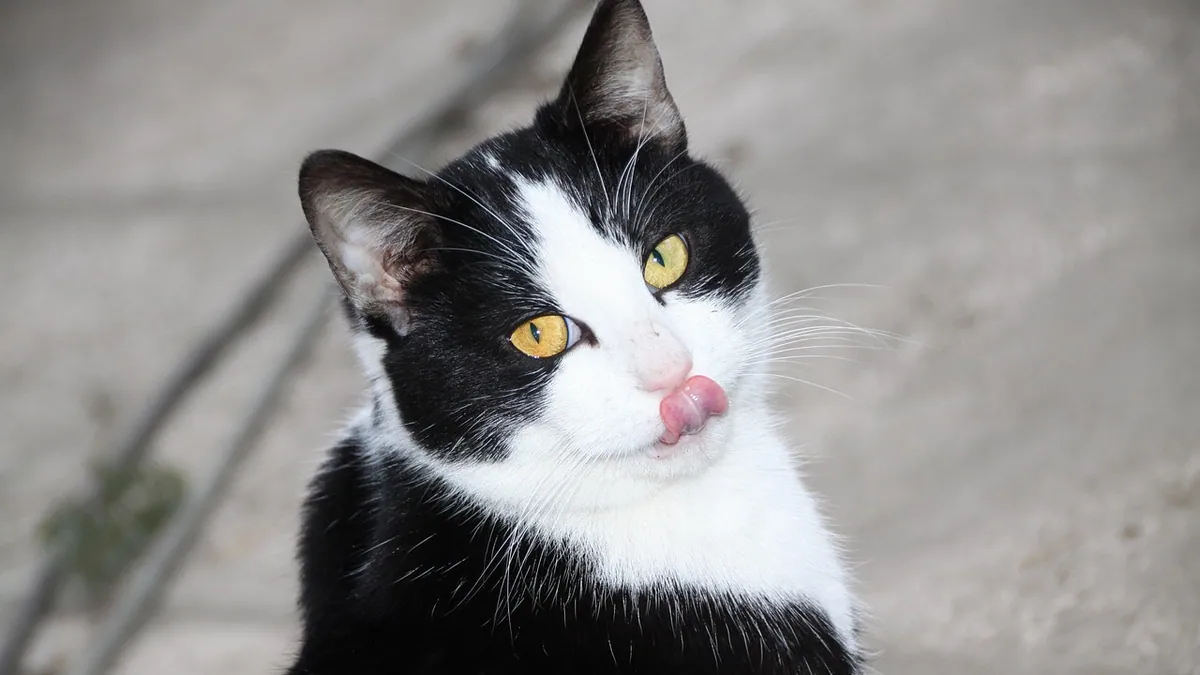
Crackers are not toxic to cats, so a single plain cracker usually causes no harm. The real problem is what rides along with the cracker, because salt, butter, and cheese add up fast in a small body. This article explains when a nibble is fine, when it is a bad idea, and what to do if your cat eats a lot. This article is educational and is not a substitute for veterinary diagnosis or treatment.
Quick Answer
- A small piece of plain, unsalted cracker is not poisonous, but it has no nutritional value for a cat.
- Salt is the main concern. Cats need some sodium, but too much causes dehydration, vomiting, diarrhea, and in severe cases kidney damage [1][2].
- Butter and cheese toppings add fat and lactose, which often trigger vomiting or diarrhea in adult cats.
- Never give crackers containing xylitol, garlic, onion, raisins, chocolate, or macadamia nuts.
- If your cat ate a large amount of salty crackers or a cracker with a toxic ingredient, call your veterinarian or a pet poison hotline right away.
Can Cats Eat Crackers? The Short Answer
Cats can physically eat crackers, and a plain cracker is not toxic. That does not make crackers a good treat. Cats are obligate carnivores, meaning their bodies are built to run on animal protein and fat, not on wheat flour and salt [3]. A cracker delivers almost nothing your cat needs and a few things it should limit.
Think about size. A 10 pound cat is roughly 1/15 the weight of a 150 pound adult. A handful of salty crackers that would be a light snack for you is a much bigger sodium load for your cat. That math is why portion size matters more for cats than for people.
The safest answer is simple. Skip crackers as a regular treat. If your cat steals one plain cracker off the floor, you probably do not need to panic. Watch for stomach upset and keep the box out of reach.
Salt in Crackers: Why It Matters for Cats
Salt, or sodium chloride, is not a poison by itself. Cats need sodium for hydration and electrolyte balance, just as people do [1][2]. Problems start when the amount is too high for the cat's body to handle.
When a cat takes in too much salt, the body pulls moisture out of tissues to dilute it. That can lead to dehydration. Signs of salt toxicity include vomiting, diarrhea, lethargy, tremors, excessive thirst, and in serious cases kidney failure [1][2]. Both too much and too little salt can damage organs, so the goal is a balanced diet, not a salt-free one [2].
Here is the tricky part. There is no simple cracker-to-cat safety number you can apply at home. The amount of sodium a cat can tolerate depends on its weight, its diet, and its health. Your veterinarian sets that limit for your individual cat.
Some research suggests cats handle sodium differently than other species. In one study, cats fed a high sodium chloride diet for 28 days showed no change in a kidney health marker called FGF23, which hints that cats may process sodium differently than dogs or people [4]. That finding does not mean salt is harmless. It means the long-term kidney effects of high salt in cats are still not fully understood, and it is not a green light to share salty snacks.
Cheese Crackers, Butter Crackers, and Other Toppings
Plain crackers are the least risky form. Most crackers people actually eat come with extras, and those extras are where the trouble lives.
Can Cats Eat Cheese Crackers?
Cheese crackers combine two problems, salt and dairy. Many adult cats are lactose intolerant, meaning they cannot digest the sugar in milk well. Cheese also carries its own sodium load, and hard aged cheeses are among the saltiest. A cheese cracker is a small package of salt, fat, and lactose, which is a recipe for loose stool or vomiting in a sensitive cat. For more on dairy, see Can Cats Eat Cheese and Can Cats Eat Parmesan Cheese? Salt and Lactase Deficiency.
Can Cats Eat Crackers With Butter?
Butter adds fat and a little lactose. A small amount of butter is not toxic, but fat is the issue. High-fat foods can trigger vomiting and diarrhea, and in cats with pancreatitis or a sensitive gut, even a small amount can cause a flare. If your cat has ever had a pancreatitis episode, keep butter away entirely. Read more in Can Cats Eat Butter? Fat Content and Lactose.
Can Cats Eat Cracker Jacks?
No. Cracker Jacks are caramel-coated popcorn with peanuts, and the coating is mostly sugar. Sugar offers no benefit to a cat and can upset the stomach. Peanuts are not toxic to cats, but they are a choking risk and a fat source. The bigger concern is the box itself. If a flavored or sugar-free version ever contains xylitol, that changes the picture. Xylitol is a well-known and dangerous dog poison that causes low blood sugar and liver failure. A controlled study in cats did not find the same effects, so xylitol is not considered highly toxic to cats the way it is to dogs. Even so, sugar-free products do not belong in a cat's diet, and a cat that eats a large amount should still be checked by a veterinarian.
Can Cats Eat Crackers From Lunchables?
Treat this as a no. Lunchables kits pair crackers with processed cheese, deli meat, and sometimes candy. Deli meats are high in sodium, processed cheese adds fat and lactose, and candy may contain chocolate or raisins, both of which are toxic to cats. There is no safe way to pick this apart at home. Keep the whole kit away from your cat.
Can Cats Eat Cracker Crumbs?
Crumbs are the same food in smaller pieces, so the same rules apply. A few plain crumbs are low risk. Crumbs from cheese, butter, or seasoned crackers carry the same salt and fat. Crumbs also scatter easily, which makes it hard to know how much your cat actually ate. If your cat licks up a pile of salty crumbs, treat it like any other salt exposure and watch for vomiting, diarrhea, or unusual thirst.
Form-by-Form Guide
| Form | Safe? | Notes |
|---|---|---|
| Plain unsalted cracker, small piece | Low risk | No nutritional value, occasional tiny piece only |
| Salted plain cracker | Avoid | Sodium adds up fast in a small cat [1][2] |
| Cheese cracker | Avoid | Salt plus lactose, common cause of GI upset |
| Butter cracker | Avoid | Added fat, can trigger vomiting or pancreatitis flares |
| Cracker with xylitol | Do not give | Well-known dog poison, still not a cat food |
| Cracker with garlic, onion, raisins, chocolate | Do not give | Toxic ingredients for cats |
| Cracker Jacks, Lunchables, flavored snack packs | Do not give | Sugar, salt, processed meat, possible toxins |
How to Offer a Cracker Safely
If you want to let your cat try a cracker, follow a few ground rules.
Pick the plainest cracker you can find, ideally unsalted and unflavored. Break off a piece no bigger than a pea. Offer it once and watch your cat for the next 24 hours. If your cat vomits, has diarrhea, or seems off, do not offer another.
Never let a cracker replace part of your cat's regular diet. Cats have specific nutrient needs, and a balanced commercial cat food is designed to meet them. Treats of any kind should stay a small fraction of daily calories, and your veterinarian can tell you the right number for your cat's weight and health.
Keep crackers in a closed container your cat cannot open. Many cats will happily chew through a bag left on the counter.
What to Do If Your Cat Ate Too Many Crackers
If your cat ate a large amount of salty crackers, act the same day. Call your veterinarian or a pet poison hotline. Have the package nearby so you can read the ingredient list and sodium content.
Watch for these signs of salt toxicity, which can appear within hours: vomiting, diarrhea, drinking far more than usual, urinating more, weakness, wobbling, tremors, or collapse [1][2]. These are emergency signs. Go to a veterinary emergency clinic right away.
If the cracker contained xylitol, garlic, onion, raisins, chocolate, or macadamia nuts, call immediately even if your cat seems fine. Some poisonings cause delayed signs, and early treatment works better.
Do not try to make your cat vomit at home unless a veterinarian tells you to. Do not give milk, oil, or home remedies. Fresh water is fine to offer, but do not force your cat to drink.
Safer Alternatives to Crackers
Cats do not need crackers. They need meat. If you want a treat your cat can actually use, choose one of these.
- A small piece of plain cooked chicken or turkey with no seasoning, no onion, and no garlic.
- A bite of plain cooked fish, such as salmon or tuna packed in water, in small amounts.
- A commercial cat treat formulated for cats, given in the amount on the label.
- A small piece of plain cooked egg.
- Freeze-dried meat treats made for cats.
For dairy-based treats, most cats do better without them. If you are set on sharing cheese, read Can Cats Eat Cheese? Lactose Intolerance Symptoms and Can Cats Eat Cream Cheese? Dairy Fat and Additive Risks first.
Limitations and When to Contact a Veterinarian
This article gives general guidance, not a diagnosis. Every cat is different, and your veterinarian is the only one who can assess your cat's weight, diet, and health conditions.
Call your veterinarian the same day if your cat ate a large amount of salty crackers, a cracker with a toxic ingredient, or a whole package of snack food. Call right away, day or night, if you see vomiting, diarrhea, tremors, wobbling, collapse, heavy drinking, or a cat that seems weak or confused. These can be signs of salt toxicity or another emergency [1][2].
Schedule a routine visit if your cat has repeated stomach upset after treats, if you are unsure how much salt is safe in your cat's diet, or if your cat has kidney disease, heart disease, or pancreatitis. Your veterinarian can set a sodium limit and a treat plan for your cat's specific needs.
Frequently Asked Questions
Are crackers toxic to cats?
No, plain crackers are not toxic to cats. The risk comes from salt, butter, cheese, and added ingredients like xylitol, garlic, or chocolate. A small piece of plain cracker is low risk, but it still offers no nutritional benefit.
What happens if my cat eats a salty cracker?
One salty cracker is unlikely to cause a problem in a healthy cat. A large amount can cause dehydration, vomiting, diarrhea, and in severe cases kidney damage. Watch for heavy drinking, wobbling, or weakness and call your veterinarian if you see them.
Can cats eat crackers with peanut butter?
Peanut butter is not toxic to cats, but it is high in fat and often contains added sugar and salt. A tiny lick is low risk, but it can cause stomach upset in some cats. Skip it if your cat has a sensitive gut or a history of pancreatitis.
Do cats like the taste of crackers?
Most cats are not drawn to crackers because cats cannot taste sweetness and prefer meat-based flavors. Some cats will chew crackers out of curiosity or because of the texture. Liking them does not mean they are good for your cat.
How many crackers can a cat eat?
There is no safe number that applies to every cat. The limit depends on your cat's weight, diet, and health, and your veterinarian sets it. The safest approach is to treat crackers as a rare tiny nibble or skip them entirely.
Related Articles
- Can Cats Eat Cheese
- Can Cats Eat Cream Cheese? Dairy Fat and Additive Risks
- Can Cats Eat Parmesan Cheese? Salt and Lactase Deficiency
- Can Cats Eat Butter? Fat Content and Lactose
- Can Cats Eat Cheese? Lactose Intolerance Symptoms
- Can Cats Eat Crab? Shell Hazards and Sodium
- Can Cats Eat Popcorn? Butter, Salt and Kernel Hazards
- Can Cats Eat Bread and Butter? Risks of Fat and Dairy
- Can Cats Eat Saltines or Salty Food? Sodium Risks
References
- Can Cats Eat Salt. Pet Poison Helpline.
- Is Salt Bad for Cats. Pet Poison Helpline.
- Serum Metabolomics Reveals Impaired Fatty Acid Oxidation and Elevated One-Carbon Demand in Cats Fed a Low-Protein Diet Compared with a Low-Fat or Low-Carbohydrate Diet. The Journal of nutrition, 2026.
- High Intake of Sodium Chloride for 28 Days Causes No Effect on Serum FGF23 Concentrations in Cats. Animals : an open access journal from MDPI, 2022.