Can Cats Eat Saltines or Salty Food? Sodium Risks
By Dr. Zubair Khalid, DVM, MS, PhD ·
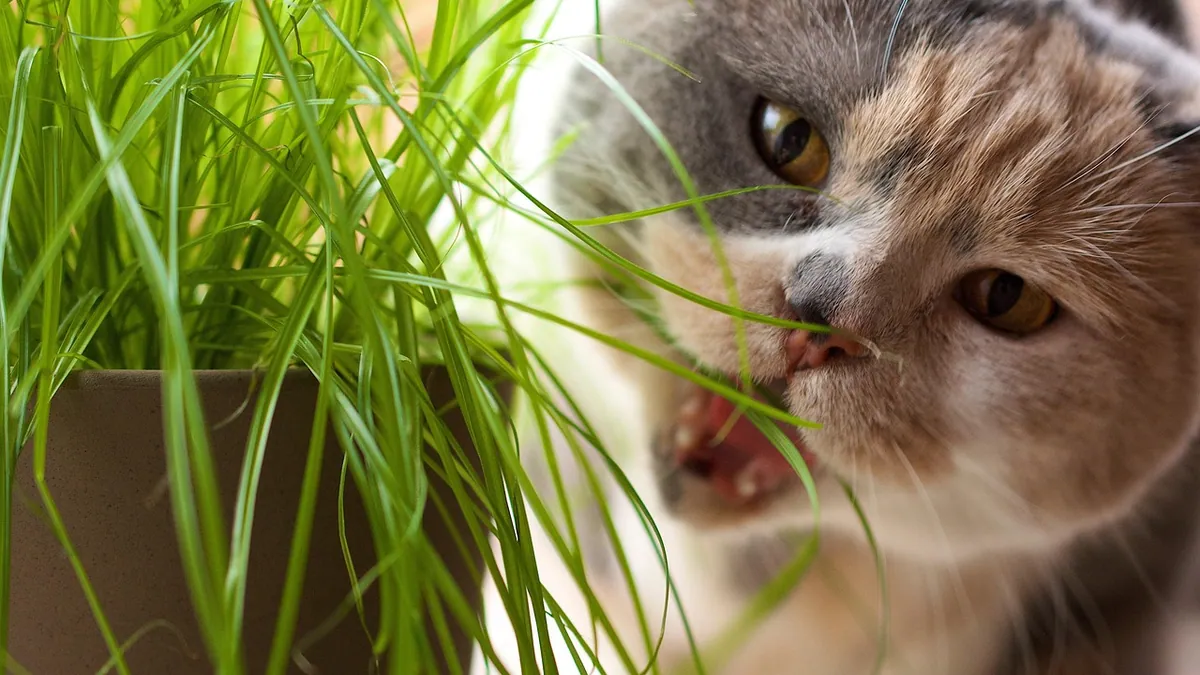
Can cats eat saltines? No. Saltines and other salty human foods are not safe for cats because the sodium content can quickly add up to a dangerous dose. A single cracker is unlikely to be fatal, but repeated salty snacks or a large amount of salt can cause serious problems.
This article is educational and is not a substitute for veterinary diagnosis or treatment.
Quick Answer
- Do not feed your cat saltines, chips, pretzels, salted nuts, or salted meat.
- Salt is a required nutrient for cats, but the amount they need is small and comes from a complete cat food [1][2].
- Too much salt can cause dehydration, vomiting, diarrhea, and kidney problems in cats [1][2].
- If your cat ate a large amount of salt or salty food, call your veterinarian or a pet poison hotline right away.
- Plain cooked meat with no salt, seasoning, onion, or garlic is a safer occasional treat.
Are Saltines Safe for Cats?
Saltines are not safe for cats. They are made for people, and their main problem is sodium. A cat's body needs only a small amount of salt to work properly, and that need is already met by a balanced commercial cat food [1][2]. Adding salty crackers on top of a complete diet pushes sodium intake higher than a cat's system is designed to handle.
There is also no nutritional reason to give a cat a saltine. Cats are obligate carnivores, which means they are built to get their nutrition from animal tissue, not from wheat flour and salt. A saltine offers calories and sodium with no benefit a cat actually needs.
Can Cats Eat Saltine Crackers in Small Amounts?
A tiny crumb is unlikely to harm a healthy adult cat, but "small amounts" is a risky way to think about it. The trouble is that cats are small, so a portion that looks minor to you can be a meaningful sodium load for them. If you have a cat with heart disease, kidney disease, or high blood pressure, even a small salty snack can work against their treatment plan.
The safest answer is to skip saltines entirely. If your cat already ate one, watch for signs of stomach upset and call your vet if you are worried.
How Much Salt Is Too Much for a Cat?
There is no safe at-home dose of salt you can calculate yourself. The amount that causes poisoning depends on your cat's weight, health, and how much water they drink. Your veterinarian calculates any sodium limit based on your individual cat, so never try to work out a "safe" salt dose on your own.
What is clear is the direction of the risk. When a cat takes in too much salt, the excess pulls moisture out of the body and can cause dehydration. From there, more serious problems can develop, including vomiting, diarrhea, and kidney failure [1][2]. Organ damage can happen with too much salt and with too little salt, which is why sodium balance matters [2].
The Dose Problem With Human Snacks
Human snack foods are not portioned for cats. A handful of salted chips or a few slices of salted meat can carry far more sodium than a cat should get in a day. Because the toxic amount varies by cat, the practical rule is simple: keep salty human food away from your cat.
Signs of Salt Poisoning in Cats
Salt poisoning, also called sodium toxicity, can cause unpleasant signs and in rare cases death [3]. A cat may first try to fix the problem by drinking fresh water. If that does not help, the signs can get worse [3].
Watch for these signs after your cat eats salt or salty food:
- Vomiting
- Diarrhea
- Dehydration
- Drinking large amounts of water
- Weakness or wobbliness
- Tremors or seizures
- Trouble breathing
- Collapse
Common sodium poisoning signs include vomiting, diarrhea, and neurologic problems, and the condition can progress quickly [3]. Do not wait to see if it passes on its own.
Can Cats Eat Salty Food Like Salted Meat?
No. Salted meat is one of the worst choices for a cat. Cured and salted meats are loaded with sodium, and many also contain garlic, onion powder, or other seasonings that are toxic to cats. Garlic and onion damage red blood cells and can cause anemia, and the risk is higher when a cat eats them repeatedly.
If you want to share meat with your cat, choose plain, unseasoned, fully cooked meat. Even then, keep it to a small piece and count it as a treat, not a meal. For more on safe and unsafe seafood choices, see Can Cats Eat Tuna With Salt and Can Cats Eat Crab? Shell Hazards and Sodium.
What About Salted Butter, Bacon, and Deli Meat?
These are all high-sodium foods, and bacon and deli meat often carry added nitrates, smoke flavor, and spices. None of them belong in a cat's bowl. If your cat licks a bit of butter off your finger, that is usually not an emergency, but it should not become a habit.
Salt in Cat Food Is Not the Same as Table Salt
It can be confusing to hear that salt is dangerous when cat food labels list sodium. The difference is the amount and the balance. Commercial cat foods are formulated so the sodium level supports normal hydration and electrolyte function without overwhelming the body [1][2].
Research in healthy cats has looked at higher-salt diets over long periods. In one five-year study, healthy aged cats fed a high-salt dry diet showed no significant diet effect on changes in glomerular filtration rate or blood pressure [4]. In shorter studies, adding sodium chloride to the diet increased water intake and urine volume and lowered the risk of certain urinary crystals in both dogs and cats [5]. Another study found that high sodium chloride intake for 28 days did not change a kidney health marker called FGF23 in cats [6].
These findings are about carefully controlled diets made for cats, not about sharing your crackers. They do not mean it is safe to hand your cat salty human food.
How to Offer Treats Safely
If you want to give your cat a treat, keep these rules in mind.
- Choose plain, unseasoned, fully cooked meat in a small piece.
- Avoid anything with salt, garlic, onion, xylitol, or added seasoning.
- Keep treats to a small part of your cat's daily calories.
- Never leave salty snacks where your cat can reach them.
- Offer fresh water at all times.
Parts and Preparations to Avoid
Avoid the following:
- Saltines, chips, pretzels, popcorn with salt or butter, and salted nuts
- Bacon, ham, sausage, hot dogs, and deli meat
- Cured or smoked fish and salted dried fish
- Anything cooked in salted butter or seasoned with garlic or onion powder
- Sugar-free gum, candy, and baked goods that may contain xylitol
Xylitol is a well-known dog poison that causes dangerous low blood sugar and liver failure. A controlled study in cats did not find the same effects, so it is not considered highly toxic to cats the way it is to dogs. Even so, sugar-free products do not belong in a cat's diet.
A Quick Safety Table
| Form | Safe? | Notes |
|---|---|---|
| Plain saltine cracker | No | High sodium, no nutritional value for cats |
| Salted chips or pretzels | No | High sodium and often seasoned |
| Salted meat (bacon, ham, deli) | No | High sodium, often garlic or onion |
| Table salt | No | Can cause sodium poisoning |
| Plain cooked chicken or turkey | Yes, in small amounts | No salt, no seasoning, no onion or garlic |
| Plain cooked salmon | Yes, in small amounts | Fully cooked, no seasoning, watch bones |
For more on fish choices, see Can Cats Eat Sardines? Omega 3 Benefits & Sodium Limits and Can Cats Eat Salmon? Cooked vs Raw Thiaminase Risks.
What to Do If Your Cat Ate Too Much Salt
Act quickly. Call your veterinarian or a pet poison hotline right away if your cat ate a large amount of salt, salty food, or rock salt. Do not wait for signs to appear, because sodium toxicity can worsen fast [3].
Do not try to make your cat vomit unless a veterinarian tells you to. Do not force your cat to drink large amounts of water, because that can cause its own problems. Offer fresh water and keep your cat calm while you get advice.
If your cat is having seizures, trouble breathing, or has collapsed, treat it as an emergency and go to the nearest veterinary hospital now.
Safer Alternatives to Saltines
Your cat does not need crackers. If you want to reward your cat, try these instead:
- A small piece of plain, fully cooked chicken or turkey
- A small piece of plain, fully cooked salmon
- A commercial cat treat made for cats
- A bit of your cat's regular food used as a reward
- Playtime with a wand toy or a food puzzle
For cats with kidney disease, your veterinarian may recommend a specific renal diet. Palatability matters for these diets, and a study of healthy cats found that acceptance varied, with some cats eating less of a renal diet than others [7]. If your cat is picky about a prescribed diet, talk to your vet about options instead of adding salty toppers.
Limitations and When to Contact a Veterinarian
This article gives general guidance, not a diagnosis. Every cat is different, and individual cases need a veterinarian who can examine your cat and review its history.
Contact your veterinarian the same day if your cat ate a saltine or a small amount of salty food and you are unsure what to do. Go to an emergency clinic now if your cat has vomiting, diarrhea, weakness, tremors, seizures, trouble breathing, or collapse after eating salt or salty food.
Schedule a routine visit if your cat has a history of heart disease, kidney disease, or high blood pressure and you are worried about sodium in its diet. Your vet can review your cat's food and treats and set a plan that fits your cat's health.
Frequently Asked Questions
Can cats eat saltine crackers without getting sick?
A single small crumb is unlikely to cause serious harm in a healthy cat, but saltines are still not a safe treat. They add sodium your cat does not need, and repeated salty snacks can lead to dehydration and stomach upset. Keep them out of reach.
Can cats eat salty food like chips or pretzels?
No. Chips, pretzels, and similar snacks are high in sodium and often coated with seasonings that can irritate a cat's stomach. A large amount can cause sodium poisoning, which is a medical emergency. Offer a plain cat treat instead.
Can cats eat salted meat?
No. Salted and cured meats are high in sodium and often contain garlic or onion, which are toxic to cats. Even a small piece adds salt your cat does not need. Choose plain, unseasoned, fully cooked meat if you want to share a treat.
How long after eating salt would a cat show signs?
Signs can appear within hours, but the timing depends on how much salt your cat ate and how much water it drank. Some cats show vomiting or diarrhea first, while others become weak or wobbly. If you suspect salt poisoning, call your vet right away instead of waiting.
Is salt in cat food dangerous?
No. Salt is a necessary nutrient, and complete cat foods are made with the right amount for normal body function. The danger comes from extra salt in human foods, not from a balanced cat diet. If you are unsure about your cat's food, ask your veterinarian.
Related Articles
- Can Cats Eat Crab? Shell Hazards and Sodium
- Can Cats Eat Tuna With Salt
- Can Cats Eat Sardines? Omega 3 Benefits & Sodium Limits
- Can Cats Eat Parmesan Cheese? Salt and Lactase Deficiency
- Can Cats Eat Salmon? Cooked vs Raw Thiaminase Risks
- Can Cats Eat Anchovies? Sodium Overload and Omega-3
- Is Salt Toxic to Cats? Garlic Salt and Sodium Risks
- Can Cats Eat Crackers? Salt, Butter and Cheese Risks
- Can Cats Eat Tortilla Chips? Salt and Lime Risks
References
- Can Cats Eat Salt. Pet Poison Helpline.
- Is Salt Bad for Cats. Pet Poison Helpline.
- Sodium Poisoning Symptoms in Dogs and. Pet Poison Helpline.
- Long-term safety of dietary salt: A 5-year ProspEctive rAndomized bliNded and controlled stUdy in healThy aged cats (PEANUT study). Journal of veterinary internal medicine, 2024.
- Increasing dietary sodium chloride promotes urine dilution and decreases struvite and calcium oxalate relative supersaturation in healthy dogs and cats. Journal of animal physiology and animal nutrition, 2020.
- High Intake of Sodium Chloride for 28 Days Causes No Effect on Serum FGF23 Concentrations in Cats. Animals : an open access journal from MDPI, 2022.
- Acceptance and Preference of a Commercial Dry Renal Diet in Healthy Cats: An In-Home Proof-of-Concept Trial. Journal of animal physiology and animal nutrition, 2026.