Can Cats Eat Tangerines or Oranges? Citrus Safety
By Dr. Zubair Khalid, DVM, MS, PhD ·
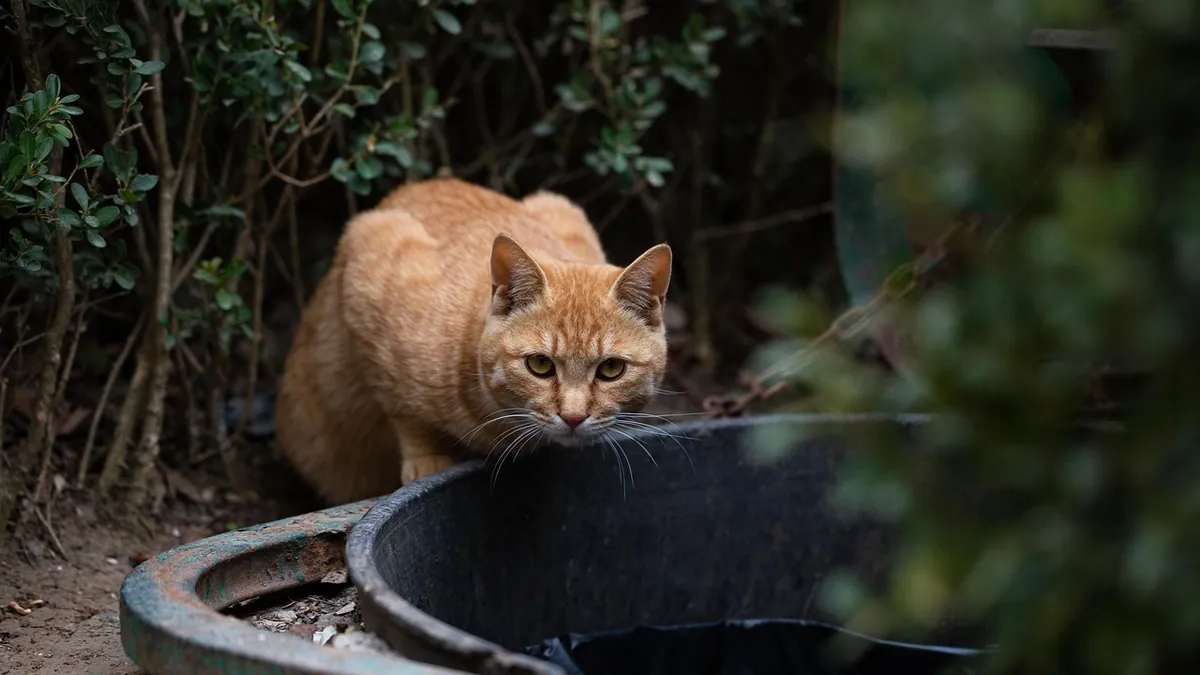
Can cats eat tangerines? A small piece of the flesh is usually harmless for most adult cats, but tangerines are not a food cats need. The peel, leaves, stems, and any product made with citrus essential oil are the real problem, because those parts carry oils that cats cannot process well.
This article is educational and is not a substitute for veterinary diagnosis or treatment.
Quick Answer
- Plain tangerine or orange flesh, with seeds and peel removed, is not toxic to cats in small amounts. Most cats will not eat it anyway.
- The peel, pith, leaves, and stems contain citrus essential oils (limonene and linalool) that can cause drooling, vomiting, and wobbliness in cats.
- One dropped segment is rarely an emergency. A chewed peel, a pile of leaves, or citrus essential oil is a bigger concern.
- Cats are obligate carnivores. They have no nutritional need for fruit, and citrus adds sugar and acid without benefit.
- If your cat ate peel, leaves, or oil, call your veterinarian or a pet poison hotline right away. Do not wait for symptoms.
Can Cats Eat Tangerines or Oranges? The Short Answer
Tangerines and oranges are not toxic fruits for cats the way grapes or lilies are. The flesh is mostly water, sugar, and a little vitamin C. A cat that licks a dropped segment or eats a small piece is usually fine.
The trouble starts with the parts you do not eat. Citrus peel and leaves are loaded with essential oils. Cats have a limited ability to break down many plant compounds, including those oils, so a small exposure that would barely affect a person can upset a cat.
There is also a naming trap. "Tangerine impatience" is a common name for Impatiens plants, which the ASPCA lists as non-toxic to cats and dogs [1]. That plant has nothing to do with the fruit. If you searched "tangerine" and landed on a plant toxicity list, you may have the wrong entry.
What Is in a Tangerine?
A tangerine segment is roughly water, natural sugars, fiber, vitamin C, and small amounts of potassium and folate. That sounds healthy for people. For a cat, it is mostly empty calories.
Cats evolved to eat meat. They cannot make certain amino acids and vitamins on their own, so they need animal protein and fat in their diet. Fruit sugar and fruit acid do not fill any gap in a cat's nutrition.
There is one place citrus shows up in cat food research. A study of kittens fed a fiber blend that included dried citrus pulp found normal growth and fecal measures linked to gastrointestinal health over 150 days [2]. That is citrus pulp used as a fiber ingredient in a complete diet, not a tangerine off your counter. It does not mean you should feed your cat fruit.
Are Tangerines Safe for Cats?
A small piece of flesh is generally safe. The rest of the fruit is not.
| Form | Safe? | Notes |
|---|---|---|
| Flesh (no peel, no seeds) | Usually safe in tiny amounts | One small piece is enough. Most cats refuse it. |
| Peel and pith | No | Concentrated essential oils. Can cause drooling, vomiting, and wobbliness. |
| Leaves and stems | No | Same oils as the peel. Keep houseplants and fruit bowls out of reach. |
| Seeds | No | Choking risk and possible blockage. Remove them. |
| Juice | No | Sugar and acid with no benefit. Can upset the stomach. |
| Essential oil (diffuser, topical, candle) | No | Highly concentrated. Cats are very sensitive to inhaled and topical oils. |
| Canned mandarin in syrup | No | Added sugar. Check for xylitol in sugar-free products. |
| Marmalade or baked goods | No | Sugar, sometimes raisins, sometimes xylitol. |
Can Cats Have Tangerines? What About Kittens?
Kittens should not eat tangerines at all. Their digestive tracts are small and still developing, and their bodies handle new foods poorly. A kitten that eats peel or leaves can get sick faster than an adult cat because of body size.
For adult cats, think of tangerine flesh as a rare taste test, not a treat. If your cat steals a segment, watch for stomach upset and offer fresh water. If your cat eats peel, leaves, or anything with citrus oil, treat it as a possible poisoning and call for advice.
Can Cats Eat Tangerine Peels or Leaves?
No. This is the part of the fruit that causes most citrus calls to veterinarians.
The peel holds the oil glands. That is why it smells so strong and why it sprays when you bend it. Those oils, mainly limonene and linalool, are the same compounds used in citrus cleaners and aromatherapy. Cats that groom the oil off their fur swallow it. Cats that breathe it in can drool, cough, or act dull.
Signs of citrus oil poisoning in cats include:
- Drooling and lip smacking
- Vomiting or retching
- Diarrhea
- Wobbling, stumbling, or trouble walking
- Tremors or muscle twitching
- Lethargy or hiding
- Drooling with no interest in food
- Skin redness or irritation where oil touched the coat
These signs can start within minutes to a few hours. Severity depends on how much oil the cat took in and how small the cat is. There is no safe home remedy for oil exposure. Do not induce vomiting unless a veterinarian tells you to.
Other Risks Owners Miss
Choking and blockage. A whole segment, a seed, or a chunk of peel can lodge in the throat or move into the gut. Cats have narrow food pipes. A piece that goes down the wrong way is an emergency.
Stomach upset. Citrus acid and sugar can trigger vomiting or loose stool in a cat with a sensitive stomach. If your cat already has digestive issues, see our guide to Can Cats Eat Pumpkin? Constipation & Hairball Relief for gentler options.
Additives. Sugar-free candies, gum, and some baked goods contain xylitol. Xylitol is a well-known dog poison that causes dangerous low blood sugar and liver failure in dogs. A controlled study in cats did not find the same effects, so xylitol is not considered highly toxic to cats. It still does not belong in a cat's diet, and a product with xylitol usually has other ingredients a cat should not eat.
Other hidden ingredients. Marmalade, cakes, and holiday breads can contain raisins, currants, garlic, onion powder, salt, and butter. Raisins and onion family plants are real concerns for cats. Salt and fat can trigger stomach upset or worse. If your cat ate a baked good, read the label and call your veterinarian with the ingredient list.
Allergy is possible but uncommon. Orange allergy is estimated to account for up to 3 to 4 percent of food allergies in people, and researchers have identified several orange proteins that trigger reactions [3]. Cats can develop food allergies too, though citrus allergy in cats is not well established in veterinary research. If your cat vomits, scratches, or breaks out after eating citrus, stop offering it and talk to your veterinarian.
How to Offer Tangerine Safely
If you want to let your cat try a taste, follow these steps.
- Peel the fruit completely. Remove every bit of peel, pith, and seed.
- Break off one small piece of flesh, about the size of a pea.
- Offer it plain. No sugar, no syrup, no juice, no marmalade.
- Watch for 24 hours. Note any drooling, vomiting, diarrhea, or odd behavior.
- Stop if anything changes. One bad reaction means no more citrus.
Do not leave tangerines, oranges, or peels where a cat can reach them. Cats knock fruit off counters. A peel in the trash can is still a peel your cat can pull out.
Avoid these preparations completely:
- Candied peel or marmalade
- Citrus juice, including fresh squeezed
- Citrus essential oils, diffusers, and cleaning sprays
- Citrus-scented lotions and pet wipes
- Fruit salads with grapes or raisins
- Sugar-free gum, mints, or candy
If you are looking for a safer human food to share, our articles on Can Cats Eat Eggs and Can Cats Eat Cheese cover two options that fit a cat's diet better than fruit.
What to Do If Your Cat Ate Too Much
Stay calm and gather facts. How much did your cat eat? Which part (flesh, peel, leaves, oil)? How long ago? How big is your cat? How is your cat acting right now?
If your cat ate one small piece of flesh and seems normal, watch closely for a few hours. Offer water. Skip the next treat.
If your cat ate peel, leaves, stems, or citrus oil, call your veterinarian or a pet poison hotline now. Do not wait for symptoms. Bring the package or plant with you if you can.
If your cat is vomiting, wobbling, trembling, drooling heavily, or hard to wake, go to an emergency clinic. Those signs can worsen quickly in a small animal.
Do not give milk, oil, or home remedies. Do not force vomiting. Your veterinarian will decide what treatment is needed based on your cat's weight and health.
Safer Alternatives to Tangerines
Cats do not need fruit. If you want to give a treat, choose something that fits a carnivore.
- Plain cooked chicken or turkey, no seasoning
- Plain cooked egg, cooled and cut small
- A small piece of plain hard cheese if your cat tolerates dairy
- Commercial cat treats made for cats
- A spoon of plain cooked pumpkin for digestion
For more ideas, see Can Cats Eat Oatmeal? Sensitive Stomach Digestibility and Can Cats Eat Hot Dogs to understand which table foods help and which ones hurt.
Keep treats under 10 percent of daily calories. The rest should come from a complete cat food. If your cat begs for fruit, offer a cat-safe treat instead and put the fruit bowl out of reach.
Limitations and When to Contact a Veterinarian
This article covers general citrus safety. It cannot tell you what will happen to your specific cat. Age, weight, health conditions, and medications all change the picture. Individual cases need a veterinarian who can examine your cat.
Call your veterinarian the same day if your cat ate peel, leaves, or a citrus product and seems slightly off. Call an emergency clinic right away if you see vomiting that will not stop, wobbling, tremors, trouble breathing, drooling with a dropped head, or a cat that will not wake up. Bring the fruit, peel, plant, or product label with you.
For a routine visit, ask about your cat's diet and treat habits at the next checkup. Your veterinarian can help you build a treat plan that fits your cat's weight and health. If your cat has a known food allergy, mention any citrus exposure at that visit.
Frequently Asked Questions
Can cats eat oranges or tangerines every day?
No. Even though the flesh is not toxic, daily citrus adds sugar and acid a cat does not need. Treats should be rare and small. A complete cat food should cover nearly all of your cat's nutrition.
Can kittens eat tangerines?
No. Kittens should not eat tangerines, oranges, or any citrus. Their small bodies handle plant oils and acids poorly, and they need calories from kitten food, not fruit.
Can cats eat tangerine peels?
No. The peel holds concentrated citrus oils that can cause drooling, vomiting, and wobbliness. Keep peels, leaves, and stems away from your cat, including in the trash.
Can cats eat tangerine leaves?
No. The leaves carry the same essential oils as the peel. A cat that chews or swallows leaves should be checked by a veterinarian, even if it seems fine at first.
What should I do if my cat licked a tangerine?
If your cat only licked the flesh and seems normal, watch it for a few hours and offer water. If it licked peel, oil, or a citrus-scented product, call your veterinarian or a pet poison hotline for advice.
Related Articles
- Can Cats Eat Pumpkin? Constipation & Hairball Relief
- Can Cats Eat Eggs
- Can Cats Eat Hot Dogs
- Can Cats Eat Oatmeal? Sensitive Stomach Digestibility
- Can Cats Eat Cheese
- Can Dogs Eat Cat Food
- Can Cats Eat Mandarins or Oranges? Citrus Safety
- Can Cats Have Lemons and Limes? Citrus Toxicity
- Can Cats Eat Grapefruit? Juice, Peel, and Drug Risks
References
- Toxic and Non-toxic Plants: Tangerine Impatience. ASPCA Animal Poison Control Center.
- Food supplemented with a novel fiber blend containing soluble and insoluble fiber supported growth and fecal parameters indicative of gastrointestinal health in kittens. Journal of animal science, 2025.
- Orange Allergy Beyond LTP: IgE Recognition of Germin-like Proteins in Citrus Fruits. Current issues in molecular biology, 2025.