Can Cats Eat Mandarins or Oranges? Citrus Safety
By Dr. Zubair Khalid, DVM, MS, PhD ·
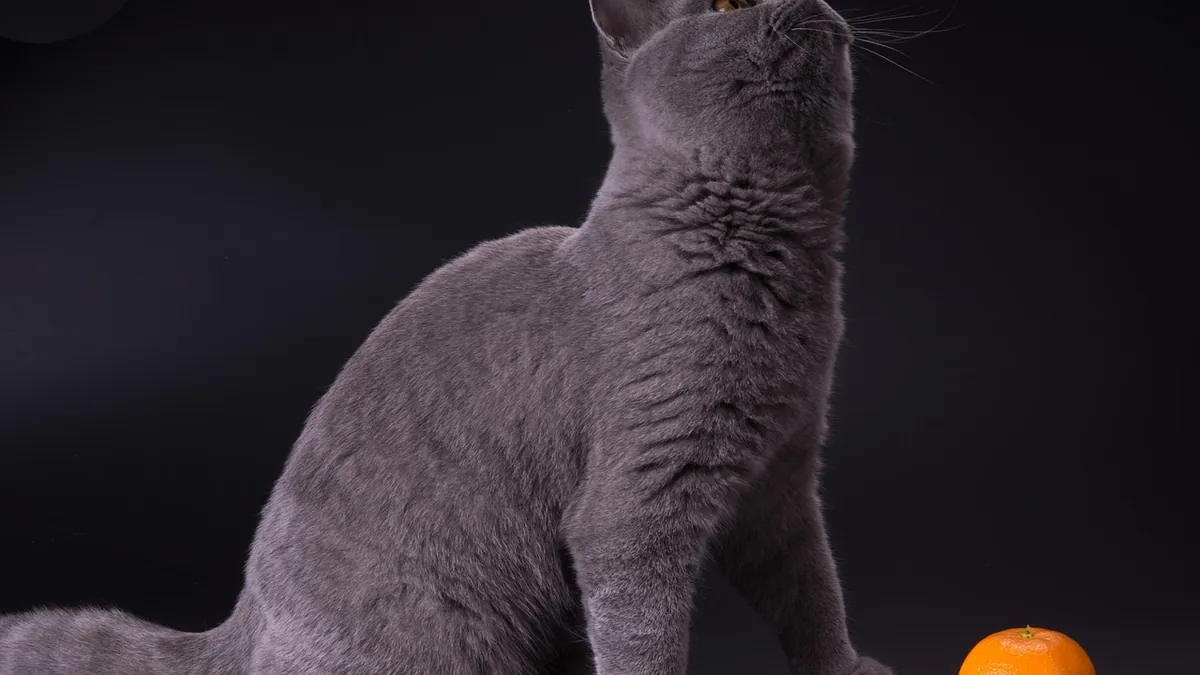
Can cats eat mandarins? Technically, a small piece of peeled mandarin flesh will not poison most cats, but it offers them nothing and can upset their stomach. Oranges fall into the same category. Citrus fruit is not a food cats need, and some parts of it are clearly worse for them than others.
This article is educational and is not a substitute for veterinary diagnosis or treatment.
Quick Answer
- Plain, peeled mandarin or orange flesh is low-risk for most adult cats in a piece no bigger than a pea, but it is not recommended as a treat.
- The peel, pith, seeds, leaves, and juice are the parts to avoid. Citrus oils and acids in these can irritate a cat's mouth, stomach, and skin.
- Never give your cat mandarin or orange products that contain added sugar, xylitol, salt, garlic, onion, or essential oils.
- One or two small pieces are unlikely to cause serious harm. Large amounts, juice, or peel can trigger vomiting, diarrhea, drooling, or mouth irritation.
- If your cat ate a lot of citrus, drank juice, or ate a product with other ingredients, call your veterinarian or a pet poison hotline right away.
Can Cats Eat Mandarins or Oranges? The Short Answer
Mandarins and oranges are not toxic to cats in the way that lilies or antifreeze are. The flesh is mostly water, sugar, and a little vitamin C. A cat that licks a dropped segment is probably fine. That said, "not immediately dangerous" is not the same as "good for your cat."
Cats are obligate carnivores. Their bodies are built to get nutrients from animal tissue, not fruit. Their natural diet is high in protein and fat and very low in carbohydrates. A 2026 study that used DNA analysis of cat scat found that even outdoor-access cats rarely consumed plant material or wild prey in a way owners noticed, which underlines how little plant food features in a normal feline diet [1]. Fruit simply does not belong in the bowl.
The bigger issue is the rest of the fruit. Citrus peel contains essential oils, and those oils are the reason citrus is used in some cleaning and pest products. A 2026 study on pomelo peel extract found that citrus peel oils have real antimicrobial activity against a yeast that causes ear infections in dogs [2]. That is a laboratory finding about a topical extract, not a statement about cats eating fruit, but it shows that citrus peel is chemically active. Active plant oils are not something you want sitting in your cat's stomach.
What Is in a Mandarin or Orange?
A peeled mandarin segment is roughly water with a few grams of sugar and a small amount of vitamin C, plus some fiber and citric acid. Oranges are similar, just larger.
None of that meets a cat's nutritional needs. Cats cannot make their own vitamin C needs met from fruit in any meaningful way because they synthesize vitamin C internally, so the vitamin C in citrus is not a selling point for them. The sugar is the main thing your cat would actually absorb, and cats have no dietary requirement for added sugar.
There is no established health benefit of feeding mandarins or oranges to cats. You will not find a veterinary nutrition source recommending citrus as a treat. If you want to give your cat a food reward, a small piece of plain cooked meat or a commercial cat treat is a better fit.
Risks of Feeding Mandarins and Oranges to Cats
Citrus Oils and Acids
The peel and the white pith hold most of the aromatic oils. Those oils can irritate the lining of a cat's mouth and stomach. The acid in the juice can do the same. Signs you might see include drooling, lip smacking, pawing at the mouth, vomiting, or loose stool.
Sugar and Carbohydrates
Mandarins are sweet. A cat's digestive system is not designed for a sugar load. Repeated sugary treats can add empty calories and contribute to weight gain over time. Weight management matters because feeding instructions on commercial cat food labels are already a known area of concern. A 2026 study of cat food labels in Belgium found that most individual labels recommended daily energy intake within the average range set by industry guidance, but the authors noted ongoing concern that label instructions may overestimate what cats actually need, especially given how common overweight and obesity are [3]. In other words, extra calories from treats are easy to overdo.
Choking and Blockage
Seeds and large chunks can be a choking hazard. Peel is tough and hard to chew. A cat that bolts a piece of peel or a whole segment could gag or, in rare cases, have trouble passing it.
Additives in Citrus Products
This is where real danger can hide. Mandarins and oranges show up in juices, fruit cups, yogurts, baked goods, candies, and sugar-free products. Those items can contain xylitol, which is a well-known and serious poison in dogs. A controlled study in cats did not find the same dangerous blood sugar and liver effects, so xylitol is not considered highly toxic to cats the way it is to dogs. Even so, sugar-free products do not belong in a cat's diet, and the other ingredients in them often do not either.
Watch for salt, garlic, onion, and added essential oils in anything citrus-flavored. Garlic and onion can damage a cat's red blood cells. Salt can cause thirst and, in large amounts, sodium problems. If you are unsure what is in a product, keep it away from your cat. For more on how human foods can go wrong, see Can Cats Eat Hot Dogs.
Can Cats Have Mandarin Oranges? A Part-by-Part Guide
| Form | Safe? | Notes |
|---|---|---|
| Peeled flesh, tiny piece | Low risk | No nutritional value. A pea-sized piece at most, and only rarely. |
| Peel and pith | Avoid | Concentrated citrus oils can irritate the mouth and stomach. |
| Juice | Avoid | Acid and sugar, no benefit. Can cause stomach upset. |
| Seeds | Avoid | Choking risk. |
| Leaves and stems | Avoid | Not food, and citrus plant material is not meant for cats. |
| Canned mandarins in syrup | Avoid | Added sugar and sometimes other additives. |
| Sugar-free citrus candy or gum | Avoid | May contain xylitol and other ingredients unsafe for cats. |
| Orange or mandarin essential oil | Avoid | Concentrated oils are not for internal use in cats. |
Can Kittens Eat Mandarins?
No. Kittens have even less business eating fruit than adult cats. Their digestive systems are small and still developing, and their nutritional needs are precise. A kitten should be eating a complete and balanced kitten food, not table scraps.
Kittens are also more likely to chew on things they should not, including peel and seeds. If a kitten eats a piece of mandarin, a small amount of flesh is unlikely to cause serious harm, but call your veterinarian if the kitten ate peel, juice, or a large amount. Young animals can dehydrate faster from vomiting or diarrhea.
How to Offer Citrus Safely (and Whether You Should)
If you still want to let your cat sniff or taste a mandarin, follow these rules.
- Peel it completely. Remove all peel, pith, and seeds.
- Give one tiny piece. A pea-sized piece of flesh is the upper limit.
- Watch for a reaction. Drooling, gagging, or vomiting means stop and do not offer it again.
- Never leave fruit out where your cat can reach it. Counter-surfing cats knock things over.
- Skip it entirely if your cat has diabetes, kidney disease, or a sensitive stomach. Ask your veterinarian first.
Honestly, the safest choice is to skip citrus altogether. Your cat will not miss it. Cats are also easily put off by new smells. A 2026 study found that repeated exposure to the same food odor reduced how much cats ate, while offering different foods increased their total intake [4]. That research is about meal variety, not treats, but it does show how strongly smell drives what a cat will eat. Citrus is a strong smell most cats dislike, so many will walk away on their own.
If you want to branch out with safe human foods, read Can Cats Eat Bananas and Can Cats Eat Cheese before you offer anything new.
What to Do If Your Cat Ate a Mandarin or Orange
Stay calm and figure out what your cat actually ate.
- A small piece of peeled flesh: watch for stomach upset for a day. Most cats will be fine.
- Peel, pith, or seeds: watch closely for vomiting, drooling, gagging, or diarrhea. Call your veterinarian if signs appear.
- Juice or a large amount of fruit: call your veterinarian or a pet poison hotline. Juice can cause significant stomach upset.
- A product with xylitol, garlic, onion, salt, or essential oils: treat this as an emergency and call right away.
Do not try to make your cat vomit unless a veterinarian tells you to. Do not give human medications. Bring the packaging with you if you go to the clinic, so the veterinarian knows exactly what was in the product.
Your veterinarian will decide on treatment based on your cat's weight, the amount eaten, and the ingredients involved. There is no home dose to give, and no number you should try to calculate yourself.
Safer Alternatives to Citrus
If you want to give your cat a treat, choose something built for cats.
- Commercial cat treats. They are portioned and formulated for felines.
- A small piece of plain, cooked, unseasoned chicken or turkey.
- A tiny bit of plain cooked fish, with no oil, salt, or seasoning.
- A spoon of plain canned pumpkin, if your cat likes it and your veterinarian approves.
For fish, keep it occasional. Read Can Cats Safely Eat Tuna for the reasons moderation matters. If you mix proteins, Can Cats Eat Tuna And Chicken covers how to do it sensibly.
Treats should stay a small part of the daily diet. If you are unsure how much your cat should eat, ask your veterinarian to calculate calories based on your cat's weight and body condition. Feeding choices also vary a lot between owners. A 2026 survey of cat owners found that personality traits were linked to whether people used non-conventional diets, including raw or vegetarian feeding [5]. That is a reminder that "what people feed cats" is not the same as "what cats need." A complete and balanced commercial diet or a veterinary-formulated home diet is the reliable path.
Limitations and When to Contact a Veterinarian
This article covers general information only. Your cat's age, weight, health conditions, and medications all change the picture. Individual cases need a veterinarian who can examine your cat.
Call your veterinarian or a pet poison hotline immediately if your cat:
- Ate peel, seeds, or a large amount of citrus fruit
- Drank orange or mandarin juice
- Ate a sugar-free product, or anything containing xylitol, garlic, onion, or essential oils
- Is vomiting repeatedly, drooling heavily, gagging, or having diarrhea
- Seems weak, wobbly, or unusually quiet
- Is a kitten or has a chronic illness
Call the same day for milder signs, such as one episode of vomiting or a single loose stool after eating fruit. If your cat seems completely normal after a tiny piece of flesh, you can monitor at home and mention it at your next routine visit.
Frequently Asked Questions
Can cats eat mandarins every day?
No. Even a tiny piece of mandarin adds sugar and calories your cat does not need, and daily fruit treats can crowd out balanced nutrition. Keep citrus as a rare accident, not a routine.
Are oranges more dangerous than mandarins for cats?
They are about the same. Both have citrus oils in the peel and acid in the juice. The size of the fruit matters more than the type, since a larger orange means more peel, more juice, and more sugar if your cat gets into it.
Will a mandarin hurt my cat if she only licked it?
A quick lick of peeled flesh is very unlikely to cause harm. Licking the peel or juice is more likely to cause drooling or an upset stomach because of the oils and acid. Watch her for a few hours and call your veterinarian if signs appear.
Can I give my cat orange juice as a treat?
No. Juice concentrates the acid and sugar and offers no benefit. It can cause vomiting or diarrhea, and it is not a substitute for water. Fresh water is always the right drink for a cat.
Do cats need fruit in their diet at all?
No. Cats are obligate carnivores and get everything they need from animal-based protein and fat in a complete diet. Fruit is not a required nutrient for cats, and there is no veterinary reason to add it.
Related Articles
- Can Cats Eat Bananas
- Can Cats Safely Eat Tuna
- Can Cats Eat Cheese
- Can Cats Eat Tuna And Chicken
- Can Cats Eat Hot Dogs
- Can Cats Eat Eggs
- Can Cats Eat Tangerines or Oranges? Citrus Safety
- Can Cats Have Lemons and Limes? Citrus Toxicity
- Can Kittens Eat Oranges? Citrus and Essential Oils
References
- Using DNA Metabarcoding and Citizen Science to Assess the Diet of Owned Domestic Cats. Ecology and evolution, 2026.
- Antifungal Effects of Citrus maxima Cultivar Tubtim-Siam Peel Extract Against Malassezia pachydermatis Isolated from Dogs. Pathogens (Basel, Switzerland), 2026.
- An investigation of feeding instructions on cat food labels in Belgium and comparison with European industry energy intake recommendations. The Veterinary record, 2026.
- Olfactory habituation and dishabituation dynamically regulate feeding motivation in domestic cats. Physiology & behavior, 2026.
- Owner personality traits associated with non-conventional feeding practices in domestic cats. Journal of feline medicine and surgery, 2026.