Can Dogs Eat Goldfish Crackers? Risks and Safer Treats
By Dr. Zubair Khalid, DVM, MS, PhD ·
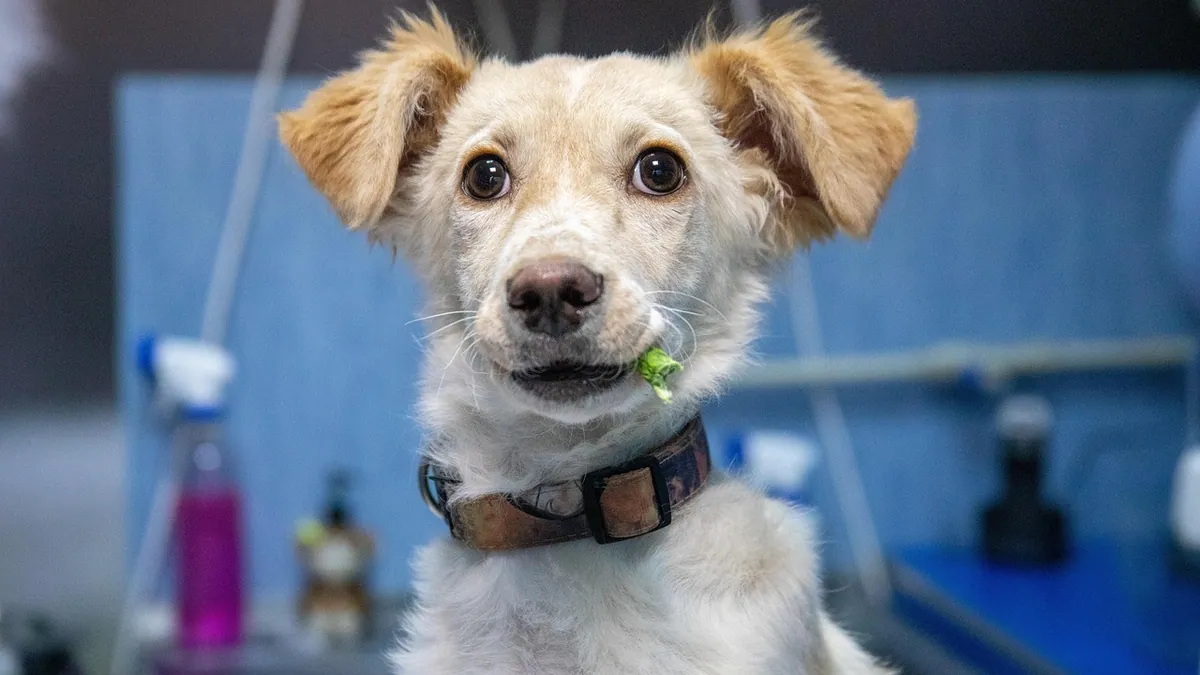
Can dogs eat Goldfish crackers? Technically, a plain Goldfish cracker will not poison most dogs, but these baked cheese crackers are a poor treat choice. They are high in salt, fat, and processed ingredients, and they offer almost no nutritional value for your dog. This article is educational and is not a substitute for veterinary diagnosis or treatment.
Quick Answer
- A single plain Goldfish cracker is unlikely to seriously harm a healthy adult dog, but it is not a recommended treat.
- The biggest concerns are salt, fat, and calories, which add up fast when you feed a handful.
- Some flavored varieties may contain xylitol, garlic, onion powder, or other ingredients that are toxic to dogs.
- Puppies, small dogs, seniors, and dogs with heart, kidney, or pancreatic disease should not eat them at all.
- If your dog ate a large amount or a flavored variety, call your veterinarian or a pet poison hotline right away.
Are Goldfish Crackers Safe for Dogs?
The short answer is that Goldfish crackers are not toxic in the classic sense, but they are not safe in unlimited amounts. A plain cheddar Goldfish cracker contains flour, vegetable oil, cheese, salt, and a list of additives. None of those ingredients is a poison on its own for a typical dog. The problem is the combination and the quantity.
Dogs are not small humans when it comes to snack food. Their bodies are built for a balanced diet, and processed human snacks are calorie dense with very little nutritional payoff. Overweight and obesity are already common in companion dogs in the Western world, and affected animals face a higher risk of other health problems and a shorter lifespan [1]. Every handful of crackers you hand over is a step in that direction if it happens often.
There is also a real toxicity risk with certain varieties. Some cheese crackers and flavored snacks contain xylitol, a sweetener that is dangerous for dogs. A 2025 case report described an adult dog that became stuporous after eating more than 50 pieces of xylitol-containing chewing gum, with a minimum xylitol dose of more than 3 mg/kg. The dog had severe neurologic signs even though hypoglycemia was never documented during hospitalization [2]. That case involved gum, not crackers, but it shows how seriously xylitol can affect the brain and nervous system. If a cracker label lists xylitol, birch sugar, or sugar alcohol, treat it as a poison.
Can Dogs Eat Goldfish Crackers Cheddar?
Cheddar is the classic Goldfish flavor, and it is the one owners ask about most. Plain cheddar Goldfish crackers do not contain xylitol in most standard recipes, so a single cracker is unlikely to cause an emergency in a healthy dog. That does not make them a good treat.
The cheddar flavor comes with a heavy dose of salt and fat. Dogs are much smaller than people, so a serving that seems tiny to you can be a significant sodium load for a 10 pound dog. Too much salt can lead to vomiting, diarrhea, excessive thirst, and in severe cases, neurologic signs from sodium imbalance. Too much fat can trigger pancreatitis, a painful and sometimes life threatening inflammation of the pancreas, especially in dogs with a history of digestive sensitivity.
If you want to share a cheese flavored treat, a small piece of plain cheese is a better option than a processed cracker. Even then, keep it small and occasional. You can read more about dairy treats in our guide on Can Dogs Eat Cheese.
Can Dogs Eat Goldfish Crackers as a Treat?
Yes, in the narrow sense that a single cracker is unlikely to cause harm. But "can" and "should" are different questions. A treat should make up no more than about 10 percent of your dog's daily calories, and a processed cheese cracker is a poor use of that budget.
Think about what your dog actually gets from a Goldfish cracker. Almost nothing. No meaningful protein, no fiber your dog needs, no vitamins in a useful amount. What your dog does get is salt, refined flour, oil, and empty calories. If you are training with food rewards, you want small, high value, species appropriate treats, not snack food designed for humans.
There is also a behavior angle. Dogs rely heavily on smell to gather information and make choices, often as much as or more than they rely on sight [3]. A smelly, salty cracker is a strong reward, which means your dog will learn fast to beg for more. That is a habit that is much easier to prevent than to break.
Can Puppies Eat Goldfish Crackers?
Puppies should not eat Goldfish crackers. Their bodies are still growing, and their digestive systems are more sensitive than an adult dog's. A puppy's diet needs to be complete and balanced for growth, and table snacks dilute that nutrition.
Puppies are also small, which means a small amount of salt or fat goes a long way. A few crackers that would barely register for a large adult dog could cause stomach upset in a puppy. If your puppy ate one cracker by accident, watch for vomiting, diarrhea, or lethargy. If your puppy ate a large amount or a flavored variety, call your veterinarian.
Can Dogs Eat Cheese Crackers?
Cheese crackers in general, including Goldfish, Cheez-Its, and similar products, are not recommended for dogs. The cheese flavor is usually from powdered cheese, whey, or artificial flavoring, not real cheese. The crackers are baked with oil and salt, and many contain preservatives and flavor enhancers.
Some cheese crackers also contain garlic powder or onion powder, both of which are toxic to dogs. Garlic and onion damage red blood cells and can cause anemia. The amount in a single cracker is usually small, but repeated feeding or a large ingestion can cause real problems. Always read the ingredient list before you share anything with your dog.
If you are looking for a crunchy, low calorie treat, there are better options. Our article on Can Dogs Eat Sunflower Seeds? Shell Hazards and Fat covers another common snack question.
Risks of Feeding Goldfish Crackers to Dogs
Salt and Sodium
Salt is the biggest everyday risk with Goldfish crackers. A dog's sodium needs are small, and processed snacks are designed for human taste buds. Too much salt can cause vomiting, diarrhea, dehydration, and in severe cases, tremors or seizures. Dogs with heart or kidney disease are especially vulnerable.
Fat and Pancreatitis
The fat in cheese crackers can trigger pancreatitis in sensitive dogs. Symptoms include vomiting, abdominal pain, hunched posture, and loss of appetite. Pancreatitis can be life threatening and often requires hospitalization.
Xylitol and Other Sweeteners
Some snack products contain xylitol, which is highly toxic to dogs. The 2025 case report showed that a dog can develop severe neurologic signs after eating a large amount of xylitol containing gum, even without documented hypoglycemia [2]. If a cracker label lists xylitol, do not feed it. Call your veterinarian immediately if your dog eats any.
Garlic and Onion Powder
Garlic and onion are toxic to dogs and can cause anemia. Check labels carefully. Flavored crackers, especially cheese or "savory" varieties, are the most likely to contain these ingredients.
Choking and GI Upset
Crackers are small and crunchy, so choking is less common than with bones or rawhide. But dogs who eat too many crackers at once can still vomit or have diarrhea. A sudden change in diet, even a "safe" food, can upset the gut.
Empty Calories and Weight Gain
Processed snacks contribute to weight gain without providing nutrition. Overweight dogs are at risk of comorbidities and reduced longevity, and weight management is a long term project that is easier to start than to fix [1]. Every cracker counts.
How to Offer Goldfish Crackers Safely
If you decide to let your dog try a Goldfish cracker, follow these rules.
- Choose plain cheddar or original flavor only. Avoid any variety with xylitol, garlic, onion, or artificial sweeteners.
- Feed one cracker, not a handful. For a small dog, break it into pieces.
- Do not make it a daily habit. Once a week at most, and only if your dog is healthy.
- Never feed crackers to a dog with heart disease, kidney disease, diabetes, pancreatitis, or a history of obesity.
- Watch for vomiting, diarrhea, lethargy, or tremors after feeding. Call your veterinarian if any appear.
Parts and Preparations to Avoid
Avoid any cracker with a flavor coating, cheese powder, or seasoning blend. Avoid "whole grain" or "veggie" varieties that may contain onion or garlic powder. Avoid crackers with xylitol or sugar alcohols. Avoid sharing from your plate, since human food often has added salt and butter.
What to Do If Your Dog Ate Too Many Goldfish Crackers
If your dog ate a few plain crackers, offer fresh water and watch for stomach upset. Most healthy adult dogs will be fine.
If your dog ate a large amount, a flavored variety, or a product containing xylitol, garlic, or onion, call your veterinarian or a pet poison hotline right away. Do not wait for symptoms. Xylitol toxicity can progress quickly, and early treatment matters. The case report described a dog that improved within 15 hours with supportive care, but that dog received veterinary treatment [2]. Do not try to manage it at home.
If your dog has a known heart or kidney condition, call your veterinarian even for a small amount. These dogs have less reserve to handle a sodium load.
Safer Alternatives to Goldfish Crackers
There are many better treats for dogs. The key is to keep them small, low calorie, and free of toxic ingredients.
| Form | Safe? | Notes |
|---|---|---|
| Plain Goldfish cracker | Not recommended | High salt and fat, no nutritional value |
| Flavored Goldfish (xylitol, garlic, onion) | No | Toxic ingredients possible |
| Plain cooked chicken | Yes | Small pieces, no seasoning |
| Plain cooked carrot | Yes | Low calorie, crunchy |
| Plain cheese | In small amounts | High fat, watch for upset |
| Commercial dog treats | Yes | Choose size appropriate, check calories |
| Fresh or minimally processed dog food | Yes | May support digestive health [4][5] |
Fresh frozen and minimally processed diets are becoming more popular, and research suggests they may support fecal consistency and gut microbiome health compared with extruded kibble [4][5]. That does not mean you should switch foods without talking to your veterinarian, but it does mean there are better options than a processed cheese cracker.
If you want to share fruit, choose dog safe options and check the details first. Our guides on Can Dogs Eat Mulberries? Safe Portions Guide and Can Dogs Eat Apricots? Flesh Safety vs Pit Hazards explain which parts are safe and which are not.
Limitations and When to Contact a Veterinarian
This article gives general information, not a diagnosis or treatment plan. Every dog is different, and your veterinarian needs to evaluate your dog's weight, health history, and current medications before giving specific advice.
Contact your veterinarian the same day if your dog ate a large amount of Goldfish crackers, ate a flavored variety, or has mild vomiting or diarrhea.
Go to an emergency clinic now if your dog has tremors, seizures, weakness, collapse, difficulty breathing, severe abdominal pain, or repeated vomiting. These signs can indicate xylitol toxicity, pancreatitis, or another serious problem.
Schedule a routine visit if your dog has gained weight, begs for table food often, or has a health condition that makes salty snacks risky. Your veterinarian can help you build a treat plan that fits your dog's calorie needs.
Frequently Asked Questions
Can dogs eat Goldfish crackers without getting sick?
A single plain cracker is unlikely to make a healthy adult dog sick, but there is no guarantee. Some dogs have sensitive stomachs and will vomit or have diarrhea after any new food. If your dog has eaten them before without problems, that does not mean a large amount is safe.
Are Goldfish crackers toxic to dogs?
Plain Goldfish crackers are not toxic, but some varieties contain xylitol, garlic, or onion, which are toxic. Always read the label. If you see xylitol or any sugar alcohol, do not feed the product to your dog.
How many Goldfish crackers can a dog eat?
There is no safe number that applies to every dog. The right amount depends on your dog's weight, health, and daily calorie needs. For most dogs, the safest answer is zero, or at most a single broken piece on a rare occasion.
What should I do if my dog ate a whole bag of Goldfish crackers?
Call your veterinarian or a pet poison hotline right away. A whole bag is a large amount of salt and fat, and it can cause vomiting, diarrhea, or pancreatitis. Do not wait for symptoms to appear before you call.
Are cheese crackers bad for dogs?
Yes, cheese crackers are a poor choice for dogs. They are high in salt and fat, low in nutrition, and some contain garlic, onion, or xylitol. Choose a dog specific treat or a small piece of plain cooked meat instead.
Related Articles
- Can Dogs Eat Mulberries? Safe Portions Guide
- Can Dogs Eat Sunflower Seeds? Shell Hazards and Fat
- Can Dogs Eat Apricots? Flesh Safety vs Pit Hazards
- Can Dogs Eat Plums? Toxicity Warnings & Pit Risks
- Can Dogs Eat Cheese
- Can Dogs Eat Cherries
- Can Dogs Eat Saltine Crackers? Sodium and Safety
- Can Dogs Eat Crackers for Upset Stomach or Diarrhea?
- Can Dogs Eat Graham Crackers or Peanut Butter Crackers?
References
- Overweight and Obesity in Dogs and Cats: An Exploration of Animal Welfare and Behaviour Impacts, and Recommendations for Management in Veterinary Primary Care. Animals : an open access journal from MDPI, 2026.
- Stuporous State in a Dog Following Ingestion of Chewing Gum Containing Xylitol Without Documented Hypoglycemia. Clinical case reports, 2025.
- From Control to Clue: Integrating Olfaction into the Object-Choice Task for Domestic Dogs (Canis familiaris). Animals : an open access journal from MDPI, 2026.
- Impacts of a fresh-frozen dog food on fecal consistency and microbiome in colony dogs. Journal of animal science, 2026.
- Diet-induced metabolic and faecal microbiome responses in pet dogs fed a minimally processed versus extruded kibble diet. Frontiers in veterinary science, 2026.