Can Dogs Eat Saltine Crackers? Sodium and Safety
By Dr. Zubair Khalid, DVM, MS, PhD ·
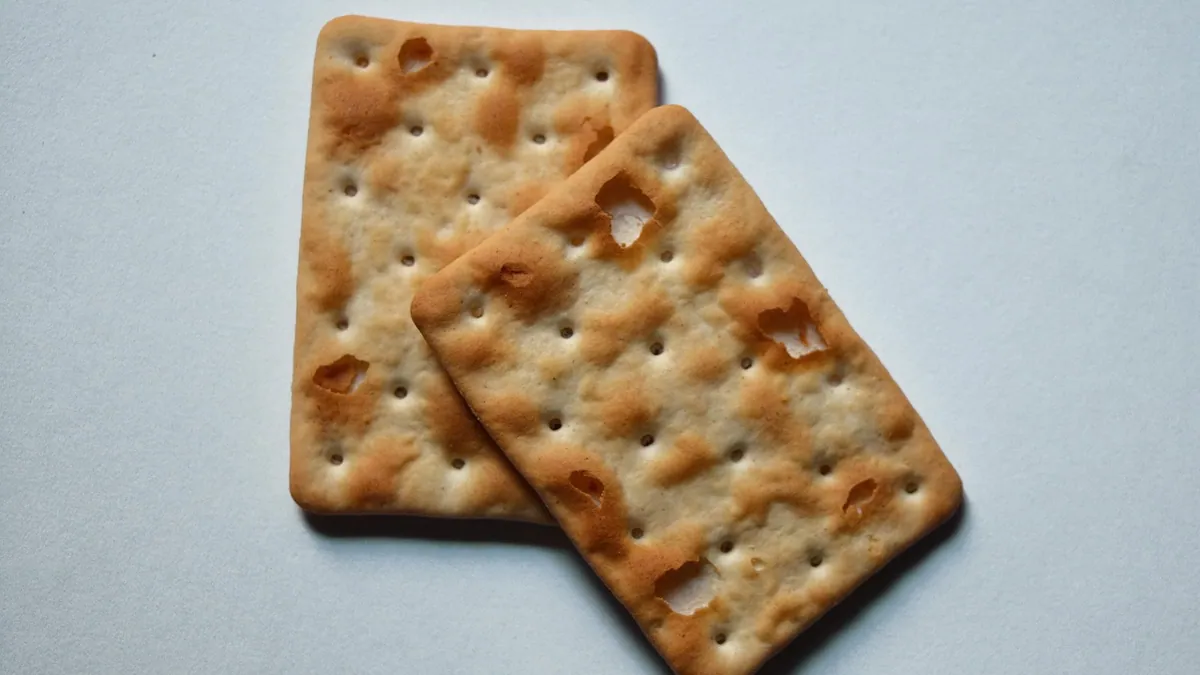
Can dogs eat saltine crackers? Yes, most healthy dogs can eat a plain saltine or two as an occasional treat, as long as you keep portions small and account for the sodium. Saltines are not toxic to dogs, but they are salty, low in nutrition, and easy to overfeed. This article is educational and is not a substitute for veterinary diagnosis or treatment.
Quick Answer
- A plain saltine is not poisonous to dogs, but it is a high-sodium, low-nutrition snack with no real health benefit.
- Treats of any kind should make up no more than 10% of your dog's daily energy intake, so saltines should stay a small occasional extra [1].
- Small dogs can reach a risky sodium load from just a few crackers, so size matters when you decide how much to share.
- Never give saltines that contain xylitol, garlic, onion powder, or other added flavorings, since some of these are toxic to dogs.
- If your dog eats a whole sleeve or a large amount of salty food, call your veterinarian or a pet poison hotline right away.
Are Saltine Crackers Safe for Dogs?
A plain saltine cracker is generally safe for a healthy adult dog in small amounts. There is nothing in a basic saltine (flour, oil, salt, leavening) that is directly toxic to dogs. The concern is not poison in a single cracker, it is the cumulative salt and the empty calories.
The real question owners should ask is not "can dogs eat saltines" but "how many, and how often." A single saltine is a small treat. A stack of them, or a whole sleeve, is a different story. Sodium is an essential nutrient, and dogs need some in their diet, but too much can cause sodium toxicity [2]. That is why portion control is the whole game here.
If your dog has heart disease, kidney disease, high blood pressure, or a history of fluid retention, skip the saltines entirely and ask your veterinarian what treats are appropriate. Dogs on prescription diets often need tightly controlled sodium, and a salty snack works against that plan.
What Is Actually in a Saltine?
A standard saltine is mostly refined flour and fat, with salt and a leavening agent. That means it delivers calories and sodium with almost no protein, fiber, vitamins, or minerals your dog actually needs. It is a filler food, not a functional one.
There is no nutritional benefit to giving a dog a saltine. If you want to reward your dog, a piece of their regular kibble, a small slice of plain cooked meat, or a dog-specific treat will do more for them. The 10% treat rule exists because treats should not crowd out a complete and balanced diet [1]. When you fill that 10% with crackers, you are spending your dog's treat budget on empty calories.
Some saltines are also made with added ingredients. Flavored crackers, cheese crackers, and "buttery" varieties often contain onion powder, garlic powder, or other seasonings. Onion and garlic can damage a dog's red blood cells and cause anemia, so those crackers should never be shared. If you want to understand how serious those ingredients are, see Can Dogs Eat Onions or Garlic?.
Risks of Feeding Saltines to Dogs
Sodium and Salt Poisoning
The biggest risk with saltines is sodium. Salt poisoning happens when a dog takes in more salt than their body can handle, and it can cause serious neurologic problems [3][2]. Early on, a dog may drink a lot of water trying to correct the imbalance. If that does not help, symptoms can escalate quickly, and in severe cases salt poisoning can be fatal [3][2].
Sodium toxicity is not only about table salt. It can come from salty snacks, salty surfaces, and other high-sodium foods [3][2]. A single saltine will not poison a large dog. A whole sleeve eaten by a small dog is a genuine concern, and that is when you call for help.
Choking and GI Upset
Dry, brittle crackers can break into sharp pieces. A dog who eats too fast can choke, and the crumbs and edges can irritate the throat. Crackers also absorb water, so a dog who eats a lot of them and then drinks can feel uncomfortably full. Some dogs get vomiting or diarrhea from sudden rich or salty snacks, especially if they are not used to table food.
Additives and Toxic Ingredients
Plain saltines are the only kind worth considering. Read the label before you share. Xylitol is a sweetener that is highly toxic to dogs and can cause dangerous hypoglycemia and liver failure, so any cracker containing it is off limits. Garlic and onion powder are also common in flavored crackers and are toxic to dogs. If the ingredient list is long and includes anything you do not recognize, do not feed it.
Hidden Sodium in Other Treats
If you are already giving your dog salty human foods, the sodium adds up fast. Salty fish, cured meats, and salty cheeses all stack on top of each other. If you feed those, read Can Dogs Eat Anchovies? Sodium and Omega-3 Benefits and Can Dogs Eat Pepperoni? Garlic Onion and Fat Content so you can see how quickly a "small taste" turns into a lot of salt.
How Many Saltines Can a Dog Have?
There is no universal safe number, because it depends on your dog's weight, health, and the rest of their diet. What I can give you is a practical framework.
| Dog size (rough weight) | Occasional saltine limit | Notes |
|---|---|---|
| Toy (under 10 lb) | 1 small piece, rarely | Sodium adds up fast at this size |
| Small (10 to 25 lb) | 1 saltine, occasionally | Break it into pieces to slow eating |
| Medium (25 to 50 lb) | 1 to 2 saltines, occasionally | Keep it to a few times a week at most |
| Large (50 to 90 lb) | 2 to 3 saltines, occasionally | Still a small part of the 10% treat budget |
| Giant (over 90 lb) | 3 to 4 saltines, occasionally | Do not let it become a daily habit |
These are general guides, not a prescription. Your veterinarian can give you a specific limit based on your dog's weight and any health conditions. The safest approach is to treat a saltine as a rare, tiny reward, not a regular snack.
How to Offer Saltines Safely
If you decide to share, follow these steps.
- Choose plain, unsalted or low-salt saltines when possible. "Can dogs eat crackers with no salt" is a better question than the salted version, because it removes the main risk.
- Check the label for xylitol, garlic, onion, and artificial sweeteners. If any are present, do not feed it.
- Break the cracker into small pieces. This slows your dog down and reduces choking risk.
- Feed it plain. No peanut butter with xylitol, no cheese spread, no dips.
- Count it in the treat budget. If your dog had a saltine, cut back on other treats that day.
- Watch your dog afterward for excessive thirst, vomiting, or unusual behavior.
Avoid any cracker that is flavored, cheese-filled, buttered, or coated. Avoid sharing the sleeve, the box, or the crumbs at the bottom. Avoid giving saltines to dogs with heart, kidney, or blood pressure conditions without veterinary approval.
What If Your Dog Ate a Whole Sleeve of Saltines?
If a small dog eats a whole sleeve, or any dog eats a large amount of salty crackers, treat it as a possible sodium exposure. Call your veterinarian or a pet poison hotline right away. Do not wait for symptoms to appear, because sodium problems can worsen quickly [3][2].
Signs to watch for include heavy drinking, vomiting, diarrhea, lethargy, wobbliness, tremors, and seizures [3][2]. If you see tremors or seizures, go to an emergency clinic immediately. Do not try to make your dog throw up unless a veterinarian tells you to. Do not give extra water in large amounts on your own, because rapid fluid shifts can be dangerous. Let the veterinary team guide rehydration and treatment.
Bring the packaging with you if you can. Knowing the brand, the number of crackers, and the sodium content per serving helps the veterinarian estimate the exposure. Treatment for sodium problems is tailored to the individual dog, and your veterinarian will calculate any fluids or medications based on your dog's weight and current electrolyte levels.
Safer Alternatives to Saltines
If your goal is a crunchy, low-calorie reward, there are better options.
- A piece of your dog's own kibble
- A small slice of plain cooked chicken or turkey with no seasoning
- A few plain green beans or carrot sticks
- A dog-specific crunchy treat that meets your vet's approval
- A small piece of plain cooked egg
If you want to share a human food that is lower in sodium, plain cottage cheese in tiny amounts is sometimes used, though it still contains sodium and should be limited. See Can Dogs Eat Cottage cheese? Protein & Sodium Limits for the details. For fish-based treats, tuna is another food where sodium and mercury both matter, which is covered in Can Dogs Eat Tuna? Mercury Poisoning & Sodium.
The pattern is the same across all of these foods. Small amounts of plain, low-salt human food are usually fine. Large amounts, seasoned versions, and daily habits are where problems start.
Limitations and When to Contact a Veterinarian
This article gives general guidance, not a diagnosis or a treatment plan. Every dog is different, and individual cases need a veterinarian who can examine your dog, review their history, and run tests if needed.
Contact your veterinarian the same day if your dog ate more saltines than the guide above, is drinking far more than usual, is vomiting, or seems off. Go to an emergency clinic now if you see tremors, seizures, collapse, confusion, or trouble breathing. These can be signs of severe sodium problems and need immediate care [3][2].
Schedule a routine visit if your dog has heart disease, kidney disease, or high blood pressure and you are unsure what treats are safe. Your veterinarian can set a sodium limit and suggest treats that fit your dog's condition. If you are ever unsure whether a food is safe, call before you feed it.
Frequently Asked Questions
Can dogs eat saltines every day?
No, saltines should not be a daily treat. They are high in sodium and low in nutrition, and daily feeding pushes your dog past the 10% treat limit over time. Keep them rare and small.
Can dogs eat salted crackers?
They can eat a small amount of a plain salted cracker, but the salt is the main risk. If you have a choice, unsalted or low-salt crackers are safer. Dogs with heart or kidney disease should avoid salted crackers completely.
Can dogs eat crackers with no salt?
Yes, unsalted crackers are the safer choice because they remove most of the sodium concern. They are still empty calories, so keep the portion tiny. Check the label for xylitol, garlic, or onion before sharing.
What happens if a dog eats a whole box of saltines?
A whole box is a large sodium load, especially for a small dog, and it can cause salt poisoning. Call your veterinarian or a pet poison hotline right away, even if your dog seems fine at first. Watch for heavy drinking, vomiting, wobbliness, tremors, or seizures.
Are saltines bad for dogs with heart or kidney disease?
Yes, they can be harmful for dogs on sodium-restricted diets. Heart and kidney conditions often require tight sodium control, and salty snacks work against that plan. Ask your veterinarian before giving any human food to a dog with these conditions.
Related Articles
- Can Dogs Eat Tuna? Mercury Poisoning & Sodium
- Can Dogs Eat Anchovies? Sodium and Omega-3 Benefits
- Can Dogs Eat Onions or Garlic?
- Can Dogs Eat Pepperoni? Garlic Onion and Fat Content
- Can Dogs Eat Cottage cheese? Protein & Sodium Limits
- Can Dogs Eat Peanuts
- Can Dogs Eat Salt and Vinegar Chips? Risks Explained
- Can Dogs Eat Tortilla Chips? Salt, Lime, and Fat Risks
- Can Dogs Eat Crackers for Upset Stomach or Diarrhea?
References
- Assessment of the Nutritional Impact of the 10% Snack Recommendation in Pet Diets. Veterinary sciences, 2025.
- Sodium Toxicity in Pets. Pet Poison Helpline.
- Sodium Poisoning Threat to Pets. Pet Poison Helpline.