Can Cats Eat Graham Crackers? Cinnamon and Sugar Risks
By Dr. Zubair Khalid, DVM, MS, PhD ·
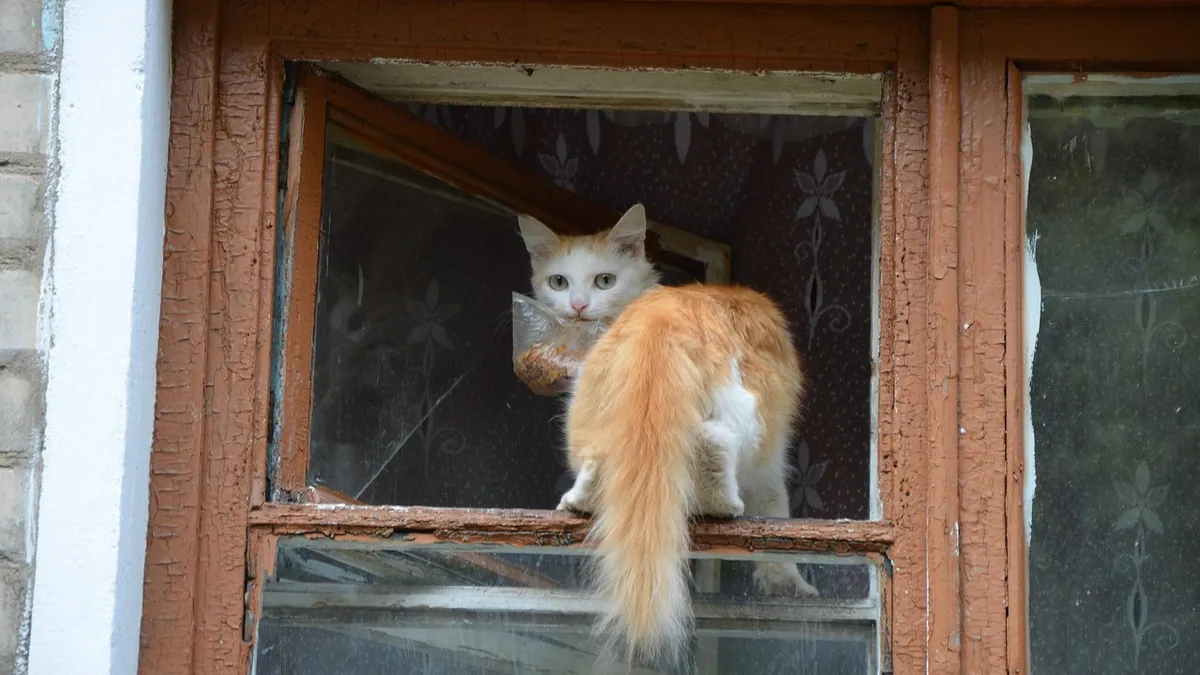
Can cats eat graham crackers? Technically, a small piece of a plain graham cracker is not toxic to a cat, but it is not a food cats need. The bigger concerns are the toppings and flavors, especially chocolate and heavy cinnamon, plus the sugar and empty calories. This article is educational and is not a substitute for veterinary diagnosis or treatment.
Quick Answer
- Plain graham crackers are not poisonous to cats, but they have no nutritional value for them and can add unwanted sugar and calories.
- Chocolate graham crackers are the most dangerous type because chocolate contains theobromine and caffeine, which cats cannot process well.
- Cinnamon in large amounts can irritate a cat's mouth and stomach, and cinnamon graham crackers often carry extra sugar.
- A single small crumb is unlikely to cause harm in a healthy adult cat, but it is not a treat you should offer on purpose.
- If your cat ate a chocolate variety or a large amount, call your veterinarian or a pet poison hotline right away.
Are Graham Crackers Safe for Cats?
Plain graham crackers are not toxic, but that does not make them a good treat. Cats are obligate carnivores, which means their bodies are built to get nutrients from animal tissue, not from wheat flour and sugar. A graham cracker is mostly refined flour, sugar, and a little fat, with almost nothing a cat needs.
The real risk depends on the type. A plain, unsweetened piece is low risk in a tiny amount. A chocolate graham cracker is a different story because chocolate is genuinely toxic to cats. Cinnamon graham crackers sit in the middle, since cinnamon can upset a cat's stomach when eaten in quantity.
Grain-free marketing has made some owners worry that any grain is harmful to cats. That concern is not well supported. A review of grain-free pet diets found wide variation in commercial formulas and noted that grain-free products often contain more protein and fat, which is not automatically better or safer for every cat [1]. Graham crackers are not a grain-free food anyway, and the grain itself is not the main problem here. The sugar, chocolate, and spices are.
Nutrition: What Is Actually in a Graham Cracker?
A typical graham cracker is a baked sweetened biscuit made from wheat flour, sugar, oil, and a small amount of bran or whole grain. Some brands add honey, molasses, cinnamon, or chocolate. None of these ingredients meet a cat's nutritional needs.
Cats need animal-based protein and specific amino acids like taurine, plus fats and a balance of vitamins and minerals. A graham cracker provides carbohydrates and sugar with very little protein. Feeding table food regularly can also throw off a cat's overall calorie balance. Research on cat food labels shows that many commercial feeding instructions already tend to overestimate how much energy a cat needs, which matters because overweight and obese cats are common [2]. Adding sugary human snacks on top of a full diet pushes calorie intake higher.
There is no health benefit to giving a cat a graham cracker. It is not a source of fiber your cat needs, it is not a dental aid, and it does not support any body system. If you want to give a treat, a small piece of cooked plain meat is a far better choice.
Risks of Graham Crackers for Cats
Chocolate Graham Crackers
Chocolate is the most serious concern. Chocolate contains theobromine and caffeine, two stimulants that cats clear from their bodies very slowly. Even small amounts can cause vomiting, diarrhea, restlessness, a racing heart, tremors, and in severe cases seizures. Dark chocolate and baking chocolate are the most dangerous, but any chocolate graham cracker carries some risk. If your cat ate a chocolate graham cracker, treat it as a possible poisoning and call for advice.
Cinnamon Graham Crackers
Cinnamon in small food amounts is usually not a major poison for cats, but it can irritate the mouth, throat, and stomach. Cinnamon graham crackers also tend to have more sugar than plain ones. A cat that eats several may vomit or have diarrhea. Cinnamon essential oil is a much bigger concern than the spice in a baked cracker, so keep oils and concentrated products away from cats.
Sugar and Honey Graham Crackers
Honey graham crackers and other sweetened varieties add extra sugar. Cats do not taste sweetness the way people do, so they gain nothing from it. Sugar adds calories and can worsen weight problems. For a cat with diabetes, sugary snacks work against treatment goals. If your cat has diabetes, talk to your veterinarian about appropriate treats and see Safe Treats For Diabetic Cats.
Additives and Other Ingredients
Read the label before you assume a cracker is plain. Some products contain salt, garlic powder, onion powder, or artificial sweeteners. Garlic and onion damage red blood cells in cats and can cause anemia. Xylitol is a well-known dog poison that causes dangerous low blood sugar and liver failure in dogs. A controlled study in cats did not find the same effects, so xylitol is not considered highly toxic to cats the way it is to dogs. Even so, sugar-free products do not belong in a cat's diet, and any product with xylitol should be kept away from your pets.
Choking and GI Upset
Dry crackers can be a choking hazard, especially for a cat that gulps food. The crumbs and sharp edges can also irritate the mouth. Any new human food can cause vomiting or diarrhea in a cat with a sensitive stomach. Diet changes also shift the gut bacteria. A study of prescription diets in healthy cats showed that changing what a cat eats alters the fecal microbiome, with different diets linked to different bacterial populations [3]. Sudden treats can unsettle digestion in the same way.
Can Kittens Eat Graham Crackers?
Kittens should not eat graham crackers. Their bodies are still growing, and they need a complete kitten diet to support development. Newborn kittens have an underdeveloped metabolism and limited ability to make glucose, which makes them prone to low blood sugar in their first days of life [4]. Their glucose levels are unstable early on and recover over the first few days [4]. Any digestive upset or skipped meal in a young kitten is more serious than in an adult cat.
Kittens also have small mouths and throats, so choking is a real risk. Keep all human snacks away from kittens and stick to kitten-formulated food and vet-approved treats.
How to Offer Graham Crackers Safely (and What to Avoid)
The safest approach is not to offer graham crackers at all. If your cat already snatched a small piece of a plain cracker, stay calm and watch for signs of stomach upset. Do not make it a habit.
If you truly want to give a taste, follow these rules.
- Choose a plain variety with no chocolate, no cinnamon, no honey, no garlic, no onion, and no xylitol.
- Give only a crumb about the size of a pea, and only for an adult cat in good health.
- Break it into small pieces to reduce choking risk.
- Never give more than one small piece, and not every day.
- Never give chocolate graham crackers, cinnamon-topped crackers, or any sugar-free product.
- Keep the box sealed and out of reach, since many cats will chew through packaging.
| Form | Safe? | Notes |
|---|---|---|
| Plain graham cracker | Low risk in a tiny crumb | No nutrition for cats, watch for stomach upset |
| Cinnamon graham cracker | Avoid | Cinnamon can irritate the mouth and stomach, extra sugar |
| Honey graham cracker | Avoid | Added sugar and calories, no benefit |
| Chocolate graham cracker | Unsafe | Chocolate contains theobromine and caffeine, can cause serious poisoning |
| Sugar-free graham cracker | Avoid | May contain xylitol or other sweeteners, keep away from pets |
What to Do If Your Cat Ate Graham Crackers
If your cat ate a plain cracker, offer fresh water and watch for vomiting, diarrhea, drooling, or pawing at the mouth. Mild stomach upset often settles on its own, but call your veterinarian if signs last more than a day or your cat stops eating.
If your cat ate a chocolate graham cracker, act quickly. Call your veterinarian or a pet poison hotline and have the package ready so you can describe the type and amount. Do not wait for symptoms, because chocolate poisoning can worsen over hours. Signs to watch for include vomiting, restlessness, panting, a fast heart rate, tremors, and seizures.
If your cat ate a large number of crackers, or any product containing garlic, onion, or xylitol, call for guidance the same day. Your veterinarian will decide whether your cat needs to be seen, and they will calculate any treatment based on your cat's weight and health.
Safer Treat Options
Cats do best with treats that are meat based and low in sugar. Good options include a small piece of plain cooked chicken, a bite of plain cooked turkey, or a single freeze-dried meat treat made for cats. Some cats enjoy a small piece of cooked egg. If you want to explore that, read Can Cats Eat Eggs.
Some fruits are also lower risk than sugary baked goods. A tiny piece of strawberry is generally fine for many cats, though it should stay a rare nibble. See Can Cats Eat Strawberries? Nutritional Benefits and Risks for details.
Keep treats to a small part of your cat's daily calories. If your cat has diabetes, kidney disease, or another chronic condition, ask your veterinarian what treats are safe before offering anything new. The same caution applies to drinks and herbal products. For example, chamomile tea is not a safe substitute for water, and you can read about why in Can Cats Eat Chamomile Tea? Anticoagulant and GI Effects.
Limitations and When to Contact a Veterinarian
This article covers general information, not your specific cat. Every cat is different, and individual cases need a veterinarian who can examine your pet and review its history.
Call your veterinarian or a pet poison hotline right away if your cat ate a chocolate graham cracker, a sugar-free product, or anything containing garlic, onion, or xylitol. Also call if your cat is vomiting repeatedly, has diarrhea, is drooling heavily, is trembling, is breathing fast, or seems weak or wobbly.
Contact your veterinarian the same day if your cat ate several crackers, even plain ones, or if your cat is a kitten, pregnant, nursing, or has a chronic illness. Schedule a routine visit if your cat keeps getting into human food, if you are struggling to control its weight, or if you want help building a safe treat plan.
Frequently Asked Questions
Can cats eat cinnamon graham crackers?
Cinnamon graham crackers are not a good choice for cats. The cinnamon can irritate the mouth and stomach, and these crackers usually contain more sugar than plain ones. A small lick is unlikely to be an emergency, but repeated feeding can cause vomiting or diarrhea, so skip them.
Can kittens eat graham crackers?
Kittens should not eat graham crackers. They need a complete kitten diet for growth, and their small size makes choking and digestive upset more dangerous. Keep human snacks away from kittens and offer only kitten food and vet-approved treats.
Can cats eat honey graham crackers?
Honey graham crackers are not recommended. Honey adds sugar and calories that a cat does not need, and cats cannot taste sweetness the way people do. There is no nutritional benefit, and sugary snacks can work against weight and diabetes management.
Can cats eat chocolate graham crackers?
No, chocolate graham crackers are unsafe for cats. Chocolate contains theobromine and caffeine, which cats clear slowly and which can cause vomiting, a racing heart, tremors, and seizures. If your cat ate one, call your veterinarian or a pet poison hotline right away.
Can cats have cinnamon graham crackers as a regular treat?
No, cinnamon graham crackers should not be a regular treat. They offer no nutrition, carry extra sugar, and the cinnamon can upset a cat's stomach. If you want to reward your cat, use a small piece of plain cooked meat or a cat-specific treat instead.
Related Articles
- Can Cats Eat Ice Cream? Xylitol Sugar and Lactose
- Safe Treats For Diabetic Cats
- Can Cats Eat Chamomile Tea? Anticoagulant and GI Effects
- Can Cats Eat Strawberries? Nutritional Benefits and Risks
- Can Cats Eat Eggs
- Can Cats Eat Valerian Root? Sedative Effect and Dosing
- Can Cats Eat Crackers? Salt, Butter and Cheese Risks
- Can Cats Eat Cookies? Risks and Safe Treats
- Can Cats Eat Cinnamon Applesauce? Spice Safety
References
- Grain-Free Diets for Dogs and Cats: An Updated Review Focusing on Nutritional Effects and Health Considerations. Animals : an open access journal from MDPI, 2025.
- An investigation of feeding instructions on cat food labels in Belgium and comparison with European industry energy intake recommendations. The Veterinary record, 2026.
- Comparison of the effects of four commercially available prescription diet regimens on the fecal microbiome in healthy cats. The Journal of veterinary medical science, 2026.
- Reassessing neonatal hypoglycemia in kittens: clinical relevance beyond the laboratory value. Topics in companion animal medicine, 2026.