Why Does My Cat Have Eye Boogers? Causes and When to Worry
By Dr. Zubair Khalid, DVM, MS, PhD ·
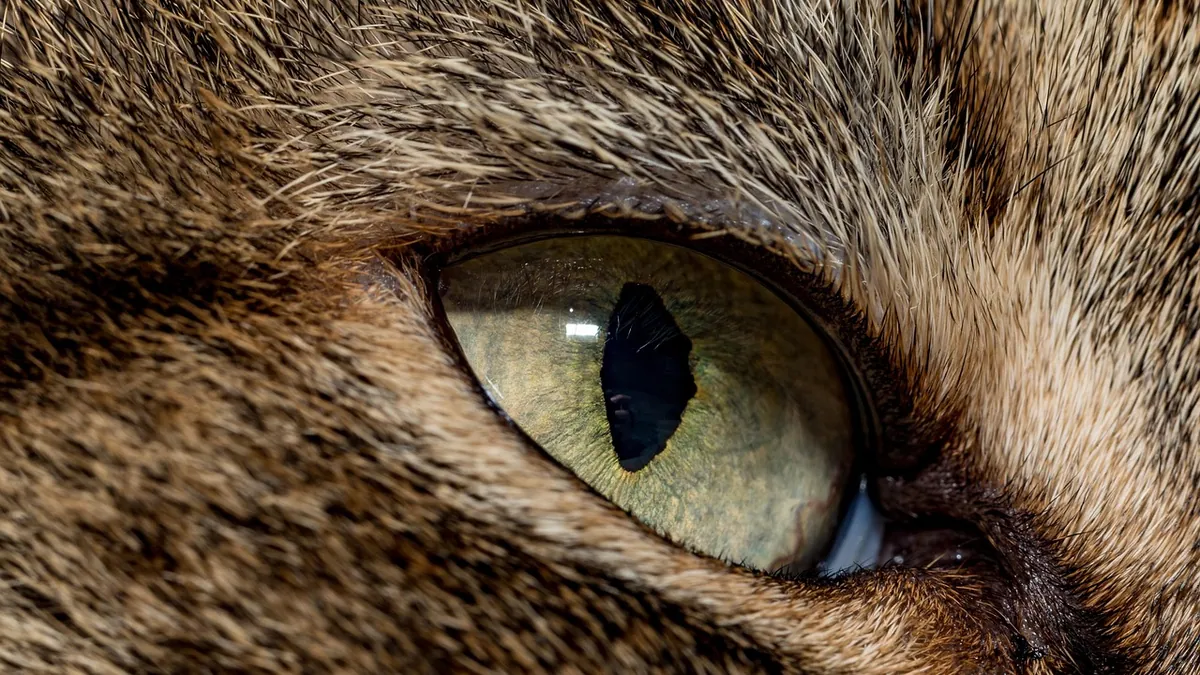
Most cat eye boogers are dried tears mixed with a little dust, and they are normal in small amounts. When the discharge turns yellow, green, thick, or shows up with squinting and redness, it usually means infection, allergy, or a blocked tear duct. This guide helps you tell ordinary cat eye boogers from the kind that needs a veterinarian.
This article is educational and is not a substitute for veterinary diagnosis or treatment.
Quick Answer
- A small amount of clear, crusty, or reddish-brown debris in the inner corner of the eye is normal tear staining in many cats.
- Clear watery eyes with no squinting, swelling, or pain often point to irritation, allergies, or a drainage problem.
- Yellow, green, or pus-like discharge, a swollen eye, or a cat that holds one eye shut needs a vet visit soon.
- Never use human eye drops or leftover pet medications unless your veterinarian prescribed them for this cat.
- Wipe the eye gently with a clean, damp cloth or cotton ball, and use a fresh one for each eye.
What Cat Eye Boogers Look Like and What Is Normal
Tears are made by the lacrimal gland at the top outer edge of each eye, and they normally drain through the nasolacrimal duct into the nose [1]. When that drainage is slow or the tears evaporate, the leftover fluid dries at the inner corner and forms a booger. In many cats this is a small, dark, crusty bit that you can wipe away once a day.
Normal cat eye boogers tend to be:
- Clear, gray, or reddish-brown
- Small in amount, usually a speck or a thin crust
- Present in both eyes, or more in one eye if that cat sleeps on that side
- Easy to wipe away with no squinting afterward
Flat-faced breeds like Persians and Himalayans often have more of this than other cats. Their shortened skull shape can affect how well tears drain and how the eyelids sit against the eye, and eye surface problems are common in these breeds [2].
What is not normal is a change in color, a sudden increase in amount, or discharge that comes with pain. A cat with a painful eye will squint, paw at the face, blink more, or keep the eye partly closed. Any of those signs means the eye needs a closer look.
If the discharge is watery and clear, our guide to cat eye discharge and when to worry walks through the same decision points.
What Causes Cat Eye Boogers?
The cause decides how urgent the problem is. Some causes are mild and long-standing. Others can damage the eye within a day or two.
| Cause | Typical clues | How urgent |
|---|---|---|
| Normal tear staining | Small, dark, crusty bits, no pain, no redness | Not urgent, monitor at home |
| Conjunctivitis (infection or inflammation) | Red, puffy tissue, watery or pus-like discharge, squinting | See a vet within 24 to 48 hours |
| Blocked tear duct | Constant watery eye on one side, wet fur below the eye, no pus | Routine visit |
| Allergies or irritants | Both eyes watery and clear, sneezing, itchy face | Routine visit |
| Foreign object or hair rubbing the eye | Sudden tearing, strong squinting, one eye only | Same day |
| Corneal ulcer | Pain, squinting, cloudy spot, tearing | Same day |
| Viral or bacterial upper respiratory illness | Sneezing, nasal discharge, eye discharge, low appetite | See a vet soon |
Conjunctivitis and Infection
Conjunctivitis is one of the most common eye surface problems in cats. The conjunctiva is the thin membrane that lines the eyelids and covers the white of the eye, and it helps make tears and protect the eye [3]. When it becomes inflamed, it produces more discharge, and that discharge often dries into colored boogers.
Tears from cats with conjunctivitis carry higher levels of inflammatory markers than tears from healthy cats, which confirms that the eye surface is actively inflamed [4]. That inflammation is why infected eyes look red and puffy and why the discharge changes from clear to yellow or green.
Blocked Tear Ducts and Watery Eyes
A blocked tear duct is a common reason a cat always has a wet eye on one side. The tear sac sits at the lower inner corner of the eye, and when it or the duct becomes blocked by debris, foreign material, or a mass pressing on it, tears cannot drain into the nose [1]. The result is a constantly watering eye, conjunctivitis that does not clear up with treatment, and sometimes a draining opening in the middle of the lower eyelid [1].
This is one cause of cat watery eyes that does not respond to antibiotic drops alone. If your cat keeps getting eye boogers on the same side for weeks, a drainage problem belongs on the list.
Allergies and Environmental Irritants
Allergies can make both eyes run clear. Cats can react to dust, pollen, litter dust, smoke, and fragrances. Cat allergens themselves are a well-known trigger for allergic respiratory disease in people, and allergy testing based only on blood work can miss real reactions [5]. The same principle applies to cats, where the history and the pattern of signs matter more than a single test.
Allergy-related discharge is usually clear and watery, affects both eyes, and comes with sneezing or itchy skin. If your cat is sneezing along with the eye watering, see cat sneezing causes and when to worry.
Foreign Objects, Hair, and Eyelid Problems
A stray hair, an eyelash growing in the wrong place, or a bit of grit can irritate the eye surface and cause sudden tearing. One report described a young Maine Coon cat with abnormal hairs growing from the third eyelid, causing long-term watery eyes and squinting in both eyes [6]. That cat also had rolled-in eyelids, which made the hairs rub against the eye [6].
Eyelid shape matters too. Cats with entropion (eyelids that roll inward) or extra eyelid tissue can have chronic discharge because hair and skin keep contacting the eye [6]. These problems often need surgical correction, not just drops.
Corneal Ulcers and Other Serious Eye Disease
A corneal ulcer is a scratch or defect on the clear surface of the eye. It is painful, and it can worsen quickly if it gets infected. Any cat with sudden squinting, heavy tearing, and a cloudy or bluish spot on the eye should be seen the same day.
Eye problems can also be a sign of disease elsewhere in the body. One case report described a cat with diabetes that had a history of conjunctivitis, swelling around the left eye, and excessive tearing before cataracts were diagnosed [7]. That does not mean every cat with eye boogers has diabetes, but it shows why a vet looks at the whole cat.
If your cat also has red, painful ears, our article on cat ear infection with redness covers that pattern.
Red Flags That Mean an Emergency
Go to an emergency clinic now, or call one, if you see any of these:
- The eye is swollen shut or bulging
- The eyeball looks cloudy, blue, or has a visible defect
- Your cat is crying out, pawing hard at the face, or cannot settle
- There is bleeding from the eye or surrounding tissue
- The eye was hit, scratched, or exposed to a chemical
- Sudden blindness, or your cat bumps into furniture
- The third eyelid is covering most of the eye and will not retract
For chemical exposure or a suspected poisoning, call the ASPCA Animal Poison Control Center at (888) 426-4435 or the Pet Poison Helpline at (855) 764-7661. Both may charge a consultation fee.
For everything else, the timing depends on the signs. Colored discharge with a red eye is a same-day or next-day call. A long-standing watery eye with no pain can wait for a routine appointment.
Safe Things You Can Do at Home While You Wait
You can keep the eye clean and comfortable without risking harm. Here is what is safe.
- Wipe from the inner corner outward with a clean, damp cotton ball or soft cloth. Use a new one for each eye so you do not spread infection.
- Use plain warm water or sterile saline. Do not use contact lens solution, hydrogen peroxide, or human eye drops.
- Keep the fur below the eye dry. Constant moisture can irritate the skin.
- Reduce dust and strong scents in the room. Switch to a low-dust litter if you suspect litter dust is a trigger.
- Note the color, amount, and which eye is affected, plus any sneezing or appetite changes. This history helps your vet.
Do not do these things:
- Do not use antibiotic drops left over from another pet or a previous illness.
- Do not use steroid eye drops. Steroids can make a corneal ulcer much worse.
- Do not try to remove a foreign object from the eye yourself.
- Do not delay a vet visit because the discharge seems to be improving slightly.
If your cat is sneezing and has eye discharge together, the pattern often points to an upper respiratory cause. Our guide to eye discharge from herpesvirus, chlamydia, and conjunctivitis explains those triggers.
What Your Veterinarian Will Check and Test
Your vet will start with a full eye exam in a dim room, using a light and a magnifier. They will check the eyelids, the third eyelid, the conjunctiva, the cornea, and the inside of the eye.
Common tests include:
- Schirmer tear test. A small strip of paper measures tear production. Low values suggest dry eye, and this test is standard in flat-faced breeds with eye problems [2].
- Fluorescein stain. A yellow dye shows scratches and ulcers on the cornea. It is also used in breed studies of eye surface disease [2].
- Tear film break-up time. This measures how long the tear film stays stable on the eye, and it is another standard test in brachycephalic cats [2].
- Eye pressure check. This rules out glaucoma and other pressure problems.
- Conjunctival swab or culture. If infection is suspected, a sample can identify the organism.
- Nasolacrimal duct flush. If a blocked duct is suspected, your vet may flush the duct with sterile water or saline to try to open it [1]. X-rays after injecting dye into the duct can show where the blockage is and what the long-term outlook is [1].
Treatment depends on the cause. Bacterial infection is treated with antibiotic eye drops, and the dose and frequency are set by your veterinarian based on your cat's weight, the specific drug, and how severe the infection is. Blocked ducts are managed by keeping the duct open plus antibiotic drops, and surgery may be needed if the duct is permanently damaged [1].
Never guess a dose. Your vet calculates it for your cat.
Prevention and Monitoring
You cannot prevent every eye problem, but you can lower the odds and catch issues early.
- Check both eyes once a day. A quick look during petting is enough.
- Keep the face clean. Wipe normal crusts before they build up.
- Control dust and irritants. Wash bedding, avoid scented litter, and keep smoke away.
- Watch flat-faced cats closely. Brachycephalic cats have a higher rate of eye surface disease, so routine eye checks matter more for them [2].
- Treat other health problems. Diabetes and other systemic illness can affect the eyes, so keep up with regular vet care [7].
- Know your cat's baseline. If your cat always has a small crust in the morning, that is normal for them. A change from that baseline is the signal.
Limitations and When to Contact a Veterinarian
No article can examine your cat's eye. Only a veterinarian can look at the cornea, measure tear production, and check for ulcers. Individual cases need a veterinarian, and the timing below is a guide, not a diagnosis.
Call an emergency clinic now for a swollen or bulging eye, a cloudy eye, sudden blindness, bleeding, chemical exposure, or a cat in obvious pain.
Call your vet the same day for new colored discharge, a red or squinting eye, a cloudy spot, or a cat that stops eating.
Schedule a routine visit for long-standing clear watery eyes on one side, recurring mild crusts, or any discharge that keeps coming back after treatment.
Frequently Asked Questions
Are cat eye boogers always a sign of infection?
No. Small amounts of clear, gray, or reddish-brown crust are normal tear staining in many cats. Infection is more likely when the discharge is yellow or green, the eye is red or swollen, or your cat squints.
Why does my cat always have eye boogers in the morning?
Morning crusts are common because tears pool and dry while your cat sleeps. If the amount is small, the color is dark, and the eyes look comfortable during the day, this is usually normal. A sudden increase or a change in color is the signal to call your vet.
Can I use human eye drops on my cat?
No. Human eye drops can contain preservatives, steroids, or other ingredients that are harmful to cats. Steroid drops in particular can worsen a corneal ulcer. Only use drops your veterinarian prescribes for this cat.
Does a blocked tear duct need surgery?
Not always. Many blocked ducts can be managed by flushing the duct and using antibiotic drops. Surgery to create a new drainage pathway is reserved for ducts that are permanently damaged and cannot be reopened.
Can allergies cause eye boogers in cats?
Yes. Allergies often cause clear, watery discharge in both eyes, sometimes with sneezing or itchy skin. Because allergy signs overlap with infection and other eye disease, a vet visit is the best way to sort out the cause.
Related Articles
- Cat Sneezing: Common Causes and When to Worry
- Cat Eye Discharge: When Should You Worry?
- Why Is My Cat having eye discharge? Herpesvirus Chlamydia and Conjunctivitis
- Why Is My Cat Sneezing?
- Cat Ear Infection with Redness: Causes and When to Worry
- Cat Vomiting at Night: Causes and When to Worry
- Why Is My Cat's Eye Watering? Causes and When to Worry
- Eye Mucus in Cats: Causes and When to See a Vet
- Why Is My Cat Keeping One Eye Closed? Causes and Care
References
- Disorders of the Nasal Cavity and Tear Ducts in Cats - Cat Owners. Merck Veterinary Manual.
- Ocular disorders in brachycephalic cats and dogs: A clinical study from Türkiye. Canadian journal of veterinary research = Revue canadienne de recherche veterinaire, 2026.
- Disorders of the Conjunctiva in Cats - Cat Owners. Merck Veterinary Manual.
- Tear cytokines as potential markers of inflammation in feline conjunctivitis. Veterinary ophthalmology, 2025.
- Local allergic asthma to cat allergens. The journal of allergy and clinical immunology. Global, 2026.
- Bilateral Third Eyelid Ectopic Cilia in a Maine Coon Cat. Veterinary ophthalmology, 2026.
- Rare occurrence of an intumescent cataract in a diabetic domestic longhair cat. JFMS open reports, 2026.