Progressive Retinal Atrophy in Cats: Symptoms and Breeds
By Dr. Zubair Khalid, DVM, MS, PhD ·
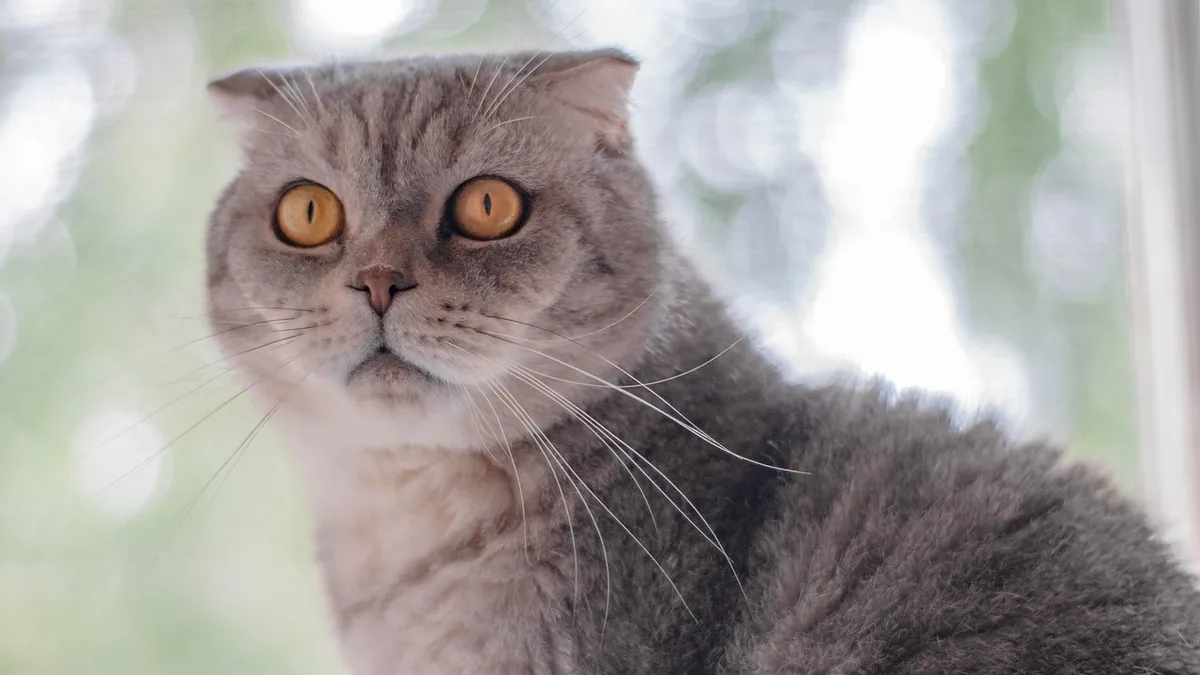
Progressive retinal atrophy in cats symptoms usually begin with trouble seeing in dim light, and the disease slowly moves toward full blindness over months to years. It is an inherited breakdown of the retina, the light-sensing tissue at the back of the eye, and no treatment reverses it today. This article is educational and is not a substitute for veterinary diagnosis or treatment.
Quick Answer
- Early signs are subtle: your cat may hesitate on stairs, misjudge jumps, or seem clumsy in low light.
- The pupils often stay wide open, even in a bright room, because the retina can no longer respond to light.
- Abyssinian cats are the breed most clearly linked to inherited progressive retinal atrophy, and Siamese and Bengal cats are also discussed as affected breeds.
- No therapy restores lost retina, so care focuses on diagnosis, safety at home, and watching for related problems such as cataracts.
- Any sudden vision loss, eye pain, or a change in pupil size needs a veterinary visit, not a wait-and-see approach.
What Progressive Retinal Atrophy in Cats Actually Is
The retina lines the back of the eye and holds the photoreceptor cells that turn light into nerve signals. In progressive retinal atrophy, or PRA, those cells gradually stop working and die. The Merck Veterinary Manual describes PRA as a group of diseases that cause retinal degeneration, including inherited abnormalities of the light-sensitive layer of the retina [1].
In Abyssinian cats, the condition appears as both abnormal retinal development and ongoing degeneration [1]. That combination helps explain why some cats show signs young while others decline more slowly.
The word "progressive" matters. This is not a one-time injury that heals. It is a slow loss that usually moves from the rods, which handle dim light, to the cones, which handle bright light and detail. That order is why night vision goes first.
PRA is one type of retinal disease among many. If you want a broader look at how feline eyes work and what else can go wrong, see Cat Eyes: Understanding Feline Vision, Common Eye Problems & Care Tips.
Progressive Retinal Atrophy in Cats Symptoms: What You Will Notice First
Cats hide vision loss well. They memorize furniture, follow scent, and use whiskers to judge distance. By the time you see obvious blindness, the retina may already be badly damaged.
Early signs
- Bumping into objects that have moved, while walking confidently through the usual layout
- Pausing at the top of stairs or refusing to jump onto a favorite perch
- A wide, fixed stare and pupils that do not narrow much in bright light
- Reluctance to go out at night or to chase toys in dim rooms
- Startling easily when you approach from the side
Later signs
- Obvious bumping, especially in new places
- Walking with a low, cautious posture
- Eyes that look reflective or shiny when a light hits them
- Cloudy spots in the lens, which can be cataracts forming late in the disease
That last point matters for diagnosis. The Merck Veterinary Manual notes that cataracts can appear late in the course of PRA and may make the underlying retinal disease harder to detect [1]. In other words, a cloudy eye is not always the whole story.
Signs that are not PRA
Not every vision problem is inherited retinal atrophy. A scoping review of enrofloxacin-associated eye disease in cats found reports in 163 cats, with loss of vision, dilated pupils, and altered pupil light responses reported most often, plus increased tapetal reflectivity, narrowed retinal vessels, and retinal degeneration [2]. That is a drug-related problem, not PRA, but the outward signs can look similar. This is one reason a veterinary eye exam matters more than a guess based on symptoms alone.
Which Breeds Are Affected
PRA in cats is less common and less well mapped than in dogs, but certain breeds come up again and again.
| Breed | What is known | What owners should do |
|---|---|---|
| Abyssinian | PRA occurs as both abnormal retinal development and degeneration, with night blindness early and total blindness over months to years [1] | Ask the breeder about eye screening in the bloodline and have yearly eye exams |
| Siamese | Often discussed among breeds with inherited retinal disease, and Siamese lines appear in feline retinal degeneration research [3] | Watch for early night blindness and mention the breed at every wellness visit |
| Bengal | Also discussed among affected breeds, though published feline data are thinner than for Abyssinians | Keep a written log of any vision changes and share it with your vet |
| Domestic shorthair and longhair | PRA can still occur, and other retinal diseases are common in mixed breeds | Do not assume a mixed-breed cat is safe from retinal disease |
A note on the Siamese and Bengal entries: the strongest feline evidence in the veterinary literature centers on Abyssinians [1], while Siamese and Bengal cats appear in broader discussions of inherited retinal degeneration and gene therapy models in cats and dogs [3]. Breed reputation is a reason to screen, not a diagnosis.
Causes and Risk Factors
Inherited disease
The core cause of PRA is genetics. Affected cats inherit a faulty instruction that leads to photoreceptor death [1]. Because many inherited retinal degenerations follow a recessive pattern, two clinically normal parents can produce affected kittens [3].
Diet and taurine
Cats need taurine in their diet to prevent retinal disease and degeneration. Commercial cat foods in the United States are required to contain enough taurine, and the condition is rarely seen in pets eating a good-quality commercial cat diet [1]. If your cat eats a homemade diet, a vegan diet, or a heavily unbalanced diet, that is a real risk factor worth a conversation with your veterinarian.
Infection during pregnancy
Retinal dysplasia, an abnormal retinal development present at birth, can result from trauma, a genetic defect, or damage in the womb. Viral infections in the mother, such as panleukopenia, especially early in fetal development, can cause retinal dysplasia and other eye abnormalities in kittens [1]. This is a different condition from PRA, but it can also affect vision.
Medications
Enrofloxacin has been linked to retinal degeneration in cats, and reported cases include vision loss and pupil changes [2]. Never give your cat a medication prescribed for another animal, and ask your vet about eye risks before any fluoroquinolone antibiotic.
Other systemic disease
Retinal problems can ride along with disease elsewhere in the body. For a look at how a common feline heart condition affects the whole cat, see Hypertrophic Cardiomyopathy in Cats.
How PRA Is Diagnosed
Your veterinarian starts with history. When did you first notice the change? Does your cat see a toy in a dim room? Has the layout of your home changed recently?
Next comes the eye exam. Your vet will check pupil responses, look at the lens for cataracts, and examine the retina through a dilated pupil. In PRA, the retina often looks thin and the retinal blood vessels look narrow, though late cataracts can hide those changes [1].
A referral to a veterinary ophthalmologist may follow. Electroretinography, which measures the retina's electrical response to light, is the standard way to confirm retinal function loss. Genetic testing is available for some inherited retinal conditions, and gene therapy research in cats and dogs has advanced because naturally occurring feline retinal degenerations resemble human ones [3].
Because vision loss can also come from glaucoma, high blood pressure, infection, or drug effects, your vet may run blood work and a blood pressure check. A case report on a large felid with primary open-angle glaucoma described absent pupil light reflexes and irreversible vision loss from elevated eye pressure [4]. Domestic cats can develop glaucoma too, and it is painful. Ruling it out is part of a complete workup.
Treatment Options for Progressive Retinal Atrophy in Cats
There is no effective therapy that reverses PRA [1]. That is the honest answer, and it is better to hear it plainly than to chase unproven cures.
What veterinarians can do
- Confirm the diagnosis so you are not treating the wrong disease
- Treat any painful or treatable eye condition found along the way, such as glaucoma or uveitis
- Manage cataracts if they develop and if surgery is appropriate for your cat
- Address high blood pressure or other systemic disease that could worsen vision
- Refer you to a veterinary ophthalmologist for advanced testing
What is on the horizon
Gene therapy using viral vectors has shown promise in inherited retinal degenerations, and it works best when given before photoreceptor loss is advanced, while enough "rescuable" photoreceptors remain [3]. Several naturally occurring retinal degenerations in dogs and cats have been used in preclinical trials that supported human clinical trials [3]. That research is real and encouraging, but it is not yet a routine treatment for cats with PRA.
What does not work
No supplement, diet, or home remedy has been shown to restore a degenerated feline retina. If a product claims to reverse blindness, ask your veterinarian before spending money.
Recovery, Outlook, and Long-Term Management
PRA does not recover. In Abyssinian cats, night blindness appears early and progresses to total blindness over months to years [1]. The timeline varies by cat and by the specific genetic cause.
The good news is that blind cats often do remarkably well. They rely on memory, smell, hearing, and touch. Your job is to make the house predictable.
Home changes that help
- Keep food, water, litter boxes, and beds in fixed spots
- Avoid moving furniture, or move it slowly and guide your cat through the new layout
- Talk before you touch, so you do not startle a cat who cannot see you coming
- Use night lights or motion lights in hallways and near stairs
- Block stairs and balconies with baby gates until your cat learns the boundaries
- Keep the litter box easy to reach, especially for an older cat
- Use textured mats or rugs to mark important areas
Watch for these related problems
Cataracts can form late in PRA and complicate the picture [1]. Glaucoma causes pain and needs prompt treatment, and the tiger case report shows how severe untreated pressure-related vision loss can be [4]. If your cat also has kidney disease, blood pressure control matters for the eyes. For related reading, see Symptoms Of Kidney Disease In My Cat.
Routine care
Plan on eye exams at least once a year, or more often if your vet recommends it. Keep your cat indoors, since a blind cat cannot dodge cars or predators. Maintain a high-quality commercial diet with adequate taurine [1]. Tell every veterinarian who sees your cat that PRA is in the history, because that changes how they interpret a cloudy eye or a dilated pupil.
Prevention
You cannot prevent an inherited disease in a cat that already carries the genes. You can reduce the odds of passing it on.
- Ask breeders about eye screening and genetic testing in the parent cats
- Have your cat's eyes examined before breeding
- Feed a complete commercial cat diet that meets taurine requirements [1]
- Keep pregnant cats up to date on vaccines and away from infectious disease, since maternal infection can damage kitten retinas [1]
- Use antibiotics only as prescribed, and ask about eye risks with enrofloxacin [2]
- Schedule wellness exams so early retinal changes are caught before vision is gone
If you are choosing a kitten from a breed with known retinal disease, ask for documentation. A responsible breeder will have it.
Limitations and When to Contact a Veterinarian
This article gives general information. Your cat's case needs a veterinarian who can examine the eyes and run tests.
Contact a veterinarian the same day if you notice:
- Sudden vision loss, especially if it happened over hours or a day
- A pupil that stays wide open and does not respond to light
- Cloudiness in one or both eyes that appeared quickly
- Squinting, pawing at the eye, or a red or swollen eye
- A head tilt, circling, or unsteady walking
Go to an emergency clinic now if your cat has a painful eye with a hard, bulging appearance, has been hit by a car or taken a fall, or has sudden blindness with collapse, vomiting, or severe weakness.
Schedule a routine visit if you have noticed slow changes over weeks, such as hesitating on stairs, bumping into things at night, or seeming less interested in toys. Early documentation helps your vet track the disease over time.
Frequently Asked Questions
Is progressive retinal atrophy in cats painful?
No, PRA itself is not painful. The retina degenerates without causing pain, which is one reason cats hide it so well. However, other eye diseases that cause vision loss, such as glaucoma, are painful, so any squinting or eye rubbing needs a veterinary exam [4].
Can a cat with PRA still have a good quality of life?
Yes, most blind cats adapt well with a stable home layout. Keep routines consistent, avoid moving furniture, and use sound and scent to help your cat find food, water, and litter. Many cats with PRA live full lives indoors.
Will my cat's pupils always look dilated with PRA?
Dilated pupils that respond poorly to light are common as the retina loses function. The same sign can appear with drug-related retinal damage, where mydriasis and altered pupil light responses were among the most reported findings [2]. A vet exam is the only way to tell the difference.
Does taurine deficiency still cause retinal disease in cats?
It can, but it is rare in pets fed a good-quality commercial cat diet, because those foods are required to contain enough taurine [1]. The risk rises with homemade, unbalanced, or vegan diets. If you cook for your cat, ask your vet to review the recipe.
Can gene therapy cure PRA in cats right now?
Not yet as a routine treatment. Gene therapy has shown real promise in inherited retinal degenerations and works best before advanced photoreceptor loss, and feline models have contributed to that research [3]. For now, management focuses on diagnosis, comfort, and home safety.
Related Articles
- Cat Eyes: Understanding Feline Vision, Common Eye Problems & Care Tips
- Hypertrophic Cardiomyopathy in Cats
- Feline Ocular Diseases: Common Conditions and Treatment
- Pancreatitis In Cats Symptoms
- Symptoms Of Kidney Disease In My Cat
- Ear Polyps in Cats: Signs, Diagnosis, Surgery, and Recurrence
- Cat Vision Loss and Blindness: Signs and Causes
- Sudden Blindness in Cats: Why Dilated Pupils Matter
- Senior Cat Eye Changes: Discharge, Cloudiness, Staring
References
- Disorders of the Retina, Choroid, and Optic Disk (Ocular Fundus) in Cats - Cat Owners. Merck Veterinary Manual.
- Enrofloxacin-associated ocular disease in cats: A scoping review. The Canadian veterinary journal = La revue veterinaire canadienne, 2025.
- Gene therapy advances using canine and feline animal models of inherited retinal degeneration. Eye (London, England), 2025.
- Glaucoma in a Siberian Tiger (Panthera tigris altaica) Maintained Under Human Care: A Case Report. Animals : an open access journal from MDPI, 2026.