Kennel Cough in Cats: Symptoms, Sound, and Treatment
By Dr. Zubair Khalid, DVM, MS, PhD ·
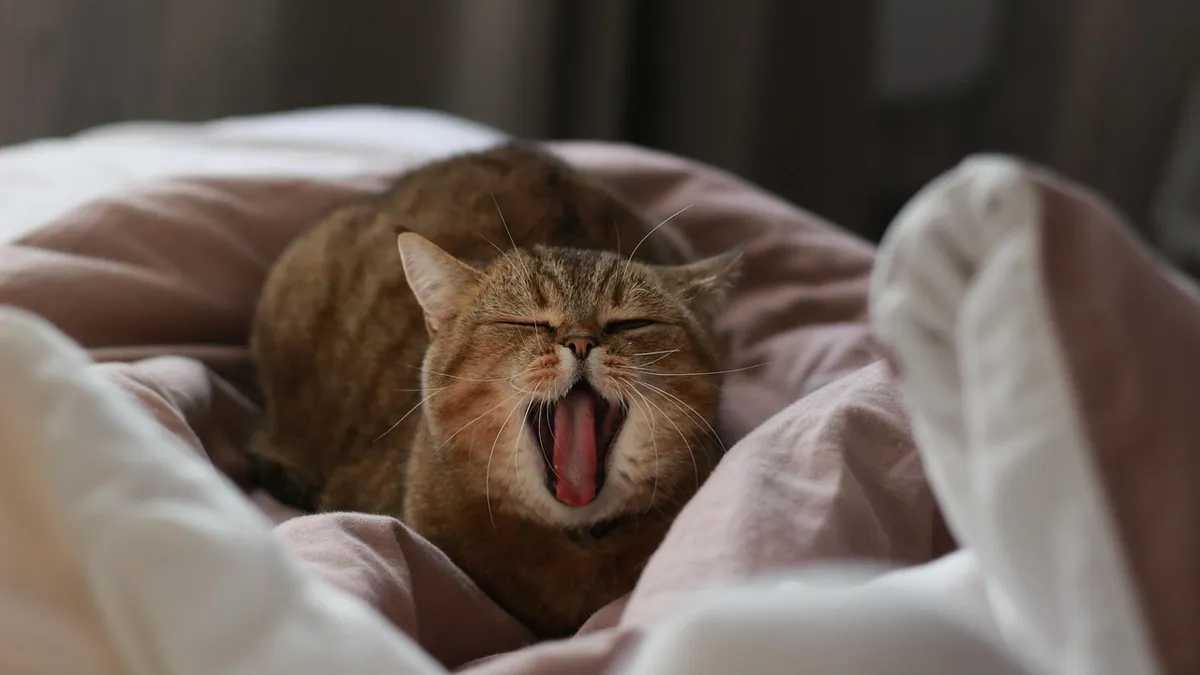
Kennel cough in cats symptoms usually start as a dry, honking cough that can sound like something is stuck in the throat. The term "kennel cough" is borrowed from dogs, and in cats the same group of airway infections causes a similar dry cough, often with sneezing or a runny nose. Most cases are mild and improve on their own, but kittens and cats with other health problems can get sicker. This article is educational and is not a substitute for veterinary diagnosis or treatment.
Quick Answer
- Kennel cough in cats is an infectious inflammation of the windpipe (trachea) and upper airways, most often caused by Bordetella bronchiseptica, feline herpesvirus, feline calicivirus, or Mycoplasma species [1][2].
- The classic sound is a dry, harsh, honking cough, sometimes followed by gagging or a retch that brings up foam or nothing at all.
- Most otherwise healthy adult cats recover with rest, good air quality, and time, but antibiotics are only appropriate when a veterinarian suspects a bacterial infection or a cat is getting worse [3].
- Kittens from shelters, catteries, or multi-cat homes are at higher risk because the infection spreads quickly in close quarters [1].
- A cough that lasts more than a few days, comes with breathing trouble, or affects a kitten needs a veterinary visit.
What Is Kennel Cough in Cats?
Kennel cough is a catch-all name for infectious tracheobronchitis, which means inflammation of the trachea and the bronchi. In dogs, this syndrome is well described and spreads fast among animals housed together in kennels, daycares, and hospitals [1]. Cats get a similar upper airway infection, and the label "kennel cough" sticks because the pattern of spread and the dry cough look alike.
The cough itself is a reflex that protects the airway. When the lining of the trachea is irritated, the body triggers a coordinated burst of muscle activity to push air and debris out [4]. That reflex is why the cough sounds so forceful and why it often comes in bouts instead of single coughs. Repeated stimulation can actually reduce how many coughs a cat produces over time, which is one reason a cough may seem to fade and then flare again [5].
In cats, the infection usually settles in the nose, throat, and windpipe. It rarely reaches deep into the lungs in healthy adults, but it can in kittens or cats with weakened immunity.
Kennel Cough in Cats Symptoms: What You Will Notice
The signs of kennel cough in cats overlap with many other respiratory problems, so the pattern matters as much as any single symptom.
The cough and the sound
Owners often describe a honking, goose-like, or dry hacking cough. Some cats sound like they are trying to clear a hairball but nothing comes up. Others produce a soft wheeze between coughs. The cough may be triggered by drinking, purring, or pressure on the neck from a collar.
A cough in a cat is never normal. If you are trying to sort out what you are hearing, this guide to a dry cough in a cat walks through the common sounds and what they can mean.
Other signs owners notice
- Sneezing and clear or cloudy nasal discharge
- Watery eyes or squinting
- A hoarse meow or a change in voice
- Gagging or retching after a coughing fit
- Mild lethargy and reduced appetite
- Occasional low fever
Many cats with kennel cough stay bright and continue eating. That is one clue that separates a mild upper airway infection from more serious lung disease.
Kennel cough in kittens
Kittens are more likely to develop severe disease because their airways and immune systems are still developing. In dogs, puppies are more prone to severe illness from kennel cough [1], and the same principle applies to kittens. A kitten with a cough, poor appetite, or noisy breathing should be seen promptly. Severe airway disease such as bronchiectasis has been reported in kittens younger than six months, sometimes alongside Mycoplasma felis infection [6].
What Causes Kennel Cough in Cats?
Kennel cough has multiple causes, and in dogs the most common players are Bordetella bronchiseptica, canine parainfluenza virus, and canine adenovirus 2, with coinfections being typical [1]. Cats have their own version of this mix.
The main infectious causes
- Bordetella bronchiseptica. This bacterium can act as a primary pathogen on its own, and it is one of the classic causes of infectious tracheobronchitis [1]. Cats can catch it from dogs and from other cats.
- Feline herpesvirus (FHV) and feline calicivirus (FCV). These are common upper respiratory viruses in cats. In one study, FHV was found in 39.1% of cats with rhinitis compared to 8.1% of healthy cats [2].
- Mycoplasma species. Mycoplasma was detected in 28.3% of cats with rhinitis versus 5.4% of healthy controls, and Mycoplasma felis appeared in 21.7% of rhinitis cases but in none of the healthy cats [2]. Mycoplasma has also been found in kittens with severe airway disease [6].
- Secondary bacteria. After a virus damages the airway lining, bacteria such as Pseudomonas, Escherichia coli, and Klebsiella pneumoniae can move in and cause a second infection [1].
Risk factors
Crowding is the biggest one. The illness spreads rapidly among susceptible animals housed in close confinement, such as shelters, boarding facilities, and hospitals [1]. Stress and extremes of ventilation, temperature, and humidity increase both susceptibility and severity [1]. Kittens, senior cats, and cats with chronic illness or immunosuppression are at higher risk.
How Kennel Cough Is Diagnosed
Your veterinarian starts with the history and a physical exam. They will ask about the cough's sound and timing, recent shelter or boarding exposure, other cats in the home, and whether the cat is eating and acting normally. A thorough history and exam, along with the cat's age and breed, help prioritize the likely causes [3].
Tests your vet may recommend
- Chest radiographs (X-rays). These look for pneumonia, airway thickening, or other lung changes.
- Airway sampling. Swabs or washes can be tested with PCR for Bordetella, Mycoplasma, herpesvirus, and calicivirus [2].
- Bloodwork. This checks overall health and looks for signs of infection or other disease.
- Advanced imaging. CT, fluoroscopy, and bronchoscopy are sometimes used when the diagnosis is unclear or the cough is long standing [3].
Not every cat with a mild cough needs a full workup. If the signs are mild and the cat is otherwise well, your vet may treat supportively and watch for changes.
Kennel cough versus asthma
This is the question owners ask most. Asthma causes cough, wheeze, and labored breathing, but it is not contagious and does not come with fever or nasal discharge in most cases. Kennel cough usually follows contact with other cats and often includes sneezing or a runny nose. Asthma tends to be triggered by allergens, smoke, or stress and responds to anti-inflammatory drugs and bronchodilators [3]. If your cat has repeated coughing episodes without any infectious signs, asthma or another chronic airway disease moves up the list. A guide to cat coughing causes covers how vets separate these possibilities.
Kennel Cough in Cats Treatment
Treatment depends on how sick your cat is. Many mild cases need only supportive care. The goal is to keep the cat comfortable, protect the airway, and prevent a mild infection from turning into pneumonia.
Supportive care at home
- Keep the air clean. Avoid smoke, strong cleaners, scented candles, and dusty litter.
- Use a humidifier or run a warm shower to add moisture to the air.
- Offer soft, warm, appealing food and fresh water.
- Keep the cat quiet and away from other cats to limit spread.
- Use a harness instead of a neck collar if pressure triggers coughing.
For more home strategies, see cat coughing treatment at home.
When antibiotics are appropriate
Antibiotics are not automatic. They are reasonable when a veterinarian suspects a bacterial cause such as Bordetella or Mycoplasma, when a secondary bacterial infection is likely, or when a cat is not improving [3]. Viral causes do not respond to antibiotics. Your veterinarian will choose the drug and calculate the dose based on your cat's weight, age, and health. Never give leftover antibiotics from another pet or a previous illness.
Other medications
Vets sometimes use anti-inflammatories, bronchodilators, or cough suppressants for chronic cough, and treatment can proceed even without a definitive diagnosis [3]. Cough suppressants are used carefully because coughing clears the airway, and suppressing it completely can be harmful if infection is present.
What not to do
Do not give human cold medicines, cough syrups, or pain relievers. Many are toxic to cats. Do not assume a cough is hairballs and wait weeks to seek care.
Recovery, Outlook, and Long-Term Management
Most healthy adult cats with mild kennel cough improve within one to three weeks. The cough may linger after other signs resolve because the airway lining takes time to heal. In dogs, kennel cough is typically mild and self-limiting, though it can progress to bronchopneumonia in puppies or chronic bronchitis in debilitated older animals [1]. Cats follow a similar pattern.
Watch for these during recovery:
| Sign | What it may mean | Action |
|---|---|---|
| Cough slowly improving, cat eating well | Normal recovery | Continue home care, recheck if not better in a week |
| Cough worsening or lasting over 3 weeks | Possible pneumonia or chronic airway disease | Schedule a veterinary visit |
| Open-mouth breathing, blue gums, collapse | Emergency | Go to a vet now |
| Kitten with cough and poor appetite | Higher risk of severe disease | See a vet the same day |
Cats with herpesvirus or chronic airway damage may have flare-ups during stress. Keeping the environment calm, avoiding crowding, and staying current on wellness visits helps reduce recurrence.
Prevention
- Limit exposure. Keep new cats separated for a week or two before introductions, especially if they came from a shelter.
- Reduce stress. Stress increases susceptibility to respiratory disease [1].
- Keep vaccinations current. Core vaccines reduce the severity of herpesvirus and calicivirus illness.
- Practice good hygiene. Wash hands and bowls between cats, and clean litter boxes daily.
- Ask about Bordetella. If your cat boards or attends group settings, ask your vet whether a Bordetella vaccine is appropriate.
Limitations and When to Contact a Veterinarian
This article cannot tell you what is causing your cat's cough. Only a veterinarian who examines your cat can do that. Use the timing below as a guide.
Contact a veterinarian the same day if:
- A kitten has a cough, especially with poor appetite or lethargy
- Your cat has a fever, yellow or green nasal discharge, or stops eating
- The cough is getting worse instead of better
- Your cat has a chronic illness or takes immune-suppressing medication
Go to an emergency clinic now if:
- Your cat is open-mouth breathing or breathing with the belly
- Gums look blue, gray, or pale
- Your cat collapses, seems weak, or cannot settle
- There is heavy or bloody discharge from the nose
Schedule a routine visit if:
- The cough lasts more than a few days
- The cough keeps coming back
- You are unsure whether the sound is a cough or a hairball
- Other cats in the home start coughing
If you are ever unsure whether a symptom is urgent, call your vet or a pet poison hotline. For general guidance on severity, see cat coughing: when should you worry.
Frequently Asked Questions
Is kennel cough contagious to other cats?
Yes, the infections behind kennel cough spread easily between cats in close contact. Bordetella, herpesvirus, calicivirus, and Mycoplasma all pass through droplets, shared bowls, and shared bedding. Isolate a coughing cat from others until your vet clears them.
Can my cat catch kennel cough from my dog?
It is possible. Bordetella bronchiseptica infects both species, and dogs are a well-known source of the bacterium [1]. If your dog has been coughing or recently boarded, keep some distance between the pets and wash your hands after handling each one.
Does kennel cough in cats always need antibiotics?
No. Many cases are viral and improve with supportive care alone. Antibiotics are used when a bacterial cause is suspected or a secondary infection is likely [3]. Your veterinarian decides based on the exam, history, and test results.
How long does kennel cough last in cats?
Most mild cases improve within one to three weeks. The cough can outlast the other signs because the airway lining needs time to heal. If the cough lasts longer than three weeks or keeps returning, your cat needs a recheck.
Can I use human cough medicine for my cat?
No. Human cough syrups and cold medicines can be toxic to cats, and dosing is not the same. Even pet-safe cough suppressants should only be given when a veterinarian prescribes them, because coughing helps clear the airway.
Related Articles
- Cat Coughing Treatment At Home
- Cat Coughing: Causes and When to Seek Help
- Dry Cough In A Cat
- Cat Coughing Sneezing
- Cat Coughing: When Should You Worry?
- Dog Coughing Treatment
- Is Kennel Cough in Cats Contagious? What Owners Should Know
- Wheezing in Cats: Causes, Sounds, and When to See a Vet
- Noisy Breathing in Cats: Causes of Congested Sounds
- Bordetella bronchiseptica in Dogs and Cats: Kennel Cough Pathogenesis, Diagnosis, and Control
- Bacterial Respiratory Infections in Cats: Etiology, Clinical Signs, and Treatment
References
- Kennel Cough - Respiratory System. Merck Veterinary Manual.
- EXPRESS: Detection of Mycoplasma species and respiratory pathogens in cats with rhinitis and healthy cats. Journal of feline medicine and surgery, 2026.
- The Approach to Chronic Cough in Dogs and Cats. The Veterinary clinics of North America. Small animal practice, 2026.
- Interaction of tracheobronchial cough and expiration reflex in the cat. Respiratory physiology & neurobiology, 2026.
- Changes in cough motor output during repetitive mechanical stimulation of the tracheobronchial tree in cats. Respiratory physiology & neurobiology, 2025.
- Case Report: Severe bronchiectasis in three kittens with detection of Mycoplasma felis: radiographic and computed tomography findings. Frontiers in veterinary science, 2026.