Kitten Not Playful? Reasons and When to Worry
By Dr. Zubair Khalid, DVM, MS, PhD ·
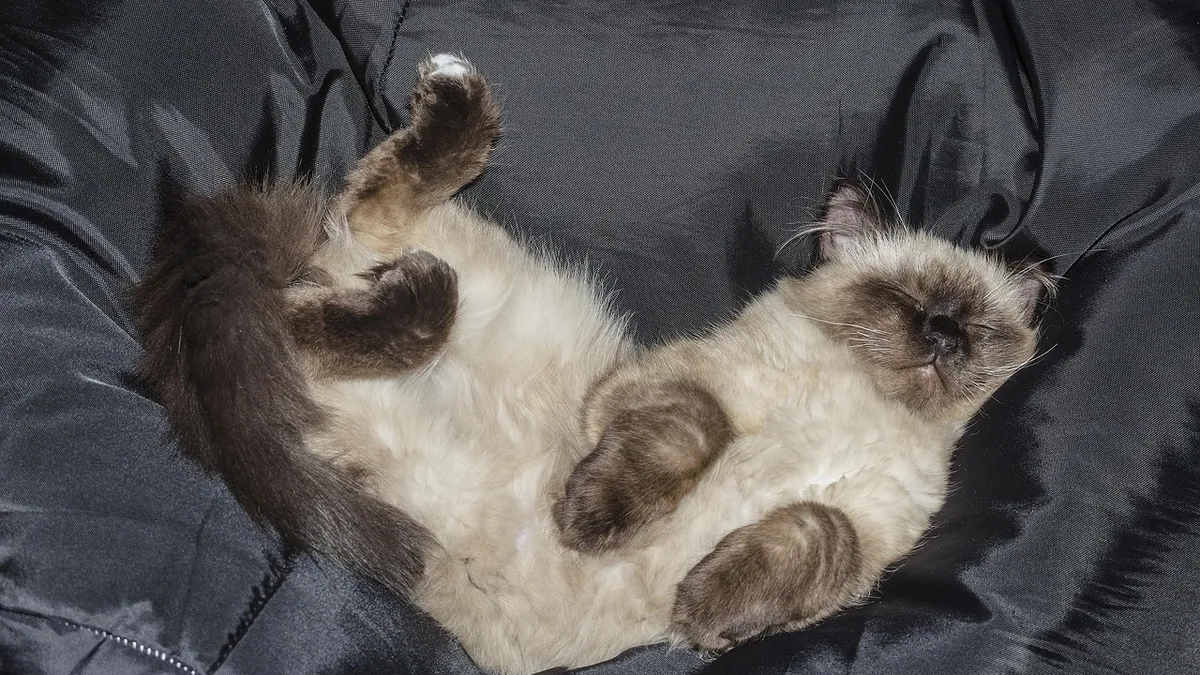
A kitten not very playful is often just a calm or tired kitten, especially after a big day of growing and exploring. But when play drops off suddenly, or comes with hiding, poor eating, or unusual quiet, it can be an early sign of illness, pain, or stress. This article is educational and is not a substitute for veterinary diagnosis or treatment.
Quick Answer
- A single quiet afternoon is usually normal. A sudden, lasting change in play, appetite, or social contact is not.
- Kittens sleep a lot. A young kitten may sleep 16 to 20 hours a day, so low play can simply mean a growth spurt or a busy morning.
- Watch the whole cat, not just the play. Eating, drinking, litter box use, grooming, and willingness to be touched matter as much as toys.
- Stop play and call your vet if your kitten is hard to wake, breathing fast, crying when touched, or has not eaten in 24 hours.
- Never give human pain relievers or leftover pet medicine to a kitten. Many common drugs are toxic to cats.
What "Not Very Playful" Looks Like and What Is Normal
Play is one of the best windows into a kitten's health. A healthy kitten is curious, follows movement, pounces, and recovers quickly after rest. Normal play varies a lot by age, personality, and environment. Some kittens are naturally mellow. Others are wild for 20 minutes and then sleep for hours.
A kitten that is simply calm will still show interest in the world. It will watch a toy, track your hand, eat well, use the litter box normally, and greet you when you come home. A kitten that is not playing as much because of a medical problem often looks different in other ways too. It may sit hunched, hide, avoid being picked up, or stop grooming.
Stress can also lower play. Cats in busy or crowded spaces tend to seek out high perches and quiet rooms, and they often avoid contact when they feel uneasy [1]. If your home recently changed (a move, a new pet, a new baby, loud work in the house), a drop in play may be your kitten's way of saying it needs a calm, predictable space.
Personality plays a role as well. Cats differ in how bold, social, and active they are, and these differences show up in how much they explore and interact [2]. A quiet kitten is not automatically a sick kitten. The question is whether this is normal for your cat or a change from its usual self.
Why Is My Kitten Not as Playful as Usual?
There are many reasons a kitten slows down. Some are harmless. Others need a vet quickly. The table below groups the most common causes and the clues that point to each one.
| Cause | Typical clues | How urgent |
|---|---|---|
| Normal fatigue or growth | Sleeps more after active play, wakes up bright, eats and drinks normally, plays again later | Not urgent, monitor for 24 hours |
| Stress or a changed environment | Hides in quiet spots, avoids handling, plays only when alone, recent move or new pet | See a vet if it lasts more than a day or two |
| Pain | Cries or flinches when touched, guards the belly or back, limps, stops jumping, grumpy when picked up | Same-day vet visit |
| Low blood sugar in a very young kitten | Weakness, wobbling, drooling, cool body, hard to rouse, especially in kittens under 3 weeks | Emergency now |
| Infection or fever | Warm ears, fast breathing, runny nose or eyes, sneezing, not eating, hiding | Same-day vet visit |
| Gastrointestinal upset | Vomiting, diarrhea, not eating, licking lips, sitting hunched | Same-day vet visit |
| Anemia or internal disease | Pale gums, weight loss, weakness, long-lasting lethargy | Same-day vet visit, possibly emergency |
| Injury | Limping, swelling, tenderness, reluctance to move | Same-day vet visit |
Pain deserves special attention. Cats in pain often become defensive. They may hiss, bite, or pull away when you reach for them, and this reaction can happen even before you touch them if they expect it to hurt [3]. A kitten that used to love being held and now avoids your hands is telling you something.
Some cats develop extreme sensitivity along the back. They may twitch, cry out, or bite at their own back and groom the area excessively. Your veterinarian will first rule out medical causes, especially pain and skin disease, before considering a behavioral explanation [3].
Very young kittens have their own risks. Newborns have an immature metabolism, use up liver sugar reserves quickly, and cannot make glucose well, so their blood sugar can drop in the first days of life [4]. A weak, quiet, poorly responsive kitten under 3 weeks old needs immediate veterinary care.
If your kitten has also stopped eating, that changes the picture fast. See Cat Not Eating? When to Worry and What to Do for a step-by-step plan. If it is hiding at the same time, Cat Hiding and Not Eating: When to Worry covers that combination in more detail.
Red Flags That Make It an Emergency
Some signs mean you should not wait for a morning appointment. Go to an emergency clinic now if your kitten has any of these:
- Trouble breathing, open-mouth breathing, or blue or gray gums
- Collapse, seizures, or a body that feels limp and cold
- Cannot be woken, or is confused and unsteady
- Crying out when touched or moved, or guarding the belly
- A known or suspected injury, fall, or being stepped on
- Repeated vomiting, bloody diarrhea, or a swollen, painful belly
- A kitten under 3 weeks old that is weak, cool, or refusing to nurse
For any kitten that is weak, wobbly, or hard to rouse, call ahead so the clinic can prepare. Do not try to force food or water into a kitten that cannot swallow.
Safe Things You Can Do at Home While You Wait
While you wait for your appointment, keep things calm and simple.
Offer a quiet, warm, safe room. A small room with a bed, litter box, water, and food lets your kitten rest without competition or noise. Cats often choose private, safe locations when they feel unwell [5].
Track the basics. Write down how much your kitten eats and drinks, how many times it uses the litter box, and whether the stool or urine looks normal. Bring these notes to the visit. This information helps your vet more than a general description.
Check for pain gently. Run your hand lightly along the body without pressing. Watch the face and ears for flinching, a flicking tail, or a growl. Stop at the first sign of discomfort.
Keep the house quiet. Loud appliances, barking dogs, and constant handling can add stress. Cats in busy settings often prefer high perches and cat-only spaces [1]. A quiet room with a shelf or cat tree can help.
Do not medicate on your own. Human pain relievers, cold medicines, and leftover antibiotics can be deadly to cats. Your veterinarian will calculate any dose from your kitten's weight and health.
Do not force play. If your kitten is not interested, put the toy away. Rest is part of healing. Try again in a few hours.
Watch for dehydration. Gently lift the skin between the shoulder blades. If it stays up instead of springing back, call your vet. Sunken eyes and dry gums are also warning signs.
If the main change is low energy without other signs, Cat Lethargy: When to Worry and What to Do walks through how to grade it. If your kitten is hiding instead of playing, Cat Hiding: When to Worry and When It's Normal Cat Behavior explains what hiding usually means.
What Your Veterinarian Will Check and Test
Your vet will start with a full physical exam. That includes weight, temperature, heart and lung sounds, gum color, hydration, belly palpation, and a careful look at the mouth, ears, eyes, and skin. They will also watch how your kitten moves and reacts to handling, since pain often shows up there first [3].
Depending on what they find, common tests include:
- Blood glucose, especially in very young kittens, because low blood sugar can cause weakness and poor responsiveness [4]
- Complete blood count, to look for anemia or infection
- Blood chemistry, to check liver, kidney, and electrolyte values
- Fecal testing, to look for parasites
- Urinalysis, to check for urinary or kidney problems
- X-rays or ultrasound, if injury, a foreign object, or an internal mass is suspected
In some cases, serious internal disease can look like simple tiredness at first. For example, a cat with a widespread lymphoma can present with a few days of lethargy, poor appetite, and weight loss before more specific signs appear [6]. That is why a vet visit matters when a kitten's energy drops and stays down.
If your kitten is coughing or breathing oddly along with the low energy, read Cat Coughing: When Should You Worry? before your visit.
Prevention and Daily Monitoring
You cannot prevent every illness, but you can catch problems early.
Know your kitten's normal. For one week, note how much it eats, how often it plays, and when it sleeps. That baseline makes changes obvious.
Keep play short and frequent. Two or three short sessions a day suit most kittens better than one long one. Stop before your kitten gets overtired.
Feed a complete kitten diet. Growing kittens need kitten-formulated food. If you are hand-raising a newborn, use a commercial kitten milk replacer made for cats, since it is designed to match the mother's milk [7]. Cow's milk is not a substitute.
Keep the litter box clean and private. Most litter box problems come from location, cleanliness, or stress, and many behavior issues in cats trace back to the box or to social tension [3][5]. A quiet box away from food and noisy appliances prevents a lot of trouble.
Schedule routine vet visits. Kittens need a series of exams, vaccines, and deworming in their first months. These visits also give your vet a chance to spot subtle problems.
Reduce stress during changes. Moves, new pets, and renovations can all lower play. Give your kitten a quiet room, high perches, and slow introductions.
Watch the whole cat, every day. A quick daily check of appetite, litter box output, grooming, and social behavior catches most problems before they become emergencies.
Limitations and When to Contact a Veterinarian
This article cannot tell you what is wrong with your individual kitten. Only a veterinarian who examines your cat can do that. Use the timing below as a guide.
Call now (emergency): trouble breathing, collapse, seizures, cannot be woken, crying when touched, suspected injury, a weak kitten under 3 weeks old, or a kitten that has not eaten for 24 hours.
Call the same day: sudden drop in play that lasts more than a day, hiding with no interest in food, vomiting or diarrhea, limping, pale gums, or a kitten that feels warm and breathes fast.
Call for a routine visit: a gradual change in play over weeks, a kitten that has always been quiet and you want to confirm it is healthy, or any question about diet, play, or behavior.
If you are unsure, call your vet's office and describe what you see. A phone call costs nothing and can save time. When in doubt, have your kitten seen.
Frequently Asked Questions
Is it normal for a kitten to be calm instead of playful?
Yes, some kittens are naturally mellow. A calm kitten still eats well, uses the litter box, grooms, and shows interest in people and toys. The concern is a change from your kitten's usual energy, not a quiet personality.
How long can a kitten go without playing before I should worry?
A few hours of low play after a busy morning is normal. If your kitten has not played or shown interest in anything for a full day, or if other signs like not eating or hiding appear, call your vet.
Can stress make a kitten stop playing?
Yes. Moves, new pets, loud noise, and too much handling can all lower play. Cats in busy environments often retreat to high perches or quiet rooms [1]. Give your kitten a calm space and watch for improvement over a day or two.
Should I try to make my kitten play when it seems tired?
No. If your kitten is not interested, let it rest. Forcing play on a sick or painful kitten can make things worse. Try again later, and call your vet if the lack of interest continues.
What if my kitten is playful at night but quiet all day?
That can be normal. Many cats are most active at dawn and dusk. If your kitten plays well at night, eats normally, and uses the litter box, a quiet daytime routine is usually fine. A sudden change in that pattern is what matters.
Related Articles
- Cat Not Eating? When to Worry and What to Do
- Cat Hiding and Not Eating: When to Worry
- Cat Coughing: When Should You Worry?
- Cat Lethargy: When to Worry and What to Do
- Cat Hiding: When to Worry and When It's Normal Cat Behavior
- Cat Limping: When to Worry and What to Do
- Kitten Not Playing or Active Suddenly: Causes to Consider
- Cat Not Jumping or Moving Much: Causes and Next Steps
- What Do Kittens Like? Play, Touch, and Comfort
References
- Cats in a Cat Café: Individual Cat Behavior and Interactions with Humans. Animals : an open access journal from MDPI, 2025.
- Personality Matters: Owner-Ascribed Personality Predicts Range Size Tendencies and Predation Behavior in Domestic Cats. Ecology and evolution, 2026.
- Behavior Problems in Cats - Cat Owners. Merck Veterinary Manual.
- Reassessing neonatal hypoglycemia in kittens: clinical relevance beyond the laboratory value. Topics in companion animal medicine, 2026.
- Behavior Problems of Cats - Behavior. Merck Veterinary Manual.
- Angiocentric T-cell lymphoma in a cat. Journal of veterinary diagnostic investigation : official publication of the American Association of Veterinary Laboratory Diagnosticians, Inc, 2026.
- Feline Neonatal Care. The Veterinary clinics of North America. Small animal practice, 2025.