How Long Can a Dog Pant? Normal vs Dangerous Breathing
By Dr. Zubair Khalid, DVM, MS, PhD ·
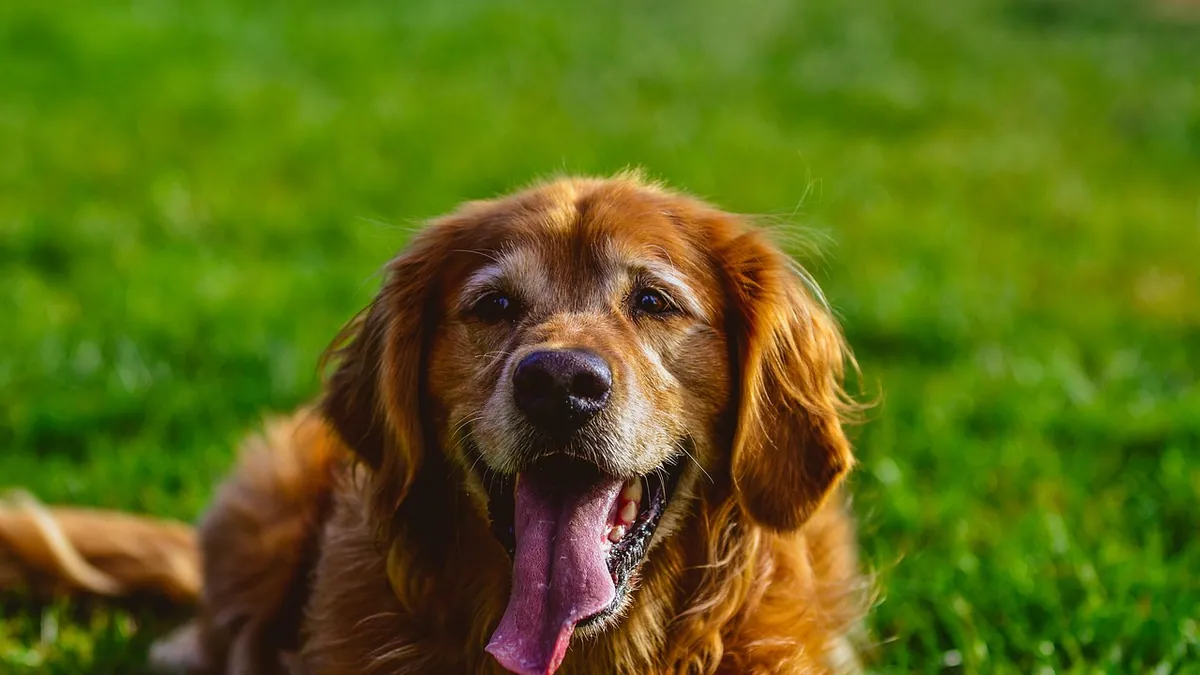
Most dogs can pant heavily for 10 to 30 minutes after hard exercise or heat exposure and then settle back to normal. Panting becomes dangerous when it continues at rest, when your dog cannot calm down, or when the breathing rate stays high for more than an hour. If your dog pants hard with a body temperature above 104°F, gums that look brick red or blue, or collapse, that is an emergency.
This article is educational and is not a substitute for veterinary diagnosis or treatment.
Quick Answer
- Normal panting after a walk or play usually slows within 10 to 30 minutes once your dog rests in a cool spot with water.
- A resting respiratory rate for a healthy dog is typically under 30 breaths per minute. Count chest rises for 15 seconds and multiply by 4.
- Panting that lasts more than 1 hour at rest, or that comes with weakness, vomiting, or a swollen belly, needs a same-day vet call.
- Heat stress is real. Dogs walking when black-globe temperature (a measure of radiant heat) was above 35°C (95°F) raised their respiratory rate from about 47 to 374 breaths per minute in one study of mixed-breed dogs [1].
- Never give human fever or pain medicine to a panting dog. The veterinarian calculates any dose from your pet's weight and health.
What Normal Panting Looks Like
Panting is how dogs cool themselves. Dogs do not sweat much through their skin, so they move air fast over their tongue, mouth, and upper airway to release heat. A happy, healthy dog pants with a wide mouth, a relaxed tongue, and steady, rhythmic breathing.
Normal panting has a pattern:
- It starts during or right after activity, excitement, or heat.
- It slows when your dog lies down in a cool, shaded, or air-conditioned space.
- Your dog stays alert, responds to you, and can drink water.
- The gums stay pink and moist, and your dog stands and walks normally.
How much should a dog pant? It depends on the dog. Flat-faced breeds (brachycephalic) like pugs, French bulldogs, and Boston terriers have narrower airways and often pant more easily. One study found that healthy brachycephalic dogs had higher erythropoietin levels (a hormone tied to oxygen delivery) than non-brachycephalic dogs at the same altitude, which suggests their bodies work harder to get oxygen [2]. Older dogs, overweight dogs, and dogs with thick coats also pant sooner.
How often should dogs pant? There is no set number of panting episodes per day. What matters is the pattern. A dog who pants after every walk and recovers quickly is different from a dog who pants while lying still in a cool room.
When Do Dogs Pant? Main Causes and How Urgent They Are
Panting has many causes. Some are harmless. Some are medical emergencies. The table below helps you sort them out.
| Cause | Typical clues | How urgent |
|---|---|---|
| Exercise or excitement | Starts with activity, stops with rest, gums pink | Not urgent |
| Heat and hot pavement | Heavy panting, seeking shade, drinking a lot | Watch closely, cool down now |
| Pain or anxiety | Pacing, trembling, whining, panting at rest | Same-day vet visit |
| Heart disease | Panting at night, coughing, tiring on walks, fainting | Same-day to urgent |
| Respiratory disease | Coughing, gagging, noisy breathing, blue gums | Emergency if severe |
| Heatstroke | Body temp over 104°F, staggering, vomiting, collapse | Emergency now |
| Sudden lung or bleeding problems | Sudden severe distress, blood in saliva, weakness | Emergency now |
Exercise and Excitement Panting
This is the most common reason. A dog who sprints in the yard or greets a visitor will pant hard and then recover. The key word is recover. If your dog lies down and the breathing rate drops toward normal within 10 to 30 minutes, that is expected.
Heat and Hot Weather
Heat is a serious trigger. In a study of dogs walked in a hot, sunny region, walks done when black-globe temperature was above 35°C (95°F) caused a large jump in respiratory rate, from roughly 47 to 374 breaths per minute, along with big increases in coat and skin temperature and much more water intake [1]. The dogs kept their rectal temperature in a narrow range (38 to 39°C, or about 100.4 to 102.2°F) without signs of hyperthermia, but their bodies were clearly working hard [1]. That tells you panting can be intense even before the core temperature climbs.
Pain, Anxiety, and Stress
Dogs in pain often pant without exercise. Look for panting at rest, restlessness, a tucked belly, trembling, or a dog who cannot get comfortable. Anxiety from fireworks, thunderstorms, car rides, or separation can do the same thing. This kind of panting does not stop with rest alone.
Heart Disease
A failing heart cannot pump blood efficiently, so fluid can build up in or around the lungs. These dogs often pant at night, cough, and tire quickly. If your dog pants while sleeping or wakes up breathing hard, that is a reason to call your vet. For more on nighttime breathing patterns, see Dog Breathing Fast While Sleeping: Normal or a Problem?.
Lung and Airway Disease
Lung disease can cause severe panting and distress. One case report described a 16-year-old dog who came to an emergency service with a 24-hour history of gagging, coughing, and lethargy, plus labored breathing, crackles and wheezes in both lungs, and oxygen saturation below 95% [3]. The dog did not improve with oxygen therapy, and the underlying problem was a tumor called a pheochromocytoma with diffuse alveolar damage, a pattern consistent with acute respiratory distress syndrome [3]. This is an extreme example, but it shows how fast breathing problems can become life threatening.
Another report described a dog with repeated nighttime episodes of severe breathing difficulty and coughing up blood, with normal exams between episodes [4]. The pattern was unusual and required a stepwise workup, including blood pressure checks, coagulation testing, echocardiography, and bronchoscopy [4]. The lesson for owners is simple. Breathing problems that come and go still need a full veterinary evaluation.
Heatstroke
Heatstroke is the emergency owners fear most. Signs include heavy panting that does not stop, a body temperature above 104°F, bright red or muddy gums, drooling, vomiting, diarrhea, wobbliness, and collapse. This is a now emergency. Cool your dog with room-temperature water and get to a vet immediately.
Red Flags That Make It an Emergency
Call an emergency clinic right away if you see any of these:
- Panting that continues at full intensity for more than 30 to 60 minutes at rest in a cool space.
- A resting breathing rate above 40 breaths per minute that does not come down.
- Gums that are blue, gray, white, or brick red.
- Collapse, staggering, or a dog who cannot stand.
- Vomiting, diarrhea, or blood in the saliva.
- A body temperature above 104°F.
- A swollen or distended belly with unproductive retching (this can signal bloat, which is fatal without surgery).
- Panting that starts suddenly at night with coughing or gagging.
Do not wait to see if it passes. Breathing emergencies can worsen in minutes.
What You Can Do at Home While You Wait
If your dog is panting but still alert and stable, these steps can help while you arrange care:
- Move your dog to a cool, quiet, shaded, or air-conditioned room.
- Offer small amounts of cool water. Do not force your dog to drink.
- Wet the paws, belly, and inner thighs with room-temperature water. Avoid ice-cold water, which can constrict blood vessels and slow cooling.
- Keep your dog calm. Turn off loud music or TV and limit handling.
- Count the breathing rate. Watch the chest rise and fall for 15 seconds, multiply by 4, and write down the number and time.
- Check the gums. They should be pink and moist, not pale, blue, or bright red.
- Do not give any human medication. Pain relievers like ibuprofen and acetaminophen are toxic to dogs, and the correct dose of any drug must be calculated by a veterinarian based on your dog's weight and health.
If your dog is stable, you can also review other at-home monitoring habits, such as how long your dog can comfortably hold urine, in How Long Can Dogs Hold Their Pee. Tracking normal patterns makes it easier to spot when something changes.
What Your Veterinarian Will Check
When you bring in a panting dog, the vet starts with a full physical exam. They will listen to the heart and lungs, check gum color, feel the pulse, and take a rectal temperature. They may also measure oxygen saturation with a pulse oximeter. In the case report above, oxygen saturation below 95% was one of the first clues that something was seriously wrong [3].
Depending on what they find, your vet may recommend:
- Chest X-rays to look for fluid, masses, or lung patterns. In one reported case, X-rays showed a multifocal alveolar pattern over a diffuse interstitial pattern with a normal heart size [3]. In another, X-rays showed severe diffuse interstitial-to-alveolar infiltrates during episodes [4].
- Blood work, including a complete blood count and chemistry panel. Packed cell volume can rise during a crisis and then fall back to normal [4].
- Heart evaluation, such as echocardiography, to rule out heart disease.
- Airway evaluation, such as bronchoscopy with lavage, when the cause is unclear [4].
- Blood pressure and coagulation testing when bleeding or clotting problems are suspected [4].
Your vet will also ask about the timeline. When did the panting start? Does it happen at night? Does your dog recover between episodes? Those details guide the testing plan.
Preventing and Monitoring Panting Problems
Prevention starts with knowing your dog's normal. Measure the resting breathing rate once a day for a week when your dog is calm and asleep. Write it down. A rate that jumps by 10 to 20 breaths per minute above your dog's baseline, especially at night, is worth a call to your vet.
Other practical steps:
- Walk in the early morning or late evening when the ground and air are cooler.
- Test pavement with the back of your hand for 5 seconds. If it is too hot for you, it is too hot for paws.
- Avoid intense exercise in high heat and humidity.
- Keep brachycephalic dogs, seniors, and overweight dogs in air conditioning during hot spells.
- Never leave a dog in a parked car, even with windows cracked.
- Keep water available on walks and at home.
- Maintain a healthy weight. Extra fat makes cooling harder.
- See your vet for routine checkups so heart and lung changes are caught early.
If your dog is pregnant or recently gave birth, keep in mind that breathing changes can also reflect other health issues. Pre-weaning mortality and stillbirth rates in dogs are relatively high, and hypoxia during a long labor is a leading cause of newborn death [5]. A dam who pants heavily during or after whelping needs veterinary attention. For general timing questions about the reproductive cycle, see How Long Are Dogs In Heat.
Limitations and When to Contact a Veterinarian
This guide cannot tell you what is wrong with your specific dog. Only a veterinarian who examines your dog can do that.
Contact a veterinarian the same day if your dog:
- Pants at rest in a cool room for more than an hour.
- Has a resting breathing rate above 40 breaths per minute.
- Seems painful, restless, or unable to settle.
- Coughs or tires more easily than usual.
- Has a known heart condition and starts panting more.
Go to an emergency clinic now if your dog:
- Collapses or cannot stand.
- Has blue, gray, white, or brick red gums.
- Has a body temperature above 104°F.
- Vomits, has diarrhea, or has blood in the saliva along with heavy panting.
- Has a distended belly with unproductive retching.
- Breathes with the neck stretched out, elbows out, and obvious effort.
If you are unsure, call. It is always better to have your dog checked than to wait.
Frequently Asked Questions
How long can a dog pant before it's dangerous?
There is no single cutoff, but panting that continues at full intensity for more than 30 to 60 minutes while your dog rests in a cool space is a warning sign. If the breathing rate stays high or your dog looks distressed, treat it as urgent. A normal dog should calm down and breathe more slowly once the trigger is gone.
Can a dog pant itself to death?
Panting alone rarely kills a dog, but the cause behind it can. Heatstroke, heart failure, and severe lung disease can all be fatal if untreated. The panting is a signal, not the disease. That is why you should never ignore heavy panting that does not stop.
Is panting at night a sign of heart disease?
It can be. Dogs with heart disease often pant or breathe harder when lying down at night because fluid shifts in the chest. If your dog wakes up breathing fast or coughing, call your vet. A simple at-home breathing rate check can help your vet decide how soon your dog needs to be seen.
Should I give my dog water while it is panting heavily?
Yes, offer small amounts of cool water if your dog is alert and able to swallow. Do not force water into your dog's mouth, because that can cause choking or aspiration. If your dog cannot hold water down or is too weak to drink, go to a vet.
Does a flat-faced dog pant more than other dogs?
Yes, brachycephalic breeds often pant more because their airways are narrower. A study at moderate altitude found higher erythropoietin levels in healthy brachycephalic dogs compared with non-brachycephalic dogs, suggesting their bodies compensate for lower oxygen delivery [2]. Even so, sudden or severe panting in a flat-faced dog is still an emergency until proven otherwise.
Related Articles
- Dog Breathing Fast While Sleeping: Normal or a Problem?
- How Long Are Dogs In Heat
- How Long Can Dogs Hold Their Pee
- How Long Do Dogs Sleep
- Dog Constipation: How Long Is Too Long Without Pooping?
- Dog Vomiting and Not Eating: How Long Before It's Serious?
- Dog Breathing Patterns: What's Normal and What's Not
- Why Do Dogs Pant When in Pain, Stressed, or Anxious?
- How Do Dogs Breathe? Normal Rates and Warning Signs
References
- Cool and safe walks: heat stress threshold for domestic dogs living in hot and sunny regions. International journal of biometeorology, 2026.
- Serum erythropoietin concentration is higher in healthy brachycephalic dogs than nonbrachycephalic dogs acclimated to 1,535 meters altitude. American journal of veterinary research, 2026.
- Acute respiratory distress syndrome associated with a pheochromocytoma in an adult dog. The Canadian veterinary journal = La revue veterinaire canadienne, 2024.
- Successful Management of Recurrent Hemoptysis, Polycythemia and Respiratory Distress in a Dog. Animals : an open access journal from MDPI, 2026.
- Staying alive: a questionnaire study on pregnancy outcome and pre-weaning puppy health in Swedish dogs. Theriogenology, 2026.