Why Do Dogs Pant When in Pain, Stressed, or Anxious?
By Dr. Zubair Khalid, DVM, MS, PhD ·
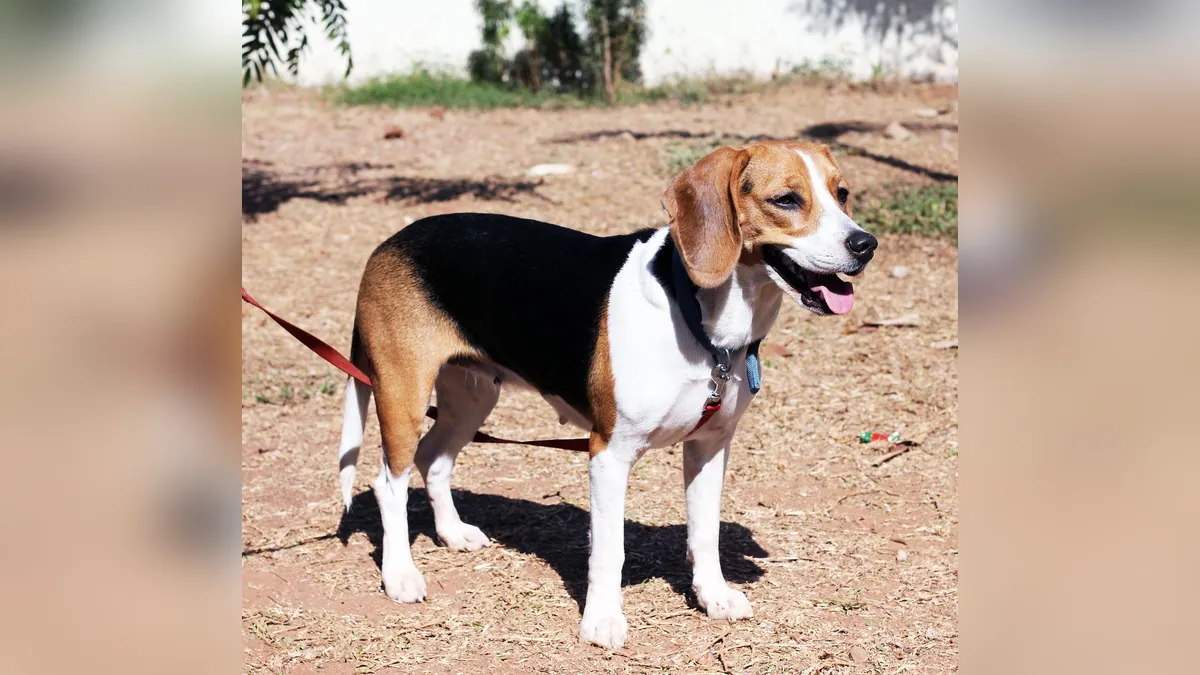
Do dogs pant when in pain? Yes, they often do. Panting is one of the most common ways a dog shows pain, especially when the pain is ongoing or hard to locate. It can also mean stress, anxiety, heat, or simple excitement, so the panting itself is not the whole answer. The clues that come with it tell you which one you are dealing with.
This article is educational and is not a substitute for veterinary diagnosis or treatment.
Quick Answer
- Panting is normal for cooling, excitement, and mild stress, and it usually settles within a few minutes once the trigger passes.
- Pain panting tends to be steady and out of proportion to the situation, often with pacing, restlessness, or a dog who will not lie down comfortably.
- Dogs hide pain by instinct, so subtle changes like slow standing after sleep or a new reluctance to jump matter [1].
- Never give human pain medicine to a dog. Some common over-the-counter products can make pets very sick or even cause death [2].
- If panting comes with a swollen belly, collapse, trouble breathing, or a distended abdomen, treat it as an emergency and call your veterinarian now.
What Panting Looks Like and What Counts as Normal
Panting is a dog's main cooling system. Dogs have few sweat glands, so they move air fast over their tongue and airways to release heat. A happy, healthy dog pants after a run, on a hot day, or during a exciting greeting, then returns to normal breathing within a short time.
Emotional panting is real too. Do dogs pant when stressed? Yes. Stress and fear trigger a body-wide response, and panting is part of it. Fearful dogs commonly show trembling, hiding, flinching at noises, panting, and ears held back [3]. Anxious dogs may also pace and pant, especially at night, and they often seem restless and unable to settle [4].
Do dogs pant when they're anxious? Often, yes, and the pattern is telling. Anxiety panting usually starts with a trigger (a storm, a departure, a vet visit, a stranger) and eases when the trigger goes away. Do dogs pant when they're happy? Absolutely. Play, car rides, and treats all cause open-mouth panting with a relaxed body, soft eyes, and a wagging tail.
The hard part is pain. A dog in pain may pant with a closed or tense mouth, a fixed stare, and a body that will not relax. The panting may be shallow and rapid, or deep and heavy. It often continues when the room is cool and the dog is resting.
Why Do Dogs Pant When in Pain?
Pain is a warning signal. It tells the body something is wrong, inside or out, and it changes behavior in ways that protect the animal from more damage [2]. Panting during pain comes from the stress response that rides along with it. The body releases stress hormones, heart rate and breathing rate climb, and the dog pants.
This is why pain panting can look like anxiety panting. The physiology overlaps. What separates them is context and the other signs you see.
Pain in dogs is also easy to miss. Animals in the wild must hide weakness from predators, and domestic dogs still carry that instinct thousands of years after domestication [1]. A dog with arthritis may only look a little slow getting up. A dog with dental pain may only chew on one side. A dog with abdominal pain may only pant and stretch.
Common Causes Behind Panting
| Cause | Typical clues | How urgent |
|---|---|---|
| Anxiety or fear | Pacing, whining, hiding, trigger present, settles when trigger ends [4] | Usually not urgent, but talk to your vet if it is frequent |
| Acute pain (injury, strain, foreign object) | Sudden limp, yelping when touched, guarding a body part, panting that starts fast [2][1] | Same-day vet visit |
| Chronic pain (arthritis, dental disease) | Slow standing after sleep, stiffness, reluctance to jump, gradual panting over weeks [1] | Routine visit soon |
| Post-surgical or post-procedure pain | Panting after surgery, restlessness, reduced appetite | Call the clinic that did the procedure |
| Heat, exercise, or excitement | Panting after activity or in warm weather, settles with rest and water | Not urgent unless it does not settle |
| Illness (pain plus systemic disease) | Panting with vomiting, diarrhea, poor appetite, weight loss, or lethargy | Same-day vet visit |
| Emergency conditions (bloat, heart failure, heatstroke, severe injury) | Distended belly, retching, collapse, blue gums, heavy labored breathing | Emergency now |
Pain and stress often travel together. A dog in pain becomes anxious, and an anxious dog may tense muscles and worsen the pain. That loop is one reason treating pain well helps a sick or injured pet recover more quickly [2].
Signs That Point to Pain Instead of Stress
Look at the whole dog, not just the breathing.
- Body posture: hunched back, tucked belly, stiff legs, or a head held low.
- Movement: limping, refusing stairs, slow to rise, or avoiding a favorite activity [1].
- Face: tight mouth, furrowed brow, ears pinned, or a fixed stare.
- Behavior: growling when touched, hiding, or a normally friendly dog who pulls away.
- Appetite and sleep: eating less, restless nights, or pacing instead of sleeping.
- Grooming changes: licking one spot over and over. This can be anxiety, allergies, or pain, and it is worth a closer look if it is new or focused on one area.
If your dog's panting is new and you cannot tell whether it is pain or anxiety, this guide walks through the differences: Is My Dog's Panting a Sign of Pain or Just Anxiety?.
Red Flags That Mean Emergency
Some causes of panting cannot wait. Call an emergency clinic or your veterinarian right away if you see any of these.
- A swollen, tight, or drum-like abdomen, especially with retching or unproductive vomiting.
- Heavy, labored breathing at rest, or breathing with the elbows out and neck stretched.
- Blue, gray, or pale gums.
- Collapse, weakness, or a dog who cannot stand.
- Panting after heat exposure with a body temperature that feels very hot to the touch.
- A known trauma, such as a car accident or a fall.
- Sudden inability to use the back legs, or crying out when moved.
- Pain that is not controlled at home after surgery.
Do not wait to see if it passes. Minutes matter with these signs.
Safe Things You Can Do at Home While You Wait
Your job at home is to keep your dog calm and safe, not to diagnose or treat.
- Move your dog to a quiet, cool room with soft bedding and dim light.
- Keep the house calm. Loud voices, visitors, and other pets add stress.
- Offer water in small amounts. Do not force your dog to drink.
- Do not press on a painful area to test it. You can cause more damage and get bitten.
- Do not give any human pain medicine. Even some nonprescription human medicines can make pets very sick or cause death, so always check with your veterinarian before giving any medicine or supplement [2].
- Note the details. When did the panting start? What was your dog doing? Is the panting steady or does it come and go? Write down anything else you see.
- If your dog is anxious and has a known trigger, use the calming routine that works for your dog, such as a quiet room, a favorite bed, or a slow, calm voice.
If your dog is whimpering when you touch the belly, that is a specific pattern worth reading about here: Why Is My Dog whimpering when touched on belly? Pancreatitis and Peritonitis Signs.
What Your Veterinarian Will Check
Your veterinarian will start with the story you bring. Bring your notes, your phone videos of the panting, and a list of medicines and supplements your dog takes.
The exam usually includes:
- Temperature, heart rate, breathing rate, and gum color.
- A hands-on exam from nose to tail, watching for flinching, guarding, or a change in posture.
- A pain score. Vets use structured scales to rate pain, which helps them choose treatment and track whether it is working [5].
- A weight and body condition check, since doses depend on weight.
- Blood work and urine testing when illness is possible.
- Imaging such as X-rays or ultrasound when the vet suspects injury, bloat, or an internal problem.
Pain management is a normal part of veterinary care, and the right plan depends on the type and extent of the pain [2]. Your veterinarian will calculate any dose from your dog's weight and health. Never adjust or repeat a prescription on your own.
If your dog's panting comes with licking or chewing at the paws or a spot on the body, those signs can overlap with allergies and anxiety too: Dog Chewing Paws: Allergies, Anxiety, or Boredom?.
Preventing and Monitoring Panting Problems
You cannot prevent all pain, but you can catch it earlier.
- Know your dog's normal. Count breaths when your dog is resting and calm. A change from that baseline is a useful clue.
- Watch the mornings. Arthritis pain often shows up as slowness when standing after sleep [1].
- Keep nails trimmed and provide rugs or traction on slick floors.
- Keep your dog at a healthy weight. Extra pounds add load to joints.
- Use ramps or steps for cars and couches if your dog is older or stiff.
- Schedule routine exams, and mention any new panting even if your dog seems fine otherwise.
- For anxious dogs, behavior modification is the core of management, and the plan depends on the cause of the anxiety [4]. Simple routines that give your dog a sense of control, like sitting before petting, can help [4].
- Track episodes in a notebook or phone app. Date, time, trigger, duration, and what else you saw. This record is gold for your vet.
Stress has real effects on a dog's health and welfare, and it shows up in behavior, hormones, and body systems [6]. Attachment to you matters too. Dogs with a secure bond to their caregiver show lower heart rate and lower long-term stress markers, while dogs with anxious attachment patterns show stronger stress responses [7]. Your calm presence is part of the treatment plan.
Limitations and When to Contact a Veterinarian
Panting has many causes, and no article can tell you which one your dog has. Only a veterinarian who examines your dog can do that. Individual cases need a veterinarian.
Call your veterinarian the same day if:
- Panting is new, steady, and does not settle with rest and a cool room.
- Your dog is eating less, vomiting, or having diarrhea.
- Your dog is limping, stiff, or reluctant to move.
- Your dog is restless at night and cannot get comfortable.
- You see a new behavior like licking one spot, hiding, or pulling away from touch.
Go to an emergency clinic now if:
- The abdomen looks swollen or tight.
- Breathing is heavy or labored at rest.
- Gums are pale, blue, or gray.
- Your dog collapses or cannot stand.
- There was a trauma or heat exposure.
- Your dog is crying out or cannot be comforted.
If you are unsure, call. Veterinary teams would rather answer a question than treat a crisis later.
Frequently Asked Questions
Can pain make a dog pant at night?
Yes. Night panting is common with pain and with anxiety. Anxious dogs often pace and pant at night and cannot settle [4]. If your dog pants at night and also seems stiff or restless, have your vet check for pain.
How can I tell pain panting from heat panting?
Heat panting follows activity or warm conditions and settles with rest, shade, and water. Pain panting happens at rest, in a cool room, and does not ease with cooling. The company it keeps (limping, guarding, restlessness) is the best clue.
Is panting a sign my dog is anxious instead of in pain?
It can be either, and often both at once. Fearful dogs pant along with trembling, hiding, and ears held back [3]. Anxiety panting usually has a trigger and improves when the trigger ends. Pain panting tends to persist.
Should I give my dog a pain reliever while I wait for the vet?
No. Do not give human pain medicine or leftover pet medicine without veterinary guidance. Some human medicines that do not need a prescription can make pets very sick or even cause death [2]. Call your vet for advice instead.
Does a dog in pain always pant?
No. Some dogs in pain go quiet, hide, or stop eating instead. Animals hide pain by instinct, so signs can be subtle and slow to appear [1]. Panting is one clue among many, and a change from your dog's normal behavior matters just as much.
Related Articles
- Is My Dog's Panting a Sign of Pain or Just Anxiety?
- Why Is My Dog whimpering when touched on belly? Pancreatitis and Peritonitis Signs
- Dog Chewing Paws: Allergies, Anxiety, or Boredom?
- Dog Whining at Night: Anxiety, Pain, or Something Else?
- Dog Excessive Licking: Anxiety, Allergies, or Pain?
- Why Is My Dog Panting at night? Pain, Anxiety & Heart Disease Signs
- How Long Can a Dog Pant? Normal vs Dangerous Breathing
- How to Help a Puppy or Dog in Pain
- Why Do Dogs Yawn? Tiredness, Stress, and Communication
References
- Recognizing Pain In Pets. Pet Poison Helpline.
- Pain and Pain Management in Pets - Special Pet Topics. Merck Veterinary Manual.
- Targeted lipidomics showed altered serum phosphatidylcholine levels in fearful dogs. PloS one, 2026.
- Anxious behavior: How to help your dog cope with unsettling situations. Cornell University College of Veterinary Medicine.
- Association Between Postoperative Pain and Inflammatory Biomarkers After Ovariohysterectomy in Dogs: A Pilot Study. Veterinary medicine and science, 2026.
- Stress in Free-Roaming and Shelter-Housed Dogs: A Review of Neurobiological, Physiological and Behavioral Mechanisms Relevant to Welfare Assessment. Animals : an open access journal from MDPI, 2026.
- Attachment patterns toward the caregiver modulate canine physiological indicators of acute and chronic stress. Scientific reports, 2026.