Cat Breathing Through Mouth and Sneezing: Causes
By Dr. Zubair Khalid, DVM, MS, PhD ·
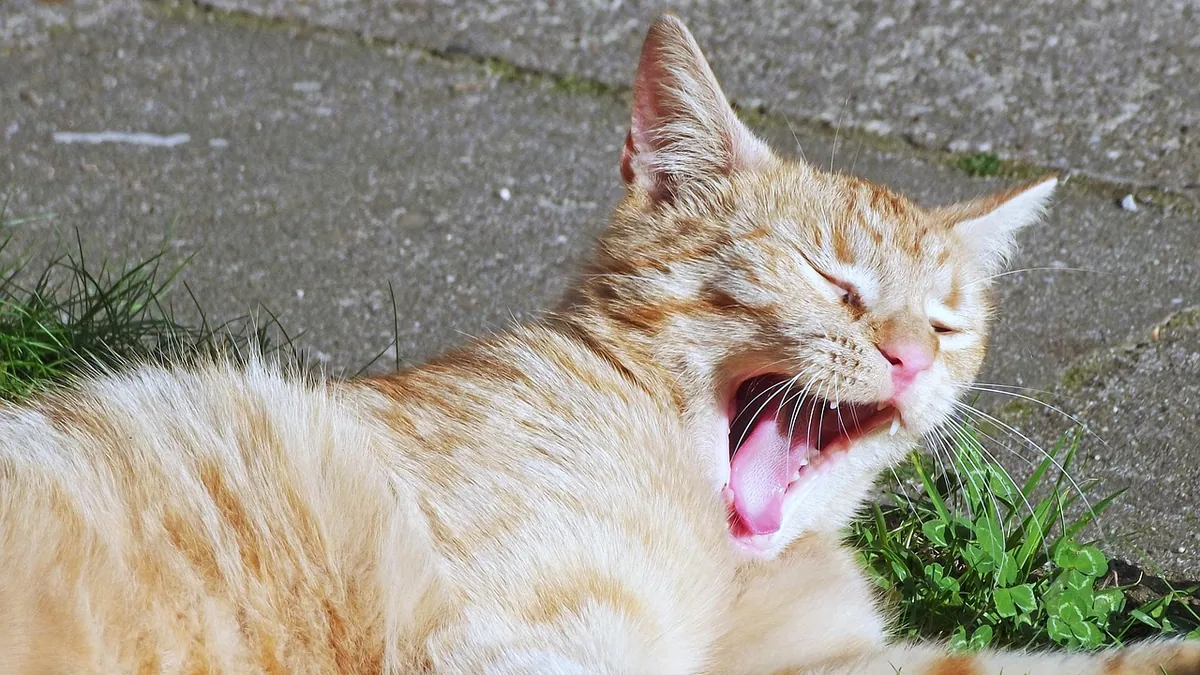
Cat breathing out of mouth and sneezing often happen together because the nose is blocked or inflamed. When air cannot move through the nasal passages, a cat may switch to breathing through the mouth, and sneezing is the body's way of trying to clear the nose. These two signs together usually point to a problem in the upper airway, though heart and lung disease can also cause open-mouth breathing.
This article is educational and is not a substitute for veterinary diagnosis or treatment.
Quick Answer
- Open-mouth breathing in a cat is never normal at rest and should be treated as urgent until a veterinarian says otherwise.
- Sneezing with a runny nose, squinting, or decreased appetite most often points to an upper respiratory infection.
- Viral infections are the most common cause of sudden nasal inflammation in cats, and bacteria often move in afterward [1].
- A foreign object, mass, or narrowed nostril can block airflow and force mouth breathing [2][3].
- Do not give human cold medicines, decongestants, or pain relievers to a cat. Many are toxic.
What This Looks Like and What Is Normal
A healthy cat breathes through the nose with the mouth closed. You should not see the mouth open unless your cat is panting after hard play or is very stressed, such as during a car ride or a vet visit. Even then, panting that continues at rest deserves a call to your veterinarian.
Sneezing is common and often harmless on its own. A cat may sneeze after sniffing dust, litter dust, or a strong scent. The picture changes when sneezing comes with open-mouth breathing. That combination suggests the nasal passages are swollen, full of discharge, or physically blocked, so air has to go in and out through the mouth.
Other signs you may notice include noisy breathing, snoring, reverse sneezing, pawing at the nose, clear or colored nasal discharge, watery eyes, and a reduced sense of smell. Cats rely heavily on smell to eat, so a stuffy nose often leads to dropped appetite.
Causes of Cat Breathing Out of Mouth and Sneezing
The table below groups the main causes and how quickly each one needs attention.
| Cause | Typical clues | How urgent |
|---|---|---|
| Viral upper respiratory infection | Sudden sneezing, clear then thick discharge, watery eyes, fever, poor appetite | See a vet within 24 hours, sooner if breathing is labored |
| Bacterial infection after a virus | Yellow or green nasal discharge that lingers or worsens | Same day to next day |
| Allergic rhinitis | Seasonal or year-round sneezing, clear discharge, itchy eyes, no fever | Routine visit |
| Fungal rhinosinusitis | Chronic discharge, sneezing, sometimes a visible swelling over the nose | Routine to urgent visit |
| Nasal foreign object | Sudden violent sneezing, one-sided discharge, pawing at the face | Same day |
| Nasal mass or polyp | One-sided blockage, noisy breathing, blood-tinged discharge | Urgent visit |
| Narrowed nostril or stenosis | Long-standing open-mouth breathing, especially in flat-faced cats | Urgent visit |
| Heart or lung disease | Open-mouth breathing with no sneezing, weakness, blue gums | Emergency now |
Upper Respiratory Infections
Viral infection is the most common cause of sudden rhinitis or sinusitis in cats [1]. Feline viral rhinotracheitis and feline calicivirus are the viruses most often involved, and bacterial infection frequently follows the initial viral infection [1]. A recent study found feline herpesvirus in 39.1% of cats with rhinitis compared with 8.1% of healthy cats [4]. That same study found Mycoplasma species in 28.3% of cats with rhinitis and in only 5.4% of healthy cats [4]. Mycoplasma felis was found in 21.7% of rhinitis cases and in none of the healthy cats [4].
These infections are common in shelters, multi-cat homes, and kittens. Stress, crowding, and a weakened immune system raise the risk.
Chronic Rhinosinusitis After a Bad Infection
In cats, chronic nasal and sinus inflammation often follows a severe acute viral infection of the nasal and sinus linings [1]. The damage can leave the nose permanently scarred and prone to flare-ups. These cats may sneeze and have discharge for months or years, with good days and bad days.
Allergies
Allergic rhinitis can be seasonal if pollen is the trigger, or year-round if indoor allergens such as house dust and molds are involved [1]. Allergy sneezing usually comes with clear discharge and itchy, watery eyes. Open-mouth breathing from allergies alone is less common, but severe swelling can narrow the airway.
Fungal Infections
Fungal nasal and sinus inflammation in cats is most often caused by Cryptococcus neoformans, which is relatively common in cats, while Aspergillus and Penicillium species are relatively rare [1]. Fungal disease tends to cause chronic, stubborn discharge that does not clear with standard antibiotics.
Blockages, Masses, and Narrow Nostrils
A growth inside the nose can physically block airflow. One report described a Siamese cat with a nasal hamartoma that narrowed the left nostril by 48% and caused open-mouth breathing at rest [2]. Surgery restored the airway and the cat had no recurrence two years later [2].
Flat-faced breeds can have nostrils that are too narrow to move air well. One report described a cat with complete nasal stenosis after prior nose surgery who breathed through the mouth until a graft and stent rebuilt a working opening [3]. These cases show that a mechanical blockage, not an infection, can be the reason a cat breathes through the mouth.
Heart and Lung Disease
Not every open-mouth breather has a nose problem. In a study of 258 severely dyspneic cats, respiratory causes accounted for 33% of cases, cardiac causes 25%, and traumatic and neoplastic causes 21% each [5]. Pleural effusion, which is fluid around the lungs, was present in 39% of those cats [5]. If your cat breathes through the mouth with no sneezing at all, heart or lung disease moves up the list.
Red Flags That Make It an Emergency
Some signs mean you should stop reading and call an emergency clinic now.
- Open-mouth breathing at rest, especially with the elbows turned out and the neck stretched forward.
- Gums that look blue, gray, or pale.
- Breathing that is fast, deep, or obviously labored.
- Collapse, weakness, or inability to stand.
- A swollen face or neck, or swelling that appeared after any procedure.
- Sudden severe distress after sneezing, which can mean something is stuck in the nose.
One case report described two cats who developed severe swelling of the head and throat after an ear flush, to the point that the windpipe could not be seen [6]. That is a rare event, but it shows how fast upper airway swelling can become life threatening.
If your cat is sneezing but breathing normally, eating, and acting like itself, you have a little more room. A same-day or next-day vet visit is still wise, because nasal problems in cats tend to get worse before they get better.
Safe Things You Can Do at Home While You Wait
You cannot fix an upper airway problem at home, but you can keep your cat comfortable and avoid harm.
- Wipe discharge from the nose and eyes with a warm, damp cloth. Use a fresh corner for each eye.
- Run a cool-mist humidifier in the room where your cat rests. Steam from a warm shower can also loosen mucus if your cat tolerates being in the bathroom with you.
- Offer warm, smelly food. Heating canned food slightly makes it easier to smell, which helps a congested cat eat.
- Keep the air clean. Avoid scented candles, air fresheners, smoke, and dusty litter.
- Keep your cat indoors and away from other cats if an infection is possible.
- Never give human cold medicine, decongestants, antihistamines, or pain relievers. Your veterinarian calculates any drug dose from your cat's weight and health.
- Do not put anything into the nose, including saline made for people, unless your veterinarian tells you to.
If your cat stops eating for more than 24 hours, or if breathing gets worse at any point, skip home care and call your veterinarian.
For more on sneezing patterns, see Why Is My Cat Sneezing? and Cat Coughing Sneezing.
What Your Veterinarian Will Check and Test
Your veterinarian will start with the basics. They will watch your cat breathe from across the room, listen to the heart and lungs, take the temperature, and check the gums. They will ask when the sneezing started, whether the discharge is clear or colored, whether it comes from one side or both, and whether your cat is eating and drinking.
Next comes the nose exam. A light and a small scope can show swelling, discharge, a foreign object, or a mass. Your vet may press gently over the sinuses to check for pain or swelling.
Testing depends on what they find. Common options include:
- Nasal swabs sent for PCR testing. This can detect feline herpesvirus, feline calicivirus, Mycoplasma species, Bordetella bronchiseptica, and Chlamydia species [4].
- Blood work to check for infection, organ function, and overall health.
- Imaging such as X-rays or a CT scan. A CT scan was used in one case to measure how much a mass narrowed the nostril [2].
- A biopsy if a mass or fungal infection is suspected.
- Heart evaluation if open-mouth breathing happens without sneezing.
Treatment follows the cause. Viral infections are supported with fluids, nutrition, and nursing care while the immune system works. Bacterial infections may need antibiotics chosen by your veterinarian. Fungal disease needs specific antifungal drugs. Blockages and masses may need surgery, as in the hamartoma and stenosis cases [2][3]. Allergic disease may improve with removing the trigger and with medication your vet selects.
If your cat has chronic rhinosinusitis, your vet will focus on managing flare-ups and keeping the nose as clear as possible. This is a long-term condition, and the plan often changes over time.
Prevention and Monitoring
You cannot prevent every cause, but you can lower the odds.
- Keep vaccines current. Feline viral rhinotracheitis and calicivirus are core vaccines, and they reduce the severity of these infections.
- Reduce stress in multi-cat homes. Separate food, water, and litter areas, and give each cat its own resting spot.
- Keep the air clean and the litter low-dust.
- Isolate new cats for a couple of weeks before mixing them with resident cats.
- Watch for early signs. A little sneezing that turns into colored discharge and mouth breathing is a pattern worth catching early.
If your cat has a chronic nasal problem, keep a simple log. Note the date, the color of the discharge, whether one or both nostrils are involved, and how well your cat is eating. That record helps your veterinarian adjust treatment.
For help telling apart sudden versus long-term sneezing, see Why Is Cat Sneezing So Much and Cat Sneezing: Common Causes and When to Worry.
Limitations and When to Contact a Veterinarian
This article cannot tell you what is wrong with your specific cat. Only a veterinarian who examines your cat can do that. Individual cases need a veterinarian, and the timing below is a general guide.
Call an emergency clinic now if your cat is breathing through the mouth at rest, has blue or pale gums, is gasping, has collapsed, or has sudden swelling of the face or neck.
Call your veterinarian the same day if your cat is sneezing with colored discharge, has a one-sided nose problem, is pawing at the face, has stopped eating, or seems uncomfortable.
Schedule a routine visit if your cat has mild sneezing with clear discharge, no breathing trouble, and is eating and acting normally. If those mild signs last more than a few days, move the visit up.
Frequently Asked Questions
Is open-mouth breathing always an emergency in cats?
Open-mouth breathing at rest is not normal and should be treated as urgent. Cats rarely pant the way dogs do, so mouth breathing usually means the nose is blocked or the lungs and heart are struggling. Call your veterinarian or an emergency clinic right away instead of waiting to see if it passes.
Can a cat have a cold that causes both sneezing and mouth breathing?
Yes. Viral upper respiratory infections are the most common cause of sudden nasal inflammation in cats, and they often start with sneezing and a runny nose. If the nasal passages swell shut, your cat may begin breathing through the mouth. That shift is your signal to seek care.
How long does cat nasal congestion last?
It depends on the cause. Viral infections often improve over one to two weeks with supportive care, while bacterial infections may need antibiotics. Chronic rhinosinusitis can last for months or years with flare-ups. Your veterinarian can give you a realistic timeline once the cause is known.
Can I use a humidifier or saline drops for my sneezing cat?
A cool-mist humidifier is safe and can loosen mucus. Do not put saline or any other drops into your cat's nose unless your veterinarian specifically tells you to. Human nasal products are not made for cats, and some contain drugs that are harmful.
Should I worry if my cat sneezes but seems fine otherwise?
Mild sneezing with clear discharge and normal eating and activity is often not urgent. Watch for changes such as colored discharge, one-sided signs, loss of appetite, or any open-mouth breathing. If any of those appear, call your veterinarian.
Related Articles
- Why Is My Cat Sneezing?
- Cat Coughing Sneezing
- Why Is Cat Sneezing So Much
- Cat Sneezing: Common Causes and When to Worry
- Why Is My Cat Sneezing All Of The Sudden
- Cat Coughing and Gagging: Causes and Urgency
- Cat Breathing Through the Mouth or Blocked Nose: What to Do
- Cat Breathing Hard Through the Nose: Stuffy Nose Causes
- Labored Breathing in Cats: Causes, Treatment, and When to Worry
- Bacterial Respiratory Infections in Cats: Etiology, Diagnosis, and Treatment
- Cat Respiratory Infections: Etiology, Clinical Signs, Zoonotic Potential, and Management
References
- Rhinitis and Sinusitis in Cats - Cat Owners. Merck Veterinary Manual.
- Nasal hamartoma causing stenosis and partial obstruction in a Siamese cat. Australian veterinary journal, 2026.
- Surgical reconstruction using a mucosal graft and temporary nasal stent in a cat with severe nasal stenosis. The Canadian veterinary journal = La revue veterinaire canadienne, 2026.
- EXPRESS: Detection of Mycoplasma species and respiratory pathogens in cats with rhinitis and healthy cats. Journal of feline medicine and surgery, 2026.
- Emergency Dyspnea in 258 Cats: Insights from the French RAPID CAT Study. Veterinary sciences, 2025.
- Unexpected upper airway obstruction after ear flushing in two cats. Veterinary anaesthesia and analgesia, 2025.