Labored Breathing in Cats: Causes, Treatment, and When to Worry
By Dr. Zubair Khalid, DVM, MS, PhD ·
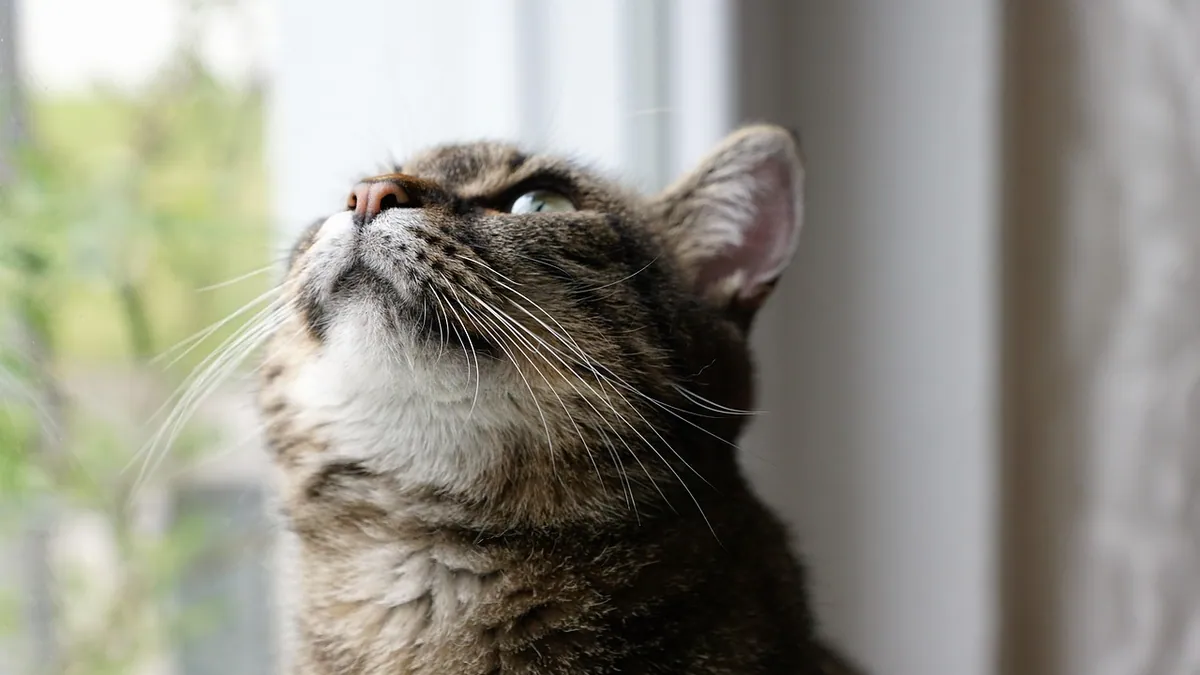
Labored breathing in cats treatment almost always begins at an emergency clinic, because a cat who is working hard to breathe may have only minutes to hours before the situation becomes life threatening. Cats hide illness well, so visible effort with every breath is a late and serious sign. This article is educational and is not a substitute for veterinary diagnosis or treatment.
Quick Answer
- Labored breathing means your cat is using belly or chest muscles to breathe, often with the head and neck stretched forward and elbows turned out. This is an emergency, not a wait and see problem.
- In a study of 258 severely dyspneic cats, respiratory causes accounted for 33% of cases, cardiac causes 25%, and traumatic and neoplastic causes 21% each [1].
- Pleural effusion (fluid around the lungs) was present in 39% of those cats, most often from heart disease, infection, cancer, or trauma [1].
- Do not give human medications, do not force food or water, and do not try to examine the throat at home. Keep your cat calm and quiet and call your vet or an emergency hospital right away.
- If your cat is open mouth breathing, has blue or gray gums, or is collapsing, go now. Do not wait for a callback.
What Labored Breathing Looks Like in Cats
Normal breathing in a resting cat is quiet and easy. You should see the chest rise and fall gently, with no noise and no obvious effort. A relaxed cat at rest usually breathes well under 30 breaths per minute, and you can count this by watching the chest for 15 seconds and multiplying by four.
Labored breathing looks different. You may see the belly moving in and out strongly, the sides of the chest pulling in, or the nostrils flaring. Many cats sit with the head and neck extended and the elbows pushed out from the body. Some make a wheezing or whistling sound. Some cough.
A cat in respiratory distress often refuses to lie down, hides in a corner, or becomes restless and cannot settle. Breathing may be fast and shallow with labored inhalation, which is a pattern seen with fluid or air around the lungs [2]. If your cat is breathing fast while asleep, that can be an early clue worth tracking. See Cat Breathing Fast While Sleeping: When to Worry.
Main Causes of Labored Breathing in Cats
Many different problems can make a cat work to breathe, and the cause changes what treatment looks like. The table below groups the most common ones.
| Cause | Typical clues | How urgent |
|---|---|---|
| Pleural effusion (fluid around the lungs) | Fast shallow breathing, weakness, reluctance to lie down, often from heart disease or infection | Emergency |
| Heart disease and congestive heart failure | Heart murmur, rapid breathing, coughing, fluid in the chest | Emergency |
| Pneumonia (viral, bacterial, fungal, parasitic) | Lethargy, appetite loss, deep cough, bluish gums, fever | Emergency |
| Feline asthma | Chronic cough, wheezing, fast breathing, distress | Urgent to emergency |
| Airway obstruction (laryngeal paralysis, masses) | Noisy breathing, especially on inhale, voice change | Emergency |
| Trauma or bleeding into the chest | Recent injury, weakness, pale gums | Emergency |
| Cancer in the chest or trachea | Weight loss, chronic signs, fluid around the lungs | Urgent |
| Kidney failure | Increased drinking and urination, weight loss, vomiting, fluid overload | Urgent to emergency |
| After anesthesia or surgery | Breathing trouble within 24 to 48 hours | Emergency |
| Brachycephalic anatomy (flat faced cats) | Snoring, noisy breathing, worse in heat or stress | Urgent |
Fluid and Air Around the Lungs
The chest cavity has a thin space around the lungs called the pleural cavity. When blood, clear fluid, or lymphatic fluid collects there, the lungs cannot expand normally. Hemothorax is blood in that space, usually from trauma, clotting problems, or tumors. Hydrothorax is clear fluid, often from problems with blood flow or lymph drainage, and pleural effusion is a type of hydrothorax common in cats with congestive heart failure [2]. Chylothorax is a rarer high-triglyceride fluid that may follow a tear in the chest duct, though the cause is often unknown [2]. All of these cause respiratory difficulty and weakness, and draining the fluid may be needed to relieve the signs and help find the underlying problem [2].
Heart Disease
Heart disease is a leading cause of labored breathing in cats. In the emergency study, cardiac causes made up 25% of severe dyspnea cases, and male cats were significantly overrepresented in the cardiac group [1]. When the heart cannot pump well, fluid backs up into the chest, and breathing becomes hard work.
Pneumonia and Lung Infection
Pneumonia is inflammation of the lungs and airways that causes breathing difficulty and low oxygen in the blood [3]. The most common cause is a viral infection of the lower respiratory tract, such as feline calicivirus, which damages the airways and makes bacterial infection more likely [3]. Bacteria, protozoa, parasites like lungworms, and fungi can also cause it [3]. Signs include lethargy, appetite loss, a deep cough, labored breathing, lip "blowing," and bluish mucous membranes [3]. Aspiration pneumonia can follow persistent vomiting, force feeding, or incorrectly given medications [3].
Feline Asthma
Asthma is a common inflammatory airway disease in cats. Inhaled allergens trigger a type 1 hypersensitivity response and eosinophil activation, leading to bronchial hyperreactivity, mucus production, wall thickening, and airway remodeling [4]. Signs include chronic cough, wheezing, fast breathing, and respiratory distress [4]. Treatment centers on inhaled corticosteroids, often with bronchodilators, and other options exist but have limited supporting evidence [4].
Emphysema and Chronic Lung Damage
Emphysema in cats usually happens because of another lung disease. It leads to trouble pushing air out of the lungs, which makes breathing harder [5]. Alveolar emphysema involves permanent enlargement and destruction of the air sacs, and interstitial emphysema means air is trapped in the lung's supporting tissue [5]. The most common sign is labored breathing, and because the damage is permanent, treatment targets the disease that caused it, using things like bronchodilators and anti-inflammatory drugs to improve breathing [5].
Kidney Failure
Cats with kidney failure can develop labored breathing for several reasons. Fluid can build up in the body and around the lungs, anemia reduces oxygen delivery, and metabolic changes can affect breathing. Kidney disease also makes cats more prone to infections and high blood pressure. If your cat has known kidney disease and starts breathing hard, treat it as an emergency. Signs like vomiting, weight loss, and increased drinking often come first, so watch for changes in breathing alongside those. Related signs such as Cat Lethargy: When to Worry and What to Do can appear at the same time.
Labored Breathing After Surgery
Breathing trouble can appear within 24 to 48 hours after anesthesia. In one report, three cats developed appetite loss followed by dyspnea within 24 to 48 hours post-anesthesia, and two of them died [6]. The combination of certain sedatives and anesthetics can cause a brief rise in blood pressure that may lead to fluid and bleeding in the lungs [6]. Young cats and cats premedicated with atropine may be at higher risk, so dosing, route, and monitoring matter [6]. If your cat had anesthesia recently and is now breathing hard, call the clinic immediately or go to an emergency hospital.
Airway Blockage and Tumors
Laryngeal paralysis is uncommon in cats but can be life threatening because it blocks the upper airway. In a report of eight cats, all had severe dyspnea and inspiratory stridor and did not respond to medical stabilization, requiring emergency surgery [7]. Tumors are another cause. One cat with respiratory distress was found to have severe tracheal narrowing, a mass in the front of the chest, and pleural effusion, and the diagnosis was tracheal squamous cell carcinoma, a rare cancer with a poor outlook and few treatment options [8].
Flat Faced Cats
Brachycephalic cats such as Persians and Himalayans can have narrowed nostrils and other airway changes that make breathing harder. A surgical procedure called ala vestibuloplasty has been described to widen the nostrils, and a study of 27 affected cats looked at long term outcomes after surgery [9]. If your flat faced cat snores loudly, breathes noisily at rest, or struggles in heat or stress, ask your vet about evaluation.
Red Flags That Mean Emergency Now
Go to an emergency hospital immediately if you see any of these:
- Open mouth breathing, especially while resting
- Blue, gray, or white gums and tongue
- Breathing that is clearly using the belly or chest muscles
- A neck stretched forward and elbows turned out
- Collapse, weakness, or inability to stand
- A breathing rate that stays high while resting
- Sudden worsening after a known heart, kidney, or airway diagnosis
- Breathing trouble within 48 hours of anesthesia or surgery [6]
Do not wait to see if it improves. Cats in respiratory distress can decline quickly, and many cannot tolerate much handling or testing when they arrive [1]. For a broader look at emergency signs, see Cat Difficulty Breathing: Emergency Signs and What to Do.
Safe Things You Can Do at Home While Waiting
Your main job is to reduce stress and get help fast.
- Call ahead. Tell the clinic your cat is breathing hard so they can prepare.
- Keep your cat calm. Use a carrier with the top off or a quiet room with dim light.
- Do not force pills, food, or water. Aspiration pneumonia can follow force feeding or incorrectly given medications [3].
- Do not give human medications. Never give a cat human pain relievers or decongestants.
- Do not open your cat's mouth to look inside. This causes stress and can worsen breathing.
- Keep the car cool and quiet. Cover the carrier with a light towel.
- Count breaths if you can do it without disturbing your cat. Write down the number and the time.
If your cat has a known heart condition, follow the emergency plan your vet gave you. If your cat has kidney disease, bring a list of current medications and the last bloodwork results if you have them.
What the Veterinarian Will Check and Test
Your vet will start with a hands off exam if your cat is unstable. They will look at gum color, breathing pattern, effort, and rate. They may listen to the heart and lungs with a stethoscope.
If your cat can tolerate it, the vet may recommend:
- Chest x-rays to look at the lungs, heart size, and fluid
- Ultrasound of the chest to find fluid and guide drainage
- Bloodwork to check organ function, infection, and anemia
- Testing fluid removed from the chest to identify the cause [2]
- Airway washing to diagnose bacterial infection [3]
- Heart evaluation, including an echocardiogram, if heart disease is suspected
Treatment depends on the cause. Draining fluid from the chest can relieve breathing signs and help with diagnosis [2]. Pneumonia may need antibiotics, oxygen, and supportive care [3]. Asthma is usually managed with inhaled corticosteroids, often with bronchodilators [4]. Emphysema treatment targets the underlying disease with bronchodilators and anti-inflammatory drugs [5]. Severe cases may need oxygen, a ventilator, or surgery, as in the cats with laryngeal paralysis who needed emergency procedures [7]. Any medication dose is calculated by your veterinarian based on your cat's weight and health.
Prevention and Monitoring
You cannot prevent every cause of labored breathing, but you can catch problems earlier.
- Know your cat's normal resting breathing rate and check it weekly.
- Keep up with wellness visits, especially for heart murmurs and dental disease.
- Manage known conditions like heart disease, asthma, and kidney disease closely.
- Keep your cat at a healthy weight and avoid cigarette smoke and strong fumes.
- Use a harness instead of a neck collar for flat faced cats.
- Watch for early clues like coughing, wheezing, or a change in sleep breathing. See Cat Breathing Fast While Sleeping: When to Worry.
- Track appetite, water intake, and litter box habits, since changes often come before breathing trouble.
- If your cat has bad breath, drooling, or mouth pain that makes eating hard, that can affect overall health. See Cat Bad Breath and Drooling: When to See the Vet.
- If your cat has been sneezing or has nasal discharge, watch for it moving into the chest. See Cat Sneezing: When to Worry and How to Help.
Limitations and When to Contact a Veterinarian
This article cannot tell you what is wrong with your individual cat. Only a veterinarian who examines your cat can do that, and every case needs its own assessment.
Call your veterinarian the same day if your cat has a new cough, a mild increase in resting breathing rate, or a change in breathing during sleep, and your cat is otherwise bright and eating.
Go to an emergency hospital now if your cat is open mouth breathing, has blue or gray gums, is using belly muscles to breathe, is collapsing, or is breathing hard within 48 hours of surgery or anesthesia [6].
Call right away if your cat has known heart or kidney disease and starts breathing harder, even if it seems mild. Cats with fluid around the lungs often have a guarded to poor outlook for many of the underlying disorders, so early treatment matters [2].
Frequently Asked Questions
Is labored breathing always an emergency in cats?
Yes, visible effort with breathing is always an emergency until a veterinarian says otherwise. Cats hide breathing problems until they are severe, and the causes include heart failure, fluid around the lungs, pneumonia, and airway blockage. If you are unsure, call an emergency clinic and describe what you see.
Can labored breathing in cats go away on its own?
It can improve if the underlying cause is treated, but it rarely resolves without care. Fluid around the lungs often needs to be drained, and pneumonia needs specific treatment. Waiting at home risks your cat getting worse quickly, so get veterinary help right away.
Why is my cat breathing hard after surgery?
Breathing trouble can appear within 24 to 48 hours after anesthesia in some cats. Certain anesthetic combinations can cause a brief rise in blood pressure that leads to fluid and bleeding in the lungs, and young cats or those given atropine may be at higher risk [6]. Call the clinic or go to an emergency hospital immediately.
Does kidney failure cause labored breathing in cats?
It can. Kidney failure can lead to fluid buildup, anemia, high blood pressure, and a higher risk of infection, all of which can make breathing harder. If your cat has kidney disease and starts breathing fast or with effort, treat it as an emergency and call your vet now.
What should I do if my cat is breathing hard while sleeping?
Count the breaths without waking your cat and note the number. A resting rate that stays high, or breathing that looks effortful even in sleep, needs a same day call to your vet. If your cat wakes up open mouth breathing or with blue gums, go to an emergency hospital right away.
Related Articles
- Cat Breathing Fast While Sleeping: When to Worry
- Cat Bad Breath and Drooling: When to See the Vet
- Cat Difficulty Breathing: Emergency Signs and What to Do
- Cat Lethargy: When to Worry and What to Do
- Cat Sneezing: When to Worry and How to Help
- Cat Sneezing: Common Causes and When to Worry
- Shallow Breathing in Cats: Causes and When It's an Emergency
- Wheezing in Cats: Causes, Sounds, and When to See a Vet
- Why Is My Cat Panting? Causes and When to Worry
- Cat Respiratory Infections: Etiology, Clinical Signs, Zoonotic Potential, and Management
- Feline Upper Respiratory Infections: Etiology, Clinical Management, and Zoonotic Considerations
References
- Emergency Dyspnea in 258 Cats: Insights from the French RAPID CAT Study. Veterinary sciences, 2025.
- Disorders of the Chest Cavity of Cats - Cat Owners. Merck Veterinary Manual.
- Pneumonia in Cats - Cat Owners. Merck Veterinary Manual.
- Feline Asthma-Update on Diagnosis and Treatment Recommendations. The Veterinary clinics of North America. Small animal practice, 2026.
- Emphysema in Cats - Cat Owners. Merck Veterinary Manual.
- Dyspnea Induced by Alpha 2-Adrenergic Agonists and Dissociative Anesthetics Combination in Dogs and Cats. Animals : an open access journal from MDPI, 2026.
- Transoral Endoscopic-Assisted Partial Arytenoidectomy as a Treatment for Laryngeal Paralysis in Eight Cats. Animals : an open access journal from MDPI, 2026.
- Tracheal Squamous Cell Carcinoma in an Adult Cat. Veterinary radiology & ultrasound : the official journal of the American College of Veterinary Radiology and the International Veterinary Radiology Association, 2026.
- Ala vestibuloplasty for treatment of feline brachycephalic syndrome: a description of the procedure and long-term outcomes in 27 cats. Journal of feline medicine and surgery, 2026.