Why Is My Hedgehog Hissing? What It Means and What to Do
By Dr. Zubair Khalid, DVM, MS, PhD ·
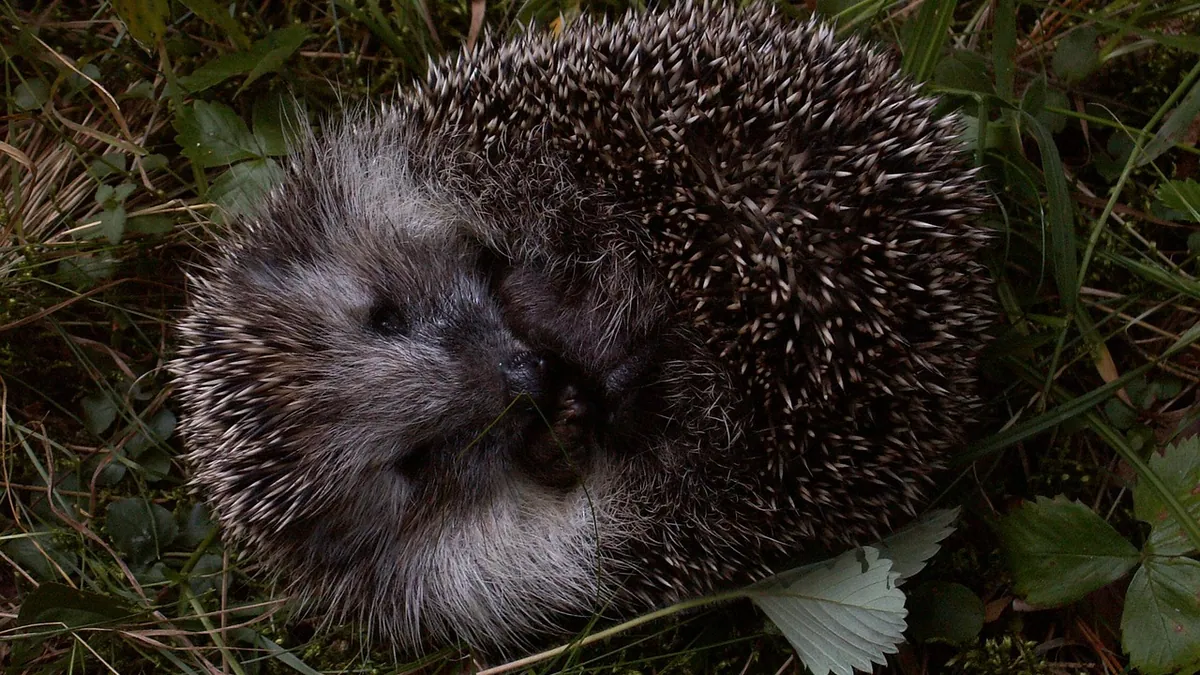
Hedgehogs hiss because they feel threatened, startled, or unsafe, and the sound is a warning meant to keep you at a distance. It is a defensive behavior, not a sign that your pet is mean or hates you. Most hissing stops once the hedgehog learns that handling is safe and predictable.
This article is educational and is not a substitute for veterinary diagnosis or treatment.
Quick Answer
- Hissing is a fear or defensive response, often paired with puffing up and spine erection.
- Most hissing happens during sudden waking, rough handling, new environments, or contact with unfamiliar people and pets.
- A calm, quiet approach with slow movements and support under the belly reduces hissing over time.
- Never punish or flick a hissing hedgehog. Punishment increases fear and makes the behavior worse.
- Hissing that comes with not eating, labored breathing, or pain signs needs a veterinarian, not training.
Why Is My Hedgehog Hissing? Normal Reasons First
Hedgehogs are small prey animals. In the wild, almost everything bigger than they are could eat them. Their first line of defense is to look and sound threatening, and hissing is part of that display.
Fear and Startle Responses
A hedgehog that is asleep or resting may hiss the moment you touch it. This is a startle reflex, not anger. Hedgehogs are also sensitive to sound across a wide range of frequencies, with peak sensitivity around 40 kHz and hearing tested from 4 to 85 kHz [1]. That means they pick up noises you may barely notice, including high-pitched appliances, squeaky hinges, and other pets. A sound you cannot hear well can still trigger a defensive hiss.
Defensive Behavior and Puffing Up
When a hedgehog feels cornered, it does two things at once. It erects its spines and it puffs up, which makes the body look larger and presents a wall of quills. Hissing, clicking, and popping often come with this posture. This is defensive behavior, and it is normal. The hedgehog is saying "stay back," not "I want to fight."
Hedgehog Angry Noises and What They Mean
Owners often describe the sound as angry, but the emotion behind it is usually fear. A hedgehog hissing sound is a short, sharp, breathy noise. You may also hear:
- Clicking or popping, often during annoyance or mild protest
- Chirping or squeaking, more common in young hedgehogs or during stress
- Screaming, which is a sign of real distress or pain and needs attention
Hissing alone is rarely a medical emergency. It becomes more meaningful when it appears with other changes.
Hormones, Season, and Temperament
Hedgehog behavior shifts with the seasons. In European hedgehogs, day length is the main driver of seasonal hormone cycles, and testosterone peaks between February and July [2]. Male hedgehogs may be more restless or reactive during their active breeding season. Individual temperament matters too. Some hedgehogs are calm from the start, and others hiss for months before settling.
Medical Causes to Rule Out
Sometimes hissing is not about fear at all. Pain, breathing trouble, and skin problems can all make a hedgehog react defensively when touched.
Pain and Discomfort
A hedgehog in pain may hiss, tuck, or refuse to unroll. Pain can come from a quill injury, an abscess, dental disease, arthritis, or an internal problem. If your hedgehog hisses only when you touch one specific area, pain is a strong possibility. A veterinarian can assess this and may use pain medication. In one study, hydromorphone given under the skin at 0.15 mg/kg provided antinociception in four-toed hedgehogs, with the dose calculated by the veterinarian based on the individual animal [3]. Never give any medication at home without veterinary direction.
Respiratory Disease
Hedgehogs are prone to respiratory disease, and their anatomy and physiology affect how they breathe and how illness shows up [4]. A hedgehog with a respiratory problem may hiss, wheeze, or make unusual breathing sounds. It may also breathe with more effort, sit with its head extended, or tire quickly. Breathing changes are a reason to call a veterinarian promptly.
Stress and Its Physical Effects
Stress is not only an emotion in hedgehogs. It shows up in measurable hormones. Fecal glucocorticoid metabolites are used as a non-invasive marker of stress in Western European hedgehogs, and validated assays can detect these changes [5]. Chronic stress from a noisy room, poor enclosure, or constant handling can keep a hedgehog on edge and more likely to hiss.
Other Health Problems
Skin infections, mites, and quill loss can make a hedgehog painful to touch. Obesity makes it hard for a hedgehog to roll up properly, which can increase defensive behavior. Dental disease can cause pain when eating. Any of these can turn a calm hedgehog into a hissing one.
When Hissing Becomes a Problem
Hissing is normal in small amounts. It becomes a problem when it changes in frequency, intensity, or context.
Watch for these patterns:
- Hissing that is new and constant, especially in a hedgehog that used to be calm
- Hissing that starts when you touch a specific body part
- Hissing with refusal to unroll for long periods
- Hissing with decreased appetite, weight loss, or reduced wheel activity
- Hissing with breathing changes, discharge, or a hunched posture
A sudden increase in defensive behavior often points to pain or stress instead of a personality change. If your hedgehog's behavior shifts without an obvious trigger, a veterinary visit is the right first step.
What to Do Step by Step
You can reduce hissing with patience, a calm environment, and consistent handling. Progress is usually slow, and that is normal.
Step 1: Change How You Approach
- Announce yourself with a soft, low voice before touching the hedgehog.
- Let the hedgehog wake up on its own if possible. Waking a sleeping hedgehog is a common trigger.
- Scoop from underneath with both hands, supporting the belly. Avoid grabbing in published veterinary research, which mimics a predator.
- Keep handling sessions short at first, a few minutes at a time.
- Wash your hands first so you do not smell like food or other pets.
Step 2: Build Trust With Food and Routine
- Offer a favorite treat during and after handling so the hedgehog links you with something good.
- Handle at the same time each day, ideally in the evening when hedgehogs are naturally active.
- Sit low and quiet. Avoid passing the hedgehog between many people at once.
- Let the hedgehog unroll on its own. Do not force it open.
Step 3: Fix the Environment
- Keep the enclosure in a quiet room away from TVs, speakers, and loud appliances.
- Reduce sudden sounds and bright lights near the cage.
- Provide a hide box, a snuggle sack, and bedding for burrowing.
- Keep the temperature stable. Hedgehogs are sensitive to cold, and a chilled hedgehog is a stressed hedgehog.
- Give a solid-surface wheel for exercise. Wheel activity is a useful measure of normal behavior and appetite in hedgehogs [3].
Step 4: Use Enrichment to Lower Stress
- Add foraging toys and safe items to explore.
- Rotate toys so the environment stays interesting.
- Allow supervised time outside the cage in a safe, enclosed area.
- Keep other pets away from the hedgehog. Dogs and cats can be frightening even when they are calm.
If your dog or cat has its own stress behaviors, such as Dog Scratching Ears And Moaning, those sounds and movements can add to your hedgehog's stress. A quiet, separate room helps both animals.
Step 5: Track Progress
Keep a simple log of when hissing happens, what you were doing, and how long it lasted. Patterns become clear within a few weeks. Bring the log to your veterinarian if the behavior does not improve.
What Not to Do
Some common responses make hissing worse. Avoid these.
- Do not punish, flick, blow on, or yell at a hissing hedgehog. Punishment confirms that hands are dangerous.
- Do not drop the hedgehog back in the cage the moment it hisses. That teaches it that hissing ends handling, which rewards the behavior.
- Do not force a rolled hedgehog open. Forcing unrolling increases fear and can cause injury.
- Do not assume hissing means aggression. It is almost always fear or a warning.
- Do not ignore sudden behavior changes. A calm hedgehog that becomes defensive may be sick.
- Do not use gloves as a long-term fix. Gloves can hide your scent and make handling feel more predatory.
Myths to drop: a hissing hedgehog is not "mean," and it does not need to be dominated. Hedgehogs do not hiss for fun, and they do not hiss to show affection.
When to Involve a Veterinarian or Behavior Professional
Call your veterinarian if hissing is new, intense, or paired with any health change. Exotic animal veterinarians are the best fit for hedgehogs because their anatomy and disease patterns differ from common pets [4].
Consider a certified behavior professional if:
- Your hedgehog has been checked by a veterinarian and is healthy.
- Hissing continues for weeks despite calm, consistent handling.
- You feel anxious or unsafe handling your hedgehog.
- The behavior is affecting the hedgehog's eating, sleeping, or activity.
Behavior work and medical care often go together. A healthy hedgehog in a good environment is far less likely to hiss.
Limitations and When to Contact a Veterinarian
This article cannot diagnose your hedgehog. Individual cases need a veterinarian who can examine the animal, ask about its history, and run tests if needed.
Contact a veterinarian the same day if you see:
- Labored breathing, open-mouth breathing, or a clicking sound with each breath
- Refusal to eat or drink for more than a day
- A wound, bleeding, or a swollen area
- Sudden inability to roll up or move normally
- Hissing that starts after a fall or injury
Go to an emergency clinic now if your hedgehog:
- Is unresponsive, limp, or collapsed
- Has a seizure
- Is straining to breathe and turning blue or pale
- Has heavy bleeding that will not stop
- Is severely chilled and not moving
Schedule a routine visit if your hedgehog:
- Hisses more than usual for more than a few days
- Has gradual weight loss or appetite changes
- Has quill loss, skin crusting, or scratching
- Shows a slow decline in wheel activity
If you ever suspect your hedgehog ate something toxic, call your veterinarian or a pet poison control service right away. Do not wait for symptoms.
Frequently Asked Questions
Does hissing mean my hedgehog is aggressive?
No. Hissing is almost always a fear or defensive response, not aggression for its own sake. A hedgehog hisses to warn you away when it feels threatened. With calm, consistent handling, most hedgehogs hiss less over time.
Should I put my hedgehog down when it hisses?
No. Putting it down the moment it hisses teaches it that hissing works. Instead, pause, stay calm, and continue handling gently for a short time. End the session on a calm note, not during a hiss.
Can a hedgehog hiss because it is in pain?
Yes. Pain is a common reason for new or increased hissing, especially if it happens when you touch one area. Other signs include refusing to unroll, not eating, and reduced activity. A veterinarian should examine any hedgehog with these changes.
Do hedgehogs hiss when they are happy?
No. Hissing is a defensive sound. Happy or content hedgehogs may chirp, snuffle, or explore quietly. If you hear hissing during calm handling, look for a hidden trigger such as a sound, a smell, or discomfort.
How long does it take for a hedgehog to stop hissing?
It varies by individual and by how much stress the hedgehog has experienced. Some settle within weeks of calm, predictable handling. Others take months. If hissing does not improve after a veterinary check and consistent handling, ask your veterinarian about a behavior referral.
If your hedgehog's hissing comes with coughing, honking, or other breathing sounds, those patterns are worth comparing with what owners see in other species, such as Why Is My Dog Coughing And Honking. The species differ, but the principle is the same: a new noise from the airway deserves a veterinary look.
Related Articles
- Why Is My Hedgehog Making Noise? Squeaks and Clicks
- Why Is My Hedgehog Biting Me? Understanding Aggression
- Why Is My Hedgehog So Grumpy? Behavior and Health Clues
References
- Hearing and anatomy of the ear of the European hedgehog Erinaceus europaeus. Biology letters, 2026.
- Seasonal endocrine cycles in the European hedgehog, Erinaceus europaeus. Journal of reproduction and fertility, 1988.
- Subcutaneous hydromorphone hydrochloride provides antinociception with transient adverse effects in four-toed hedgehogs (Atelerix albiventris). Journal of the American Veterinary Medical Association, 2024.
- Hedgehogs and sugar gliders: respiratory anatomy, physiology, and disease. The veterinary clinics of North America. Exotic animal practice, 2011.
- Spikes in the data: biological validation and applications of an assay for detecting faecal glucocorticoid metabolites in Western European hedgehogs (Erinaceus europaeus). Conservation physiology, 2026.