Why Is My Hedgehog So Grumpy? Behavior and Health Clues
By Dr. Zubair Khalid, DVM, MS, PhD ·
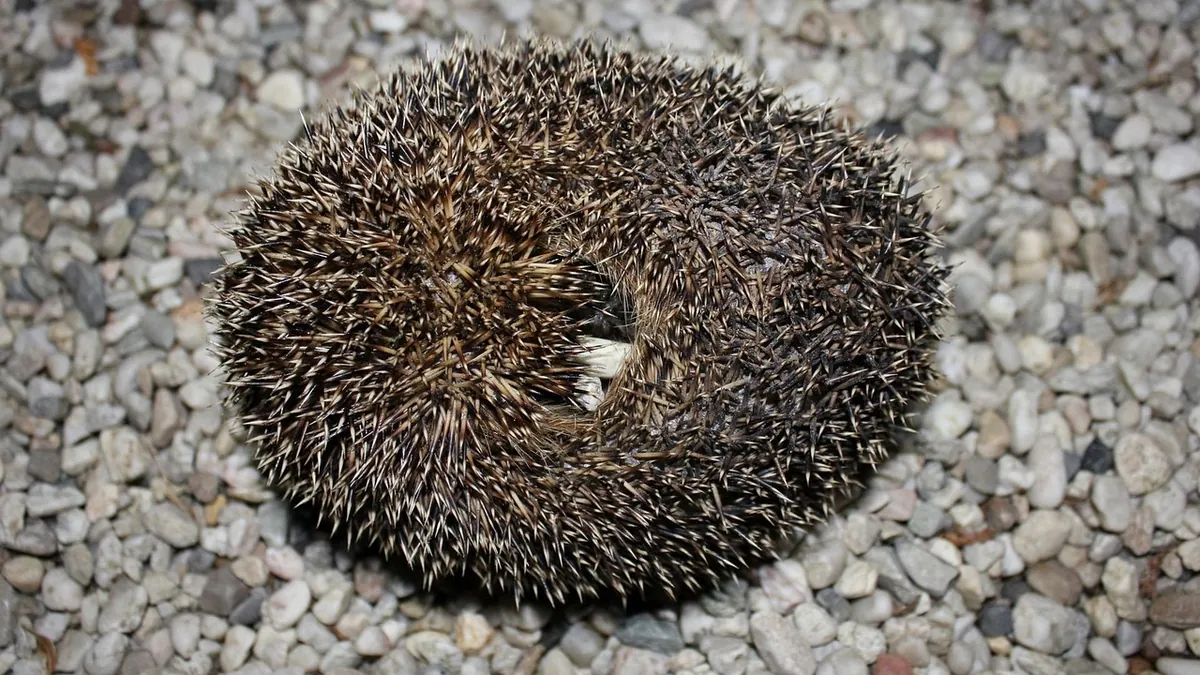
A hedgehog that huffs, pops, and balls up is usually doing exactly what a hedgehog is supposed to do. Grumpiness in this species is often normal defensive behavior, especially when your pet feels exposed, startled, or handled too fast. But when the behavior is new, intense, or paired with changes in eating, moving, or sleeping, it can point to stress, pain, or illness that needs veterinary attention.
This article is educational and is not a substitute for veterinary diagnosis or treatment.
Quick Answer
- Hissing, clicking, popping, and rolling into a spiky ball are normal hedgehog defenses, not signs of a mean pet.
- A sudden change in temperament is the real warning sign, especially in an adult hedgehog that used to be calm.
- Pain and illness often look like grumpiness first, because hedgehogs hide weakness and may react defensively when touched.
- Handle your hedgehog gently, in dim light, with clean hands and slow movements, and let it unroll on its own.
- Never punish a hedgehog for huffing. Punishment increases fear and makes handling harder over time.
Why Is My Hedgehog So Grumpy? Normal Reasons First
Hedgehogs are prey animals. In the wild, almost everything bigger than they are could eat them. Their first line of defense is to raise their spines, tuck their head and legs, and roll into a ball. Hissing, popping, and clicking are warning sounds that come with that posture. This is often called huffing, and it is a fear or startle response, not a personality flaw.
Several everyday situations trigger it.
Common triggers for hedgehog huffing and aggression
- Sudden movement or bright light. A hand coming in published veterinary research feels like a predator. So does a lamp switched on over the cage.
- Being picked up before waking. Hedgehogs are nocturnal or crepuscular. Waking one in the middle of its sleep day invites a grumpy response.
- New smells. Your hands may carry food, soap, or another pet's scent. Unfamiliar odors can make a hedgehog defensive.
- Quilling. Young hedgehogs lose and replace spines, which can make their skin tender and their mood short.
- Breeding season hormones. Intact adults of both sexes can become more reactive at certain times of year.
- A new home or routine. Moving, a cage change, or a new household member can raise stress for weeks.
Stress in hedgehogs is measurable, not imaginary. Researchers have validated a non-invasive test that tracks stress hormones in hedgehog droppings, which confirms that handling and housing conditions affect their physiology [1]. In other words, a hedgehog that huffs every time you reach in is not being dramatic. Its body is responding to a real stressor.
What normal defensive behavior looks like
A normal grumpy hedgehog does all of the following:
- Rolls into a tight ball when approached
- Huffs, pops, or clicks
- Raises its spines
- Unrolls within a few minutes once it feels safe
- Eats, drinks, poops, and moves normally the rest of the time
If your hedgehog does these things but is otherwise healthy and predictable, you likely have a normal hedgehog, not a sick one.
Medical Causes to Rule Out
When a hedgehog's temperament changes, think health before behavior. Hedgehogs are stoic. They do not limp or cry the way a dog might. They get quiet, hide more, eat less, and act defensive when touched.
Pain and skin disease
Skin problems are common in pet hedgehogs. Ringworm (dermatophytosis) causes crusting dermatitis, especially around the face and ears, and can lead to spine loss [2]. Affected hedgehogs may scratch with their hind legs or rub against objects, but many show no itching at all [2]. A hedgehog with sore skin may huff and ball up when you try to examine it. Many of these infections are secondary to other skin conditions, such as mites or skin trauma [2].
Digestive and parasitic problems
Gastrointestinal signs in hedgehogs can come from diet changes, toxins, liver disease, and malnutrition [2]. Enteric protozoan parasites such as Cryptosporidium and Blastocystis can cause diarrhea, abdominal pain, and weight loss, and they spread through the fecal-oral route [3]. A hedgehog with a sore belly may resist being picked up or held.
Environmental and toxic exposures
Hedgehogs can accumulate metals and persistent organic pollutants from their environment, and these exposures are linked to oxidative stress in their tissues [4]. In a pet setting, the practical version of this is household hazards: lead paint dust, pesticides, and contaminated soil from an outdoor enclosure. If your hedgehog's behavior changed after a move, a new bedding product, or outdoor time, tell your veterinarian.
Neurologic disease
If grumpiness comes with wobbling, falling, or trouble walking, this is a different problem. Learn the signs in our guide to Hedgehog Wobbly Hedgehog Syndrome.
Signs that suggest pain instead of attitude
- Flinching or jerking when a specific body area is touched
- Grinding or clicking the teeth while resting
- Holding the body rigid or hunched
- Reluctance to move, or moving stiffly
- Reduced appetite or dropping weight
- Changes in poop color, consistency, or frequency
- Excessive self-grooming, scratching, or spine loss
Any of these with a new grumpy attitude means a vet visit, not a training plan.
When Grumpiness Becomes a Problem
Normal defensiveness is manageable. A behavior problem is when the pattern interferes with basic care or quality of life.
Ask yourself these questions:
- Can you clean the cage, change water, and offer food without a full defensive episode every time?
- Does your hedgehog unroll and explore during its active hours?
- Is it eating, drinking, and pooping normally?
- Has the behavior changed in the last few weeks?
- Are you or your hedgehog getting injured during handling?
If you answer no to the first three or yes to the last two, it is time to look deeper. Behavior changes in pets often reflect an underlying medical or environmental problem, which is the same principle veterinarians apply to other species. Our article on Why Is My Dog Having Behavior Problems walks through that logic for dogs, and the framework transfers well to small mammals.
What to Do Step by Step
Handling tips that reduce huffing
- Wash your hands first. Remove food and perfume smells.
- Approach from the side or below. Never swoop down in published veterinary research.
- Work in dim light. Bright overhead light increases defensiveness.
- Let the hedgehog walk onto your open palm. Scooping from underneath feels safer than grabbing.
- Support the whole body. Use both hands, one under the belly and one cupped below.
- Keep sessions short. Two to five minutes at first, then build up.
- Handle at the same time each evening. Predictability lowers stress.
- Use a soft towel or fleece as a portable hide. Many hedgehogs relax when partly covered.
- Stay calm and quiet. Loud voices and fast movements keep the defensive response going.
Enrichment that lowers stress
- Provide a hide box or snuggle sack so your hedgehog can retreat on its own terms.
- Offer a solid-surface exercise wheel sized for the species. Wire wheels can injure feet and legs.
- Add shallow digging material such as shredded paper or safe soil.
- Rotate a few safe toys and tunnels to keep the environment interesting.
- Keep the cage in a quiet room away from dogs, cats, and heavy foot traffic.
- Maintain a consistent light cycle so your hedgehog's body clock stays stable.
Environment checklist
- Cage temperature in the mid 70s Fahrenheit, with a consistent heat source
- No drafts, no direct heat lamps that can overheat
- Smooth bedding changed regularly
- Fresh water available at all times
- A quiet, covered sleeping area
- Minimal handling during the first week after any move
For a full setup walkthrough, see Pet Hedgehog Care: Housing, Diet, and Health Management.
Build a simple desensitization plan
Pair your presence with something neutral or positive. Sit near the cage and talk softly for a few minutes each evening. Next, rest your hand inside the cage without touching. Then offer a favorite treat from an open palm. Only after that, try brief handling. If your hedgehog balls up, pause and wait. Forcing the interaction teaches it that huffing does not work, which pushes the behavior to escalate.
What Not to Do
- Do not punish huffing. Yelling, tapping, or blowing on a hedgehog increases fear and can cause injury from spines or bites.
- Do not grab a balled-up hedgehog and pry it open. This is how bites and dropped pets happen.
- Do not use gloves for routine handling unless your veterinarian advises it. Gloves hide your scent and make the experience stranger.
- Do not assume it is "just personality." A sudden change in an adult hedgehog deserves a health check.
- Do not wake a sleeping hedgehog to play. You will get a defensive response every time.
- Do not house two hedgehogs together unless you have a specific breeding or veterinary reason. Solitary housing is the norm for this species.
- Do not skip the quarantine period after bringing home a new hedgehog. Watch appetite, poop, and activity for at least a week before assuming behavior is the only issue.
When to Involve a Veterinarian or Behavior Professional
Call an exotics veterinarian if the grumpiness is new, if it comes with any physical sign, or if handling has become unsafe for either of you. A veterinarian can check for skin disease, parasites, dental problems, and neurologic issues that owners cannot see at home.
A certified behavior professional can help if your veterinarian finds no medical cause and the problem is fear-based or handling-related. Look for someone with experience in small exotic mammals, not just dogs and cats. If you are comparing behavior concerns across species, our article on How Do I Know If My Dog Has Behavior Problems shows how vets separate normal species behavior from a true problem.
Limitations and When to Contact a Veterinarian
No article can tell you whether your specific hedgehog is sick, stressed, or simply being a hedgehog. That judgment requires a hands-on exam, a weight check, and often a skin or fecal test. Individual cases need a veterinarian.
Contact an emergency veterinary hospital now if you see:
- Collapse, seizures, or trouble breathing
- Bleeding that will not stop
- A prolapsed organ or a large open wound
- Inability to urinate or poop for more than 24 hours
- Severe lethargy with no response to handling
Contact your veterinarian the same day if you see:
- Sudden refusal to eat or drink
- Vomiting or diarrhea lasting more than a day
- A hedgehog that stays balled up and will not unroll at all
- New wobbling, head tilt, or circling
- Visible mites, crusting, or patchy spine loss
- A bite wound from another pet
Schedule a routine visit within a few days if you see:
- Gradual behavior change over one to two weeks
- Mild appetite decrease with stable weight
- Increased hiding or reduced wheel use
- Any new grumpiness in a hedgehog older than one year
If you suspect poisoning from a household product, call the ASPCA Animal Poison Control Center at (888) 426-4435 or the Pet Poison Helpline at (855) 764-7661. Have the product container and your hedgehog's weight ready.
Frequently Asked Questions
Is my hedgehog being aggressive or just scared?
Almost always scared. Hedgehogs are prey animals, and huffing, popping, and balling up are fear responses, not aggression in the way people think of it. True biting usually happens only when a hedgehog feels trapped or is in pain.
How long does it take for a hedgehog to settle into a new home?
Most hedgehogs need one to two weeks of quiet adjustment before they relax, and some take longer. Keep handling brief and predictable during that period, and watch appetite and droppings as your main health indicators.
Can I train a hedgehog to stop huffing?
You cannot train the behavior away, but you can reduce the triggers. Consistent evening handling, dim light, slow movements, and a safe hide all lower the stress response over time. If nothing improves after several weeks, ask your veterinarian to rule out pain or skin disease.
Does a grumpy hedgehog mean it is in pain?
Sometimes, yes. Pain and illness often show up as increased defensiveness, hiding, or flinching when touched. If the grumpiness is new or comes with appetite, weight, or movement changes, get a veterinary exam.
Should I get a second hedgehog to keep mine company?
No. Hedgehogs are generally solitary and often fight when housed together. A companion usually adds stress instead of reducing it, so focus on enrichment, a proper environment, and gentle handling instead.
Do hedgehogs get grumpier as they age?
They can become less tolerant of handling as they get older, especially if arthritis or dental disease develops. Any new grumpiness in a senior hedgehog should be checked by a veterinarian instead of accepted as normal aging.
Related Articles
- Pet Hedgehog Care: Housing, Diet, and Health Management
- Hedgehog Wobbly Hedgehog Syndrome
- Why Is My Hedgehog Biting Me? Understanding Aggression
- Why Is My Hedgehog Hissing? What It Means and What to Do
- Why Is My Hedgehog Making Noise? Squeaks and Clicks
References
- Spikes in the data: biological validation and applications of an assay for detecting faecal glucocorticoid metabolites in Western European hedgehogs (Erinaceus europaeus). Conservation physiology, 2026.
- Diseases of Four-Toed (African Pygmy) Hedgehogs - Exotic and Laboratory Animals. Merck Veterinary Manual.
- A Thorny Tale of Parasites: Screening for Enteric Protozoan Parasites in Hedgehogs from Portugal. Animals : an open access journal from MDPI, 2024.
- Oxidative stress biomarkers, metal(loid)s and persistent organic pollutants in European hedgehogs: An integrated approach to environmental contamination. Environmental research, 2025.