Why Is My Hedgehog Biting Me? Understanding Aggression
By Dr. Zubair Khalid, DVM, MS, PhD ·
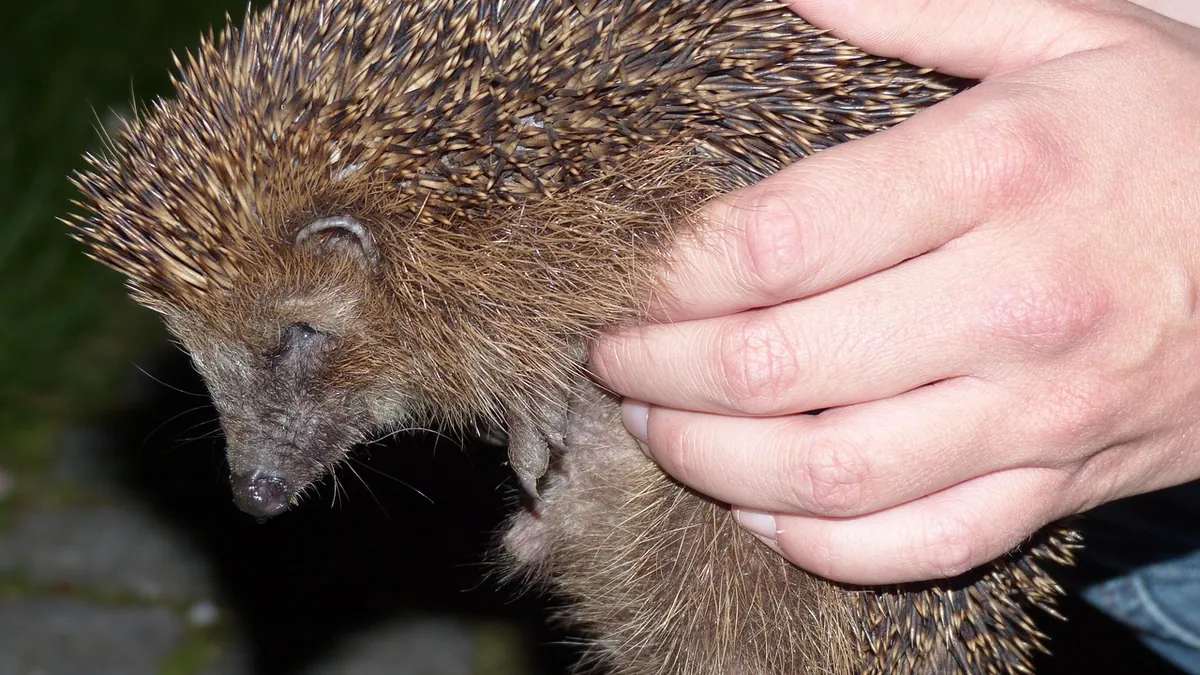
Hedgehogs bite and hiss most often because they feel threatened, not because they hate you. A hedgehog that was handled little, moved to a new home, or woken during the day may react with a quick nip or a sharp hiss. Understanding what triggers this behavior is the first step toward calming your pet and building trust.
This article is educational and is not a substitute for veterinary diagnosis or treatment.
Quick Answer
- Biting and hissing are usually defensive, not aggressive in the way people think of dog aggression. Your hedgehog is saying "back off."
- New hedgehogs, young hedgehogs, and hedgehogs that were rarely handled often need weeks of slow, quiet contact before they relax.
- Pain, illness, and skin problems can turn a calm hedgehog into a biter, so a veterinary check is reasonable if the behavior starts suddenly.
- Never punish a hedgehog for biting. Punishment increases fear and makes biting worse.
- Move slowly, handle at dusk or evening, support the whole body, and keep sessions short at first.
Why Is My Hedgehog Biting Me? The Normal Reasons First
Hedgehogs are prey animals. In the wild, almost everything bigger than they are could eat them. Their first defense is to roll into a ball of spines, and their second is to hiss, pop, and bite. When your hedgehog bites you, it is usually acting on instinct, not on a grudge.
Fear and lack of handling
A hedgehog that has not been handled much sees your hand as a predator. Fast movements, loud voices, and grabbing in published veterinary research all trigger the same response a hawk would. If you just brought your hedgehog home, expect a settling-in period. Give it several days of quiet in its enclosure before you start handling, then keep early sessions to a few minutes.
Being startled or woken up
Hedgehogs are nocturnal. Waking one in the middle of its sleep is a common reason for a bite. If you reach into a hide and pull out a sleeping hedgehog, you may get a hiss and a nip before it is fully awake. Handle in the evening or at night when your hedgehog is naturally active.
Scent and taste confusion
Hedgehogs explore with their noses and mouths. If your hands smell like food, lotion, or another animal, a curious nibble can turn into a bite. Wash your hands before handling and avoid strongly scented soaps and creams.
Hormones and age
Young hedgehogs go through a phase where they mouth and nip at everything. Some intact hedgehogs also become more reactive during breeding season. This often settles with time and consistent, gentle handling.
Why is my hedgehog hissing at me?
Hissing, popping, and clicking are alarm sounds. A hedgehog that hisses is telling you it is scared or annoyed. The same triggers apply: sudden movement, being cornered, being picked up without support, or an unfamiliar smell. Hissing usually comes before a bite, so treat it as a warning you can respond to. Slow down, stop reaching, and let your hedgehog settle before you try again.
Why is my hedgehog scared of me?
Trust takes time. Hedgehogs rely heavily on hearing and smell, and they can perceive a broad range of sounds, including ultrasonic frequencies that people cannot hear [1]. That means your hedgehog may react to noises in your home that you do not notice. A quiet room, a consistent routine, and a familiar scent on your hands all help reduce fear.
Medical Causes to Rule Out
Behavior changes that appear suddenly in an adult hedgehog deserve a closer look. Pain is a common driver of irritability in small pets, and the same principle applies across species. If your hedgehog's aggression seems tied to being touched in a certain spot, read How to Tell If Your Dog's Aggression Is Pain-Related for a sense of how pain and behavior connect, even though the species differ.
Pain and injury
Spine injuries, cuts, and foot wounds can make any handling painful. Hedgehogs in the wild face serious threats from garden equipment, and cut injuries are often found late and carry a high mortality rate [2]. Check your hedgehog's body for wounds, swelling, or tender areas, and let a veterinarian examine anything you find.
Skin and parasite problems
Mites, fungal infections, and quill loss cause itching and sore skin. A hedgehog in discomfort may bite when you touch it. Tick-borne infections are also a concern in hedgehogs, since they can carry and transmit spotted fever group Rickettsia through tick cofeeding [3]. Your veterinarian can check for external parasites and skin disease during a routine exam.
Stress and environment
Hedgehogs respond to stress with measurable hormone changes, and researchers use fecal glucocorticoid metabolites to detect it [4]. In practice, this means a hedgehog in a stressful setup (too small a cage, too much light, constant noise, or a draft) may show more defensive behavior. Improving the environment often improves the behavior.
Dental and mouth problems
Broken teeth, oral infections, and abscesses can make a hedgehog mouthy or reluctant to eat. If your hedgehog is biting more and eating less, a veterinary dental check is warranted.
When Biting Becomes a Problem
A single nip from a nervous new hedgehog is normal. It becomes a problem when:
- Biting happens every time you handle your hedgehog.
- The behavior started suddenly in a hedgehog that used to be calm.
- Your hedgehog hisses or bites when left alone, not just when touched.
- You see other signs of illness, such as weight loss, poor appetite, or changes in droppings.
- You or a family member cannot safely handle the hedgehog.
If any of these apply, treat it as a health and welfare issue, not a personality flaw. Behavior problems in pets often have more than one cause, and the same is true for hedgehogs. For a broader look at how behavior issues develop, see Why Is My Dog Having Behavior Problems.
What to Do Step by Step
Build trust slowly
Start with short, calm sessions in a dim room. Let your hedgehog sniff your hand before you pick it up. Scoop from underneath with both hands and support the belly and feet. Keep the first sessions to two or three minutes, then lengthen them as your hedgehog relaxes. End on a calm note, not on a bite.
Use scent and routine
Wash your hands, then rub them in clean bedding so you carry a familiar smell. Handle at the same time each evening. Predictability lowers fear.
Offer a treat
A small piece of a favorite food can pair your hand with something good. Let your hedgehog take it from your palm. Do not hand-feed if your hedgehog is actively biting, since that rewards the wrong behavior.
Improve the enclosure
Provide a quiet, draft-free cage with a hide, a solid floor, and a wheel. Keep the room calm. Reduce handling during the day when your hedgehog should be sleeping.
Watch for warning signs
Learn your hedgehog's early signals: puffing, popping, raising quills, or tucking its head. When you see them, pause. Respecting the warning prevents the bite.
Keep a simple log
Note when bites happen, what you were doing, and how your hedgehog acted before. Patterns become obvious fast and help your veterinarian.
What Not to Do
Do not punish
Never flick, tap, yell at, or blow on your hedgehog. Punishment confirms that hands are dangerous and usually increases biting.
Do not grab or corner
Reaching in published veterinary research or chasing a hedgehog around the cage mimics a predator. It also makes future handling harder.
Do not force handling
If your hedgehog is rolled tight and hissing, put it back and try later. Forced sessions set trust back.
Do not rely on myths
Common myths include "hedgehogs bite because they are mean" and "you should let them bite until they stop." Neither is true. Biting is communication, and it responds to patience and good care.
Do not skip the vet
If the behavior is new or comes with other symptoms, a checkup is the fastest way to rule out pain and illness.
When to Involve a Veterinarian or Behavior Professional
Call a veterinarian who treats exotic pets if biting starts suddenly, if your hedgehog shows pain signs, or if you cannot handle it safely. A certified behavior professional can help if your veterinarian finds no medical cause and the behavior continues despite your best efforts. The same approach applies to other species with biting problems, such as birds, as described in Conure Biting Behavior.
Limitations and When to Contact a Veterinarian
This article cannot diagnose your hedgehog. Individual cases need a veterinarian who can examine your pet in person.
Contact a veterinarian the same day if your hedgehog:
- Stops eating or drinking.
- Has visible wounds, swelling, or bleeding.
- Bites and then hides constantly or seems weak.
- Has trouble moving or shows a limp.
Seek emergency care now if your hedgehog:
- Has a deep cut, heavy bleeding, or a suspected broken bone.
- Is not breathing normally, is limp, or is unresponsive.
- Has been attacked by another animal.
Schedule a routine visit if biting or hissing is new, if you see quill loss or skin problems, or if you want help with handling and enrichment. Your veterinarian will calculate any medication dose from your hedgehog's weight and health, so never give a medication on your own.
Frequently Asked Questions
Does my hedgehog hate me?
No, biting almost always reflects fear, pain, or stress, not dislike. Hedgehogs do not form grudges the way people imagine. With slow, consistent handling, most hedgehogs calm down over weeks.
How long does it take for a hedgehog to stop biting?
It varies with age, history, and health. Some settle in days, while others need several weeks of short, calm sessions. If nothing improves, ask your veterinarian to check for pain or illness.
Should I wear gloves when handling a biting hedgehog?
Gloves can protect your hands, but they also dull your sense of touch and may scare your hedgehog. Use them short term if you must, and work toward bare-handed handling as trust grows.
Can I train a hedgehog not to bite?
You can reduce biting by pairing your hand with calm, positive experiences and by respecting warning signs. Punishment does not work and usually makes biting worse.
Is hissing always a sign of aggression?
No, hissing is usually fear or annoyance, not true aggression. Treat it as a warning and give your hedgehog space before trying again.
Related Articles
- Do Hedgehogs Bite? Why It Happens and How to Stop It
- Why Is My Hedgehog So Grumpy? Behavior and Health Clues
- Why Is My Hedgehog Hissing? What It Means and What to Do
References
- Hearing and anatomy of the ear of the European hedgehog Erinaceus europaeus. Biology letters, 2026.
- Occurrence and Characteristics of Cut Injuries in Hedgehogs in Germany: A Collection of Individual Cases. Animals : an open access journal from MDPI, 2023.
- Roles of tick-cofeeding hedgehogs in the natural transmission of spotted fever group Rickettsia. PLoS neglected tropical diseases, 2025.
- Spikes in the data: biological validation and applications of an assay for detecting faecal glucocorticoid metabolites in Western European hedgehogs (Erinaceus europaeus). Conservation physiology, 2026.