Why Is My Hedgehog Scratching So Much? Itch Causes
By Dr. Zubair Khalid, DVM, MS, PhD ·
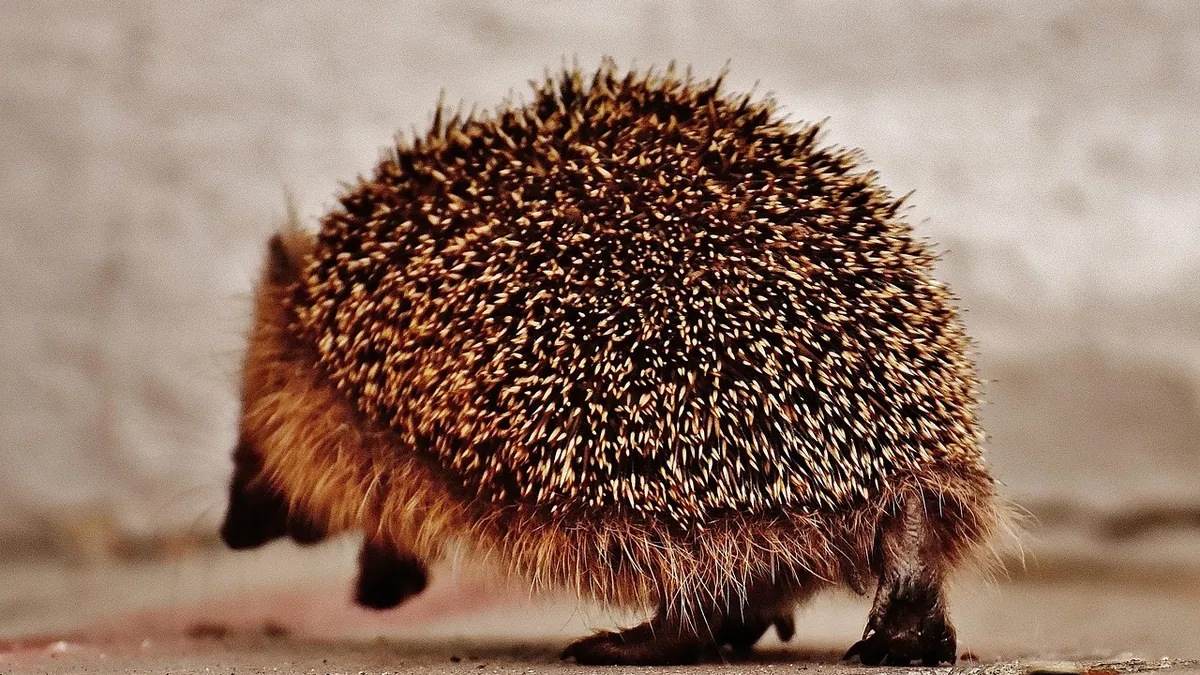
Why is my hedgehog scratching so much? In most cases, the answer is a skin problem, and the two most common ones are mites and dry skin. Hedgehogs also get fungal infections and, less often, tumors that can cause intense itching and quill loss. Because these conditions look similar at home but need very different treatments, a veterinary exam is the fastest way to get relief for your pet.
This article is educational and is not a substitute for veterinary diagnosis or treatment.
Quick Answer
- Mites are the most common cause of heavy scratching in pet hedgehogs, and the mite Caparinia tripilis is the usual culprit [1].
- Dry skin from low humidity, overheating, or poor diet causes flaking and scratching without the crusty, inflamed skin that mites produce.
- Ringworm (dermatophytosis) is common in hedgehogs and can spread to people, so wear gloves when handling a hedgehog with skin crusts [1][2].
- Never use flea products, mite sprays, or human creams on a hedgehog without veterinary guidance, since many of these are toxic to them.
- Any hedgehog with quill loss, open sores, or scratching that lasts more than a few days needs a vet visit.
What Normal Scratching Looks Like and What Does Not
Hedgehogs scratch. They groom, they rearrange quills, and they scratch a leg or flank now and then. That is normal.
What is not normal is scratching that interrupts eating, sleeping, or unrolling. Watch for a hedgehog that scratches constantly, bites at its own skin, or seems restless and agitated. In one documented case, a pet hedgehog with a mite infestation showed restlessness, agitation, itching, and scratching along with large bald patches, congested skin, and thin whitish scabs [3].
Quill loss is another sign owners notice. Some shedding is expected, but diffuse loss of quills and hair across the body is a warning sign. A hedgehog with widespread quill and hair loss over five months turned out to have a skin lymphoma, so quill loss is never something to shrug off [4].
Main Causes of Excessive Scratching in Hedgehogs
Hedgehog Mites
Mites are the top reason a hedgehog scratches nonstop. The mite Caparinia tripilis, from the family Psoroptidae, is the most common mite affecting hedgehogs [1]. These mites live on the skin and cause intense itch.
Clues that point to mites include:
- Constant scratching and biting at the skin
- Restlessness and agitation
- Bald patches where quills and hair have fallen out
- Red, congested skin
- Thin whitish scabs or crusts [3]
Diagnosis is made by looking at skin scrapings under a light microscope [1]. Mites are treatable, and in the reported case, treatment with selamectin spot-on and enilconazole washes led to skin healing and new spines growing back [3]. Your veterinarian will choose the drug and calculate the dose based on your hedgehog's weight and health.
Hedgehog Dry Skin
Dry skin is the second big itch cause, and it is often mistaken for mites. The signs overlap, but dry skin usually shows up as flaking and dandruff without the heavy crusting, redness, or rapid quill loss that mites bring.
Common triggers for dry skin include low humidity in the room, especially in winter, temperatures that are too warm, and a diet low in fat or essential fatty acids. Hedgehogs kept on dry bedding in a heated room lose moisture from their skin quickly.
Dry skin responds to simple changes. Raising the humidity, offering a shallow warm bath with a gentle oatmeal pet shampoo, and reviewing the diet with your vet often help. If the flaking does not improve within a week or two, mites or fungus becomes more likely.
Ringworm and Other Fungal Infections
Dermatophytosis, better known as ringworm, is a common skin disease in pet hedgehogs [1]. The fungus Trichophyton erinacei is the usual cause, and it is zoonotic, meaning it can spread from your hedgehog to you [1][2].
Here is the tricky part. Most hedgehogs that carry this fungus look completely normal, which makes early detection hard and raises the risk of passing it to other animals or people [2]. When signs do appear, they include quill loss, scaling, and crusting [1].
Human infections from pet hedgehogs are well documented. One woman developed a blistering rash on her hand that was first treated as contact dermatitis, and it turned out to be a fungal infection traced to her African pygmy hedgehog [5]. Another person developed a scaly, crusted rash behind the knee that was confirmed as Trichophyton erinacei and was likely transmitted from a hedgehog [6]. If you have a rash that will not clear with standard creams, tell your doctor you own a hedgehog.
Diagnosis in the hedgehog is done with a fungal culture [1].
Other Causes
Skin tumors are another major cause of skin disease in four-toed hedgehogs [1]. Diagnosis often starts with a fine-needle aspirate and may need a biopsy for a final answer [1]. One African hedgehog with five months of itching and diffuse quill and hair loss was diagnosed with epitheliotropic cutaneous lymphoma after skin biopsies [4].
Other possible causes include bacterial skin infections, allergies, and irritation from bedding or cage cleaners. These are less common than mites, dry skin, and fungus, but they belong on the list.
Cause Comparison Table
| Cause | Typical clues | How urgent |
|---|---|---|
| Mites (Caparinia tripilis) | Intense scratching, restlessness, bald patches, red skin, thin whitish scabs [1][3] | See a vet within a few days |
| Dry skin | Flaking, dandruff, mild scratching, no heavy crusting | Try home changes for 1 to 2 weeks, then vet |
| Ringworm (fungal) | Quill loss, scaling, crusts, possible human rash [1][5][6] | See a vet soon, protect yourself |
| Skin tumors or lymphoma | Long-standing itching, widespread quill and hair loss, crusting, no response to basic care [4] | See a vet promptly |
| Bacterial infection or allergy | Redness, discharge, odor, itching after bedding changes | See a vet if it persists |
Red Flags That Mean Emergency or Same-Day Care
Most itching is not an emergency, but some signs are. Get veterinary help right away if your hedgehog:
- Stops eating or drinking
- Becomes weak, wobbly, or unresponsive
- Has open, bleeding, or infected sores
- Loses quills in large numbers over a short time
- Breathes with effort or makes clicking sounds
- Has a swollen, hot, or painful area of skin
A hedgehog that is losing weight, hiding more than usual, or refusing to unroll for handling also needs prompt attention. Small pets decline fast, and skin problems can be a sign of something deeper.
Safe Things You Can Do at Home While You Wait
You cannot diagnose mites or fungus at home, but you can make your hedgehog more comfortable and avoid making things worse.
- Do not use over-the-counter flea or mite products. Many are made for dogs and cats and can be toxic to hedgehogs. Wait for your vet's plan.
- Do not apply human antifungal or steroid creams. They are not dosed for hedgehogs and can be licked off.
- Raise the humidity. A room humidifier or a slightly larger water dish can ease dry skin.
- Check the temperature. Keep the cage in the comfortable range your vet recommends and avoid direct heat sources that dry the skin.
- Offer a shallow warm bath with a gentle pet shampoo if your vet approves it. Pat dry and keep the hedgehog warm afterward.
- Change bedding often. Use soft, dust-free bedding and wash the cage with a pet-safe cleaner.
- Wear gloves and wash your hands after handling, especially if you see crusts or scaling, since ringworm can pass to people [1][2].
- Keep a simple log. Note how often your hedgehog scratches, where the quill loss is, and any changes in appetite or behavior. This helps your vet.
If you have other pets, keep them away from the hedgehog until you know what is going on. The same itch-and-scratch pattern shows up in other species, and it can help to compare notes. You can read about why dogs itch and why cats itch to see how vets sort out skin causes across species.
What Your Veterinarian Will Check and Test
Your vet will start with a full history and a hands-on exam. Expect questions about diet, bedding, humidity, cage temperature, how long the scratching has lasted, and whether anyone in the home has a rash.
Then come the tests. Which ones your vet picks depends on what the exam shows.
- Skin scraping and microscopy. This is how mites like Caparinia tripilis are found [1][3].
- Fungal culture. This confirms dermatophytosis from Trichophyton erinacei [1].
- Fine-needle aspirate. Used to sample lumps or thickened skin, and it is often the first step when a tumor is suspected [1].
- Skin biopsy. Sometimes needed for a definitive diagnosis, especially with tumors [1][4].
- Wood's lamp or other light exams. Your vet may use these to screen for fungal glow, though culture remains the confirmatory test [1].
Treatment depends on the diagnosis. Mite cases have been treated successfully with selamectin spot-on and enilconazole washes [3]. Your vet will calculate the exact dose from your hedgehog's weight and health, so never guess at a dose yourself. Fungal infections need antifungal therapy, and your vet will also advise you on protecting your household. Tumors may need surgery or other care depending on the type and stage [1][4].
Prevention and Monitoring
You cannot prevent every skin problem, but you can lower the odds.
- Quarantine new hedgehogs. Keep a new pet separate for a few weeks and have it checked by a vet before introducing it to others.
- Wash your hands and use gloves when handling a hedgehog with skin issues, since ringworm can spread to people [1][2].
- Keep humidity and temperature steady. Dry, overheated rooms set the stage for dry skin.
- Feed a balanced diet. Ask your vet about appropriate fat and fatty acid levels for skin health.
- Clean the cage on a schedule. Remove soiled bedding daily and do a full clean weekly.
- Do a weekly skin check. Part the quills gently and look for flakes, crusts, bald spots, or redness.
- Track scratching over time. A sudden increase is your earliest clue.
- See your vet for annual exams. Early detection makes skin disease much easier to treat.
If your hedgehog scratches but you see no mites, fleas, or obvious cause, the same detective work applies as with other pets. This article on dogs that scratch but have no fleas walks through how vets narrow down hidden causes, and the logic carries over to hedgehogs.
Limitations and When to Contact a Veterinarian
This article cannot tell you what is causing your hedgehog's itching. Only a veterinarian who examines your pet and runs the right tests can do that. Individual cases need a veterinarian, and hedgehogs hide illness well, so waiting rarely helps.
Contact your vet the same day if your hedgehog has new quill loss, crusty or scabby skin, or scratching that has lasted more than a few days. Book a routine visit soon if you notice mild flaking, occasional scratching, or a change in grooming habits.
Go to an emergency clinic now if your hedgehog is not eating, is weak or wobbly, has open or bleeding sores, is losing quills rapidly, or is having trouble breathing. If you are unsure whether it is an emergency, call your vet's office and describe what you see. They can tell you whether to come in right away.
Frequently Asked Questions
Can I catch skin problems from my hedgehog?
Yes, ringworm from hedgehogs can spread to people. Trichophyton erinacei is a zoonotic fungus, and most carrier hedgehogs look completely normal, which makes it easy to miss [1][2]. Wear gloves, wash your hands after handling, and see a doctor if you develop a rash that does not clear up.
How do I know if my hedgehog has mites or just dry skin?
You usually cannot tell at home, and that is the problem. Mites cause intense scratching, restlessness, red skin, and thin whitish scabs, while dry skin mostly causes flaking and mild itching [3]. A skin scraping under a microscope is the only reliable way to tell them apart [1].
Will my hedgehog's quills grow back after treatment?
Often they do. In a documented mite case, treatment with selamectin spot-on and enilconazole washes led to skin healing and new spines growing [3]. Recovery depends on the cause and how long the problem went untreated, so early care gives the best chance.
Is ringworm in hedgehogs always itchy?
No. Many hedgehogs carrying the fungus show no signs at all, which is why it spreads so easily [2]. When signs do appear, they include quill loss, scaling, and crusting instead of constant scratching [1].
Can I use my dog's or cat's flea treatment on my hedgehog?
No. Never use flea or mite products made for dogs or cats on a hedgehog unless your veterinarian specifically prescribes them. Many of these products are toxic to hedgehogs, and the dose has to be calculated for your pet's weight and health.
Related Articles
- My Hedgehog Has Dry Skin: Causes and Safe Treatments
- Why Is My Hedgehog Not Eating? Causes and What to Do
- Why Is My Hedgehog Shaking? Causes and When to Worry
References
- Dermatologic Diseases of Four-Toed Hedgehogs. The veterinary clinics of North America. Exotic animal practice, 2023.
- Zoonotic dermatophyte Trichophyton erinacei in pet hedgehogs: sampling methodology and further insight into genetic diversity. Frontiers in veterinary science, 2026.
- The dermatitis by Caparinia tripilis and Microsporum , in african pygmy hedgehog (Atelerix albiventris) in Romania - first report. Revista brasileira de parasitologia veterinaria = Brazilian journal of veterinary parasitology : Orgao Oficial do Colegio Brasileiro de Parasitologia Veterinaria, 2018.
- Multicentric epitheliotropic T-cell lymphoma in an African hedgehog (Atelerix albiventris). Veterinary clinical pathology, 2014.
- Bullous eruption caused by an exotic hedgehog purchased as a household pet. Cutis, 2020.
- Tinea Corporis Due to Trichophyton erinacei Probably Transmitted from a Hedgehog. Medical mycology journal, 2018.