Why Does My Rabbit Bite? Normal Behavior or Problem?
By Dr. Zubair Khalid, DVM, MS, PhD ·
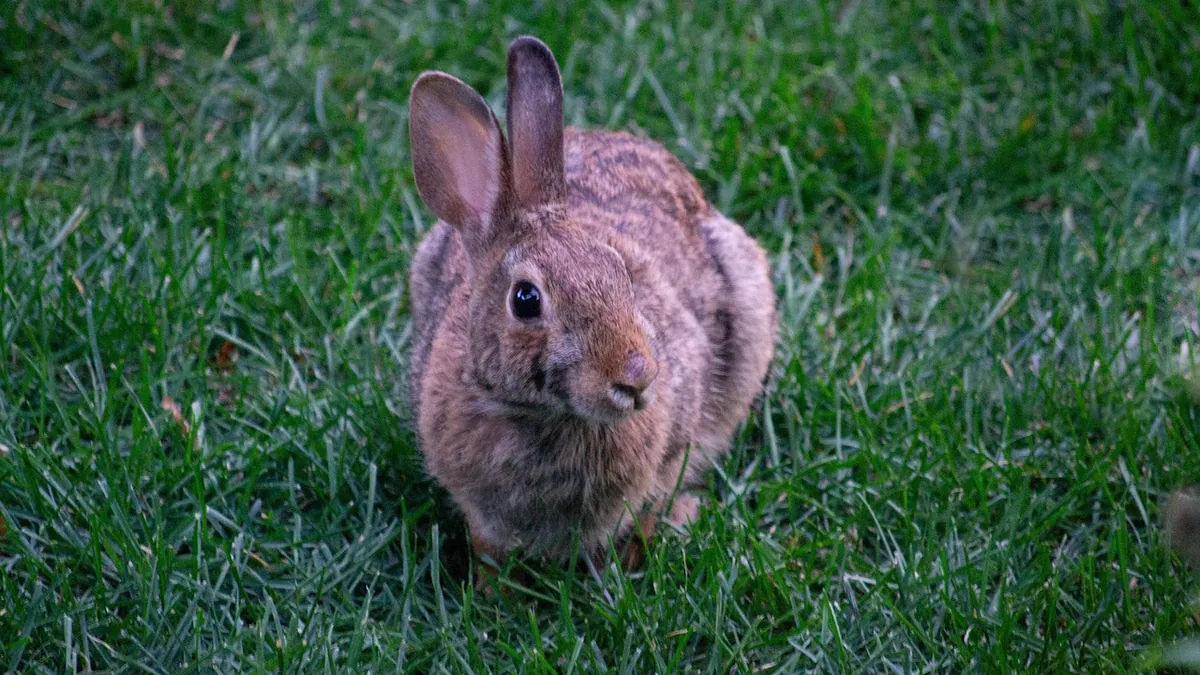
Rabbit biting is usually communication, not aggression for its own sake. A rabbit may bite to say "stop," "that hurts," or "I am scared," and sometimes biting signals pain or illness. Understanding why does my rabbit bite starts with reading the situation, the rabbit's body language, and any recent changes in health or environment.
This article is educational and is not a substitute for veterinary diagnosis or treatment.
Quick Answer
- Most rabbit bites are normal communication: a warning, a request to be put down, or a reaction to feeling trapped.
- Biting during handling, nail trims, or cage cleaning is common and often improves with calm, low-stress handling.
- Sudden biting in a normally gentle rabbit can point to pain, dental disease, or skin parasites, so a veterinary check is reasonable.
- Never hit, flick, or yell at a biting rabbit. Punishment increases fear and usually makes biting worse.
- Give your rabbit space, a hide box, and daily enrichment, then use treats and patience to build trust.
Why Does My Rabbit Bite? Normal Reasons First
Rabbits are prey animals. In the wild, biting is a last-resort defense, and pet rabbits keep that wiring. A bite often means the rabbit has run out of gentler signals.
Communication and Boundaries
Rabbits use nips and bites to set limits. A rabbit may bite when you reach into its cage, pick it up, or block its path. Some rabbits nip to get attention or to ask for food. These are normal behaviors, though nipping can become a habit if it works.
Fear and Startle Responses
A rabbit that feels cornered may bite before it runs. Sudden noises, fast hands, and unfamiliar people can trigger this. A rabbit that is new to your home may bite more in the first weeks while it learns that you are safe.
Hormones and Intact Rabbits
Unneutered and unspayed rabbits can show more territorial and hormonal biting, especially around cage areas. In one survey of rabbit owners in Spain, 58% of rabbits were sterilized, and about 39% of owners reported occasional biting incidents [1]. Sterilization often reduces hormone-driven biting, but it is not a guaranteed fix.
Pain and Illness
Biting can be the first sign that something hurts. Rabbits hide pain well, and a rabbit in discomfort may bite when touched or lifted. In a survey of German veterinarians, the most common ways to detect pain in rabbits were watching food intake and observing behavior [2]. That tells you behavior change, including new biting, matters.
Learned Behavior
If biting makes a person put the rabbit down or stop grooming, the rabbit learns that biting works. This is especially common with nail trims and brushing. The behavior is normal for the rabbit, but it is also teachable.
Parasites and Skin Irritation
Skin problems can make a rabbit irritable. A study on Psoroptes ovis, a common mite in domestic rabbits, found infested male rabbits showed reduced activity, less chin marking, and less exploratory behavior [3]. A rabbit that itches, scratches, or bites at itself or at hands near sore areas needs a veterinary exam.
Medical Causes to Rule Out
Before you treat biting as a training problem, rule out health issues. A veterinarian can check teeth, skin, ears, joints, and reproductive organs.
Dental disease is a common cause of pain in rabbits. Overgrown molars can cause mouth pain, drooling, and reduced eating. A rabbit that bites when you touch its face or offer food may be reacting to dental pain.
Skin parasites, abscesses, and wounds can cause localized pain. The mite study above shows that even a parasite infestation changes normal behavior [3]. If your rabbit bites at its own skin or flinches when touched, book an exam.
Reproductive problems can also cause pain. A case report described a 13-month-old male rabbit with an intra-abdominal testicle, torsion, and a teratoma, presenting with abdominal pain and swelling [4]. This is rare, but it shows that internal pain can change behavior. Any rabbit with a sudden change in temperament, appetite, or activity needs veterinary attention.
When Does Rabbit Biting Become a Problem?
Biting is a problem when it causes injury, happens often, or comes with other signs of distress. A single nip during a nail trim is different from daily bites that break skin.
Watch for these patterns:
- Biting that draws blood or happens without warning
- Biting paired with hiding, not eating, or weight loss
- Biting only in one area, such as the cage or a specific room
- Biting that started suddenly in an adult rabbit with no history of it
- Biting during handling that used to be tolerated
If biting is new and comes with any health change, treat it as a medical concern first. If your rabbit is healthy and biting is situational, it is likely a behavior problem you can work on.
How to Reduce Rabbit Biting Step by Step
Step 1: Get a Veterinary Exam
Start with a checkup. Your veterinarian can look for dental disease, skin problems, and pain. If your rabbit is intact, ask about sterilization. A veterinarian calculates any medication dose from your rabbit's weight and health, so never give human or leftover pet medicine on your own.
Step 2: Change How You Handle Your Rabbit
Most bites happen during handling. Support the hindquarters and chest, keep the rabbit close to your body, and keep sessions short. If your rabbit struggles, put it down before it bites. This teaches the rabbit that calm behavior ends the handling, not biting.
Avoid reaching into the cage in published veterinary research. Rabbits see overhead hands as predator-like. Approach from the side at eye level when possible.
Step 3: Read Body Language Early
Rabbits give warnings before they bite. Watch for flattened ears, a thumping foot, a tense body, a turned-away head, or a low growl. When you see these, stop what you are doing and give space. Learning these signals is the fastest way to prevent bites. For a deeper look at signals, see Understanding Rabbit Behavior: Body Language and Vocalizations.
Step 4: Build Trust With Food and Choice
Offer treats by hand only when your rabbit is calm. Let your rabbit come to you instead of chasing it. Use a hide box and let your rabbit choose when to interact. This lowers fear and reduces defensive biting.
Step 5: Add Enrichment and Space
Boredom and cramped housing can increase irritability. A survey of rabbit owners in Croatia found that higher perceived knowledge was linked to better enrichment and housing practices, but knowledge alone did not always match what owners actually did [5]. Give your rabbit room to run, safe chew items, tunnels, and daily play. A tired, busy rabbit bites less.
Step 6: Train With Positive Reinforcement
Use treats, praise, and gentle repetition. If your rabbit nips during petting, stop petting for a few seconds, then resume when the rabbit is calm. Do not pull away and squeal in a way that turns nipping into a game. For structured help, see Rabbit Behavior Training.
Step 7: Handle Hormonal Rabbits
If your rabbit is intact and bites around its cage or during mounting, talk to your veterinarian about sterilization. It can reduce territorial behavior, though results vary by rabbit.
What Not to Do
Never hit, flick, yell at, or spray your rabbit. Punishment makes a prey animal more fearful, and fear is a common cause of biting. It can also damage your bond and make handling harder.
Do not use "alpha" or dominance methods. Rabbits do not respond to human dominance displays. They respond to safety, routine, and rewards.
Do not assume biting is "just what rabbits do." Some biting is normal communication, but frequent biting is a sign that something in the environment, health, or handling needs to change.
Do not ignore sudden biting. A rabbit that was never bitey and suddenly bites may be in pain. Pain in rabbits is often missed, and veterinarians rely on food intake and behavior to spot it [2].
Do not compare rabbit biting to dog or bird behavior without context. Different species have different triggers. If you want to understand biting across species, see Dog Growling When Touched: Pain or Behavior Problem? and Conure Biting Behavior. The principles of fear and pain overlap, but the handling is different.
When to Involve a Veterinarian or Behavior Professional
Call your veterinarian if biting is new, frequent, or comes with appetite changes, weight loss, drooling, scratching, or hiding. A rabbit that bites when its face or belly is touched may have dental or abdominal pain.
Ask about a referral to a veterinarian who treats rabbits or a certified behavior professional if biting continues after a health check and basic training. Behavior help is most useful when medical causes are ruled out first.
If your rabbit bites and you are unsure whether it is pain or behavior, start with the veterinarian. A short exam can save weeks of guesswork.
Limitations and When to Contact a Veterinarian
This article gives general guidance. Individual cases need a veterinarian who can examine your rabbit and review its history.
Contact a veterinarian the same day if your rabbit:
- Stops eating or drinking
- Bites and then hides, trembles, or refuses to move
- Has swelling, a wound, or discharge
- Bites at its own skin or ears repeatedly
- Shows a sudden change in personality
Seek emergency care now if your rabbit:
- Has trouble breathing
- Collapses or cannot stand
- Has a swollen, painful abdomen
- Has heavy bleeding from a bite wound
- Is not producing droppings and is pressing its belly to the floor
Schedule a routine visit if biting is mild but ongoing, if your rabbit is intact and territorial, or if you want help with handling and enrichment. Your veterinarian can also discuss sterilization and pain management. Any drug dose must be calculated by your veterinarian based on your rabbit's weight and health.
Frequently Asked Questions
Do rabbits bite?
Yes, rabbits can bite. Biting is part of their normal communication, and it often means fear, pain, or a request to stop. Most pet rabbits bite rarely when they are handled gently and live in a suitable environment.
Is it normal for rabbits to bite?
Occasional nipping can be normal, especially during handling or when a rabbit feels cornered. Frequent or hard biting is not something you should accept as normal. It usually points to stress, pain, or a learned habit that can be improved.
What do rabbits bite?
Rabbits may bite hands, arms, clothing, cage bars, and objects in their space. They may also bite themselves if they have skin irritation or parasites. Biting objects is often normal chewing, while biting people usually has a social or defensive trigger.
How do rabbits bite?
Rabbits can nip with the front teeth or deliver a harder bite with a quick lunge. A nip may leave a small mark, while a hard bite can break skin. The force often matches how threatened or frustrated the rabbit feels.
Can rabbit biting be stopped?
Yes, most biting can be reduced. Start with a veterinary exam to rule out pain, then improve handling, add enrichment, and use positive training. Punishment makes biting worse, so patience and consistency matter more than force.
Related Articles
- Rabbit Behavior Training
- Understanding Rabbit Behavior: Body Language and Vocalizations
- Why Does My Rabbit Keep Biting Me? Causes and Fixes
- Why Is My Rabbit Mean? Aggression Causes and Fixes
- Why Is My Rabbit Licking or Biting Me? Behavior Explained
- Managing Aggression and Social Stress in Rabbits
References
- Comprehensive Survey on Rabbit Ownership, Environmental Management, and Care: Insights from Spain. Journal of applied animal welfare science : JAAWS, 2026.
- Survey of German veterinarians' approaches to pain assessment and management of perioperative pain in pet rabbits. The Veterinary record, 2026.
- Psoroptes ovis Infestation Impairs Sexual Behavior and Reduces Testosterone Levels in Male Rabbits. Acta parasitologica, 2026.
- Intra-abdominal torsion of a cryptorchid testicle associated with teratoma in a rabbit (Oryctolagus cuniculus): A case report. Veterinary and animal science, 2026.
- Perceived Rabbit Care Knowledge Does Not Consistently Align with Owner-Reported Husbandry Practices: A Survey of Pet Rabbit Owners in Croatia. Animals : an open access journal from MDPI, 2026.