Why Does My Rabbit Keep Biting Me? Causes and Fixes
By Dr. Zubair Khalid, DVM, MS, PhD ·
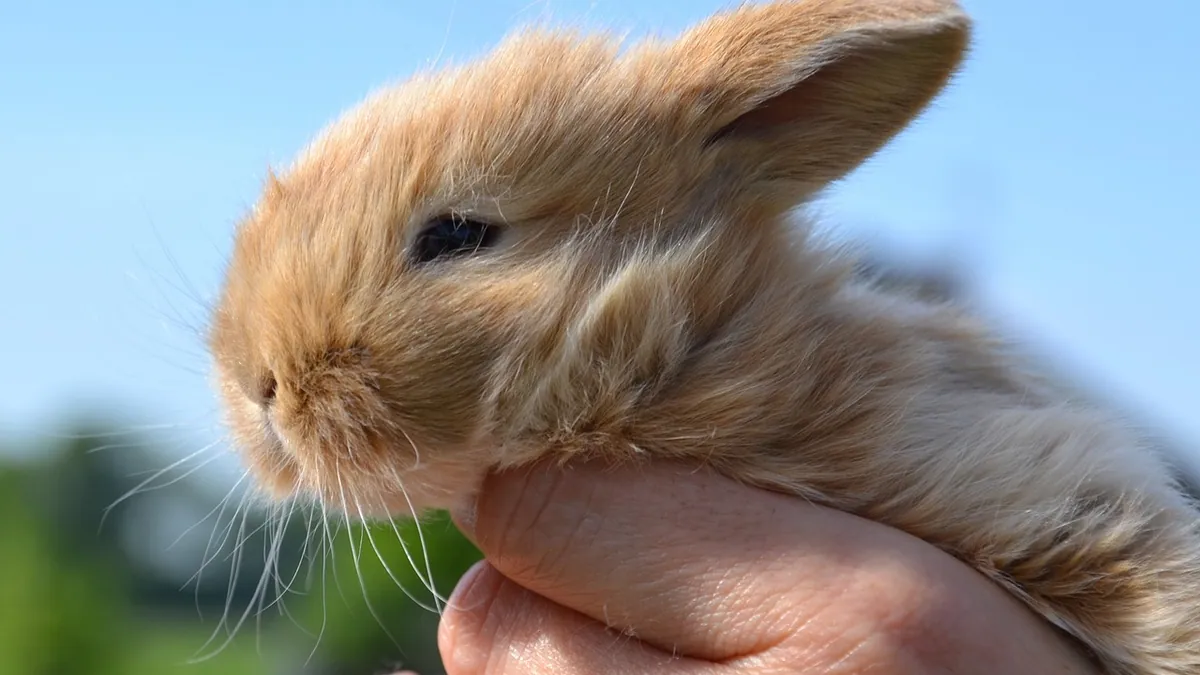
Rabbits bite for many reasons, and most of them are not about anger or meanness. A rabbit may nip to communicate, to set a boundary, or because something hurts. If you are asking yourself why does my rabbit keep biting me, the answer usually comes down to body language, hormones, environment, or pain.
This article is educational and is not a substitute for veterinary diagnosis or treatment.
Quick Answer
- A gentle nip or soft mouthing is often communication, not aggression. Rabbits use their mouths to move you, ask you to stop, or test a new object.
- Sudden biting in a rabbit that was previously calm is a red flag for pain, illness, or a recent change in the home.
- Unspayed female rabbits and unneutered male rabbits are more likely to bite because of hormones and territorial instincts.
- Boredom and a small cage increase irritability and aggression, and enrichment such as safe chew items can reduce conflict between rabbits [1].
- Never hit, flick, or yell at a biting rabbit. Punishment increases fear and makes biting worse.
Why Does My Rabbit Keep Biting Me? Normal Reasons First
Gentle nipping is rabbit language
A soft, quick nip with no broken skin is usually a request. Your rabbit may be saying "move your hand," "you are in my way," or "I want attention." Some rabbits nibble on clothing or fingers the way they would groom a bonded partner. This is different from a hard bite that leaves a mark.
Watch the rest of the body. Ears pinned flat, a stiff posture, and a raised tail mean the rabbit is upset. A relaxed rabbit with soft ears and a curious nose is usually just exploring or asking for something.
Hormones and territory
Sexual maturity changes behavior in both sexes. Unspayed females can become intensely protective of a cage, a corner, or a favorite spot. Unneutered males may mount, circle, and bite. This is not a personality flaw. It is a hormone-driven behavior that often improves after spaying or neutering.
Rabbits are also territorial by nature. A rabbit who bites when you reach into the cage but is friendly outside the cage is showing territorial biting, not general aggression. Reaching over their head or into their space triggers a defensive response.
Fear and startle responses
Rabbits are prey animals. A hand coming in published veterinary research looks like a predator. Sudden noise, a new pet, or a stranger in the house can push a nervous rabbit into biting. The bite is a last resort after the rabbit has already tried to run or hide.
Boredom and frustration
A rabbit with nothing to do will redirect energy into chewing, digging, and nipping. One study on group-housed breeding rabbits found that adding enrichment materials reduced agonistic behavior and skin injuries [1]. The same principle applies at home. A rabbit with hay, chew blocks, tunnels, and space to run is calmer than one stuck in a bare hutch.
Medical Causes to Rule Out
Pain is a common hidden cause
Rabbits hide pain well, so biting may be the first sign you notice. Dental disease, ear infections, arthritis, and abdominal pain can all make a rabbit snap when touched or picked up. A study of veterinarians who treat pet rabbits found that the most common ways they detect pain are watching food intake and observing behavior [2]. That means you are often the first person to see the change.
If your rabbit bites when you touch a specific area, such as the belly, back, or jaw, pain in that area is a strong possibility. A 13-month-old male rabbit in one case report showed abdominal pain and swelling from a torsed intra-abdominal testicle, a condition that required surgery [3]. This is rare, but it shows how quickly a medical problem can change behavior.
Parasites and skin problems
Itching and skin irritation make rabbits irritable. Mites, fleas, and other external parasites cause constant discomfort. A study on rabbits infested with the mite Psoroptes ovis found significant drops in activity, chin marking, and exploratory behavior, along with a 58% drop in testosterone levels [4]. A rabbit that feels this bad is not going to tolerate handling well.
Hormonal and reproductive conditions
Reproductive problems can cause pain and behavior changes. In male rabbits, testicular disorders including torsion and tumors have been described [3]. In females, uterine problems are common in unspayed rabbits. Any rabbit with a sudden behavior change and a history of not being spayed or neutered needs a veterinary exam.
Other illness
Any sick rabbit can become a biting rabbit. Gut stasis, respiratory infection, and urinary problems all cause discomfort. If your rabbit is also sneezing, see Rabbit Sneezing Causes for a list of possible reasons.
When Biting Becomes a Problem
Occasional gentle nips are normal. Biting becomes a problem when any of these apply:
- The bite breaks skin or leaves a bruise.
- The rabbit lunges, growls, or charges before biting.
- Biting happens daily or is getting worse.
- The rabbit bites children or guests.
- Biting started suddenly in an adult rabbit with no history of it.
- The rabbit also shows other changes, such as eating less, hiding more, or losing weight.
A rabbit who attacks you when you enter the room is showing territorial or fear-based aggression. A rabbit who bites randomly during petting may be in pain or may have a handling aversion. A rabbit who was fine last month and is biting now needs a medical workup first.
If you have other pets with behavior changes, the same rule applies. Sudden behavior problems in dogs often have a medical trigger too, as covered in Why Is My Dog Having Behavior Problems.
What to Do Step by Step
Step 1: Get a veterinary exam
Book a visit with a rabbit-savvy veterinarian before you assume this is purely behavioral. Ask for a full physical exam, a dental check, and a discussion of spaying or neutering if your rabbit is intact. Pain management in rabbits is well studied, and veterinarians use multimodal analgesia for surgery in this species. Your veterinarian will calculate any medication dose from your rabbit's weight and health status.
Step 2: Change how you approach your rabbit
- Sit on the floor and let the rabbit come to you.
- Offer a treat on an open palm instead of reaching over the head.
- Pet the head and shoulders first, not the belly or rear.
- Pick up your rabbit only when needed, supporting the chest and hindquarters.
- Move slowly and talk softly.
Step 3: Respect the warning signs
Most rabbits warn before they bite. Watch for flattened ears, a thumping foot, a tense body, and a raised tail. When you see these, stop what you are doing and back off. Rewarding the warning by stopping teaches the rabbit that warnings work, so biting becomes unnecessary.
Step 4: Build enrichment into every day
Enrichment is one of the most effective tools for reducing aggression. In the breeding-rabbit study, alfalfa blocks and wooden panels reduced fighting and injuries [1]. At home, try:
- Unlimited grass hay
- Safe wood chews and cardboard
- A digging box with shredded paper
- Tunnels and hide boxes
- Daily supervised time outside the enclosure
Rotate toys so your rabbit does not get bored with the same items.
Step 5: Protect your hands during training
Wear long sleeves and gloves during the early stages if biting is frequent. Do not pull your hand away fast, since that can trigger a chase. Instead, hold still, then withdraw slowly. End the interaction and walk away. This removes the reward of attention.
Step 6: Consider spaying or neutering
If your rabbit is intact and biting is hormone-driven, surgery often reduces the behavior. Discuss timing with your veterinarian. Recovery requires pain control, and rabbit pain management follows species-specific protocols [2].
Step 7: Use a consistent cue
Pick one word, such as "no," and say it calmly when a nip happens. Then redirect to a chew toy. Consistency matters more than intensity. Never vary the rule based on your mood.
What Not to Do
Do not punish your rabbit
Hitting, flicking the nose, squirting water, or yelling does not teach a rabbit to stop biting. It teaches the rabbit that hands are dangerous. Fear-based biting is often worse than the original behavior.
Do not ignore pain
If your rabbit bites when picked up or touched in one spot, do not assume it is being stubborn. Pain is a common cause, and veterinarians rely on behavior and food intake to detect it [2]. A rabbit that stops eating is an emergency.
Do not assume it is "just hormones"
Hormones explain a lot of biting, but they do not explain a rabbit that was calm for two years and started biting last week. Sudden changes need a medical answer first.
Do not use punishment myths
Some owners are told to blow in the rabbit's face or tap the nose. These methods increase fear and can lead to harder bites. They also damage the trust you need for handling and grooming.
Do not skip enrichment
A bored rabbit is an irritable rabbit. The evidence from group-housed rabbits shows that enrichment reduces aggression and injury [1]. A bare cage with nothing to chew is a setup for behavior problems.
When to Involve a Veterinarian or Behavior Professional
Same-day veterinary visit
Call your veterinarian today if your rabbit:
- Stopped eating or is eating much less
- Has not produced normal droppings in 12 to 24 hours
- Is biting when touched in one specific area
- Has swelling, a lump, or a wound
- Is breathing hard or sitting hunched
Emergency visit now
Go to an emergency clinic if your rabbit:
- Is gasping or has blue gums
- Is collapsed or unresponsive
- Has a large open wound from a bite
- Has a swollen, painful abdomen with no droppings
Routine visit
Schedule a routine appointment if:
- Biting started suddenly with no other symptoms
- Your rabbit is intact and biting is getting worse
- You have been bitten hard more than once
- You feel unsafe handling your rabbit
A certified behavior professional who works with rabbits can help with training plans after medical causes are ruled out. Ask your veterinarian for a referral.
Limitations and When to Contact a Veterinarian
This article cannot tell you why your individual rabbit is biting. Behavior has many causes, and only a veterinarian who examines your rabbit can rule out medical problems. Use the red flags above to decide how fast to act.
Contact your veterinarian the same day if your rabbit stops eating, stops producing droppings, or bites when a specific body area is touched. Go to an emergency clinic immediately if your rabbit is struggling to breathe, has collapsed, or has a deep wound. Schedule a routine visit for a sudden behavior change in an otherwise healthy rabbit. Individual cases need a veterinarian, and early care gives the best outcome.
Frequently Asked Questions
Why does my rabbit gently bite me?
A gentle bite is usually communication, not aggression. Your rabbit may be asking you to move, requesting food, or grooming you the way it would groom a bonded partner. If the nips are soft and your rabbit looks relaxed, it is likely normal rabbit language.
Why does my rabbit attack me?
An attack with lunging, growling, and hard biting usually means fear, territory, or pain. Rabbits rarely attack without a trigger, so look at what happened right before the bite. A veterinary exam should come first to rule out discomfort.
Why is my rabbit all of a sudden biting me?
A sudden change in behavior is a medical red flag until proven otherwise. Dental pain, ear problems, and abdominal pain can all make a calm rabbit bite. Book a veterinary visit before you try behavior training.
Why does my rabbit randomly bite me?
Random biting often has a pattern you have not noticed yet. It may happen when you reach into the cage, when your rabbit is startled, or when it wants to be left alone. Keep a simple log of time, place, and what you were doing to find the trigger.
Is it normal for my bunny to bite me?
Occasional soft nips are normal, especially in young or intact rabbits. Hard bites, daily biting, and biting that breaks skin are not normal and need attention. Start with a veterinary exam, then work on handling and enrichment.
Related Articles
- Rabbit Sneezing Causes
- Why Is My Rabbit Licking or Biting Me? Behavior Explained
- Why Does My Rabbit Bite? Normal Behavior or Problem?
- Why Is My Rabbit Mean? Aggression Causes and Fixes
- Managing Aggression and Social Stress in Rabbits
References
- Cage enrichment to minimize aggression in part-time group-housed female breeding rabbits. Frontiers in veterinary science, 2024.
- Survey of German veterinarians' approaches to pain assessment and management of perioperative pain in pet rabbits. The Veterinary record, 2026.
- Intra-abdominal torsion of a cryptorchid testicle associated with teratoma in a rabbit (Oryctolagus cuniculus): A case report. Veterinary and animal science, 2026.
- Psoroptes ovis Infestation Impairs Sexual Behavior and Reduces Testosterone Levels in Male Rabbits. Acta parasitologica, 2026.