Why Does My Guinea Pig Bite Me? Causes and Fixes
By Dr. Zubair Khalid, DVM, MS, PhD ·
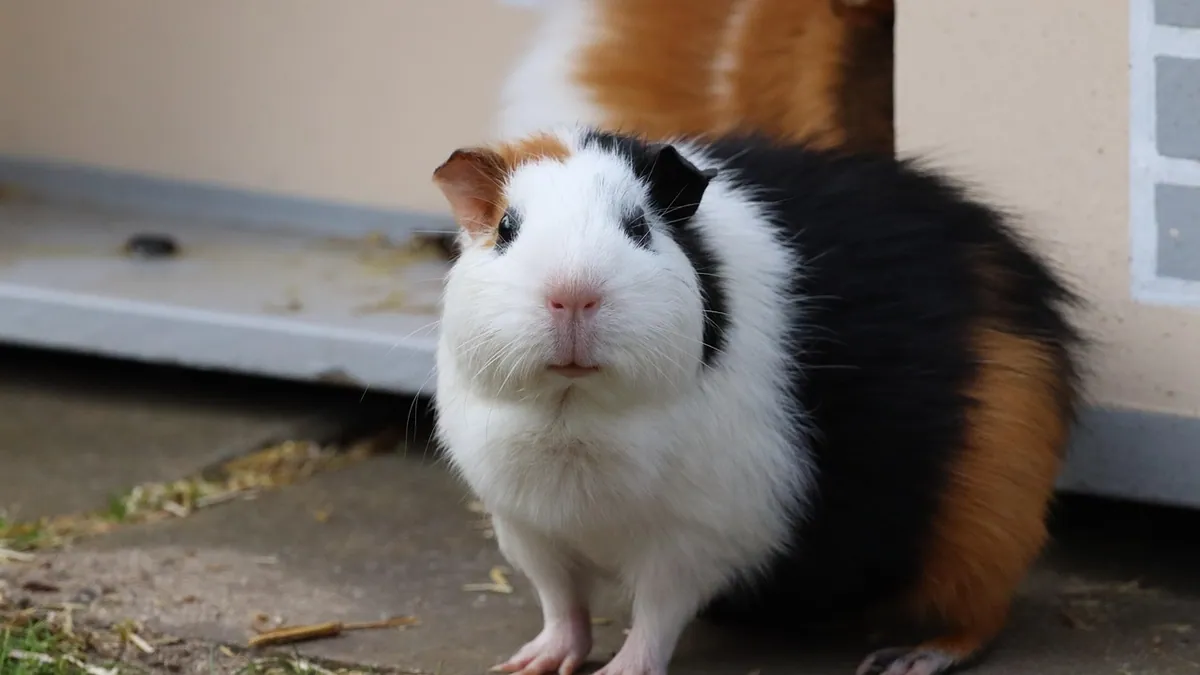
Guinea pigs are usually gentle, docile animals, so a bite often surprises owners. Most bites happen because the guinea pig feels scared, is in pain, or has learned that nipping gets a reaction. Understanding why does my guinea pig bite me starts with reading your pet's body language and checking for hidden health problems.
This article is educational and is not a substitute for veterinary diagnosis or treatment.
Quick Answer
- Most guinea pig bites are fear-based or pain-based, not mean-spirited. Guinea pigs generally show signs of stress before they nip or bite [1].
- A gentle bite during hand-feeding is often a nipping habit or a case of mistaken fingers for food.
- Sudden biting in a normally calm guinea pig can signal pain, illness, or skin problems, so a vet visit is reasonable.
- Guinea pigs are social and do best with compatible companions and a calm, enriched environment [2][3].
- Never punish a bite. Punishment increases fear and makes biting more likely.
Why Does My Guinea Pig Bite Me? Normal Reasons First
Before you assume something is wrong, know that some biting is normal guinea pig behavior. These small rodents are prey animals. Their first instinct when startled is to freeze or flee, and biting is a last resort.
Fear and Startle Responses
A guinea pig that has not been handled much may bite when picked up. The Merck Veterinary Manual notes that guinea pigs are generally docile and need minimal restraint, but they can nip or bite, and they usually show stress signs first [1]. Watch for a stiff body, wide eyes, rapid breathing, or attempts to hide before a bite happens.
Loud noises, sudden movements, and being approached in published veterinary research (like a predator) all trigger fear. A guinea pig grabbed while half asleep may bite before it even knows what is happening.
Pain and Discomfort
A guinea pig in pain may bite when you touch a sore spot. Dental disease, bladder stones, arthritis, and skin conditions are common painful problems in this species. The Merck manual advises avoiding excessive handling and picking up if the animal is stressed or in pain [1]. If your guinea pig only bites when you touch a certain area, pain is a strong suspect.
Nipping and Food-Motivated Bites
Many "bites" are actually nips. A guinea pig may nip your fingers if they smell like food, if you have been hand-feeding treats, or if your pet is impatient for its next piece of hay or veggie. This is a learned behavior. The animal learns that nipping makes the hand move or drop food.
Social and Hormonal Factors
Guinea pigs are social creatures, and compatible guinea pigs should be housed together unless there is a medical or scientific reason not to [3]. When guinea pigs live together, they establish hierarchies, and some nipping and chasing is normal during that process. In adult male guinea pigs, aggression can spike when females are present [3]. A guinea pig that is housed alone may also become more nippy with people because it has no outlet for normal social behavior.
Learned Behavior and Accidental Reinforcement
If a bite ever made you yelp, pull away, or put the guinea pig down, the animal learned something useful. Biting ended an unpleasant experience. That is a powerful lesson for a small prey animal. Over time, a guinea pig that once bit from fear can become a guinea pig that bites on purpose to be left alone.
If you want to compare this with other small pets, our guide on hamster biting hand covers similar fear-based patterns.
Medical Causes to Rule Out
Any sudden change in behavior deserves a health check. Guinea pigs hide illness well, and biting can be the first visible sign.
Dental Problems
Overgrown or misaligned molars cause constant pain. A guinea pig with dental pain may drop food, drool, lose weight, or bite when you touch its face or offer food.
Skin and Parasite Issues
Mites, lice, and fungal infections make guinea pigs itchy and sore. Handling causes pain, so the animal bites to stop it. Part the fur and look for scabs, dandruff, or bald patches.
Urinary and Reproductive Pain
Bladder stones and urinary infections are common and painful. A guinea pig may squeak while urinating or bite when you touch its belly. Reproductive problems in intact females can also cause discomfort.
Respiratory and Systemic Illness
Guinea pigs with breathing trouble feel awful and may resist handling. Our article on guinea pig respiratory infections explains the signs to watch for.
Pain From Injury or Arthritis
A fall, a fight with a cage mate, or age-related arthritis can all make touch painful. Older guinea pigs with stiff joints may bite when lifted.
If your guinea pig's biting started suddenly, or comes with any of these signs, see a veterinarian. Do not wait to see if it improves on its own.
When Does Biting Become a Problem?
Occasional nipping during a nail trim or a vet visit is not a behavior emergency. Biting becomes a problem when it is frequent, unpredictable, or causes wounds.
Warning signs that the behavior needs attention:
- Bites that break the skin or draw blood
- Biting during routine, gentle handling
- Biting that escalates over time
- Biting paired with hiding, not eating, or weight loss
- Biting that makes you afraid to handle your pet
A guinea pig that bites hard and often is telling you something. Your job is to figure out what.
How to Reduce Biting: Step-by-Step
Step 1: Rule Out Pain and Illness
Book a veterinary exam before you start any behavior plan. A vet can check the teeth, skin, bladder, and joints. If pain is the cause, treating it often stops the biting.
Step 2: Change How You Handle Your Guinea Pig
Support the guinea pig's weight in one hand and place the other hand over its back so it feels secure [1]. To examine the belly, place one hand under the rump and the other under the chest [1]. Move slowly. Talk softly. Approach from the side, not in published veterinary research.
Keep sessions short at first. Put the guinea pig down before it gets stressed, not after. This teaches your pet that handling is safe and predictable.
Step 3: Stop Rewarding Nips
If your guinea pig nips during hand-feeding, stop hand-feeding for a while. Place treats in a bowl instead. Do not pull your hand away quickly when nipped, because that can look like a game. Instead, hold still for a second, then end the interaction calmly.
Step 4: Improve the Environment
Guinea pigs need space, hiding spots, and constant access to hay. In a survey of over 1,000 guinea pig caretakers, eating and resting next to companions happened several times a day for most animals, while biting and bar chewing were rare [2]. That tells you a good setup supports calm behavior.
Add enrichment: tunnels, chew toys, paper bags, and safe hiding places. Rotate toys so the cage stays interesting.
Step 5: Provide Social Company
Guinea pigs are social and should live with compatible companions when possible [3]. If your guinea pig lives alone, talk to your vet about safe pairing. Adult male guinea pigs can form stable pairs when females are not present, though some aggression is normal in the first days after pairing [3].
Step 6: Use Positive, Low-Stress Training
Offer a small piece of veggie when your guinea pig stays calm during handling. Keep sessions under a few minutes. End on a calm note. Over weeks, most guinea pigs learn that hands mean good things.
For a deeper look at what your guinea pig is telling you, see guinea pig behavior: understanding sounds and actions and guinea pig squeaking noise.
What Not to Do
Do Not Punish or Flick Your Guinea Pig
Punishment does not teach a guinea pig to stop biting. It teaches fear. A scared guinea pig bites more, not less.
Do Not Ignore Pain
If biting started suddenly, do not assume it is a personality problem. Pain is common and treatable.
Do Not Grab or Chase
Chasing a guinea pig around the cage destroys trust. Scoop gently with both hands, or use a small box or tunnel to guide your pet out.
Do Not Rely on Myths
Myth: Guinea pigs bite because they are mean. Truth: biting is almost always fear, pain, or a learned habit.
Myth: A guinea pig that licks you is about to bite. Truth: licking is usually a gentle, friendly behavior. It often means your guinea pig is relaxed, curious, or tasting salt on your skin. A lick is not a warning sign of a bite.
Myth: You should hold a biting guinea pig more to break the habit. Truth: forced handling makes fear worse. Short, calm, positive sessions work better.
If you want to understand biting in another small pet, our article on why does my bird bite, and how to stop it covers similar principles.
When to Involve a Veterinarian or Behavior Professional
Call your veterinarian if:
- Biting started suddenly in a normally calm guinea pig
- Your guinea pig is not eating, is losing weight, or is drooling
- You see wounds, hair loss, or scabs on the skin
- Your guinea pig squeaks or strains when urinating
- Biting comes with breathing trouble or lethargy
- You have been bitten and the wound is deep or will not stop bleeding
If your vet finds no medical cause, ask for a referral to a veterinarian who treats behavior problems. A certified behavior professional can build a handling plan for your specific guinea pig.
Limitations and When to Contact a Veterinarian
This article covers common causes of biting, but every guinea pig is an individual. Only a veterinarian who examines your pet can diagnose pain, illness, or a behavior disorder.
Contact a veterinarian the same day if your guinea pig:
- Bites hard and repeatedly with no clear trigger
- Stops eating or drinking
- Shows labored breathing
- Has swelling, wounds, or a painful belly
Go to an emergency clinic now if your guinea pig:
- Collapses or cannot stand
- Has seizures
- Breathes with its mouth open
- Has a wound that bleeds heavily
Schedule a routine visit if biting is mild but new, or if you want help with handling and enrichment. Your vet can also check the teeth and skin at that visit.
Frequently Asked Questions
Why does my guinea pig gently bite me?
A gentle bite is usually a nip, not true aggression. It often happens when your fingers smell like food, when your guinea pig wants to be put down, or when it is still learning that hands are safe. Stop hand-feeding for a while and keep handling sessions short and calm.
Why does my guinea pig lick me?
Licking is usually a friendly, relaxed behavior. Your guinea pig may be tasting salt on your skin or simply exploring you. It is not a warning that a bite is coming, and it should not be punished.
My guinea pig bit me and drew blood. What should I do?
Wash the wound with soap and water right away, then cover it. Check your guinea pig for signs of pain or illness and call your vet if the biting was sudden. If the wound is deep, will not stop bleeding, or shows signs of infection, see a doctor for yourself.
Why is my guinea pig biting me only when I pick it up?
Picking up is the most stressful part of handling for many guinea pigs. Support the weight in one hand and cover the back with the other so your pet feels secure [1]. If biting only happens during pickup, ask your vet to check for joint or belly pain.
Can a guinea pig bite be a sign of illness?
Yes. Pain from dental disease, skin problems, bladder issues, or arthritis can make a guinea pig bite when handled. Any sudden change in behavior, especially with weight loss or poor appetite, deserves a veterinary exam.
Related Articles
- Guinea Pig Respiratory Infections: Causes, Signs, and Treatment
- Guinea Pig Squeaking Noise
- Guinea Pig Behavior: Understanding Sounds and Actions
- Guinea Pig Care: Overgrown Dental Spurs & Tooth Trimming Guide
- Do Guinea Pigs Bite? Why They Bite and What to Do
- Why Does My Guinea Pig Nibble My Finger?
- Why Is My Guinea Pig Chewing on Its Cage? Causes
References
- Restraint and Physical Examination of Guinea Pigs - Exotic and Laboratory Animals. Merck Veterinary Manual.
- Guinea Pig (Cavia porcellus) Welfare: Associations Between Husbandry Practices, Human-Animal Interactions, and Animal Behaviour. Animals : an open access journal from MDPI, 2025.
- Establishing New Isosexual Pairs in Adult Male Guinea Pigs (Cavia porcellus) to Facilitate Social Housing. Journal of the American Association for Laboratory Animal Science : JAALAS, 2024.