Do Hedgehogs Bite? Why It Happens and How to Stop It
By Dr. Zubair Khalid, DVM, MS, PhD ·
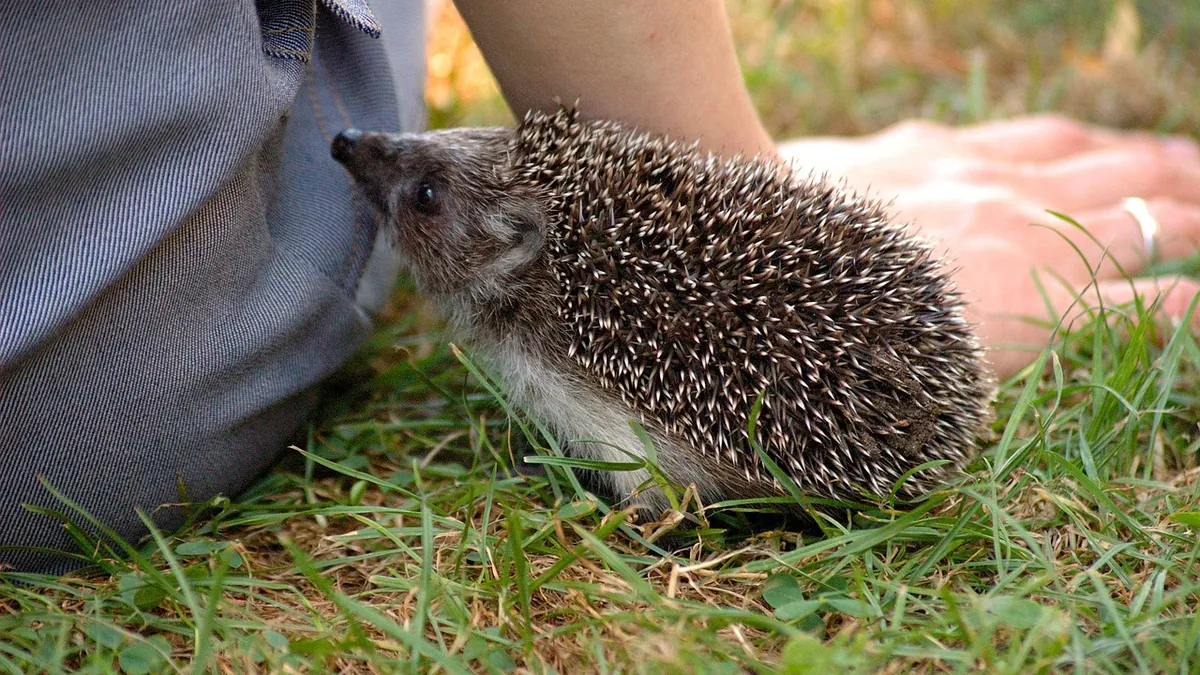
Do hedgehogs bite? Yes, they can, and most owners get nipped at least once. A bite usually happens because the hedgehog is scared, startled, or curious, not because it is mean. The good news is that most biting is manageable with calm, consistent handling.
This article is educational and is not a substitute for veterinary diagnosis or treatment.
Quick Answer
- A hedgehog bite feels like a sharp pinch. It can break skin, but serious injury is uncommon.
- Most bites happen during the first few weeks, when a hedgehog is still getting used to being picked up.
- Biting during handling often means fear, pain, or poor technique, not aggression.
- Never punish a hedgehog for biting. Punishment increases fear and makes biting worse.
- Sudden new biting in an adult hedgehog is a reason to see a veterinarian.
Why Does My Hedgehog Bite?
Hedgehogs are prey animals. In the wild, almost everything bigger than they are could eat them. That instinct does not disappear when they live in a cage in your home. When a hedgehog bites, it is usually communicating something, and fear is at the top of the list.
Fear and Startling
A hedgehog that wakes up to a hand reaching into its hide is going to react. Hedgehogs are nocturnal, so daytime handling interrupts sleep. A sudden grab in published veterinary research feels like a predator attack. The bite is a reflex, not a decision.
Curiosity and Taste Testing
Hedgehogs explore the world partly with their mouths. A finger that smells like food can get a test nibble. This is more common in young hedgehogs and in hedgehogs that have been hand fed treats. The first nip is often soft. If you jerk your hand away, the hedgehog may bite harder the next time out of confusion.
Stress and Overhandling
New hedgehogs need time. A hedgehog that is passed around, held for long stretches, or handled by many different people may bite as a way to end the interaction. Short, frequent sessions work better than long ones.
Scent and Anointing
Hedgehogs have a behavior called anointing. When they meet a new smell, they produce frothy saliva and spread it over their spines. A hedgehog in the middle of anointing may nip at the object or hand that carries the scent. This is normal hedgehog behavior, not aggression. If your hedgehog bites and then starts self-anointing, the bite was likely triggered by a smell, such as soap, lotion, or food.
Pain or Illness
A hedgehog in pain may bite when a sore area is touched. Dental problems, injuries, and skin issues can all lower a hedgehog's tolerance for handling. If biting starts suddenly in an adult hedgehog that was previously calm, think medical first.
Medical Causes to Rule Out
Before you assume your hedgehog is just grumpy, rule out health problems. Hedgehogs hide illness well, and biting can be the first visible sign.
Dental and Oral Problems
Overgrown teeth, broken teeth, and oral infections cause pain. A hedgehog with a sore mouth may bite when you offer food or touch its face.
Skin and Spine Issues
Mites, fleas, and other external parasites are common in hedgehogs, and they can carry microorganisms of public health concern [1]. An itchy, irritated hedgehog does not want to be touched. Skin infections and quill loss can also make handling painful. If you notice spine or skin changes, see our guide to hedgehog quilling.
Digestive and Systemic Illness
Hedgehogs can carry intestinal parasites with zoonotic potential, meaning they can pass to people and pets [2]. Outbreaks of serious enteritis, including Salmonella infections, have occurred in hedgehog groups, with signs such as appetite loss, weight loss, and diarrhea [3]. A sick hedgehog often stops tolerating handling.
Neurologic Disease
Wobbly Hedgehog Syndrome and other neurologic conditions can change behavior and coordination. If biting comes with wobbling, weakness, or balance problems, read about Wobbly Hedgehog Syndrome and call your veterinarian.
When Hedgehog Biting Becomes a Problem
An occasional nip from a new hedgehog is normal. Biting becomes a problem when:
- It happens every time you handle the hedgehog.
- It draws blood or happens without warning.
- It starts suddenly in an adult hedgehog with no history of biting.
- It comes with other signs, such as not eating, weight loss, diarrhea, or lethargy.
- It makes you afraid to handle your pet, which leads to less socialization and more biting.
Any of these patterns deserves a veterinary visit. Behavior and health are linked in hedgehogs, and treating one often fixes the other.
How to Stop Hedgehog Biting
You can reduce biting with better handling, a better environment, and patience. Progress is measured in weeks, not days.
Step 1: Let Your Hedgehog Settle In
Give a new hedgehog several days of quiet time in its enclosure before you start handling. Keep the room calm and dim during the day. Let the hedgehog learn your scent by placing a worn, unwashed shirt near the cage (outside the enclosure, where it cannot chew it).
Step 2: Handle at the Right Time
Handle in the evening or at night, when hedgehogs are naturally active. Wake the hedgehog gently by talking softly before you touch it. Slide your hand under its belly from the side, never in published veterinary research. Support the whole body with both hands. If the hedgehog balls up, wait. Forcing it open teaches it that hands mean bad things.
Step 3: Keep Sessions Short
Start with five minutes a day. Increase slowly as your hedgehog stays relaxed. If it balls up, hisses, or pops, put it back. Ending on a calm note teaches the hedgehog that handling is safe.
Step 4: Wash Your Hands First
Food smells on your hands trigger nibbles. Wash with unscented soap and dry your hands before handling. Avoid lotions and perfumes, which can also trigger anointing and nipping.
Step 5: Use a Towel or Gloves Early On
A soft towel lets you scoop up a nervous hedgehog without getting pricked. Clean, unscented gloves can protect your hands while you build trust. Do not rely on gloves forever. The goal is calm bare-hand handling.
Step 6: Do Not Pull Away From a Nip
Pulling away can make a hedgehog clamp down harder or roll into a ball. If you feel teeth, stay still and let the hedgehog release. Then put it down calmly. This avoids teaching the hedgehog that biting makes the scary hand go away fast, which rewards the behavior.
Step 7: Add Enrichment
A bored or stressed hedgehog is harder to handle. Provide a wheel, tunnels, and safe items to explore. Foraging toys that make the hedgehog work for food mimic natural foraging, a behavior seen in hedgehogs kept in suitable captive habitats [4]. A busy hedgehog is a calmer hedgehog.
Step 8: Keep the Environment Consistent
Hedgehogs do poorly with constant change. Keep temperature stable, keep the cage in a quiet spot, and avoid moving the enclosure often. Wild hedgehogs are sensitive to habitat and the presence of predators, and they adjust their use of space in response [5]. Your pet carries the same instincts indoors.
Step 9: Track the Pattern
Write down when bites happen. Note the time of day, what you were doing, and what the hedgehog did right before. Patterns reveal triggers, such as handling during the day, food smells, or touching a sore spot. Bring this log to your veterinarian if biting continues.
What Not to Do
Some common responses make biting worse.
- Do not flick, tap, or yell at your hedgehog. Punishment increases fear, and a scared hedgehog bites more.
- Do not drop your hedgehog after a bite. A fall can cause serious injury.
- Do not grab a balled-up hedgehog and force it open. This breaks trust and can hurt the hedgehog.
- Do not assume biting is a personality flaw. It is a behavior with a cause.
- Do not skip handling entirely. A hedgehog that is never handled becomes more fearful over time.
- Do not use gloves as a permanent solution. Gloves protect you, but they do not teach the hedgehog that hands are safe.
When to Get Professional Help
Call your veterinarian if biting starts suddenly, comes with other symptoms, or breaks the skin repeatedly. A veterinarian can check for dental disease, parasites, and other medical causes. If your hedgehog is medically healthy and biting continues, ask for a referral to a veterinarian with behavior experience or a certified behavior professional who works with small mammals.
Biting is not limited to hedgehogs. Birds bite for many of the same fear-based reasons, and the handling principles overlap. If you also keep birds, see Why Does My Bird Bite, and How to Stop It and Conure Biting Behavior.
Limitations and When to Contact a Veterinarian
This article covers general behavior. Every hedgehog is an individual, and individual cases need a veterinarian who can examine your pet.
Contact a veterinarian the same day if your hedgehog:
- Bites and then shows swelling, redness, or discharge around the mouth.
- Stops eating or drinking.
- Has diarrhea, especially bloody diarrhea.
- Loses weight or feels thin.
- Has visible wounds, quill loss, or skin crusting.
Go to an emergency clinic now if your hedgehog:
- Has trouble breathing.
- Collapses, seizures, or cannot stand.
- Has been dropped or fell and is now limp or unresponsive.
- Has heavy bleeding from a bite wound or anywhere else.
Schedule a routine visit if:
- Biting is new in an adult hedgehog.
- Biting happens every time you handle your pet.
- You see wobbling, weakness, or balance problems.
- You are unsure whether the behavior is normal.
Hedgehogs can carry parasites and bacteria that affect people, including Salmonella, so wash your hands after every handling session and keep the cage clean [2][3]. Anyone who is pregnant, very young, elderly, or immunocompromised should take extra care and ask a veterinarian about risks.
Frequently Asked Questions
Do hedgehogs bite humans often?
Biting is common in new hedgehogs and usually drops off with regular, gentle handling. Most bites are nips instead of deep wounds. A hedgehog that bites every single time needs a veterinary check.
Does a hedgehog bite hurt?
A hedgehog bite feels like a sharp pinch and can break the skin. The pain is brief for most people. Clean any bite wound right away with soap and water, and see a doctor if it swells, reddens, or hurts more over time.
Why does my hedgehog bite when I pick it up?
Picking up in published veterinary research mimics a predator, and hedgehogs react with fear. Scoop from the side and support the belly. If biting continues, have a veterinarian check for pain or dental problems.
Can I train a hedgehog not to bite?
Yes, with patience. Short evening sessions, calm handling, and no punishment teach the hedgehog that hands are safe. Reward calm behavior with a favorite treat. Expect progress over weeks, not days.
Is biting a sign my hedgehog is sick?
Sometimes. Sudden biting in a calm adult hedgehog can mean pain, dental disease, or another illness. If biting comes with appetite loss, weight loss, or diarrhea, call your veterinarian promptly.
Related Articles
- Hedgehog Quilling: What Owners Need to Know
- Hedgehog Wobbly Hedgehog Syndrome
- Pet Hedgehog Care: Housing, Diet, and Health Management
- Why Is My Hedgehog Biting Me? Understanding Aggression
- Why Is My Hedgehog Bleeding? Causes and What to Do
- Why Is My Hedgehog Making Noise? Squeaks and Clicks
References
- Microorganisms associated with hedgehog arthropods. Parasites & vectors, 2023.
- Endoparasites of European hedgehogs (Erinaceus europaeus) in Germany and their zoonotic potential: proposed Capillaria ovoreticulata genetically identified as Capillaria putorii. Parasites & vectors, 2025.
- Outbreak of an infectious enteritis in western European hedgehogs (Erinaceus europaeus) in a rescue centre. Veterinary research communications, 2026.
- The Ethics and Welfare Implications of Keeping Western European Hedgehogs (erinaceus Europaeus) in Captivity. Journal of applied animal welfare science : JAAWS, 2020.
- Does Differential Habitat Selection Facilitate Coexistence Between Badgers and Hedgehogs?. Ecology and evolution, 2025.