Why Is My Small Pet Running Around Like Crazy?
By Dr. Zubair Khalid, DVM, MS, PhD ·
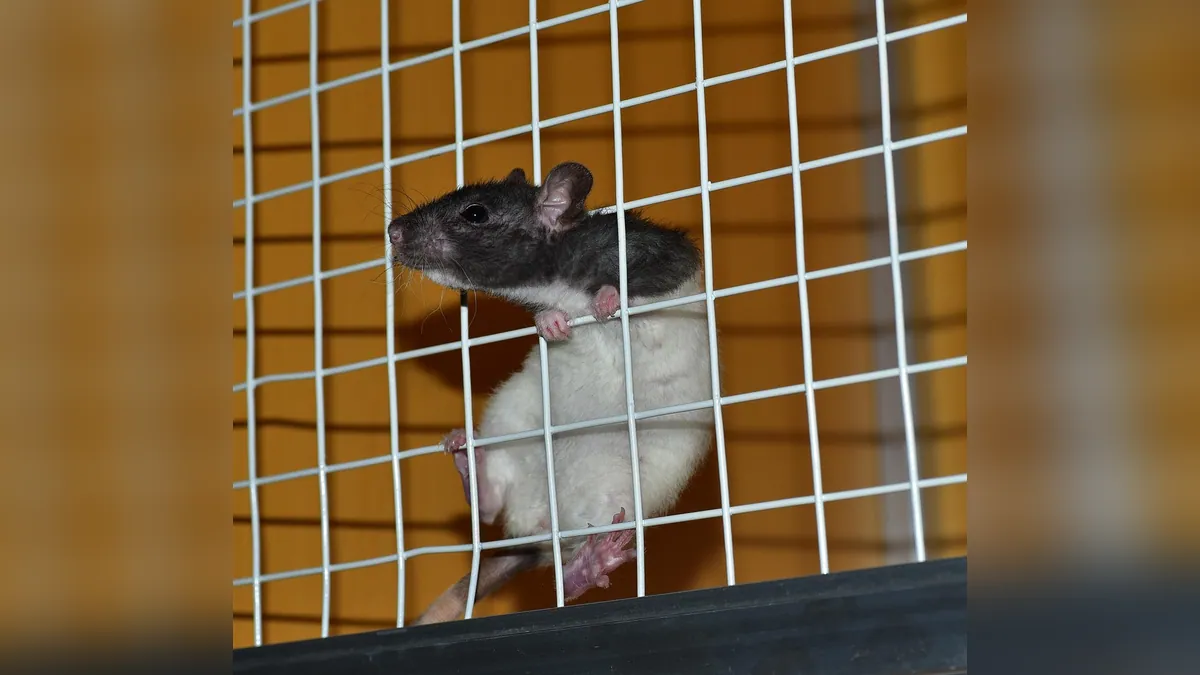
Why is my rat running around like crazy? Most of the time, this is normal "zoomies," a burst of energy your rat uses to burn off steam, explore, and seek stimulation. Rats are active, social animals, and short sprints, wall-running, and sudden dashes are often a sign of a healthy, bored, or excited pet. This article is educational and is not a substitute for veterinary diagnosis or treatment.
Quick Answer
- Sudden bursts of running, hopping, and climbing are usually normal play and exploration, especially in young rats or after a long nap.
- Rats need daily out-of-cage time, toys, tunnels, and things to chew, dig, and climb. A plain cage with nothing to do is a common trigger for restless behavior.
- Restlessness that comes with hiding, not eating, hunched posture, or biting is more likely to signal stress or pain than play.
- Loud ultrasonic noise, cramped housing, and sudden changes can raise stress and change how active your rat acts.
- Any rat that stops eating, breathes hard, or seems painful needs to see a veterinarian, not just more toys.
Why Is My Rat Running Around Like Crazy? Normal Reasons First
Rats are crepuscular, which means they are most active around dawn and dusk. A rat that suddenly launches into laps around the cage at these times is often just following its natural rhythm. Young rats and rats that have been resting for hours tend to have the biggest bursts.
Zoomies and play
Zoomies are short, intense periods of running, jumping, and climbing. They often look chaotic but are a normal part of play and exercise. A rat doing zoomies usually has relaxed body posture, ears up, and will pause to sniff, groom, or come to you. If your rat runs a few laps and then settles into eating or exploring, that is a good sign.
Boredom and the need to explore
Rats are intelligent and need mental work. When a cage has little to do, that energy has to go somewhere. Research on rodents shows that housing that limits natural behaviors changes how animals behave and can affect their welfare [1]. Giving your rat more to do is often the fastest way to calm the chaos.
Social and hormonal triggers
Rats are social, and a lone rat or one kept with incompatible cagemates may pace, climb, and run more. Females in heat may also show short bursts of running, hopping, and ear wiggling. These are normal and usually pass within a day or two.
Excitement and anticipation
Your rat may run around like crazy when it hears the food bag, sees you come home, or knows playtime is starting. This is excitement, not distress. The running usually stops once the reward arrives.
When Restlessness Points to Stress or Pain
Not every burst of activity is happy energy. Some rats run, pace, or circle because something is wrong. The difference is usually in the details: a stressed or painful rat often pairs the movement with other signs.
Signs of stress
Watch for:
- Hiding more than usual or freezing when you approach
- Pacing along one wall or circling without pausing to explore
- Puffed fur, tense posture, or a tucked tail
- Squinting, grinding teeth, or backing away from touch
- Not eating, not drinking, or not grooming
Rats communicate and hear in ranges humans cannot. Ultrasonic noise (sound above 20 kHz) is common in homes and can act as a stressor. In one study, rats exposed to ultrasound spent more time in the center of an open field and less time in the open arms of an elevated plus maze, changes consistent with stress responses [2]. If your rat's restlessness started after a new appliance, a high-pitched device, or a move, noise may be part of the problem.
Signs of pain
Pain in rats often shows up as restlessness instead of crying or limping. Look for:
- Hunched back, squinted eyes, or a rough coat
- Reluctance to move, then sudden bursts when handled
- Chewing at one spot, or licking a limb or belly
- Changes in breathing, appetite, or droppings
- Aggression that is new, especially when you touch a certain area
If your rat has become aggressive along with the restlessness, our guide on dealing with aggressive pet rat behavior covers causes and safe handling steps.
Housing and environment
Cage setup matters more than many owners realize. In a study of Sprague Dawley rats, animals housed in taller cages with an upper shelf produced fewer 50 kHz calls and had higher fecal corticosterone metabolites than rats in standard cages, showing that housing design changes both behavior and stress physiology [1]. A cage that is too small, too bare, or too crowded can drive restless behavior.
Bedding depth also matters. In mice, deep bedding increased digging and burrowing, natural behaviors that give rodents an outlet [3]. Rats have similar urges to dig, burrow, and rearrange their space. A thin layer of bedding removes that outlet.
When Does Running Around Become a Problem?
Normal zoomies are short and end with your rat settling down. Behavior becomes a problem when it is constant, when it interferes with eating and sleeping, or when it comes with signs of distress.
Ask yourself:
- Is the running nonstop for hours, or does it come in short bursts?
- Does my rat still eat, drink, groom, and sleep normally?
- Is the behavior new, or has my rat always been busy?
- Did anything change recently (new cage, new pet, new noise, new food)?
- Is my rat hurting itself by climbing, chewing bars, or falling?
Bar chewing, cage climbing that never stops, and self-barbering (chewing its own fur) are signs that the current setup is not meeting your rat's needs. These are welfare problems, not personality quirks.
What to Do: Step by Step
1. Rule out medical causes
Before you change the cage, have a veterinarian examine your rat if the behavior is new, intense, or paired with any sign of illness. Rats hide illness well, and a sudden change in activity is often the first clue. A vet can check for pain, dental problems, respiratory disease, and skin issues.
2. Increase daily out-of-cage time
Aim for at least an hour of supervised time outside the cage each day, split into two sessions if you can. Use a safe, rat-proofed area with no wires, gaps, or other pets. Let your rat run, climb, and explore at its own pace.
3. Add enrichment that matches rat instincts
Rats need to dig, chew, climb, and problem-solve. Try:
- A deep layer of bedding or shredded paper for digging and burrowing [3]
- Tunnels, cardboard tubes, and hide boxes at different heights
- Chew items like untreated wood blocks and safe cardboard
- Foraging toys or scattered food so your rat has to work for it
- A solid-surface wheel sized for a rat's body (avoid wire rungs)
- Climbing ropes, ladders, and shelves to use vertical space [1]
Rotate toys every few days so the cage stays interesting.
4. Check the social setup
Rats do best in pairs or small groups. If your rat lives alone, talk to your veterinarian about safe introductions. If you have a group, watch for bullying, chasing, or one rat hogging food and hiding spots. A bullied rat may pace or run to escape.
5. Reduce stress triggers
Move the cage away from loud appliances, TVs, and high-pitched electronics. Keep the room at a stable temperature and out of direct sun. Give your rat a predictable routine for feeding, cleaning, and play. Sudden changes in routine can trigger restlessness.
6. Keep a simple log
Write down when the running happens, how long it lasts, what your rat ate, and whether anything changed that day. This record helps you spot patterns and gives your veterinarian useful information.
What Not to Do
- Do not punish your rat for running, climbing, or chewing. Punishment does not teach a rat what to do instead, and it can make stress and fear worse.
- Do not grab or chase a rat that is already stressed. That can turn normal restlessness into fear or defensive biting.
- Do not assume a busy rat is fine. Constant pacing, bar chewing, and self-barbering are welfare problems, not signs of a happy pet.
- Do not rely on a wheel alone. A wheel is one outlet, but rats also need digging, chewing, climbing, and social time.
- Do not ignore pain signs because your rat is still eating. Rats often keep eating while in pain.
- Do not use scented bedding, strong cleaners, or aerosols near the cage. These can irritate a rat's sensitive respiratory tract.
When to Involve a Veterinarian or Behavior Professional
Call a veterinarian if the restlessness is new, getting worse, or paired with any change in eating, drinking, breathing, droppings, or grooming. A rat that is hunched, squinting, or reluctant to move needs a same-day exam.
If your veterinarian finds no medical cause, ask for a referral to a veterinarian who focuses on behavior or a certified behavior professional who works with small mammals. They can help you build a plan for enrichment, handling, and social needs.
For owners of other small pets, the same principles apply. A hamster running around like crazy, a guinea pig running around like crazy, or a rabbit running around like crazy often reflects the same mix of normal energy, boredom, and stress. The species differ, but the questions to ask are similar.
Limitations and When to Contact a Veterinarian
This article cannot tell you what is happening with your individual rat. Only a veterinarian who examines your pet can do that. Use the guidance below to decide how quickly to seek care.
Contact a veterinarian the same day if your rat:
- Stops eating or drinking
- Breathes with effort, wheezes, or makes clicking sounds
- Has diarrhea, no droppings, or a swollen belly
- Is hunched, squinting, or grinding its teeth
- Has new aggression when handled
- Has a wound, lump, or bleeding
Go to an emergency clinic now if your rat:
- Is limp, cold, or unresponsive
- Is gasping or breathing with an open mouth
- Has a seizure or sudden paralysis
- Has heavy bleeding or a large open wound
- Collapses after a fall
Schedule a routine visit if your rat:
- Has been restless for more than a few days
- Is losing weight or has a rough coat
- Chews its own fur or the cage bars constantly
- Has changes in sleep or activity that concern you
Your veterinarian will calculate any medication dose from your rat's weight and health. Never give human medications or guess a dose on your own.
Frequently Asked Questions
Is it normal for my rat to run around like crazy at night?
Yes, this is normal for a crepuscular animal. Rats are most active around dawn and dusk, and many owners notice the biggest bursts in the evening. If your rat runs in short bursts and then eats, grooms, and sleeps normally, it is likely just energy and play.
Can stress make my rat run around nonstop?
Yes. Stress from noise, crowding, a new environment, or a bully cagemate can cause pacing and constant movement. Ultrasonic noise is a common hidden stressor because humans cannot hear it [2]. If the behavior started after a change at home, address the trigger and watch for improvement.
Does my rat need a companion to stop this behavior?
Rats are social and usually do better with at least one compatible cagemate. A lone rat may pace, climb, and run more out of boredom and loneliness. Talk to your veterinarian about safe introductions, since not every pair bonds easily.
How much out-of-cage time does my rat need each day?
Most pet rats do well with at least an hour of supervised time outside the cage daily, split into shorter sessions. The exact amount depends on your rat's age, health, and energy level. Watch your rat during play and let it set the pace.
Could a health problem cause sudden restlessness?
Yes. Pain, dental disease, respiratory illness, and skin problems can all show up as restlessness or changes in activity. A rat that is hunched, squinting, or not eating needs a veterinary exam. Do not wait to see if it passes if other signs are present.
Related Articles
- Dealing with Aggressive Pet Rat Behavior: Causes and Solutions
- Why Is My Rat Chirping? Small Pet Sounds Explained
- Why Is My Dog Scooting?
- Why Is My Dog Suddenly Scared of the Car?
- Why Is My Dog Suddenly Scared of the Leash?
- Why Is My Dog Having Behavior Problems
- Why Is My Dog Suddenly Aggressive Towards Other Dogs?
References
- Shelved cages impact affective behavior in Sprague Dawley rats - implications for animal welfare. Laboratory animals, 2026.
- Presence of ultrasonic noise in the housing colony affects behavior and physiology of adult Sprague Dawley rats. Physiology & behavior, 2026.
- Impact of Bedding Volume on Cage Microclimate and Behavior in 129SV and Desmin-Knockout (Des-/-) Mice. Animals : an open access journal from MDPI, 2026.