Why Is My Guinea Pig Jumping and Running Around?
By Dr. Zubair Khalid, DVM, MS, PhD ·
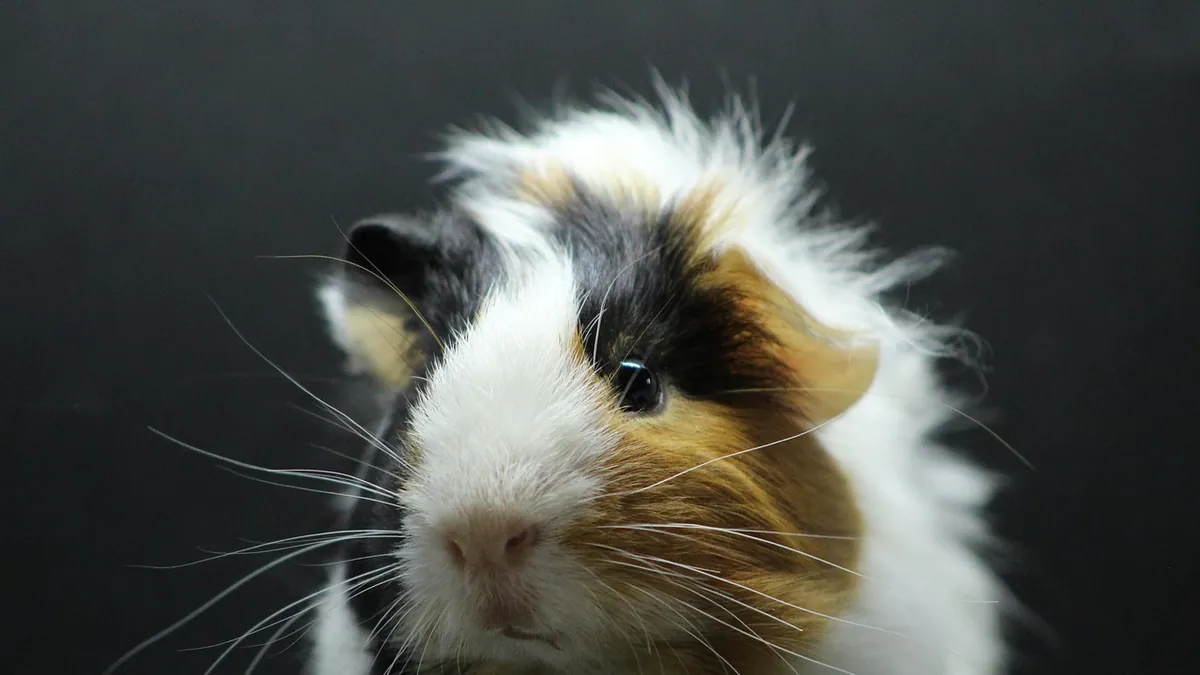
Why does my guinea pig jump around? Most of the time, a guinea pig that leaps straight up, kicks its hind legs, and races in circles is simply happy and excited. This burst of motion is called popcorning, and it is one of the clearest signs of a relaxed, playful guinea pig. This article is educational and is not a substitute for veterinary diagnosis or treatment.
Quick Answer
- Popcorning (jumping straight up, often with a head flick or leg kick) and zoomies (fast running in laps) are normal signs of excitement, play, or a happy guinea pig.
- Guinea pigs are social, active rodents, and locomotor play like this is a normal part of their daily behavior [1].
- Rolling, flipping, or twisting that looks uncontrolled is different from popcorning and can point to pain, skin parasites, or a neurological problem.
- Sudden frantic running, especially with head tilting, circling, or loss of balance, needs a veterinary visit.
- Never punish a guinea pig for jumping or running. Instead, check its housing, companions, and enrichment to support the behavior.
Why Does My Guinea Pig Jump Around? Normal Reasons First
Popcorning Is a Sign of Joy
Popcorning is the classic answer to "why is my guinea pig jumping around." Your guinea pig launches into the air, sometimes twisting slightly, then lands and keeps going. Young guinea pigs popcorn often, but adults do it too, especially when they are excited about food, a clean cage, or time out of the enclosure.
This behavior is a form of locomotor play. In a survey of more than 1,000 guinea pig caretakers, locomotor play occurred several times per day in about 20% of the animals studied [1]. So if your guinea pig pops and runs a few times a day, that fits a normal pattern.
Zoomies and Running in Circles
Zoomies are bursts of fast running, often in laps around the cage or room. Guinea pigs have stocky bodies with short limbs, so when they run, it looks like a small furry rocket [2]. Running in circles or racing back and forth is usually excitement or a way to burn off energy.
Some running is also social. Guinea pigs are herd animals, and chasing games between companions are common. If your guinea pig runs up and down the cage bars, that is different. In the same survey, running up and down the bars several times per day was rare, reported in only about 3% of animals [1]. That kind of repetitive bar running often means the guinea pig wants out, wants attention, or is stressed by its housing.
Rolling Around
Rolling can be normal in a few situations. A guinea pig may roll or flop onto its side during a stretch, a dust bath (if you offer one), or a relaxed rest. Some guinea pigs roll when they are itchy and grooming normally.
Rolling becomes a concern when it is repeated, violent, or paired with other signs. If your guinea pig rolls onto its side, paddles its legs, or seems unable to right itself, treat that as a medical problem, not a happy behavior.
Why Guinea Pigs Get Excited in the First Place
Guinea pigs get excited for predictable reasons. Food is a big one. The sound of a bag opening or a refrigerator door can trigger a popcorn session. A clean cage, fresh hay, a new tunnel, or reunion with a companion can do the same.
Guinea pigs are also crepuscular, meaning they are most active at dawn and dusk. Expect more running and jumping at those times. If you want to understand the sounds that come with these bursts, see Guinea Pig Behavior: Understanding Sounds and Actions and Guinea Pig Squeaking Noise.
Medical Causes to Rule Out
Mites and Other Skin Parasites
Intense itching can make a guinea pig jump, twitch, or roll. Mites are a common cause of this kind of sudden, jerky movement. A guinea pig with mites often has hair loss, scabs, or crusty skin, especially along the back and rump. It may also bite or scratch itself.
If your guinea pig jumps and then frantically scratches or chews at its skin, parasites are a real possibility. Your veterinarian can confirm this with a skin test and prescribe treatment. Do not use over-the-counter flea or mite products made for dogs or cats, because some are toxic to guinea pigs.
Pain and Discomfort
A guinea pig in pain may move in ways that look like jumping or rolling. Bladder stones, urinary tract infections, and gastrointestinal problems can cause sudden shifts in posture. A guinea pig with a painful belly may hunch, grind its teeth, or roll and stretch.
Dental pain is another cause. Guinea pigs have continuously growing teeth, and overgrown or sharp molars can make eating painful. A guinea pig that drops food, drools, or loses weight along with odd movements needs a dental exam.
Neurological Problems
Head tilt, circling in one direction, loss of balance, and rolling that will not stop can point to a neurological issue. Inner ear infections are a common cause in guinea pigs. These signs are not popcorning. They are urgent.
If your guinea pig rolls repeatedly, cannot stand, or has a head tilt, contact a veterinarian the same day. Early treatment for ear infections and other neurological problems gives the best chance of recovery.
Seizures
Seizures in guinea pigs can look like sudden falling, paddling, or rolling. Some seizures are brief and the guinea pig recovers quickly. Others last longer and are dangerous. Any suspected seizure needs veterinary evaluation.
Reproductive and Hormonal Behavior
Intact guinea pigs may show mounting, chasing, and rumbling during courtship. A female in heat may run from a male or bat him away. This is normal reproductive behavior, but it can look frantic. If you are not breeding your guinea pigs, talk to your veterinarian about whether separation or neutering is appropriate.
When Jumping and Running Becomes a Problem
Normal vs. Abnormal at a Glance
Normal popcorning and zoomies have a few features. They are brief, they happen in a relaxed guinea pig, and your guinea pig returns to eating, resting, and normal activity afterward. The movements look coordinated and controlled.
Abnormal movement has different features. It is repetitive and hard to stop. Your guinea pig may seem distressed, vocalize in pain, or fail to return to normal behavior. It may come with head tilt, weight loss, poor appetite, or skin wounds.
Signs That Point to a Problem
Watch for these red flags:
- Rolling that does not stop or that happens over and over
- Head tilt, circling, or falling to one side
- Loss of balance or inability to stand
- Hair loss, scabs, or intense scratching
- Weight loss, drooling, or dropping food
- Hiding, hunched posture, or grinding teeth
- Changes in appetite, droppings, or activity level
Any of these signs means the behavior is not simple excitement.
Housing and Social Stress
Sometimes running and jumping is a stress response. Guinea pigs housed alone, in cages that are too small, or without hay access can show abnormal behavior. In one survey, individual housing was seen in about 8% of guinea pigs, and no constant hay access was reported in under 1% [1]. Both are welfare concerns.
Obesity is another factor. About 23% of guinea pigs in one clinic survey were overweight [3]. An overweight guinea pig may move less overall and then show sudden bursts when it does move. Keeping your guinea pig at a healthy weight supports normal activity.
What to Do Step by Step
Step 1: Observe Before You Act
Watch your guinea pig for a few minutes. Note when the behavior happens, what triggers it, and what your guinea pig does afterward. A guinea pig that popcorns at feeding time and then eats normally is fine. A guinea pig that rolls and cannot right itself is not.
Step 2: Check the Basics
Make sure your guinea pig has constant access to hay, fresh water, and a hiding spot. Check the cage size and the number of companions. Guinea pigs do best in pairs or small groups with enough space to run.
Step 3: Add Enrichment
Enrichment gives your guinea pig healthy outlets for energy. Try tunnels, cardboard boxes, safe chew toys, and foraging opportunities. Rotate toys so the environment stays interesting. Floor time in a safe, guinea pig proofed area lets your guinea pig run and popcorn freely.
Step 4: Support Social Needs
If your guinea pig lives alone, consider a compatible companion. Guinea pigs are social, and eating and resting next to a companion is common in well-kept animals [1]. Introduce new guinea pigs carefully, with a neutral space and supervision.
Step 5: Keep a Weight and Health Log
Weigh your guinea pig weekly. A kitchen scale works well. Track appetite, droppings, and activity. This log helps you spot problems early and gives your veterinarian useful information.
Step 6: Handle Gently
Pick your guinea pig up with both hands, supporting the hindquarters. A guinea pig that feels insecure may struggle or jump. Calm, gentle handling reduces stress and injury risk.
What Not to Do
Do Not Punish the Behavior
Never yell at, hit, or startle a guinea pig for jumping or running. Punishment does not teach guinea pigs anything useful. It increases fear and can make behavior problems worse.
Do Not Assume It Is Always Happiness
Popcorning is usually good news, but not every jump is joy. If the movement looks forced, repetitive, or painful, get it checked. Assuming all jumping is normal can delay treatment for mites, pain, or ear disease.
Do Not Use Dog or Cat Products
Never apply flea or tick medication made for dogs or cats to a guinea pig. Some of these products are toxic to small mammals. Ask your veterinarian before using any skin product.
Do Not Ignore Weight Loss
Weight loss in a guinea pig is always a concern. It can signal dental disease, pain, or other illness. Do not wait to see if it improves on its own.
Do Not Skip the Vet Because the Guinea Pig "Seems Fine"
Guinea pigs hide illness well. A guinea pig that still popcorns can still be sick. If you notice any red flag, call your veterinarian.
When to Involve a Veterinarian or Behavior Professional
Same-Day Contact
Call your veterinarian the same day if your guinea pig:
- Rolls repeatedly or cannot right itself
- Has a head tilt or circles in one direction
- Stops eating or drinking
- Has diarrhea or no droppings
- Shows sudden weakness or collapse
Emergency Now
Seek emergency care immediately if your guinea pig:
- Has a seizure that lasts more than a minute or repeats
- Is struggling to breathe
- Has a bloated, hard abdomen
- Is unresponsive or limp
- Has heavy bleeding or a serious injury
Routine Visit
Schedule a routine visit if your guinea pig:
- Has new hair loss, scabs, or itching
- Is losing weight
- Has changes in appetite or droppings
- Shows new repetitive movements
- Has not had a wellness exam in the past year
A veterinarian who treats exotic pets is the best choice for guinea pigs. If behavior problems continue after medical causes are ruled out, ask for a referral to a veterinarian with behavior training. For more on guinea pig health and care, see Guinea Pig Care: Pyramiding & Shell Health Management.
Limitations and When to Contact a Veterinarian
This article covers common reasons guinea pigs jump, run, and roll, but it cannot diagnose your individual pet. Every guinea pig is different, and only a veterinarian who examines your guinea pig can determine the cause of its behavior.
Contact your veterinarian the same day if you see rolling that will not stop, head tilt, circling, loss of balance, or a guinea pig that cannot stand. Go to an emergency clinic now if your guinea pig has a prolonged seizure, trouble breathing, a hard bloated belly, or is limp and unresponsive. Schedule a routine visit for hair loss, itching, weight loss, appetite changes, or new repetitive movements. When in doubt, call. It is always better to have your guinea pig checked than to wait.
Frequently Asked Questions
Is it normal for guinea pigs to jump around?
Yes, jumping around is normal for guinea pigs, especially when they are excited or playful. This behavior is called popcorning, and it is a healthy sign of a happy guinea pig. It is most common in young guinea pigs but can happen at any age.
Why is my guinea pig running around in circles?
Running in circles is usually a burst of energy or play, often called zoomies. It can also be a social behavior when guinea pigs chase each other. If the circling is one-directional, repeated, or paired with a head tilt, it may be a sign of an inner ear or neurological problem and needs a veterinary exam.
Why is my guinea pig rolling around?
Rolling can be normal if it is brief and part of grooming or stretching. Rolling becomes a concern when it is repeated, violent, or your guinea pig cannot right itself. That pattern can point to mites, pain, seizures, or a neurological issue, so contact your veterinarian.
Do guinea pigs popcorn when they are in pain?
Popcorning itself is not a pain behavior, but pain can cause movements that look similar. A guinea pig in pain may twitch, roll, hunch, or move suddenly. If the movement seems forced or comes with poor appetite, weight loss, or hiding, see your veterinarian.
How can I tell if my guinea pig is happy or sick?
A happy guinea pig eats well, has normal droppings, moves around, and interacts with companions. A sick guinea pig may hide, stop eating, lose weight, or show odd movements. Weigh your guinea pig weekly and track its habits so you can spot changes early.
Related Articles
- Guinea Pig Squeaking Noise
- Guinea Pig Behavior: Understanding Sounds and Actions
- Guinea Pig Care: Pyramiding & Shell Health Management
- Guinea Pig Cage Accessories: Liners, Toys, and Hideouts
- Why Is My Guinea Pig Dragging Its Back Legs?
- Guinea Pig Not Moving but Breathing: What to Do
References
- Guinea Pig (Cavia porcellus) Welfare: Associations Between Husbandry Practices, Human-Animal Interactions, and Animal Behaviour. Animals : an open access journal from MDPI, 2025.
- Anatomy, Physiology, and Behavior of Guinea Pigs - Exotic and Laboratory Animals. Merck Veterinary Manual.
- Prevalence and awareness of obesity and related husbandry practices in Estonian rabbits, guinea pigs, and rats. Animal welfare (South Mimms, England), 2025.