Why Does My Rabbit Wag or Wiggle Its Tail?
By Dr. Zubair Khalid, DVM, MS, PhD ·
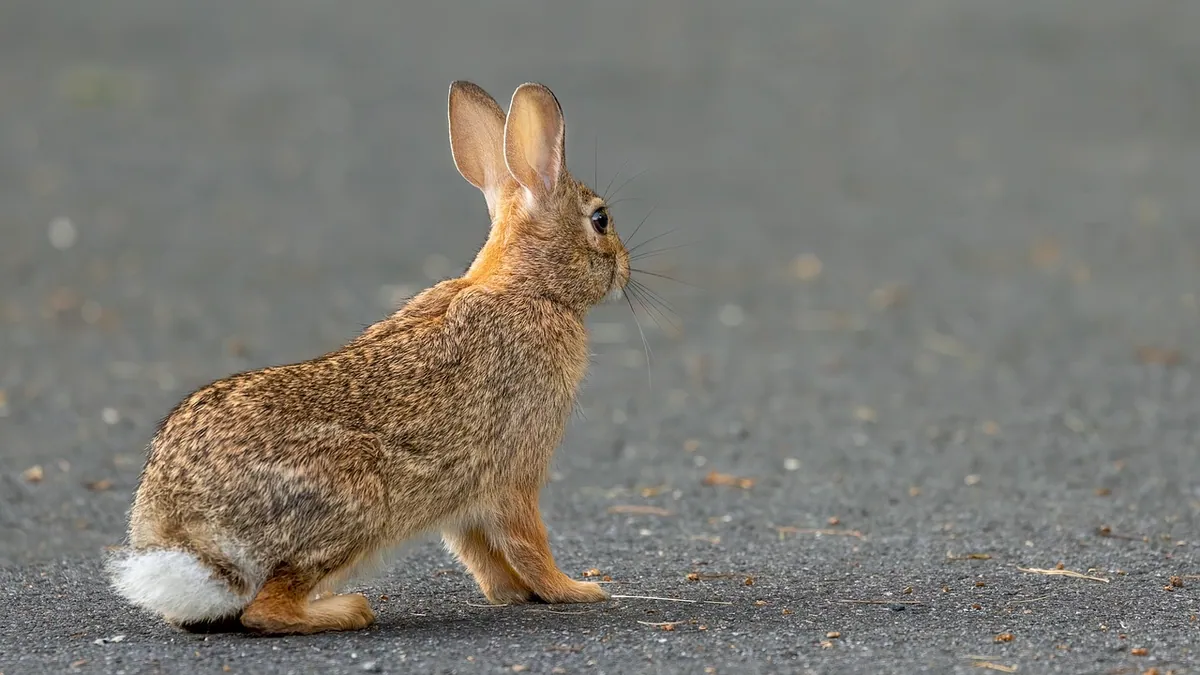
Rabbits do not wag their tails the way dogs do. A rabbit's tail is short, held close to the body, and used mainly for balance and as a small visual signal. When a rabbit does wag or wiggle its tail, it usually means the rabbit is excited, alert, annoyed, or preparing to move fast, and it is rarely a sign of simple happiness the way a dog's wag is.
This article is educational and is not a substitute for veterinary diagnosis or treatment.
Quick Answer
- A quick tail flick or wiggle most often means excitement, curiosity, or a warning that your rabbit wants to be left alone.
- A tail raised and held high usually signals alertness or confidence, while a tucked tail signals fear or submission.
- A single sharp flick often comes right before a rabbit stomps, thumps, or bolts away.
- Tail movement alone is not a diagnosis. Look at the ears, body posture, breathing, and appetite together.
- If tail wagging comes with hiding, not eating, teeth grinding, or trouble moving, call your veterinarian.
Why Does My Rabbit Wag Her Tail? Normal Reasons First
Rabbits have a small tail that sits flat against the rump when the rabbit is relaxed. The tail is not built for wide, sweeping wags. So when you see movement, it is usually a short twitch, flick, or side to side wiggle instead of a full wag.
Excitement and anticipation
Many rabbits flick or wiggle the tail when they are excited. You might see it at feeding time, when you open the cage or pen, or when a rabbit is about to get a favorite treat. The tail movement often comes with ears up, a forward lean, and quick, bouncy hops. This is a happy, high energy signal.
Alertness and curiosity
A rabbit that hears a strange noise or spots something new may lift the tail slightly and give it a quick twitch. The tail works as a small flag that other rabbits can see. In a group, a raised tail can alert the others that something is worth watching.
Annoyance or a warning
If your rabbit is being handled and does not want to be, the tail may flick sharply. This often comes with flattened ears, a tense body, and a quick turn away. A rabbit that flicks its tail and then thumps a hind foot is telling you clearly to back off.
Fear and stress
A frightened rabbit may tuck the tail tight against the body and hold still. In some cases the tail will quiver or twitch during a stressful event, such as a car ride or a vet visit. This is different from a happy wiggle. The whole body looks tense and the rabbit may try to hide.
Movement and balance
The tail also helps with balance during fast turns and jumps. A quick tail movement during a binky (a happy jump and twist) or a sharp turn is normal and not a signal at all. It is just part of how a rabbit moves.
Hormonal and social behavior
Rabbits use scent glands under the chin to mark territory, and this behavior is tied to hormones and social status. In male rabbits, chinning and sexual behavior are hormone dependent, and conditions that lower testosterone can change these behaviors [1]. Tail movement can appear alongside chinning, mounting, or circling, especially in intact rabbits. This is normal social and hormonal behavior, not a sign of illness by itself.
Medical Causes to Rule Out
Tail movement is usually behavioral. Still, some physical problems can make a rabbit twitch, shift, or flick its tail more than usual.
Pain or discomfort
A rabbit in pain may sit hunched, grind its teeth, and shift its back end often. You might notice the tail twitching along with these signs. Dental pain, bladder stones, arthritis, and gut pain are common causes of restlessness in rabbits. If the tail movement comes with a hunched posture or a change in eating, treat it as a medical concern.
Skin problems and parasites
Itching around the rump or tail base can cause twitching and biting at the area. Psoroptic mange caused by Psoroptes ovis is the most common skin disease in rabbits, and it can change normal behaviors [1]. If you see hair loss, crusts, or heavy scratching near the tail, have your veterinarian check for skin parasites.
Neurologic problems
Tremors, twitching, or unsteady movement can point to a neurologic issue. A rabbit that twitches the tail and also has trouble hopping, head tilt, or weakness needs a veterinary exam. Do not assume a twitch is just a mood.
Digestive upset
Rabbits with gas or gut stasis often shift position, press the belly to the floor, and move the back end restlessly. Tail flicking can be part of that picture. A rabbit that stops eating or stops passing droppings is an urgent case.
When Tail Wagging Becomes a Problem
A tail wag is a problem when it comes with other signs that something is wrong. Watch for these patterns.
- The tail flick happens every time you approach, and the rabbit also flattens its ears and lunges.
- The rabbit hides more, eats less, or stops eating.
- The rabbit grinds its teeth loudly or sits hunched for long periods.
- The rabbit scratches or bites at the tail base until the skin is raw.
- The rabbit seems unsteady, twitches other body parts, or has trouble moving.
- The behavior starts suddenly in an older rabbit that was previously calm.
Any of these patterns means the tail movement is a symptom, not a personality trait. The next step is a veterinary visit, not a training plan.
What to Do Step by Step
Step 1: Observe before you react
Stop and watch for 30 seconds. Note the ears, the body posture, the breathing, and what happened right before the tail moved. This tells you whether the signal is excitement, annoyance, or fear.
Step 2: Give space when the signal is negative
If the ears are flat and the tail is flicking, step back. Let the rabbit come to you. Forcing contact after a warning flick can lead to a bite or a scratch.
Step 3: Reward calm behavior
When your rabbit is relaxed with a soft body and a low tail, offer a small treat or gentle petting on the head. This teaches the rabbit that calm behavior gets good things.
Step 4: Build a better environment
Rabbits need room to move, hide, and dig. Environmental enrichment is linked to better welfare and more natural behavior in rabbits [2][3]. Add hiding boxes, tunnels, chew toys, and a litter area. A rabbit with more to do is less likely to flick its tail from boredom or stress.
Step 5: Respect sleep and quiet time
Rabbits are most active at dawn and dusk. A rabbit that flicks its tail when you wake it is telling you it wants rest. Give it a quiet, dark place to retreat to.
Step 6: Keep a simple log
Write down when the tail movement happens and what else you see. A one week log helps your veterinarian spot patterns. Include appetite, droppings, and any changes in behavior.
Step 7: Check the basics
Make sure your rabbit has fresh hay, clean water, and a safe, draft free space. Poor housing and crowding raise stress and can change behavior [3][4]. Good basic care supports good behavior.
If you are also watching other pets in the house, our guides on Why Is My Dog Shaking? and Understanding Rabbit Behavior: Body Language and Vocalizations can help you read the signals each species gives.
What Not to Do
Do not punish the rabbit
Never yell at, hit, or spray a rabbit for flicking its tail. Punishment makes fear worse and can turn a warning signal into a bite. Rabbits learn through calm, consistent handling, not through correction.
Do not assume it means happiness
A wagging tail in a dog often means joy. In a rabbit, the same movement can mean the opposite. Read the whole body before you decide.
Do not ignore sudden changes
A new tail twitch in an older rabbit, or a twitch that comes with not eating, is not a quirk. It is a reason to call your veterinarian.
Do not rely on myths
You may hear that a rabbit wags its tail only when it is angry, or only when it is happy. Neither is true. The meaning depends on context, posture, and the rabbit's overall health.
Do not skip the basics
Some owners feel confident about rabbit care but still miss key husbandry practices. In one survey of rabbit owners, most reported high knowledge, yet that knowledge did not always match what they actually did for their rabbits [2]. Check your setup against real needs, not against what you assume you know.
When to Involve a Veterinarian or Behavior Professional
Call your veterinarian if the tail movement is new, if it comes with any change in eating or droppings, or if your rabbit seems painful or unsteady. A rabbit that stops eating is an urgent case and should be seen the same day.
Ask for a referral to a veterinarian who treats rabbits, or to a certified behavior professional, if the tail flicking is tied to aggression, fear, or handling problems that do not improve with space and patience. Behavior problems often have a medical trigger, so a health check comes first.
For other species, our article on Why Is My Dog Coughing Honking explains how to tell a minor issue from one that needs care.
Limitations and When to Contact a Veterinarian
This article cannot tell you what your individual rabbit's tail movement means. Only a veterinarian who examines your rabbit can do that. Individual cases need a veterinarian, because the same signal can come from many causes.
Contact a veterinarian the same day if your rabbit:
- Stops eating or stops passing droppings
- Sits hunched and grinds its teeth
- Has a sudden change in tail movement with weakness or unsteadiness
- Scratches or bites at the tail base until the skin is raw
- Breathes fast or open mouth breathes at rest
Go to an emergency clinic now if your rabbit:
- Collapses or cannot stand
- Has a seizure or severe tremors
- Breathes with an open mouth and cannot settle
- Shows sudden paralysis of the back legs
Schedule a routine visit if the tail movement is mild but has lasted more than a few days, or if you are unsure whether it is normal. Your veterinarian can check the teeth, skin, spine, and gut, and can rule out pain before you work on behavior.
Frequently Asked Questions
Does a rabbit wag its tail when it is happy?
Sometimes, yes. A quick tail flick during play, binkies, or feeding time often means excitement. But a wag can also mean annoyance or fear, so read the ears and body posture before you decide.
Why does my rabbit wiggle his tail when I pet him?
He may be excited, or he may be telling you he has had enough. If the ears are up and the body is relaxed, it is likely positive. If the ears flatten and the body tenses, stop petting and give him space.
Is tail wagging a sign of aggression in rabbits?
It can be. A sharp tail flick with flattened ears, a lunge, or a thump is a warning. Back away and let the rabbit calm down before you try to handle it again.
Can pain make a rabbit wag or twitch its tail?
Yes. Pain, itching, and neurologic problems can all cause twitching or restlessness near the tail. If the movement comes with not eating, hiding, or trouble moving, see your veterinarian.
Should I punish my rabbit for flicking its tail?
No. Punishment increases fear and can lead to biting. Instead, give the rabbit space, reward calm behavior, and improve its environment with hiding spots and enrichment.
Related Articles
- Understanding Rabbit Behavior: Body Language and Vocalizations
- Why Does My Rabbit Make Grunting, Honking, or Squeaking Noises?
- Why Is My Rabbit Making Weird Noises? What They Mean
- Why Does My Rabbit Grunt or Vibrate When I Pet Him?
References
- Chronic Psoroptes ovis Infestation Induces Testicular Degeneration and Submandibular Gland Hypertrophy in Rabbits (Oryctolagus cuniculus). Veterinary sciences, 2026.
- Perceived Rabbit Care Knowledge Does Not Consistently Align with Owner-Reported Husbandry Practices: A Survey of Pet Rabbit Owners in Croatia. Animals : an open access journal from MDPI, 2026.
- Enhancing Rabbit Welfare in Intensive Production Systems: A Review. TheScientificWorldJournal, 2026.
- Effect of stocking density and crate height on the welfare of fattening rabbits during transport to the slaughterhouse under mild Mediterranean summer conditions. Animal : an international journal of animal bioscience, 2026.