Why Is My Rabbit Obsessed With My Feet?
By Dr. Zubair Khalid, DVM, MS, PhD ·
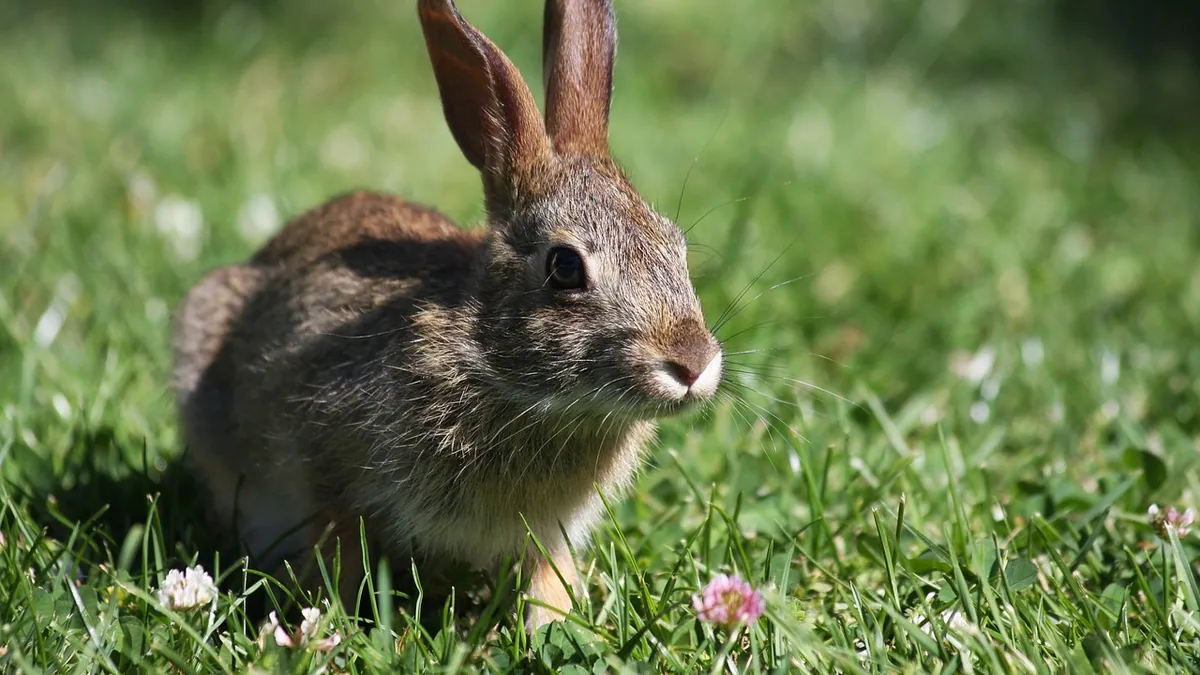
If your rabbit keeps licking my feet, you are probably wondering whether this is love, hunger, or something medical. In most cases, foot licking is a normal social behavior that rabbits use to bond and groom, though hormones and a few health problems can also drive it. Nipping is different, and it is the part you usually need to train away.
This article is educational and is not a substitute for veterinary diagnosis or treatment.
Quick Answer
- Licking your feet is usually grooming or affection. Rabbits groom bonded companions, and your feet are at their eye level.
- Intact rabbits often lick, circle, and nip feet because of hormonal mounting and courtship behavior. Spaying or neutering usually reduces this.
- Nipping is not the same as biting to injure. It often means "move" or "pay attention," and it can be discouraged with a high-pitched yelp and a short time-out.
- Rule out pain, dental disease, and skin problems before assuming the behavior is purely behavioral.
- Never hit, flick, or shout at your rabbit. Punishment increases fear in a prey species and can make nipping worse.
Why Does My Rabbit Lick My Feet?
Rabbits are social groomers. In a bonded pair, one rabbit licks the other's head, ears, and back as a sign of trust and rank. When your rabbit grooms your feet, it is treating you as a companion, not as furniture.
Feet are also the easiest part of you to reach. A rabbit on the floor is at ankle height, so your feet are right in its face. Some rabbits lick feet because of the salt and sweat on your skin, especially after you have been walking around barefoot or exercising.
Scent matters too. Rabbits rely heavily on smell to identify group members. Your feet carry a strong personal scent, and licking them may be a way of confirming that you are part of the group.
Hormonal Reasons
If your rabbit is not spayed or neutered, hormones are a common explanation. Intact rabbits of both sexes show courtship behavior that includes circling the feet, honking, mounting, and nipping at ankles and pant legs. This is not aggression in the usual sense. It is reproductive drive aimed at the nearest moving object.
Spaying or neutering typically reduces or eliminates this pattern. Talk to your veterinarian about timing, since surgery is a routine part of rabbit preventive care.
Boredom and Attention Seeking
A rabbit with too little to do will find something to do, and your feet are always available. A single rabbit in a small cage with no hay to graze, no toys to toss, and no digging box may fixate on feet as its main source of entertainment.
Owner surveys show that many rabbit owners report high confidence in their care knowledge, yet their actual housing and enrichment practices do not always match recommended standards [1]. That gap matters here. Enrichment is one of the strongest tools you have for changing unwanted behavior.
Why Does My Rabbit Bite My Feet?
Nipping usually has a message. Common ones include:
- "Stop walking, I am in your way." Rabbits often nip when you are about to step on them or when they want you to move.
- "Pet me now." Some rabbits nip to demand attention, then lick right after.
- "This is my space." Nipping near a cage, food bowl, or favorite spot can be territorial.
- Hormonal nipping, as described above.
A nip is a quick pinch with the front teeth. A true bite that breaks skin is more serious and needs a different response.
Medical Causes to Rule Out First
Behavior that starts suddenly in an adult rabbit deserves a health check. Pain and discomfort can make a normally calm rabbit irritable and nippy.
- Dental disease. Overgrown molars and sharp points cause mouth pain. A rabbit in pain may nip when approached or when eating.
- Pododermatitis (sore hocks). Painful foot sores make a rabbit sensitive about the floor and about contact near its feet.
- Skin parasites and infections. Fleas, mites, and fungal infections cause itching and restlessness.
- Arthritis and spinal pain. Older rabbits may nip when handled or when shifting position.
- Reproductive tract disease. Unspayed female rabbits have a high risk of uterine problems, which can change behavior.
- Vision loss. A rabbit that cannot see well may nip defensively when your feet appear suddenly.
Heat stress is another factor. In warm conditions, rabbits spend more time sprawled and less time grooming and exploring, and inactivity rises [2]. If your rabbit's behavior changed during a hot stretch, temperature may be part of the picture.
When Foot Licking and Nipping Become a Problem
Licking is rarely a problem on its own. It becomes one when:
- It happens constantly and your rabbit ignores food, hay, and toys.
- Your rabbit licks until its tongue or your skin is irritated.
- Licking turns into nipping that breaks skin or draws blood.
- Your rabbit nips children, guests, or anyone who walks past.
- Your rabbit guards a spot and nips when you approach.
Any bite that breaks your skin needs prompt wound care. Rabbit bites can become infected, and you should see a physician for a human wound, not just a veterinarian.
What to Do: Step by Step
1. Get a Veterinary Exam
Book a checkup that includes a dental exam and a look at the feet, skin, and joints. If your rabbit is intact, discuss spaying or neutering at the same visit. This step comes first because training will not fix pain.
2. Stop Rewarding the Nip
If your rabbit nips to get attention, the attention is the reward. When a nip happens, say "ow" in a high, short squeak, then stand still or walk away for 30 seconds. Do not pick your rabbit up, pet it, or talk to it. Rabbits understand a sharp squeal as a pain signal from a companion.
3. Reward the Behavior You Want
When your rabbit licks instead of nipping, offer a small piece of a healthy treat or a gentle head pet. Rabbits respond well to consistent, immediate rewards. Keep sessions short, a minute or two at a time.
4. Add Enrichment
Give your rabbit more to do:
- Unlimited grass hay, which supports grazing and dental health.
- A digging box with shredded paper or safe soil.
- Cardboard tubes, untreated willow toys, and toss toys.
- A tunnel or hide box.
- Daily supervised time outside the enclosure.
Enrichment is linked to better husbandry outcomes, and owners who report higher knowledge are more likely to provide it [1].
5. Reduce Stress in the Environment
Rabbits are prey animals and are highly sensitive to stressors [3]. Loud noises, dogs, sudden changes, and new environments all raise stress. A calm, predictable routine helps.
Pheromone products may help during stressful events. In one study, rabbits exposed to a novel environment showed a shift toward reduced locomotion on their second exposure, which is consistent with acclimation [3]. In another study, rabbits transported in a crate sprayed with rabbit appeasing pheromone kept their ears in an erect position longer and were less agitated than controls [4]. These products are not a fix for nipping, but they can lower background stress during travel, vet visits, and moves.
6. Protect Your Feet During Training
Wear socks and closed shoes for a few weeks. This reduces the sensory payoff of licking and softens the impact of nips while you work on the behavior.
7. Keep the Floor Calm
Avoid fast movements and sudden turns near your rabbit. Many nips are a rabbit's way of saying "you almost stepped on me." Walk slowly, look down, and give your rabbit space to move away.
What Not to Do
- Do not hit, flick, or smack your rabbit. Physical punishment teaches fear, not manners, and can escalate nipping.
- Do not spray water in your rabbit's face. It damages trust and does not teach an alternative behavior.
- Do not yell or chase. A prey animal that feels cornered may bite harder.
- Do not pick your rabbit up as a time-out. Most rabbits dislike being lifted, and this can turn a small problem into a handling problem.
- Do not assume it is "just hormones" and skip the exam. Pain and dental disease are common and treatable.
- Do not separate your rabbit from a bonded partner as punishment. Bonded rabbits become distressed when separated.
If you also live with dogs, some of the same licking patterns show up in other species. Our guides on why a dog keeps licking my feet and dog licking feet obsessively explain how licking can shift from normal to compulsive. The comparison is useful because the underlying drivers (attention, stress, and skin irritation) overlap. For a broader look at licking behavior across species, see why does my dog lick my feet and legs.
When to Involve a Veterinarian or Behavior Professional
Call your veterinarian if:
- The behavior started suddenly in an adult rabbit.
- Your rabbit is eating less, losing weight, drooling, or dropping food.
- You see sores, scabs, hair loss, or swelling on the feet, mouth, or skin.
- Your rabbit is limping, reluctant to move, or spending more time lying down.
- Your rabbit is intact and showing mounting, circling, and nipping.
- Nipping continues after several weeks of consistent training and enrichment.
Ask for a referral to a veterinarian who treats rabbits or a certified behavior professional who works with small mammals. Many general practices are comfortable with rabbits, but a specialist can help when the cause is unclear.
Limitations and When to Contact a Veterinarian
This article covers common patterns, not your individual rabbit. Every case needs a veterinarian who can examine your pet, ask about diet and housing, and check for pain.
Contact a veterinarian the same day if your rabbit:
- Stops eating or stops producing normal droppings.
- Breathes with its mouth open or sits with its nose pointed up.
- Shows sudden weakness, head tilt, or loss of balance.
- Has a swollen, hot, or bleeding foot.
- Has a wound from a bite or a fall.
Go to an emergency clinic now if your rabbit:
- Is straining to urinate or has not urinated.
- Has a bloated, hard abdomen.
- Is having seizures or is unresponsive.
- Has heavy bleeding or a deep wound.
- Is in obvious distress and getting worse by the hour.
For a routine visit, book within a few days if the licking or nipping is new, if your rabbit is due for a checkup, or if you want to discuss spaying or neutering.
Frequently Asked Questions
Is it normal for a rabbit to lick my feet?
Yes, licking feet is normal for many rabbits. It is a grooming and bonding behavior, and your feet are simply the closest part of you to reach. Sudden new licking in an adult rabbit is the pattern that deserves a closer look.
Does licking mean my rabbit loves me?
Licking is a social grooming behavior that rabbits use with bonded companions, so it usually signals trust and comfort. It can also be driven by salt on your skin or by hormones. The context matters more than the act itself.
Why does my rabbit nip my ankles when I walk?
Ankle nipping during walking is often a herding or "move along" signal, and it is common in intact rabbits. It can also mean your rabbit is worried about being stepped on. Slow down, watch your feet, and respond with a short squeak and a pause.
Will spaying or neutering stop the nipping?
Spaying or neutering usually reduces hormone-driven circling, mounting, and nipping, though it may not remove the behavior completely. Give it several weeks after surgery, and keep up training and enrichment at the same time.
Can I train my rabbit not to nip?
Yes, rabbits can learn. The reliable approach is to make nipping boring (no reaction, brief withdrawal) and make gentle behavior rewarding (treats, head pets, attention). Consistency matters more than intensity, and most rabbits improve within a few weeks.
Do pheromone sprays help with rabbit behavior?
Pheromone products can help lower stress in specific situations, such as travel and new environments. In one transport study, treated rabbits kept their ears erect longer and tended to be less agitated than untreated rabbits [4]. They are a support tool, not a treatment for nipping itself.
Should I worry if my rabbit only licks one foot?
If your rabbit focuses on one foot or one spot on your skin, check that area for cuts, swelling, or a foreign object. Rabbits sometimes lick a wound or an irritated area. If you cannot find a cause, have your veterinarian look at it.
Related Articles
- Why Is My Rabbit Licking or Biting Me? Behavior Explained
- Why Does My Rabbit Keep Biting Me? Causes and Fixes
- Why Does My Rabbit Bite? Normal Behavior or Problem?
- Managing Aggression and Social Stress in Rabbits
References
- Perceived Rabbit Care Knowledge Does Not Consistently Align with Owner-Reported Husbandry Practices: A Survey of Pet Rabbit Owners in Croatia. Animals : an open access journal from MDPI, 2026.
- Impact of different controlled temperature and humidity conditions on the behaviour, posture and spatial needs in fattening rabbits. Frontiers in veterinary science, 2025.
- Crossing the comfort zone: rabbit appeasing pheromone enhances acclimation to a novel environment. Frontiers in veterinary science, 2026.
- Use of rabbit-appeasing pheromone in mist form helps pet rabbits cope with transport. American journal of veterinary research, 2026.