Why Is My Rabbit Licking Everything? Causes and Meaning
By Dr. Zubair Khalid, DVM, MS, PhD ·
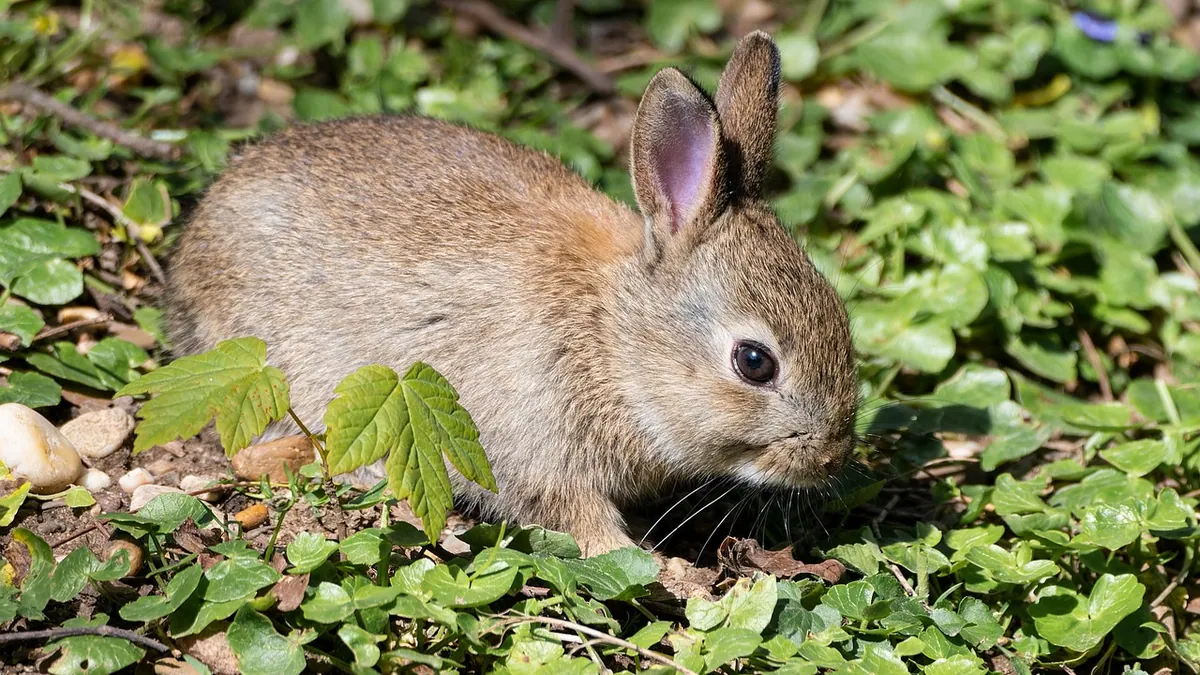
Rabbits lick objects for many reasons, and most of the time it is normal. Rabbits groom themselves and their bonded companions, explore the world with their mouths, and sometimes lick to seek attention or comfort. If you are asking "why is my rabbit licking everything," the answer usually comes down to one of a few categories: normal behavior, stress or boredom, or an underlying medical problem.
This article is educational and is not a substitute for veterinary diagnosis or treatment.
Quick Answer
- Licking is normal rabbit behavior. Rabbits groom themselves, groom bonded partners, and mouth objects to explore their surroundings.
- Sudden or excessive licking of floors, walls, cages, or fabric can signal stress, boredom, or a lack of enrichment.
- Dental pain and gastrointestinal (GI) discomfort are common medical reasons a rabbit starts licking or chewing unusual things.
- A rabbit that eats non-food items (a behavior sometimes called pica) needs a veterinary exam, because swallowed objects can cause a blockage.
- Never punish a rabbit for licking. Punishment increases fear and can make the behavior worse.
Normal Reasons Rabbits Lick
Self-Grooming and Grooming Others
Rabbits are fastidious groomers. They lick their paws, chest, and flanks many times a day. A bonded rabbit will also lick its partner, often around the head and ears. This is social grooming, and it helps maintain the bond between rabbits. If your rabbit licks your hand or arm, it may be treating you as a bonded companion.
Exploring With the Mouth
Rabbits have sensitive lips and whiskers, and they investigate new objects partly by mouthing and licking them. A new toy, a cardboard box, or a piece of furniture may get a few licks simply because it is unfamiliar. This kind of investigation is usually brief and stops once the rabbit loses interest.
Seeking Attention or Comfort
Some rabbits learn that licking a person gets a response. If you pet your rabbit every time it licks your hand, the behavior can become a routine way to ask for attention. Licking can also be self-soothing. Rabbits are prey animals and are highly sensitive to their environment, so calming behaviors matter to them [1].
Why Does My Rabbit Lick Everything? Behavioral Causes
Boredom and Lack of Enrichment
A rabbit with nothing to do will find something to do, and licking or chewing objects is a common result. Environmental enrichment, including toys, tunnels, and things to chew, is one of the factors most linked to better rabbit welfare [2]. Owners who report high knowledge of rabbit care do not always put that knowledge into practice, and enrichment is one area where the gap shows up [3]. If your rabbit's enclosure is bare, that is a good place to start.
Stress and Anxiety
Rabbits react to stress with a mix of behavioral changes. In one study, rabbits placed in a new environment first showed increased movement, then shifted toward reduced movement on the second exposure [1]. Stress does not always look like panic. It can look like repetitive licking, over-grooming, or fixating on one spot. Transport, new pets, loud noises, and changes in routine are common triggers. Pheromone products have been studied for helping rabbits cope with stressful situations such as transport and new environments [1][4].
Compulsive Licking
When licking becomes repetitive, hard to interrupt, and directed at the same object or surface over and over, it may be compulsive. Compulsive behavior in rabbits is often tied to confinement, boredom, or chronic stress. This is a welfare problem, not a discipline problem. It needs changes to the environment and, in many cases, help from a veterinarian or behavior professional.
Hormonal and Social Factors
Unneutered rabbits may show more repetitive and mounting-related behaviors, including licking and nuzzling objects. Spaying or neutering often reduces these patterns. If your rabbit lives alone, it may also lick objects as a substitute for the social grooming it would normally do with another rabbit.
Medical Causes to Rule Out
Dental Disease
Rabbit teeth grow continuously, and problems with overgrowth, spurs, or abscesses are common. A rabbit in dental pain may drool, drop food, eat less, or lick and chew at objects, cage bars, and walls. Dental pain is one of the first things a veterinarian will check when a rabbit's mouth-related behavior changes.
Gastrointestinal Discomfort
Rabbits have a sensitive digestive system, and GI stasis (slowed gut movement) is a serious condition. A rabbit with abdominal discomfort may press its belly to the floor, grind its teeth, stop eating, or lick surfaces. Any rabbit that stops producing normal droppings needs same-day veterinary care.
Pain Anywhere in the Body
Licking can be a pain response. A rabbit with a sore joint, an abscess, or a urinary problem may lick the affected area or lick nearby surfaces. If the licking is focused on one part of the body or one spot in the enclosure, pain is a real possibility.
Pica and Foreign Body Risk
Pica is the term for eating non-food items. A rabbit with pica may swallow carpet fibers, plastic, paper, or bedding. This is dangerous because swallowed material can cause a GI blockage, which is a surgical emergency in rabbits. Pica has been linked to nutritional gaps, dental pain, GI discomfort, and stress. Any rabbit eating non-food items needs a veterinary exam.
Skin Problems and Parasites
If your rabbit is licking its own fur or skin more than usual, check for hair loss, redness, scabs, or flaky skin. Mites, fleas, and skin infections cause intense itching and licking. This pattern is similar to what owners see in other species, such as a cat licking fur off, where the underlying cause has to be treated before the licking stops.
When Licking Becomes a Problem
Licking is a concern when it changes from occasional to constant, when it targets non-food items that could be swallowed, or when it comes with other symptoms. Watch for these patterns:
- Licking that lasts for long stretches and is hard to interrupt
- Licking directed at walls, floors, cage bars, or fabric
- Chewing or eating carpet, plastic, or bedding
- Drooling, dropping food, or eating less
- Fewer or smaller droppings, or no droppings
- Hair loss, scabs, or red skin
- Hiding, hunched posture, or tooth grinding
Any one of these is a reason to call your veterinarian. Several together is a reason to go sooner.
What to Do Step by Step
Step 1: Observe and Record
Write down what your rabbit licks, how often, and when it happens. Note whether it happens after meals, at night, or when the house is quiet. Note any changes in appetite, droppings, or activity. This record helps your veterinarian sort normal behavior from a medical problem.
Step 2: Book a Veterinary Exam
A rabbit that suddenly starts licking everything, or that eats non-food items, needs a physical exam. Your veterinarian will check the teeth, feel the abdomen, and look at the skin and coat. Bloodwork or imaging may be recommended depending on the findings. The veterinarian calculates any medication dose from your rabbit's weight and health status.
Step 3: Fix the Environment
Rabbits need space, hiding spots, and things to do. Add safe chew items such as untreated wood, cardboard, and hay-based toys. Rotate toys so the environment stays interesting. Enrichment is one of the core factors in rabbit welfare, along with appropriate nutrition and disease prevention [2].
Step 4: Support a Stressed Rabbit
If stress seems to be the trigger, reduce changes and give your rabbit a quiet, predictable space. Pheromone products have been studied for helping rabbits adjust to new environments and transport, with treated rabbits showing calmer behavioral signs than controls in one transport study [4]. Ask your veterinarian whether a pheromone product is appropriate for your rabbit.
Step 5: Address Boredom With Routine
Rabbits do best with a daily routine. Feed at the same times, provide fresh hay at all times, and set aside play time. A rabbit that gets daily interaction and exercise is less likely to develop repetitive licking.
Step 6: Consider a Companion
Rabbits are social animals. A spayed or neutered bonded companion can reduce loneliness-related licking. Bonding must be done carefully and slowly, and not every pair works out. Ask your veterinarian or a rabbit rescue for guidance.
What Not to Do
Do Not Punish or Startle Your Rabbit
Yelling, spraying water, or tapping the cage will not stop licking. It will make your rabbit more fearful, and fear can increase repetitive behavior. Rabbits are prey animals, and a stressful environment works against you [1].
Do Not Assume It Is Just Affection
Licking your hand can be affection. Licking the floor, walls, or cage bars usually is not. If the target is a surface or an object instead of a living companion, look for a medical or behavioral cause.
Do Not Wait on GI Signs
A rabbit that stops eating or stops passing droppings can decline quickly. Do not wait a day to see if it improves. Call your veterinarian right away.
Do Not Rely on Home Remedies for Pica
There is no safe home fix for a rabbit eating non-food items. Restricting access to the item helps in the short term, but the underlying cause still needs a diagnosis.
When a Veterinarian or Behavior Professional Should Be Involved
Call your veterinarian if the licking is new, intense, or paired with any change in eating, droppings, or activity. Call a certified behavior professional if your veterinarian has ruled out medical causes and the licking continues. Behavior support is especially useful for compulsive licking, bonding problems, and stress-related patterns. If you have experience with other species, some of the same principles apply, whether the issue is a dog licking the floor constantly or a dog licking its paws. The species differ, but the need to find the root cause is the same.
Limitations and When to Contact a Veterinarian
This article cannot diagnose your rabbit. Every rabbit is an individual, and only a veterinarian who examines your rabbit can determine what is going on.
Contact a veterinarian the same day if your rabbit:
- Stops eating or stops passing droppings
- Is drooling or dropping food
- Is licking or chewing non-food items and may have swallowed some
- Has a sudden change in behavior or activity
Go to an emergency clinic now if your rabbit:
- Is lying on its side and will not get up
- Is breathing with effort or open-mouth breathing
- Has a bloated, hard abdomen
- Is grinding its teeth loudly and pressing its belly to the floor
Schedule a routine visit if your rabbit:
- Has been licking objects more than usual for more than a few days
- Has hair loss, scabs, or red skin
- Has a gradual change in appetite or droppings
Frequently Asked Questions
Is it normal for a rabbit to lick everything?
Occasional licking of objects is normal, especially when something is new. Constant licking of floors, walls, or cage bars is not typical and deserves a closer look. If the behavior is new or intense, have your rabbit examined.
Why does my rabbit lick me?
Your rabbit likely sees you as a bonded companion and is grooming you. This is usually a good sign and does not need correction. If the licking becomes constant or your rabbit also licks surfaces, mention it to your veterinarian.
Why does my rabbit eat everything?
Eating non-food items is called pica, and it is not normal. It can be linked to dental pain, GI discomfort, nutritional gaps, or stress. Because swallowed items can block the gut, this behavior needs a veterinary exam.
Can boredom cause licking in rabbits?
Yes. A rabbit without enrichment, space, or daily interaction may develop repetitive behaviors, including licking. Adding safe chew items, hiding spots, and a consistent routine often helps. If it does not, ask your veterinarian about next steps.
Should I stop my rabbit from licking?
Do not punish or startle your rabbit to stop the behavior. If the licking is occasional and directed at you or a bonded partner, it is normal. If it is constant or aimed at surfaces and objects, get a veterinary exam to rule out pain or illness first.
Related Articles
- Why Is My Rabbit Licking or Biting Me? Behavior Explained
- Why Is My Rabbit Licking or Digging the Floor?
- Why Is My Rabbit Obsessed With My Feet?
References
- Crossing the comfort zone: rabbit appeasing pheromone enhances acclimation to a novel environment. Frontiers in veterinary science, 2026.
- Enhancing Rabbit Welfare in Intensive Production Systems: A Review. TheScientificWorldJournal, 2026.
- Perceived Rabbit Care Knowledge Does Not Consistently Align with Owner-Reported Husbandry Practices: A Survey of Pet Rabbit Owners in Croatia. Animals : an open access journal from MDPI, 2026.
- Use of rabbit-appeasing pheromone in mist form helps pet rabbits cope with transport. American journal of veterinary research, 2026.