Why Is My Rat or Guinea Pig Vibrating?
By Dr. Zubair Khalid, DVM, MS, PhD ·
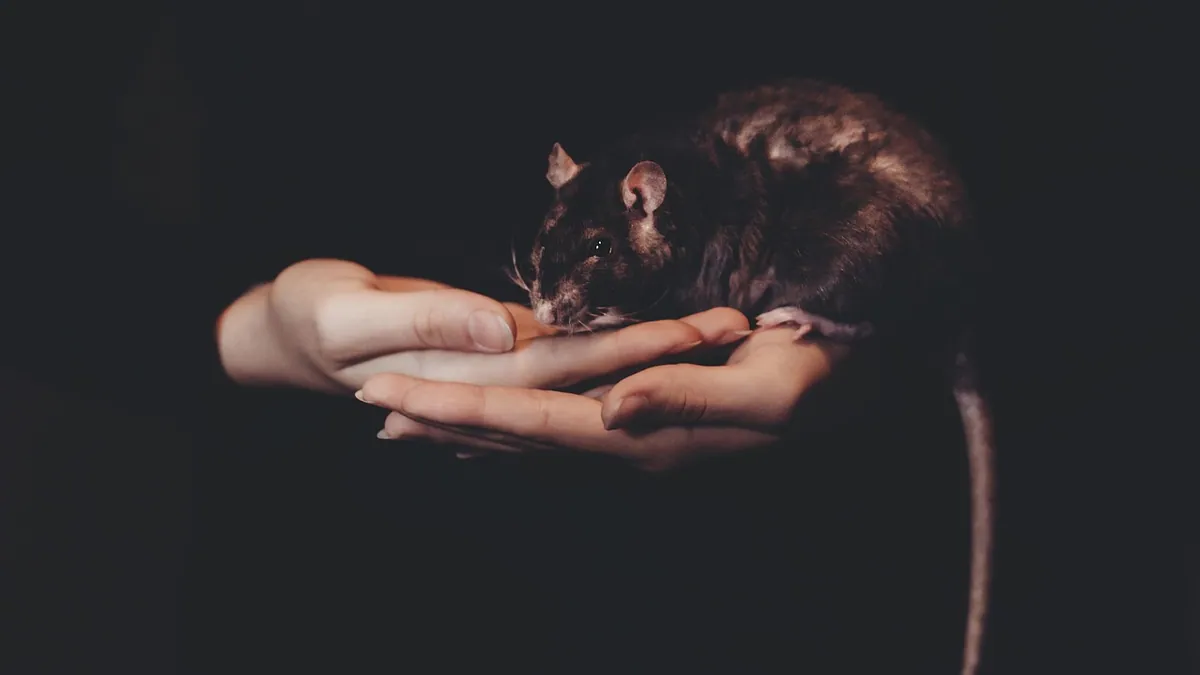
Why is my rat vibrating? In most cases, a rat that vibrates is happy or content. Rats have a behavior often called bruxing, where they grind their teeth, and when the jaw muscles twitch quickly it creates a soft buzzing or vibrating feeling in their body. That said, vibration can also mean your rat is cold, in pain, or sick, so the setting and the other signs matter.
This article is educational and is not a substitute for veterinary diagnosis or treatment.
Quick Answer
- A relaxed rat that vibrates while being petted, eating, or resting is usually content. This is often called a purr.
- A rat that vibrates while hunched, squinting, or hiding is more likely uncomfortable, cold, or unwell.
- Cold is a common trigger for shaking in small mammals. Shaking helps them warm up and dry off [1].
- Check the basics first: room temperature, bedding, draft, and whether your rat is eating, drinking, and moving normally.
- If vibration comes with labored breathing, a hunched posture, or no appetite, contact a veterinarian the same day.
What Rat Vibration Looks Like and What Is Normal
Rat vibration can be easy to miss. Some rats buzz so softly you feel it more than you see it. Others shake visibly, with a rapid tremor through the body, head, or jaw.
Normal, happy vibration usually happens in a calm setting. Your rat may be sitting in your hand, grooming, eating a treat, or resting in a hammock. The body stays loose. The eyes may be partly closed or gently squinting. Breathing looks normal. Your rat will still come out for food and explore.
This kind of vibration is tied to bruxing, the tooth grinding rats do when they are relaxed. The rapid jaw movement can make the whole body buzz. Many owners describe it as a purr. If your rat also boggles (eyes bulge in and out while bruxing), that is usually a sign of deep contentment.
Rats are social, and their mood shows in their behavior and body language. If you want to read your rat's signals better, see Understanding Pet Rat Behavior: Bonding, Body Language, and Enrichment.
The same vibration can show up in other small pets. Owners often ask why their guinea pig is vibrating, and the answer is similar: contentment, cold, or discomfort. Guinea pigs also purr when happy, and they rumble when annoyed. If you keep more than one species, Guinea Pig Behavior: Understanding Sounds and Actions explains the sounds and actions to watch for.
Why Is My Rat Vibrating? The Main Causes
Vibration is a symptom, not a diagnosis. The cause depends on what else is happening. Here are the most common reasons a rat vibrates.
Contentment and Bruxing
This is the most common cause. Your rat is relaxed, warm, and safe. The vibration is soft and steady. It often starts when you pet your rat or when your rat eats something it likes. Your rat keeps a normal posture and normal appetite.
Cold
Rats are small, and they lose body heat quickly. Shivering is a normal response to cold. In mammals, shaking behavior is triggered by cold and wetness, and it helps remove water from fur and supports temperature control [1]. If your rat is wet from a bath, a water bottle leak, or a spill, it may shake to dry off and warm up.
A cold rat often hunches, tucks its feet, and looks puffed up. It may sit right on top of a heat source or burrow deep into bedding. Drafty rooms, air conditioning, and cold floors are common culprits.
Pain
A rat in pain may vibrate or tremble. Pain vibration usually comes with a tense body, squinting eyes, a hunched back, and reduced movement. Your rat may grind its teeth hard, which can be a pain signal when it happens with other signs. It may avoid being handled or flinch when you touch a sore area.
Dental problems, injuries, bladder issues, and arthritis are common sources of pain in rats. A rat that stops eating because of mouth pain can decline fast.
Illness and Respiratory Disease
Rats are prone to respiratory infections. A sick rat may tremble, breathe fast or noisily, and sit hunched in a corner. You may see porphyrin, a red discharge around the eyes and nose. Your rat may lose weight, stop grooming, and feel cool to the touch.
Fever, pain, and weakness can all cause shaking. Any rat that vibrates and also looks unwell needs veterinary care.
Fear, Stress, or Overhandling
A nervous rat may tremble when picked up, moved to a new cage, or introduced to a new rat. The vibration is often paired with freezing, flattened ears, or fast darting movements. Give your rat time to settle and offer a hiding spot.
Neurological or Other Medical Causes
Some rats develop tremors from neurological problems, toxin exposure, or metabolic issues. These tremors may happen at rest, during sleep, or in specific body parts. They do not stop when your rat relaxes. This pattern needs a veterinary exam.
A Note on Other Small Pets
If you also keep a rabbit or hamster, the same question comes up. A rabbit that vibrates may be purring softly when content, but rabbits also thump and tremble when scared or in pain. A hamster that vibrates may be cold, stressed, or sick. The checklist is the same: look at posture, appetite, breathing, and temperature.
| Cause | Typical clues | How urgent |
|---|---|---|
| Contentment (bruxing purr) | Soft buzz, relaxed body, normal appetite, happens during petting or eating | Not urgent |
| Cold | Hunched posture, puffed fur, wet fur, sitting on heat source, cold room | Fix warmth now, vet if it continues |
| Pain | Tense body, squinting, hunched back, flinching, not eating | Same-day vet visit |
| Illness or respiratory infection | Noisy or fast breathing, red eye or nose discharge, weight loss, poor grooming | Same-day vet visit |
| Fear or stress | Trembling when handled, freezing, hiding, recent change in home | Reduce stress, vet if it persists |
| Neurological tremor | Shaking at rest, twitching body parts, does not stop when calm | Same-day vet visit |
Red Flags That Make It an Emergency
Some signs mean you should not wait. Contact an emergency veterinary service right away if your rat has any of these.
- Open-mouth breathing, gasping, or blue-tinged gums or tongue
- Severe weakness, collapse, or inability to stand
- A seizure, repeated twitching, or a tremor that will not stop
- Heavy bleeding, a deep wound, or a suspected broken bone
- A bloated, hard abdomen with no droppings
- A body temperature that feels very cold and your rat is limp
For non-emergency but concerning signs, call your veterinarian the same day. These include:
- Not eating or drinking for more than a few hours
- Labored or noisy breathing without open-mouth breathing
- A hunched posture with squinting eyes
- Red discharge from the eyes or nose
- Weight loss or a sudden drop in activity
- Vibration that continues after you warm your rat and calm it down
Rats hide illness well. By the time a rat looks obviously sick, the problem may be advanced. When in doubt, call.
Safe Things You Can Do at Home While You Wait
You can do a few simple things at home without risking harm. These steps help you gather information for your veterinarian.
Check the Temperature
Move your rat to a warm, draft-free spot. Aim for a comfortable room temperature and keep the cage away from windows, vents, and cold floors. Offer extra bedding and a hide box. If your rat is wet, dry it gently with a soft towel.
Do not use a hot water bottle directly against your rat. Wrap any heat source in a towel so your rat can move away if it gets too warm. Overheating is dangerous.
Offer Food and Water
Offer your rat's normal food and a water bottle or bowl it can reach easily. If your rat is not eating, try a small piece of a favorite treat. Do not force food or water. Note whether your rat eats, drinks, and passes droppings.
Watch Breathing and Behavior
Count your rat's breaths per minute while it rests. Watch for noise, effort, or a tucked-in posture. Note how your rat moves, whether it is grooming, and whether it responds to you.
Keep Handling Calm
Handle your rat gently and briefly. Support the whole body. If your rat seems painful or stressed, put it back in the cage and let it rest. Keep the room quiet.
Do Not Give Human Medications
Never give your rat human pain relievers, cold medicines, or antibiotics. Many common human drugs are toxic to rats. Your veterinarian will calculate the right dose from your rat's weight and health.
Know Your Poison Resources
If you suspect your rat ate something toxic, call the ASPCA Animal Poison Control Center at (888) 426-4435 or the Pet Poison Helpline at (855) 764-7661. These services may charge a fee.
What Your Veterinarian Will Check and Test
Your veterinarian will start with a full history. Be ready to describe when the vibration started, how long it lasts, and what else you have noticed. Bring notes if that helps.
The physical exam usually includes:
- Weight and body condition
- Temperature, heart rate, and breathing rate
- Listening to the lungs and heart
- Checking the teeth, mouth, and jaw
- Feeling the abdomen for masses, pain, or bloating
- Checking the eyes, nose, ears, skin, and fur
- Checking the limbs and spine for pain or swelling
Depending on what your veterinarian finds, they may recommend tests. Common options include:
- Blood work to check organ function and infection
- X-rays to look at the lungs, heart, teeth, and bones
- Ultrasound to look at the abdomen
- A fecal test for parasites
- A skin or fur sample if there is itching or hair loss
- A culture or swab if there is discharge
Treatment depends on the cause. A cold rat needs warmth and a safe environment. A rat with a respiratory infection may need antibiotics. A rat in pain may need prescription pain relief. Your veterinarian will explain the plan and the expected timeline.
Prevention and Monitoring
Good daily care lowers the chance that vibration means something serious.
- Keep the cage in a warm, draft-free spot. Avoid sudden temperature swings.
- Provide deep bedding and a hide box so your rat can burrow and stay warm.
- Clean the cage regularly to reduce ammonia and dust, which irritate rat lungs.
- Feed a balanced diet and fresh water. Check that your rat is eating and drinking every day.
- Weigh your rat weekly on a small kitchen scale. A drop in weight is an early warning sign.
- Watch for changes in breathing, grooming, and activity.
- Handle your rat gently and often so you learn its normal behavior.
- Keep up with routine veterinary checkups, especially for older rats.
A simple daily check takes a minute. Look at your rat's eyes, nose, fur, breathing, and droppings. Pick your rat up and feel its body condition. If something changes, write it down and call your veterinarian.
Limitations and When to Contact a Veterinarian
This guide cannot tell you what is wrong with your specific rat. Vibration has many causes, and only a veterinarian who examines your rat can make a diagnosis. Individual cases need a veterinarian.
Use these timing guidelines:
- Emergency now: open-mouth breathing, collapse, seizure, heavy bleeding, or a very cold, limp rat.
- Same day: not eating, labored breathing, red eye or nose discharge, hunched posture with squinting, or vibration that continues after warming.
- Routine visit: mild vibration that comes and goes with no other signs, or a new behavior you want checked.
If you are unsure, call your veterinarian. A phone call is cheap and fast. Waiting is often the bigger risk.
Frequently Asked Questions
Is a vibrating rat always happy?
No. A soft buzz during petting or eating usually means contentment, but vibration can also mean cold, pain, or illness. Look at your rat's posture, appetite, breathing, and activity level. If those are normal and the vibration happens in calm moments, happiness is the likely cause.
Can a rat vibrate because it is cold?
Yes. Shaking is a normal response to cold and wetness in mammals, and it helps with temperature control and drying fur [1]. If your rat is wet, drafty, or in a cold room, warm it up and dry it gently. If the shaking continues after your rat is warm and dry, call your veterinarian.
How can I tell if my rat is in pain?
A rat in pain often hunches, squints, stays still, and stops eating. It may flinch when touched or avoid handling. Vibration with any of these signs is a reason to call your veterinarian the same day. Do not give human pain medicine, because many are toxic to rats.
Do guinea pigs and hamsters vibrate for the same reasons?
Often, yes. Guinea pigs purr when content, but they also rumble when annoyed and may tremble when cold or sick. Hamsters can shake from cold, stress, or illness. The checklist is the same for all small pets: check warmth, posture, appetite, and breathing, and call a vet if something seems off.
When should I call the vet about my rat's vibration?
Call the same day if your rat is not eating, breathing noisily or with effort, has red discharge from the eyes or nose, or looks hunched and uncomfortable. Call an emergency service right away for open-mouth breathing, collapse, seizures, or heavy bleeding. If the vibration is mild and your rat acts normal, a routine visit is a reasonable next step.
Related Articles
- Understanding Pet Rat Behavior: Bonding, Body Language, and Enrichment
- Guinea Pig Squeaking Noise
- Why Is My Dog Shaking?
- Guinea Pig vs Rabbit: Which Pet Is Right for You?
- Why Does My Dog Keep Shaking Her Head
References
- Cold- and TRPM8-dependent shaking in mammals and birds. Communications biology, 2025.