Why Is My Rabbit Losing So Much Fur?
By Dr. Zubair Khalid, DVM, MS, PhD ·
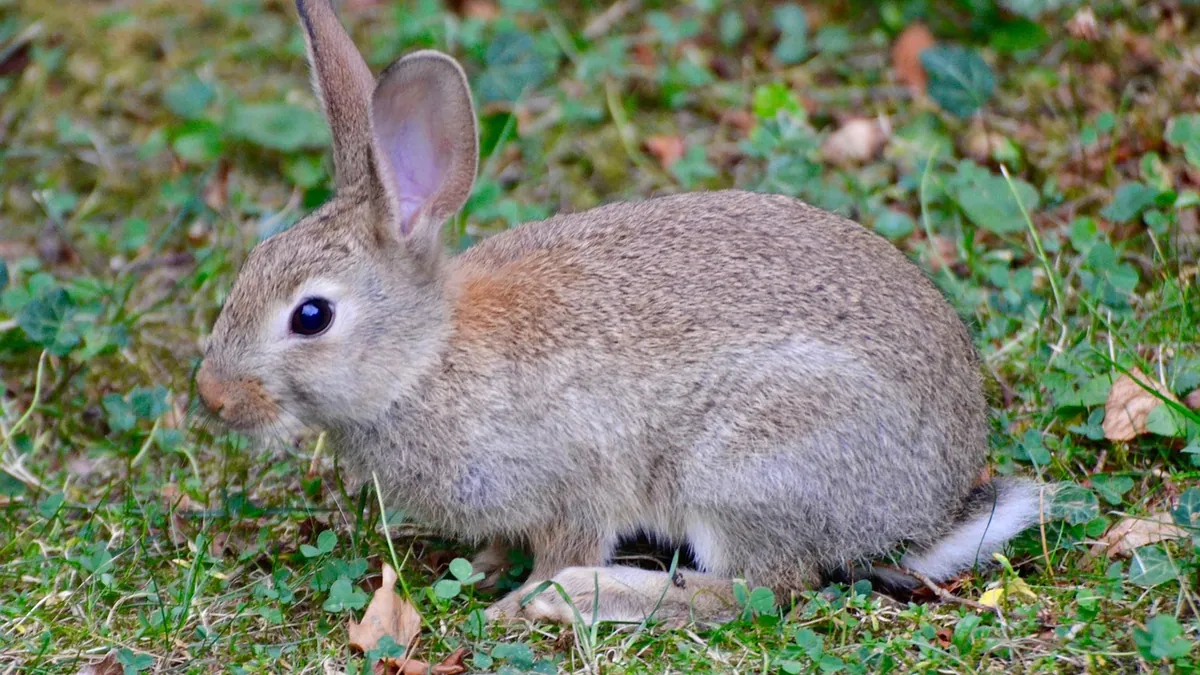
If your rabbit is losing fur, the first thing to sort out is whether this is a normal molt or something that needs treatment. Rabbits shed heavily a few times a year, and that kind of hair loss is patchy, symmetrical, and leaves healthy skin behind. Fur pulling, crusty skin, bald patches, or a rabbit that seems itchy or unwell points to a medical or behavioral cause instead.
This article is educational and is not a substitute for veterinary diagnosis or treatment.
Quick Answer
- Normal molting in rabbits comes in waves, often seasonally, and the coat thins evenly with no sores, crusts, or bald spots.
- A rabbit ripping out her fur or his fur is often pregnant, nesting, stressed, or bored, and this is different from disease-related hair loss.
- Mites and other parasites cause intense itching, scaling, and patchy bald areas, and they need veterinary treatment [1].
- Ringworm and other fungal infections cause patchy hair loss that often starts on the head and can spread to people [2].
- Any rabbit with bald skin, crusts, open sores, weight loss, or appetite changes needs a veterinary exam, not home remedies.
What Normal Shedding Looks Like in Rabbits
Rabbits replace their coat in cycles. You may see loose tufts of hair, a duller coat for a week or two, and hair on bedding or carpet. The skin underneath stays clean and pale, with no redness, flakes, or scabs.
Some rabbits shed in a steady trickle all year. Others blow their coat in a big molt, often in spring and fall. During a heavy molt, you might brush out handfuls of fur and still see more coming. That is normal.
The pattern matters. Normal shedding thins the coat all over or in a soft wave. It does not leave a sharply defined bald circle, a crusty patch, or a strip of bare skin along the back or flanks.
Grooming your rabbit regularly helps you notice skin problems early, before they become severe [2]. Run your hands over the whole body once a week. Feel for scabs, lumps, mats, and areas where the hair pulls out easily.
Why Is My Rabbit Losing So Much Fur? The Main Causes
Hair loss in rabbits falls into a few broad groups. The majority of rabbit skin disease shows up as itching, hair loss, scaling, or lumps, and most cases come from parasites, infections, or tumors [3]. Here is how the common causes compare.
| Cause | Typical clues | How urgent |
|---|---|---|
| Normal molt | Even thinning, loose tufts, healthy skin, no itching | Routine grooming |
| Fur pulling (self or mate) | Chewed or plucked patches, often on the chest, belly, or flanks, rabbit may be pregnant or stressed | See a vet if skin is damaged or behavior is sudden |
| Mites (mange) | Intense itching, scaling, crusts, hair loss on the body or in the ears, weight loss | Same-day to urgent vet visit |
| Ringworm (fungal) | Patchy hair loss often starting on the head, dry flaky red skin, can spread to people | Prompt vet visit and isolation |
| Dental or drooling problem | Wet, inflamed skin under the chin, hair loss on the dewlap | Prompt vet visit |
| Hormonal or reproductive | Symmetrical hair loss, fur pulling for nesting, changes after pregnancy or with reproductive disease | Routine to prompt vet visit |
| Nutritional or systemic illness | Poor coat, weight loss, low appetite, hair loss with no itching | Prompt vet visit |
Normal Molting
A healthy rabbit can look alarming during a molt. Hair comes out in clumps, and the coat may look uneven for days. The skin stays normal. Your rabbit eats, drinks, poops, and behaves as usual.
Fur Pulling and Barbering
When a rabbit rips out her fur or his fur, the cause is often behavioral or reproductive. A pregnant doe pulls fur from her belly and chest to build a nest. That is normal in late pregnancy.
Rabbits housed together may barber each other, chewing hair down to the skin. Boredom, crowding, and stress can drive this behavior. A rabbit in pain may also pull at a sore area.
Fur pulling is not the same as disease-related shedding. Look at the pattern. Plucked fur often leaves short, chewed stubble. Mites and fungal infections leave scaly, crusty, or red skin.
Mites and Other Parasites
Mange is a major parasitic disease in rabbits, caused mainly by Sarcoptes scabiei, Psoroptes cuniculi, Cheyletiella parasitovorax, and Notoedres cati [1]. Body mange and ear mange are the most common forms [1].
These mites cause severe itching, hair loss, scaling, and sometimes weight loss and death in untreated cases [1]. Rabbits pick them up through direct contact with infected animals or contaminated bedding and equipment [1]. Some of these mites can spread to people, so this is a public health concern as well as a pet health problem [1].
Diagnosis usually requires a skin scraping examined under a microscope [1]. Treatment depends on the mite and the severity, and your veterinarian will choose the right product and dose for your rabbit's weight and health.
Ringworm and Other Fungal Infections
Ringworm is a common fungal skin infection in rabbits [2]. It usually causes patchy hair loss that often starts on the head and can spread [2]. The skin can look dry, flaky, and red [2].
Stress, dirty cages, and poor nutrition raise the risk [2]. Ringworm spreads to people and other animals, so an infected rabbit should be isolated [2]. Treatment typically includes antifungal medicines, shampoos, and creams, plus careful cleaning of the environment to prevent reinfection [2].
This is not a rare concern. A case report described a young child who developed inflamed facial lesions after a pet rabbit was purchased, and testing confirmed the same fungus in both the child and the rabbit [4]. If anyone in your home has a new rash and your rabbit has patchy hair loss, mention the rabbit to your doctor.
Skin Infections Under the Chin and Dewlap
Female rabbits often have a fold of skin under the chin called a dewlap. If it stays wet from drinking, constant drooling from dental problems, or damp bedding, the skin can become inflamed and infected [2]. Hair might fall out, and in severe cases flies lay eggs on the damaged skin, which can develop into adult flies [2].
Using a sipper bottle with a tube instead of an open water bowl can help keep that skin dry [2]. If you see matted, wet, or smelly fur under the chin, get your rabbit checked. Dental disease is a common reason for drooling in rabbits.
Hormonal and Reproductive Causes
Intact female rabbits can develop reproductive disease, including uterine problems, that sometimes shows up as coat changes and fur pulling. Symmetrical hair loss on the flanks or belly without itching deserves a vet visit, especially in an unspayed doe.
Pregnancy is the other big hormonal cause. A doe pulling fur to line a nest is behaving normally. If she is not pregnant and is pulling fur, that is worth investigating.
Nutrition and General Health
A poor coat can reflect a poor diet or an underlying illness. Rabbits need a diet built on hay, with appropriate pellets and leafy greens. Sudden hair loss along with weight loss, low appetite, or changes in droppings points to a systemic problem, not just a skin problem.
If your rabbit is also losing weight, the same principles used for other species apply, and our guide on why is my dog losing weight explains how vets approach that sign.
Red Flags That Make It an Emergency
Some signs mean you should not wait. Call your veterinarian right away if you see any of these.
- Open sores, bleeding, or skin that looks infected
- Maggots or fly eggs on the skin, especially under the chin or around the tail
- A rabbit that stops eating or stops passing droppings
- Severe itching with self-trauma, or a rabbit that cannot settle
- Rapid weight loss, weakness, or collapse
- Hair loss with swelling, lumps, or a foul smell
- A rabbit that is struggling to breathe or is drooling heavily
Fly strike is a true emergency. Flies can lay eggs on damaged skin, and the eggs become adult flies [2]. This happens fast and can be fatal. Check your rabbit's rear end and chin daily in warm weather, especially if the coat is soiled or wet.
Safe Things You Can Do at Home While You Wait
You cannot treat mites or ringworm at home. You can keep your rabbit comfortable and prevent the problem from getting worse.
- Do not apply human creams, oils, or shampoos unless your veterinarian prescribes them. Some products are toxic to rabbits if ingested during grooming.
- Isolate a rabbit with patchy hair loss from other pets and children until a vet examines it, since ringworm spreads to people and animals [2].
- Wash your hands after handling your rabbit, and wash bedding, bowls, and toys in hot water.
- Switch from an open water bowl to a sipper bottle if the dewlap or chin stays wet [2].
- Brush gently to remove loose fur, but stop if the skin looks red, broken, or painful.
- Keep the enclosure clean and dry. Damp bedding raises the risk of skin infection [2].
- Offer hay and fresh water. Do not change the diet suddenly.
- Take photos of the bald areas each day so you can show your vet how fast it is spreading.
If you have other pets with skin problems, the same logic applies across species. Our articles on why is my dog losing hair and why is my cat losing hair cover the parallel workup in dogs and cats.
What Your Veterinarian Will Check and Test
Your vet will start with a full physical exam, including the skin, ears, teeth, and rear end. They will ask about diet, housing, cage mates, recent stress, and whether the rabbit is spayed or neutered.
Expect some of these tests, depending on what they find.
- Skin scraping and cytology to look for mites and surface infections [3]
- Microscopic examination of scrapings, which is the main way mange is diagnosed [1]
- Microbial culture when a bacterial or fungal infection is suspected [3]
- A Wood's lamp exam and fungal culture for suspected ringworm
- Biopsy for lumps or unusual lesions [3]
- Blood work if systemic illness, hormonal disease, or nutritional problems are possible
- Dental exam, since drooling and dewlap skin damage often trace back to teeth [2]
Treatment depends on the cause [3]. Parasite treatment uses systemic or topical antiparasitic drugs chosen by your vet [1]. Fungal infections need antifungal medicine plus cleaning of the environment to prevent reinfection [2]. Behavioral fur pulling may need changes to housing, enrichment, or pairing.
Your veterinarian calculates every dose from your rabbit's weight and health status. Never use a dose meant for a dog, cat, or human on a rabbit.
Prevention and Monitoring
Most rabbit skin problems are easier to prevent than to treat.
- Groom weekly. Regular grooming helps you catch skin problems early [2].
- Keep the cage clean and dry. Dirty cages and damp bedding raise the risk of fungal and skin infections [2].
- Feed a balanced diet with plenty of hay. Poor nutrition increases the risk of ringworm and poor coat quality [2].
- Use a sipper bottle instead of an open bowl if your rabbit's chin or dewlap stays wet [2].
- Control parasites. Mites spread through contact with infected rabbits and contaminated items, so quarantine new rabbits and clean shared equipment [1].
- Spay female rabbits unless your vet advises otherwise, which removes reproductive disease as a cause of coat and behavior changes.
- Watch for behavior changes. A rabbit that suddenly starts pulling fur needs a closer look.
- Check the rear end and chin daily during warm months, when fly strike risk is highest [2].
If your rabbit is losing a lot of hair and you are not sure why, keep a simple log. Note the date, the areas affected, whether the skin looks normal, and whether your rabbit is itchy, eating, and pooping normally. That record helps your vet move faster.
Limitations and When to Contact a Veterinarian
This article cannot tell you what is causing your rabbit's hair loss. Only a veterinarian who examines your rabbit can do that. Individual cases need a veterinarian, and the timing depends on the signs you see.
Contact your veterinarian the same day if you notice patchy bald spots, crusty or scaly skin, intense itching, fur pulling that leaves sore skin, drooling, or a wet chin. These signs often mean mites, ringworm, dental disease, or another condition that will not resolve on its own [2][1].
Go to an emergency clinic now if you see maggots or fly eggs on your rabbit, open wounds, bleeding, a rabbit that has stopped eating or passing droppings, severe weakness, or trouble breathing. Fly strike can progress quickly and is life threatening [2].
Schedule a routine visit if the hair loss looks like a normal molt but lasts longer than expected, if the coat looks dull for weeks, or if you have a new rabbit you have not had examined yet. A baseline exam gives you a clear starting point.
Frequently Asked Questions
Is it normal for rabbits to lose fur?
Yes, rabbits shed as part of their normal coat cycle, and heavy molts are common. Normal shedding thins the coat evenly and leaves clean, healthy skin. If you see bald patches, crusts, or itching, that is not normal shedding.
Why is my rabbit ripping out her fur?
A pregnant doe pulls fur from her belly and chest to build a nest, which is normal behavior. If she is not pregnant, fur pulling can come from stress, boredom, crowding, or pain. A sudden start in an unspayed doe deserves a veterinary exam.
Can my rabbit's hair loss spread to me or my other pets?
Yes, some causes of rabbit hair loss are contagious. Ringworm spreads to people and other animals, and infected rabbits should be isolated [2]. Some rabbit mites also have zoonotic potential, meaning they can affect people [1].
How do I know if my rabbit has mites or just dry skin?
Mites usually cause intense itching, scaling, and crusting along with hair loss, and diagnosis requires a skin scraping examined under a microscope [1]. Dry skin alone does not explain heavy fur loss. If your rabbit is scratching constantly, see your vet.
Should I treat my rabbit's hair loss at home?
No. Do not use over-the-counter creams, oils, or human shampoos on your rabbit without veterinary guidance, since rabbits groom themselves and can ingest these products. Parasite and fungal treatments need a diagnosis first and a dose based on your rabbit's weight and health [1].
Related Articles
- Why Is My Rabbit Losing Hair? Causes and What to Do
- Why Is My Rabbit Pulling Her Fur Out? Nesting or Illness
- Is It Normal for Rabbits to Shed? What to Expect
References
- Mange in Rabbits: An Ectoparasitic Disease with a Zoonotic Potential. Veterinary medicine international, 2022.
- Skin Disorders of Rabbits - All Other Pets. Merck Veterinary Manual.
- Rabbit Dermatology. The veterinary clinics of North America. Exotic animal practice, 2023.
- Severe tinea faciei mimicking favus-like lesions linked to rabbit exposure: A case report. The Journal of international medical research, 2025.