Do Guinea Pigs Shed? Normal Hair Loss vs a Problem
By Dr. Zubair Khalid, DVM, MS, PhD ·
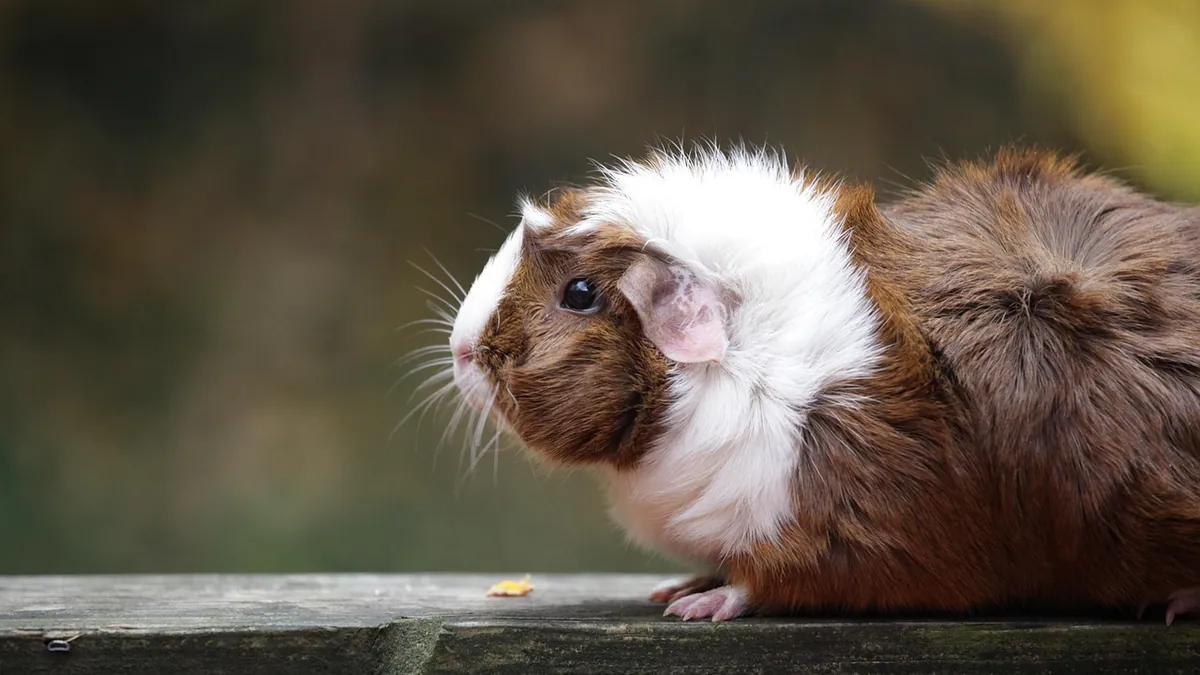
Yes, guinea pigs shed. All guinea pigs lose some hair as part of their normal hair growth cycle, just like other mammals. The question that matters is how much hair you are seeing and whether the skin underneath looks healthy. This article is educational and is not a substitute for veterinary diagnosis or treatment.
Quick Answer
- Light, even shedding is normal. Finding a few loose hairs on your clothes or in the cage is expected.
- Patchy bald spots, crusty skin, or intense scratching are not normal and point to a medical cause.
- Mites are a common cause of hair loss and itching in guinea pigs, and severe infestations can be dangerous [1].
- Hair loss on the flanks and belly of an unspayed female can signal ovarian cysts [2].
- If you see bald patches, scabs, or a guinea pig that is losing weight or acting frantic, book a veterinary visit.
What Normal Shedding Looks Like in Guinea Pigs
Guinea pigs have a continuous hair cycle, so they drop old hairs and grow new ones all year. You may notice a little more shedding during seasonal changes or when you handle your pet. The coat should still look full and even, and the skin should be clean and pale with no flakes, scabs, or redness.
Normal shedding is diffuse. It happens all over the body instead of in one spot. If you part the hair in several places, you should see a uniform coat with no bare patches.
Some guinea pigs also shed more when they are stressed, such as during a car ride or a vet visit. That kind of shedding is temporary and settles down once the animal relaxes.
Is It Normal for Guinea Pigs to Shed? How to Tell the Difference
The best way to answer this for your own pet is to look at the pattern. Run your fingers gently through the coat from head to tail. Check the belly, the flanks, the inner thighs, and behind the ears. These are the areas where problems show up first.
Ask yourself three questions. Is the hair loss spread out or in patches? Does the skin look normal or inflamed? Is your guinea pig comfortable or itchy and restless?
If the coat is slightly thin but the skin is clean and your pet eats, drinks, and behaves normally, you are probably seeing ordinary shedding. If you find bare skin, sores, or a guinea pig that scratches constantly, something else is going on.
Main Causes of Hair Loss in Guinea Pigs
Hair loss in guinea pigs has several causes, and they can look similar at first glance [1]. The table below breaks down the most common ones.
| Cause | Typical clues | How urgent |
|---|---|---|
| Normal shedding | Even hair loss, healthy skin, normal behavior | Not urgent |
| Mites | Intense itching, hair loss on inner thighs, shoulders, and neck, crusting, possible weight loss or frantic behavior | Urgent, can become severe [1] |
| Lice | Itching, hair loss and inflamed skin around the neck and ears, lice visible with a magnifying glass | Urgent, treat promptly [1] |
| Ringworm (fungal infection) | Circular patches, scaly or crusty skin, can spread to people in the home | Urgent, contagious [1] |
| Barbering | Chewed or stubby hair, often on the back or sides, no inflamed skin | See a vet soon [1] |
| Ovarian cysts | Bilateral hair loss on the flanks and belly in an unspayed female, crusty or darkened nipples, a swollen belly | See a vet soon |
| Fighting injuries | Wounds, scabs, or torn hair after a scuffle with a cagemate | Depends on wound severity [1] |
Mites and Lice
Mites are one of the most common reasons a guinea pig loses hair. Some types burrow into the skin and cause intense itching, hair loss, and inflammation, often on the inner thighs, shoulders, and neck [1]. Affected guinea pigs may scratch so hard they develop a bacterial infection in the same area. Some lose weight or act frantic. A severe infestation can cause seizures and death [1].
Mites spread through contact with an infected guinea pig or contaminated bedding [1]. This is why a new guinea pig should be checked before joining your existing pets.
Lice cause similar signs. They can trigger itching, hair loss, and inflamed skin around the neck and ears when the infestation is heavy [1]. You can sometimes see lice on the hair with a magnifying glass [1].
Ringworm and Other Skin Infections
Ringworm is a fungal infection that causes patches of hair loss with scaly or crusty skin [1]. It can pass from guinea pigs to people. One report described a teenager who developed a skin infection after being bitten while breaking up a fight among her three pet guinea pigs, and testing confirmed the fungus came from the animals [3]. Wash your hands after handling your guinea pig, especially if anyone in the home has a rash.
Barbering and Fighting
Barbering means a guinea pig chews its own hair or a cagemate's hair [1]. The hair looks chewed or stubby instead of falling out from the root. The skin underneath usually looks normal. Barbering can be a sign of stress, boredom, or overcrowding, and it can also happen when one guinea pig is bullying another.
Fights can also cause hair loss and wounds [1]. Check for scabs, cuts, or missing patches after introducing a new cagemate.
Ovarian Cysts in Female Guinea Pigs
Cystic ovarian disease is the most common reproductive tract disorder in female guinea pigs [2]. Hair loss from ovarian cysts is usually symmetrical and affects the flanks and the belly [2]. Other signs include crusting, thickening, or darkening of the nipples, a swollen abdomen, a mass you can feel in the middle of the belly, weight gain, reduced appetite, and behavior changes [2]. Some guinea pigs become lethargic or sit hunched [2].
This condition is diagnosed most often with an abdominal ultrasound [2]. The recommended treatment is surgery to remove the ovaries, with or without the uterus [2]. If your unspayed female guinea pig has hair loss on both sides of her belly, ask your veterinarian about ovarian cysts.
Red Flags That Mean You Should Not Wait
Some signs mean your guinea pig needs veterinary care right away. Call your vet or an emergency clinic if you see any of the following.
- Seizures, collapse, or a guinea pig that seems unaware of its surroundings [1]
- Extreme scratching that leaves the skin raw or bleeding [1]
- Open wounds or deep bite injuries from a fight [1]
- Not eating, not drinking, or a sudden drop in weight [1][2]
- Labored breathing, a hunched posture, or a guinea pig that will not move [2]
- Rapidly spreading bald patches, especially with crusting or oozing skin [1]
- Hair loss plus a swollen belly or a mass you can feel [2]
Severe mite infestations can progress to seizures and death, so intense itching is not something to watch at home [1].
What You Can Safely Do at Home While You Wait
You cannot treat mites, lice, ringworm, or ovarian cysts at home. Those need a diagnosis and prescription treatment from a veterinarian. What you can do is keep your guinea pig comfortable and prevent the problem from spreading.
- Keep the cage clean. Remove soiled bedding daily and do a full bedding change often. Good sanitation and low stress help prevent mite infestations [1].
- Wash your hands after handling your guinea pig and before you touch your face or other pets. This matters most if ringworm is a possibility [3].
- Separate guinea pigs if one is bullying or chewing the other's hair. Barbering often improves once the social situation changes [1].
- Do not use over-the-counter flea or mite products made for dogs or cats. Some of these are toxic to guinea pigs. Ask your veterinarian before putting anything on your pet's skin.
- Offer fresh hay, clean water, and a quiet place to rest. A guinea pig that is not eating can decline quickly.
- Take photos of the bald areas and note when you first saw them. This helps your veterinarian track how fast the problem is moving.
If you also have dogs at home and are comparing shedding patterns across species, our articles on dog shedding and hair loss in dogs explain how normal coat cycles differ from medical problems in other pets.
What Your Veterinarian Will Check and Test
Your veterinarian will start with a full physical exam. They will look at the pattern of hair loss, check the skin for crusts and redness, and feel the abdomen for masses or swelling [2]. They will also weigh your guinea pig, since weight loss is a common sign of illness [1][2].
For suspected mites, the veterinarian examines skin scrapings under a microscope [1]. This test looks for the mites themselves or evidence of them in the skin.
For suspected ringworm, they may take a sample of scales or crusts and examine it under a microscope or send it for fungal culture [3].
For a female guinea pig with belly hair loss, an abdominal ultrasound is the most common way to confirm ovarian cysts [2]. Sometimes the diagnosis is made during exploratory surgery [2].
Treatment depends on the cause. Mites are treated with injections or topical medications applied to the skin [1]. Lice are usually treated with topical products [1]. Ovarian cysts are treated with surgery to remove the ovaries [2]. Your veterinarian will calculate any medication dose based on your guinea pig's weight and overall health, so never guess at a dose on your own.
Preventing and Monitoring Hair Loss
Good husbandry prevents many skin problems. Keep the cage clean and dry, replace bedding regularly, and reduce stress where you can [1]. A clean environment lowers the risk of mites and lice [1].
Quarantine new guinea pigs before introducing them to your existing pets. Mites and lice spread through direct contact and contaminated bedding [1].
Weigh your guinea pig every week or two and write down the number. A slow drop in weight is often the first sign that something is wrong, sometimes before you notice hair loss [1][2].
Check the coat and skin during every handling session. Part the hair on the flanks, belly, and behind the ears. Catching a small bald patch early makes treatment easier.
If you are thinking about adding another small pet to your home, our comparison of guinea pigs and rabbits covers housing, diet, and care differences that affect skin and coat health.
Limitations and When to Contact a Veterinarian
This article covers common patterns, but every guinea pig is an individual. Only a veterinarian who examines your pet can tell you what is causing the hair loss and how to treat it.
Contact a veterinarian the same day if your guinea pig has bald patches that are spreading, skin that is crusty, red, or oozing, or intense itching that interferes with eating or sleeping [1]. These signs suggest mites, lice, or a fungal infection that needs prescription treatment.
Go to an emergency clinic right away if your guinea pig has seizures, is collapsed, is struggling to breathe, has open wounds from a fight, or has stopped eating entirely [1][2]. Severe mite infestations can cause seizures and death, and a guinea pig that stops eating can deteriorate within hours [1].
Schedule a routine visit soon if you notice gradual hair thinning on the flanks and belly of an unspayed female, a swollen abdomen, or crusty nipples [2]. These signs point toward ovarian cysts, which are best treated before they cause serious illness [2].
Frequently Asked Questions
Do guinea pigs shed a lot?
Most guinea pigs shed a small amount continuously, and the coat stays full and even. Heavy shedding with visible bald spots is not typical and should be checked by a veterinarian. The amount varies by individual, season, and stress level.
Why is my guinea pig losing hair in patches?
Patchy hair loss usually means an underlying problem such as mites, lice, ringworm, barbering, or ovarian cysts [1][2]. The location of the patches helps narrow it down. Hair loss on the flanks and belly of an unspayed female points toward ovarian cysts [2].
Can I treat my guinea pig's hair loss at home?
No. Mites, lice, and fungal infections need a proper diagnosis and prescription treatment from a veterinarian [1]. Some over-the-counter products sold for other species are toxic to guinea pigs. Keep the cage clean and call your vet instead.
Is hair loss from mites contagious to my other guinea pigs?
Yes. Mites spread through contact with an infected guinea pig or contaminated bedding, so cagemates are at risk [1]. Lice spread in similar ways [1]. Your veterinarian may recommend treating all guinea pigs in the home at the same time.
Can ovarian cysts cause hair loss in guinea pigs?
Yes. Cystic ovarian disease commonly causes hair loss on both flanks and the belly in female guinea pigs [2]. Other signs include a swollen abdomen, crusty or darkened nipples, and weight changes [2]. Ultrasound is the usual way to confirm the diagnosis, and surgery is the recommended treatment [2].
Related Articles
- Guinea Pig vs Rabbit: Which Pet Is Right for You?
- Why Is My Guinea Pig Shedding So Much?
- Why Is My Guinea Pig Losing Hair? Causes and Fixes
- Do Guinea Pigs Have Hair or Fur? Coat Facts
References
- Skin Problems of Guinea Pigs - All Other Pets. Merck Veterinary Manual.
- Updates on Cystic Ovarian Disease in Guinea Pigs. The veterinary clinics of North America. Exotic animal practice, 2025.
- Inflammatory-Type Tinea Corporis from Trichophyton mentagrophytes Animal Type 3 with Suspected Infection from a Guinea Pig. Medical mycology journal, 2026.