How Long Do Rabbits Molt? Shedding Cycles and Coat Care
By Dr. Zubair Khalid, DVM, MS, PhD ·
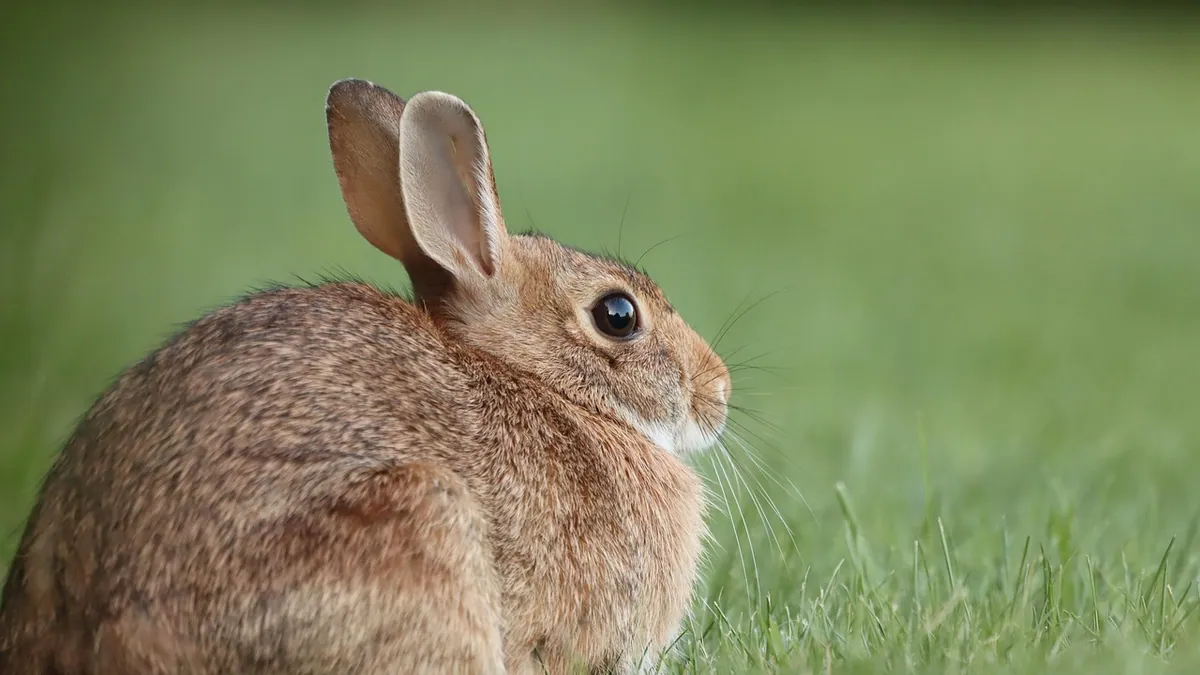
Most rabbits molt in cycles that last about 2 to 6 weeks, with two heavy sheds each year in spring and fall and lighter shedding in between. The exact timing depends on light, temperature, breed, and whether your rabbit lives indoors. This article explains how long do rabbits molt for, how to manage the shedding, and how to tell a normal molt from a skin problem.
This article is educational and is not a substitute for veterinary diagnosis or treatment.
Quick Answer
- A normal molt runs roughly 2 to 6 weeks, and most rabbits have a big shed in spring and another in fall.
- Indoor rabbits under steady artificial light and heat often shed in smaller amounts all year instead of two dramatic blows.
- Brush your rabbit several times a week during a molt, and daily during the heaviest days, to remove loose fur before it is swallowed.
- Rabbits cannot vomit, so swallowed hair can collect in the stomach and slow the gut, which is a medical emergency.
- Bald patches, crusty skin, intense itching, or weight loss are not normal molting and need a veterinary visit.
What a Normal Rabbit Molt Looks Like
A molt is the natural replacement of a rabbit's coat. Old hairs loosen and drop out while new hairs grow in underneath. The coat can look patchy, dull, or uneven for a week or two, and you may see fur tufts sticking out at the sides and rear.
The hair follicle moves through growth, transition, and rest phases. In Rex rabbits, researchers mapped these stages across 3 to 5.5 months of age and found the anagen (growth) phase, catagen (transition), and telogen (rest) phases each have distinct patterns of gene activity in the skin [1]. That cycle is normal biology, not a disease.
Most owners notice shedding as loose fur in the litter box, on bedding, on clothes, and in the air. Some rabbits also develop a temporary "skirt" of loose fur around the flanks and hindquarters.
How Long Do Rabbits Molt For?
The short answer is 2 to 6 weeks per molt for most pet rabbits. A few rabbits finish in 10 days. Others, especially long-haired breeds, can take 6 to 8 weeks to fully blow their coat.
Two main factors change the timeline.
Light. Rabbits shed in response to changing day length. As days lengthen in spring, the winter coat drops. As days shorten in fall, the summer coat drops.
Temperature and environment. Rabbits exposed to warmer conditions change their posture and behavior, spending more time sprawled and less time grooming and exploring [2]. A rabbit that is hot and uncomfortable may groom less, which lets loose fur build up on the coat.
Indoor rabbits often live under constant light and stable temperatures. Their bodies get weaker seasonal signals, so many shed lightly all year with only mild seasonal peaks.
Young rabbits go through a first major molt as they lose their baby coat, usually between 4 and 7 months of age. This molt can look dramatic and uneven, and it is normal.
A Step-by-Step Plan for Managing a Heavy Shed
Step 1: Brush before the fur becomes a problem
Brush your rabbit 3 to 4 times a week as shedding starts, then daily during the heaviest 1 to 2 weeks. Use a soft slicker brush or a rubber grooming mitt for short coats. Use a wide-tooth comb plus a slicker for long coats, working in small sections.
Short sessions work better than long ones. Two 5-minute sessions a day beat one 15-minute session, and your rabbit is less likely to get restless.
Step 2: Remove loose fur by hand
Run damp hands over the coat, then peel off the loose fur that collects. This is gentle and works well on rabbits that dislike brushes. It also lets you feel for mats, scabs, or lumps you might otherwise miss.
Step 3: Check the rear end and belly daily
Loose fur collects around the tail, genitals, and belly. Matted fur there traps moisture and urine and can lead to skin infection. Trim mats carefully with blunt-tipped scissors, or ask your veterinarian or a groomer to do it.
Step 4: Keep hay in front of your rabbit at all times
Hay keeps the gut moving and helps push swallowed hair through. A rabbit that stops eating hay during a molt is at higher risk of a slowdown. Fresh grass hay should be the largest part of the diet every day.
Step 5: Push water intake
Offer fresh water in a bowl and a bottle if your rabbit uses both. Well-hydrated rabbits move ingesta through the gut more easily.
Step 6: Watch the litter box
Count droppings. A normal rabbit produces a steady, generous output. Smaller, fewer, or absent droppings during a molt are a warning sign, not a wait-and-see situation.
Step 7: Consider a molt-specific grooming routine
If your rabbit has a dense undercoat, a deshedding tool used gently once or twice a week can pull out far more loose fur than a standard brush. Stop if the skin reddens.
For breed-specific coat, nail, and ear routines, see Rabbit Grooming: Coat, Nail, and Ear Care for Different Breeds. For general handling and grooming basics, see Grooming Your Pet Rabbit.
Molt Care Schedule and Checklist
| Timeframe | What to do | What to watch |
|---|---|---|
| Start of molt (week 1) | Brush 3 to 4 times weekly, damp-hand the coat, check rear end daily | Dropping size and number, appetite, energy |
| Peak shed (weeks 2 to 4) | Brush daily, deshed 1 to 2 times weekly, trim mats | Bald patches, red or crusty skin, itching |
| Taper (weeks 4 to 6) | Brush every other day, then return to weekly | Coat growing back evenly, no new bare spots |
| Off-cycle shedding | Weekly brushing, daily rear-end check | Year-round shedding with no bald spots is normal |
| Any time | Unlimited hay, fresh water, daily litter box check | No droppings for 12 hours, hunched posture, tooth grinding |
Preventing Hairballs and GI Stasis During a Molt
Rabbits groom themselves constantly, so they swallow a lot of loose hair. Unlike cats, rabbits cannot vomit. Hair that stays in the stomach can bind with food and hair to form a mass, and a mass plus poor hydration or a low-fiber diet can slow or stop the gut. This is called gastrointestinal stasis, and it is life threatening.
The best prevention is simple. Brush off the loose fur before your rabbit swallows it. Feed unlimited grass hay. Keep water available at all times. Keep treats small and rare so hay stays the main food.
Some owners give a small amount of canned pumpkin or a rabbit-safe hairball remedy during heavy sheds. Ask your veterinarian before adding any supplement, and never give a dose you found online. Your veterinarian calculates any dose from your rabbit's weight and health.
If your rabbit stops eating, stops producing droppings, sits hunched, or grinds its teeth, treat it as an emergency. Call your veterinarian right away.
When Shedding Is Not Normal
A molt should not leave bare skin. It should not itch intensely. It should not come with crusts, dandruff that looks like thick scales, or a dull coat that never recovers.
Mites
Fur mites cause intense itching, dandruff, and patchy hair loss, often starting on the back and neck. The skin may look scaly and irritated. Mites are diagnosed by a veterinarian, usually with a skin scraping or tape prep, and treated with prescription medication. Over-the-counter products are often ineffective or unsafe for rabbits.
Ringworm
Ringworm is a fungal infection that causes round, crusty, bald patches, often on the face, ears, and limbs. It can spread to people and other pets in the home. A veterinarian confirms it with a fungal culture or a Wood's lamp exam and prescribes treatment. Wash your hands after handling your rabbit, and clean bedding and cages thoroughly.
Other causes of hair loss
Hair loss can also come from barbering (a rabbit chewing its own or a cagemate's fur), urine scalding, abscesses, or hormonal disease. A rabbit that is losing fur without the patchy, tufted look of a normal molt needs an exam.
Signs that point to GI stasis
- No droppings for 12 hours or more
- Droppings that are small, few, or strung together with hair
- Refusing food, especially hay
- Hunched posture, pressing the belly to the floor
- Tooth grinding, which signals pain
- Cold ears, weakness, or collapse
Any of these signs means a same-day veterinary visit. Collapse, labored breathing, or a rabbit that will not move is an emergency now.
Common Mistakes Owners Make
Brushing too little during the peak. The heaviest 1 to 2 weeks of a molt are when most hair is swallowed. Daily brushing during that window matters most.
Bathing a rabbit to remove loose fur. Rabbits should not be bathed unless a veterinarian tells you to. Water and stress can chill a rabbit, and wet fur mats badly. Spot-clean with a damp cloth instead.
Cutting mats with sharp scissors. Rabbit skin is thin and tears easily. Use blunt-tipped scissors and cut parallel to the skin, or let a professional handle it.
Assuming a bald patch is just a molt. Bald skin, crusts, or itching point to mites, ringworm, or another problem. Get it checked.
Waiting when droppings slow down. GI stasis gets worse by the hour. Early treatment is far more successful than waiting a day.
Giving hairball paste instead of brushing. No product replaces removing loose fur from the coat.
Skipping hay because the rabbit seems fine. Hay is the single most important part of molt care. It keeps the gut moving.
Supplies and Setup That Actually Help
Keep a small grooming kit within reach. You need a soft slicker brush, a wide-tooth comb, a rubber grooming mitt, blunt-tipped scissors, and a container for the fur you remove.
Set up a grooming spot that is quiet and low to the ground. Rabbits are prey animals and dislike being lifted. Groom on a towel on the floor, with one hand supporting the chest and the other doing the brushing.
Check the litter box twice a day during a molt. Scoop and look at the droppings. This takes 30 seconds and is the best early warning system you have for gut problems.
Keep hay fresh and topped up. Stale hay gets ignored. Offer a new handful at least twice a day.
If your rabbit lives outdoors, provide shade and ventilation during warm weather. Rabbits in warmer conditions spend more time sprawled and less time grooming and exploring [2], so they may need more help from you to clear loose fur.
If you are thinking about adding a second rabbit, remember that lifespan and long-term care planning matter. See How Long Do Rabbits Live as Pets? for a realistic picture of the commitment.
Limitations and When to Contact a Veterinarian
This article covers normal molting and general coat care. It cannot tell you what is happening with your individual rabbit. Every case needs a veterinarian who can examine the skin, check the teeth, feel the abdomen, and run tests if needed.
Contact your veterinarian the same day if you see:
- No droppings for 12 hours or more
- Refusing food or water
- Hunched posture, tooth grinding, or a bloated belly
- Bald patches, crusty skin, or intense itching
- Matted fur soaked with urine
- Weight loss or a sudden drop in energy
Go to an emergency clinic now if your rabbit is collapsed, breathing hard, cold to the touch, or unresponsive.
Book a routine visit if shedding lasts longer than 8 weeks, if the coat never grows back evenly, or if you see recurring skin problems.
Frequently Asked Questions
Do rabbits molt all year round?
Many indoor rabbits shed lightly all year because steady artificial light and stable temperatures blur the seasonal signals that trigger a full molt. Outdoor rabbits usually follow a clearer pattern with two heavy sheds. Year-round light shedding with a healthy coat and normal droppings is not a concern.
How can I tell a molt from mites?
A normal molt leaves an uneven but intact coat with no bare skin and no intense itching. Mites cause dandruff, crusting, redness, and patchy hair loss, and the rabbit scratches constantly. If you see bare skin or scaly patches, have your veterinarian check for mites.
Should I change my rabbit's diet during a molt?
Keep the diet the same and make sure hay is unlimited. Fiber and water are what move swallowed hair through the gut. You can ask your veterinarian whether any supplement is appropriate for your rabbit, but do not add one on your own.
Can I bathe my rabbit to remove loose fur?
No. Bathing a rabbit is stressful, causes chilling, and makes fur mat. Use brushing, damp hands, and a damp cloth for spot cleaning. If your rabbit is heavily soiled, ask your veterinarian how to handle it safely.
How often should I brush a long-haired rabbit?
Long-haired breeds need brushing most days, and daily during a molt. Short-haired rabbits do well with 3 to 4 sessions a week, increased to daily at the peak. Always check the belly and rear end, where mats form first.
Related Articles
- How Long Do Rabbits Live as Pets?
- Grooming Your Pet Rabbit
- Rabbit Grooming: Coat, Nail, and Ear Care for Different Breeds
- Is It Normal for Rabbits to Shed? What to Expect
- Why Is My Rabbit Losing So Much Fur?
- Is It Normal for Rabbits and Guinea Pigs to Shed a Lot?
References
- Whole-transcriptome analysis reveals the profiles and roles of coding and non-coding RNAs during hair follicle cycling in Rex rabbits. BMC genomics, 2025.
- Impact of different controlled temperature and humidity conditions on the behaviour, posture and spatial needs in fattening rabbits. Frontiers in veterinary science, 2025.