Hunched Sick Rabbit Posture: What It Means
By Dr. Zubair Khalid, DVM, MS, PhD ·
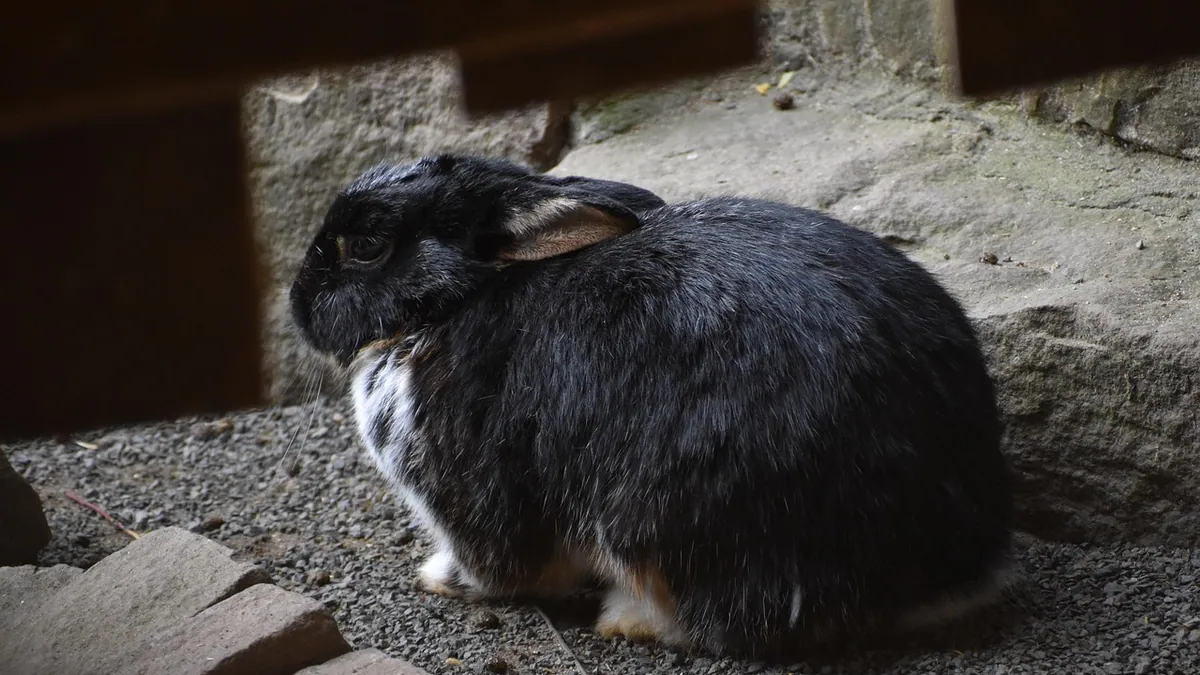
A hunched sick rabbit posture means your rabbit is sitting with its back arched, head tucked low, and belly pressed toward the floor. Rabbits do this when they are in pain or feeling very ill, and they often hide other signs until they can no longer cope [1]. If your rabbit is holding this position and not moving normally, treat it as a medical concern that needs prompt attention.
This article is educational and is not a substitute for veterinary diagnosis or treatment.
Quick Answer
- A hunched posture is a classic pain sign in rabbits, often seen alongside teeth grinding and reduced appetite [1].
- Rabbits hide illness well, so a visible posture change usually means the problem is already significant [1].
- Common triggers include digestive stasis, dental pain, abdominal problems, and heat stress.
- Stop all treats and sugary foods, keep your rabbit warm and quiet, and offer fresh hay and water.
- Call your veterinarian or an emergency clinic the same day. Do not wait to see if it passes.
What a Hunched Sick Rabbit Posture Looks Like
A healthy rabbit at rest looks relaxed. It may sit in a "loaf" position with its legs tucked, but its back stays fairly level, its ears are up or relaxed, and it will hop over to investigate food or you.
A rabbit in pain looks different. The back arches into a rounded hump. The head drops low, sometimes almost touching the floor. The front legs may be braced, and the belly can look pressed against the ground. The rabbit often sits in a corner or against a wall and stops grooming.
Other pain signs often show up at the same time. These include grinding the teeth, which can sound like a soft crunching or clicking, and sitting in a hunched posture [1]. Some rabbits also squint, breathe faster, or refuse to move even when tempted with a favorite treat.
Why Rabbits Hide Pain
Rabbits are prey animals. In the wild, showing weakness invites predators. That instinct carries over into your home, so a rabbit will act normal until it truly cannot. By the time you see a hunched posture, your rabbit has likely been uncomfortable for a while [1].
This is why small changes matter. If your rabbit is quieter than usual, eating less, or producing smaller poop, those clues plus a hunched back point to a real problem.
Main Causes of a Hunched Posture in Rabbits
Many conditions can cause this posture. The table below groups the most common ones and how quickly they need care.
| Cause | Typical clues | How urgent |
|---|---|---|
| Gastrointestinal stasis | Not eating, small or no poop, teeth grinding, hunched belly | Emergency, same day |
| Dental disease | Drooling, dropping food, weight loss, wet chin | Urgent, within 24 hours |
| Abdominal pain from torsion or masses | Sudden severe pain, lethargy, no appetite, bloated belly | Emergency now |
| Abscesses | Firm swelling under the skin, in the jaw, or inside the body | Urgent, needs surgery and long-term antibiotics [2] |
| Heatstroke | Heavy breathing, hot ears, lying flat, drooling | Emergency now [2] |
| Encephalitozoonosis | Head tilt, rolling, tremors, seizures | Urgent, needs lab testing [2] |
| Uterine cancer in unspayed females | Weight loss, blood spots, straining, lethargy | Urgent, often fatal if spread [2] |
| Post-surgical pain | Hunched posture after a procedure, not eating | Call the vet the same day [1] |
Digestive Problems
Gastrointestinal stasis is one of the most common reasons a rabbit hunches. The gut slows or stops moving, gas builds up, and the belly hurts. A composite pain scale used in rabbits with gastrointestinal stasis syndrome showed clear differences between healthy rabbits and those in pain, which confirms that this condition causes measurable discomfort [3].
If your rabbit is hunched and has not pooped in several hours, that combination is serious. Read more about the early warning signs in Rabbit GI Stasis Signs.
Abdominal Emergencies
Some causes of belly pain are sudden and life threatening. A twisted liver lobe can cause acute abdominal pain, lethargy, and loss of appetite, and one reported case ended in sudden death from gastric rupture even after surgery [4]. A twisted testicle inside the belly is another acute condition that needs surgery [5]. A perforated colon can leak bacteria into the abdomen and cause severe infection [6].
These cases are rare, but they show why a hunched rabbit with sudden severe pain should never wait until morning.
Dental and Jaw Problems
Rabbit teeth grow continuously. When they do not wear down evenly, sharp points form and cut into the cheeks and tongue. Chewing hurts, so the rabbit eats less, sits hunched, and may drool. Abscesses can also form in the jaw, and rabbit pus is thick and drains poorly, so treatment usually means surgery plus long-term antibiotics [2].
Nervous System Disease
Encephalitozoonosis is a common protozoal infection in rabbits that often affects the kidneys and brain. It can cause head tilt, rolling, seizures, and tremors, and it spreads through contact with infected urine [2]. A rabbit with these signs may also hunch from pain or disorientation. For a full look at head tilt, see Rabbit Head Tilt: Vestibular Localization, Diagnostic Workup, and Supportive Care.
Cancer and Reproductive Disease
The most common tumor in rabbits is uterine adenocarcinoma, a malignant cancer of the uterus. Risk rises with age, and the cancer often spreads to the lungs and liver, where it is usually fatal [2]. Many veterinarians recommend spaying female rabbits at 5 to 6 months old or later to prevent it [2]. An unspayed female who hunches, strains, or loses weight needs a veterinary exam.
Heatstroke
Rabbits handle heat poorly. If your rabbit is hunched, breathing hard, and feels hot, it may be overheating. Wet your rabbit's ears with cool water, place it near a fan, and call a veterinarian or emergency clinic right away [2].
Red Flags That Mean Emergency Care Now
Some signs mean you should skip the wait and go straight to an emergency clinic.
- Sudden hunched posture with a hard, bloated belly
- No poop for 12 hours or more, or no eating at all
- Open-mouth breathing, gasping, or blue gums
- Collapse, seizures, rolling, or a sudden head tilt
- Body temperature that feels very hot or very cold to the touch
- Blood in the urine, stool, or around the genitals
- A rabbit that cries out or cannot be comforted
Any one of these is enough to act. Rabbits can decline fast, and hours matter.
What You Can Safely Do at Home While You Wait
Home care does not replace a vet visit. It only keeps your rabbit stable until you get there.
Keep it calm and warm. Put your rabbit in a quiet, dim area away from other pets and noise. A mildly warm room helps, but do not overheat a rabbit that may already be too hot.
Offer fresh hay and water. Do not force food or water into your rabbit's mouth. That can cause choking or make things worse. Just make hay and a water bowl easy to reach.
Skip sugary treats. Fruit and starchy treats can worsen gut problems. Plain hay is the safest thing to offer.
Do not give human pain medicine. Never give ibuprofen, acetaminophen, or aspirin. Rabbit dosing is completely different, and some of these drugs are toxic. Your veterinarian will calculate the correct dose from your rabbit's weight and health.
Track the basics. Write down the last time your rabbit ate, drank, and pooped. Note the size and number of droppings. This information helps your vet a lot.
Use a gentle carrier. A towel-lined carrier keeps your rabbit secure on the way in. Avoid picking it up more than needed, since handling can hurt a sore belly.
If your rabbit also has breathing trouble, keep the carrier quiet and well ventilated. You can read about respiratory signs in Rabbit Care: Respiratory Infection Symptoms & Antibiotic Protocol.
What Your Veterinarian Will Check and Test
Your vet will start with a full physical exam. They will check your rabbit's weight, hydration, teeth, belly, and temperature. They will also watch how your rabbit moves and breathes.
Next comes a set of common tests.
- Blood work to check organ function and look for infection or inflammation
- X-rays to look for gas, blockages, or masses in the belly and chest
- Ultrasound to get a closer look at organs and fluid
- Fecal testing to check for parasites
- Lab testing for encephalitozoonosis if nervous system signs are present [2]
Imaging is often the fastest way to find the cause. In one case, radiography and ultrasound found a twisted liver lobe, gastric dilation, and abdominal fluid before surgery [4]. In another, ultrasound revealed an ectopic testicle with necrosis and torsion [5]. These tools help vets decide whether surgery is needed right away.
Your vet may also use a pain scale to grade how uncomfortable your rabbit is. A composite scale designed for rabbits has been used to measure abdominal pain and how it changes after pain medicine [3]. This helps guide treatment.
If surgery is needed, keep one thing in mind. Rabbits should not be fasted for long periods before surgery, because fasting can disrupt normal gut movement. They also cannot vomit. After surgery, hay and water are usually offered soon after the rabbit wakes up, and pain medicine is often used for 1 to 2 days to help them keep eating [1].
Prevention and Monitoring
You cannot prevent every illness, but you can lower the odds and catch problems early.
Feed a hay-first diet. Unlimited grass hay keeps teeth worn down and the gut moving. This single habit prevents many of the problems that cause a hunched posture.
Weigh your rabbit weekly. A kitchen scale catches small drops in weight before they become obvious. Weight loss is an early clue for dental disease and cancer [2].
Check droppings daily. Scoop the litter box and look. Fewer, smaller, or misshapen droppings are an early warning.
Keep the environment cool. Heatstroke is preventable. Shade, airflow, and cool tiles help in summer [2].
Schedule wellness exams. Regular checkups catch dental points, heart issues, and other problems early. See Rabbit Preventive Care: Wellness Exams, Vaccinations, and Diet for a schedule.
Spay female rabbits. Spaying greatly reduces the risk of uterine cancer, which is the most common tumor in this species [2].
Watch senior rabbits closely. Older rabbits slow down and hide pain well. Learn what to expect in Rabbit Lifespan and Aging: Caring for Senior Rabbits.
Keep the habitat clean. Good sanitation helps prevent the spread of encephalitozoonosis through infected urine [2].
Limitations and When to Contact a Veterinarian
This article cannot tell you what is wrong with your specific rabbit. Only a veterinarian who examines your rabbit can do that. Individual cases need a veterinarian, and the timing below is a guide, not a diagnosis.
Call an emergency clinic now if your rabbit is hunched with a bloated belly, is not breathing normally, has collapsed, is having seizures, or has not eaten or pooped for many hours. Heatstroke is also an emergency, so wet the ears with cool water, use a fan, and call right away [2].
Call your veterinarian the same day if your rabbit is hunched but still alert, is eating much less than normal, has smaller droppings, is drooling, or is showing any new pain sign such as teeth grinding [1].
Schedule a routine visit if you notice gradual weight loss, mild changes in appetite, or a slow decline in activity over days to weeks. These can point to dental disease, cancer, or other chronic problems that need testing [2].
Frequently Asked Questions
How long can a rabbit stay hunched before it becomes dangerous?
A hunched posture itself is not the danger. The cause is. If your rabbit is hunched and has stopped eating or pooping, the situation can become serious within hours. Call your vet the same day instead of waiting to see if it improves.
Can a hunched posture be normal for rabbits?
A relaxed "loaf" position with a level back is normal. A true hunched posture with an arched back, tucked head, and pressed belly is not. If your rabbit holds that position for more than a short rest, treat it as a pain sign.
Does a hunched rabbit always have stomach problems?
No. Digestive stasis is common, but dental pain, abscesses, cancer, nervous system disease, heatstroke, and post-surgical pain can all cause it. Your vet will use an exam and testing to sort out the cause.
Should I force-feed a hunched rabbit?
No. Never force food or water into your rabbit's mouth. It can cause choking and make the underlying problem worse. Offer hay and water and let your veterinarian decide on feeding support.
Can I give my rabbit pain medicine at home?
No. Never give human pain relievers such as ibuprofen, acetaminophen, or aspirin. Some are toxic to rabbits, and the correct drugs and doses must come from your veterinarian based on your rabbit's weight and health.
Related Articles
- Rabbit Head Tilt: Vestibular Localization, Diagnostic Workup, and Supportive Care
- Rabbit Care: Respiratory Infection Symptoms & Antibiotic Protocol
- Rabbit GI Stasis Signs
- Rabbit Lifespan and Aging: Caring for Senior Rabbits
- Rabbit Preventive Care: Wellness Exams, Vaccinations, and Diet
- Wellness Examinations in Small Mammals
- Sick Bunny Body Language: What to Look For
- Why Is My Rabbit Laying Down So Much? Rest or Illness
- Why Is My Rabbit Lying on Its Side and Not Moving?
References
- Illness of Rabbits - All Other Pets. Merck Veterinary Manual.
- Disorders Affecting Multiple Body Systems of Rabbits - All Other Pets. Merck Veterinary Manual.
- A composite scale to recognize abdominal pain and its variation over time in response to analgesia in rabbits. Veterinary anaesthesia and analgesia, 2022.
- Left medial liver lobe torsion and postoperative acute gastric rupture in a 2.5-year-old male-castrated Flemish Giant rabbit (Oryctolagus cuniculus). Veterinary radiology & ultrasound : the official journal of the American College of Veterinary Radiology and the International Veterinary Radiology Association, 2024.
- Intra-abdominal torsion of a cryptorchid testicle associated with teratoma in a rabbit (Oryctolagus cuniculus): A case report. Veterinary and animal science, 2026.
- Pneumoperitoneum Secondary to Colonic Perforation in a Domestic Rabbit. Animals : an open access journal from MDPI, 2026.