Sick Bunny Body Language: What to Look For
By Dr. Zubair Khalid, DVM, MS, PhD ·
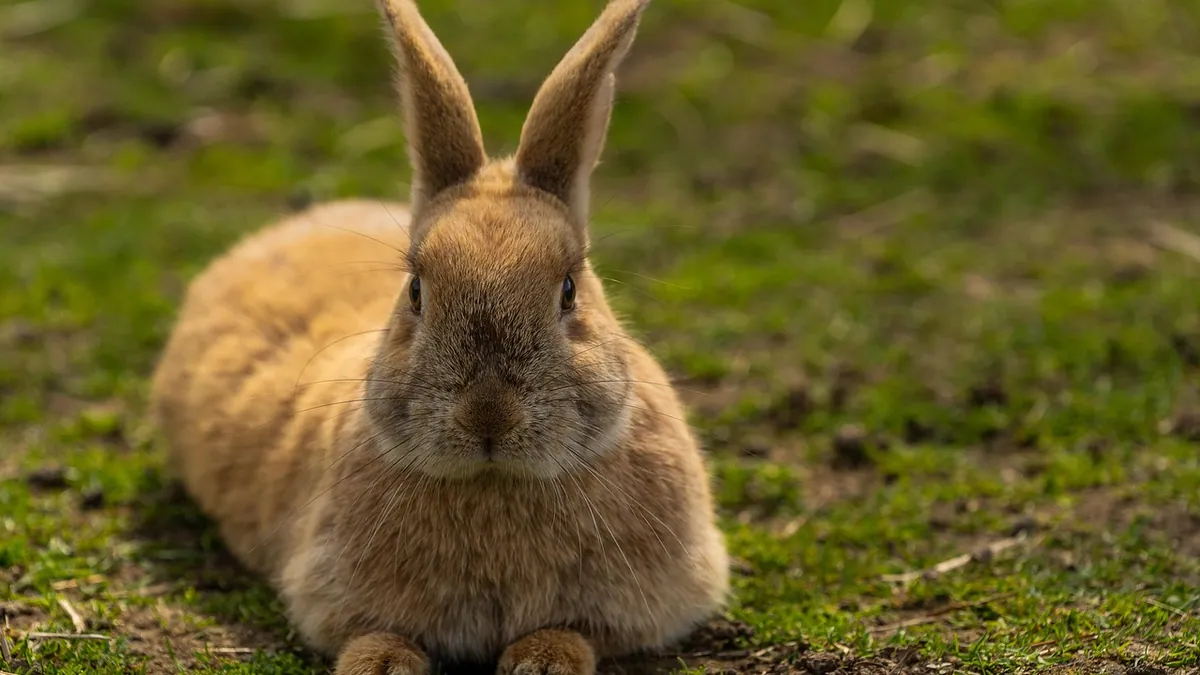
A sick rabbit often looks quiet before it looks obviously ill. The most common sick rabbit body language signs are a hunched or pressed-to-the-floor posture, hiding, teeth grinding, and a stop in normal grooming. Rabbits hide illness well because they are prey animals, so small changes in posture and routine matter.
This article is educational and is not a substitute for veterinary diagnosis or treatment.
Quick Answer
- A hunched, tucked posture with the belly pressed low and eyes partly closed is a classic pain or illness sign.
- A rabbit that stops grooming, stops eating, or leaves a messy rear end needs a same-day vet call.
- Warmth changes posture too. Rabbits sprawl more in heat and groom and explore less [1].
- Rabbits held or stroked by an unfamiliar person can freeze in a tense posture and hold their ears back, which is stress, not comfort [2].
- Any rabbit that is not eating, not passing droppings, or is rolling or tilting its head is an emergency.
What Normal Rabbit Body Language Looks Like
Before you can spot a sick bunny, you need a baseline. Healthy pet rabbits are usually quiet, social, and playful when handled gently [3]. A relaxed rabbit rests with its hind legs stretched out or tucked loosely, its ears up or relaxed, and its eyes open and bright.
Normal grooming happens many times a day. Rabbits wash their face, ears, and body, and they keep their rear end clean. A rabbit that suddenly looks scruffy, has matted fur, or has droppings stuck to its bottom has changed its routine.
Rabbits also have a normal "freeze" when startled. That lasts seconds. A sick rabbit holds a tense or hunched position for long stretches.
If you want a deeper baseline on ear position, thumping, and happy vs. stressed signals, see Understanding Rabbit Behavior: Body Language and Vocalizations.
Sick Rabbit Body Language: What the Signs Look Like
Hunched posture
A hunched rabbit sits with its back rounded, head low, and belly pressed toward the floor. The front legs may be tucked under the chest. This posture often means abdominal pain or general discomfort.
A study on automated pain recognition in rabbits used both facial area and body posture to detect acute postoperative pain, and the model reached accuracy above 87% [4]. That tells you posture is a real, measurable pain signal, not something owners imagine.
Hiding and reduced activity
A rabbit in pain often hides in a corner, under furniture, or in its hide box. It may sit facing the wall. In warm conditions, rabbits become less active and spend more time in inactive postures [1]. If your rabbit is hiding and also off its food, treat it as a medical problem, not a mood.
Tense posture during handling
Rabbits are stressed by handling from unfamiliar people. In one study, rabbits spent an average of 8.4 minutes of a 10-minute session in a tense posture when stroked by an unfamiliar person, and their stress hormone rose significantly [2]. If your rabbit goes rigid, flattens, or holds its ears back during handling, it may be stressed or painful.
Changes in grooming
A healthy rabbit grooms often. A sick rabbit stops. You may see a dull coat, flaky skin, or a soiled rear end. Loss of grooming is one of the earliest changes owners notice.
Eye and ear changes
Sick rabbits often have partly closed or squinted eyes. Ears may be held flat back or droop. These are subtle, so compare your rabbit to how it looked last week.
Teeth grinding and vocalizing
Soft tooth purring can be contentment. Loud, grinding tooth sounds with a hunched body usually mean pain. Some rabbits also grunt or squeal.
Main Causes Behind These Signs
| Cause | Typical clues | How urgent |
|---|---|---|
| Dental disease or jaw abscess | Drooling, dropping food, weight loss, swelling on the jaw. Rabbit pus is thick and drains poorly, so treatment usually needs surgery plus long-term antibiotics, and recurrence is common [5]. | Same-day to urgent |
| Gastrointestinal stasis | Not eating, small or no droppings, hunched belly, teeth grinding | Emergency |
| Heatstroke | Heavy panting, sprawled posture, weakness in warm weather. Rabbits sprawl more as temperature rises [1]. | Emergency |
| Encephalitozoonosis | Head tilt, rolling, seizures, tremors. It spreads through infected urine and from mother to fetus, and diagnosis needs lab testing [5]. | Urgent |
| Uterine cancer in unspayed does | Bloody discharge, weight loss, enlarged belly. Uterine adenocarcinoma is the most common rabbit tumor and often spreads to the lungs and liver [5]. | Urgent |
| Stress from handling or a new person | Tense posture, ears back, freezing during touch [2] | Monitor, reduce handling |
| Pain after surgery or injury | Hunched posture, reduced movement, squinted eyes [4] | Same-day |
Some causes overlap. A rabbit with a jaw abscess may also stop eating, which then triggers gut stasis. That is why a hunched rabbit needs a vet exam instead of home watching.
Red Flags That Mean Emergency
Call an emergency clinic right away if you see any of these.
- No eating for 12 hours or more, or no droppings for 12 hours.
- Rolling, circling, or a sudden head tilt. These point to nervous system disease such as encephalitozoonosis [5].
- Heavy panting, drooling, or collapse in warm weather. If you suspect heatstroke, wet your rabbit's ears with cool water, place it near a fan, and call a veterinarian or emergency clinic immediately [5].
- Loud tooth grinding with a hunched body.
- Labored breathing or blue-tinged gums.
- A swollen jaw, face, or limb.
- Bloody urine or vaginal discharge in an unspayed female.
- Seizures or tremors [5].
Safe Things You Can Do at Home While Waiting
Home care does not replace a vet visit. It buys time and keeps your rabbit stable.
Keep it warm and quiet. Move your rabbit to a calm, dim area away from other pets and noise. Stress makes pain and illness worse [2].
Offer favorite foods and water. Try hay, fresh greens, and a shallow water bowl. Do not force food into the mouth, which can cause choking.
Do not give human pain medicine. Never give ibuprofen, acetaminophen, or aspirin. Your veterinarian calculates any drug dose from your pet's weight and health.
Check the rear end. Gently look for soiled fur, which signals diarrhea or poor grooming. Clean only what comes off easily with a warm damp cloth.
Track output. Count droppings and note their size and number. Bring this information to the vet.
Limit handling. A painful rabbit may struggle or freeze. Use a towel and keep sessions short [2].
For suspected heatstroke, cool first. Wet the ears with cool water, use a fan, and call for help immediately [5].
What Your Veterinarian Will Check and Test
A rabbit exam starts with observation. Your vet watches posture, gait, and behavior before touching your rabbit. This matters because rabbits change posture when stressed by handling [2].
The neurological exam in rabbits is adapted from dogs and cats. Some tests, such as the menace response and certain hind limb placing reactions, are not consistently elicitable in healthy rabbits, while the wheelbarrow test, hemiwalking, and the righting response are performed reliably [6]. Your vet uses these to localize problems in the brain or spine.
Expect these steps:
- Weight and body condition. Weight loss is a major clue for dental disease and cancer.
- Mouth and jaw exam. Your vet looks for overgrown cheek teeth, drooling, and abscesses. Abscesses can sit under the skin, in the jaw, or in internal organs [5].
- Abdominal palpation. This checks for gas, a full bladder, or masses.
- Blood work and urine testing. These help diagnose infections such as encephalitozoonosis, which needs lab testing [5].
- Imaging. X-rays can check the chest for spread before surgery in suspected uterine cancer [5].
- Fecal testing. This checks for parasites and abnormal bacteria.
Treatment depends on the cause. Abscesses often need surgery plus long-term antibiotics [5]. Nervous system disease from encephalitozoonosis may improve with anti-inflammatory and antiprotozoal medicines, but no treatment guarantees a cure [5].
Prevention and Daily Monitoring
You cannot prevent every illness, but you can catch problems early.
Weigh your rabbit weekly. A kitchen scale catches small losses before they become obvious.
Do a daily body check. Run your hands over the jaw, belly, and rear end. Look for lumps, drooling, or soiled fur.
Watch grooming and droppings every day. These are the two best early warning signs.
Spay female rabbits. Uterine adenocarcinoma is the most common rabbit tumor, and many vets recommend spaying does at 5 to 6 months old or later because of the high risk [5].
Control temperature. Rabbits sprawl and slow down in heat [1]. Keep the room cool and provide shade and ventilation.
Keep the habitat clean. Good sanitation helps prevent the spread of encephalitozoonosis through infected urine [5].
Handle gently and let your rabbit choose contact. Rabbits find unfamiliar handling stressful [2]. Short, calm sessions build trust.
Know your rabbit's normal. A rabbit that is social and playful when treated gently is your baseline [3]. Any steady drift away from that baseline deserves a call.
For help reading subtle signals like ear position and thumping, see Understanding Rabbit Behavior: Body Language and Vocalizations and Rabbit Behavior Training.
Limitations and When to Contact a Veterinarian
Body language is a screening tool, not a diagnosis. Many serious rabbit diseases look similar at home. Only a veterinarian can examine your rabbit, run tests, and prescribe treatment. Individual cases need a veterinarian.
Contact a veterinarian the same day if your rabbit is hunched, hiding more than usual, has stopped grooming, is drooling, has a swollen jaw, or is eating less than half its normal amount.
Go to an emergency clinic now if your rabbit is not eating or passing droppings, is rolling or tilting its head, is having seizures, is breathing hard, or you suspect heatstroke [5].
Schedule a routine visit if you notice slow changes over weeks, such as gradual weight loss, a dull coat, or less grooming. These can point to dental disease, kidney problems, or cancer [5].
Frequently Asked Questions
What does a sick rabbit look like when it sits?
A sick rabbit often sits hunched with its back rounded, head low, and belly pressed to the floor. Its eyes may be partly closed and it may face a wall or hide. This posture usually signals pain or discomfort.
Why has my rabbit stopped grooming itself?
Loss of grooming is a common early sign of illness. A rabbit that feels unwell or is in pain stops keeping its coat clean, so you may see a scruffy coat or a soiled rear end. Book a vet visit.
Is a hunched rabbit always in pain?
Not always, but it is a strong warning sign. Rabbits also hunch when cold or frightened, though those episodes are short. A hunched posture that lasts hours, especially with reduced eating, points to pain or illness.
Can stress make my rabbit look sick?
Yes. Rabbits handled by unfamiliar people can hold a tense posture, flatten their ears, and freeze. One study found rabbits spent most of a 10-minute stroking session in a tense posture with rising stress hormones [2]. Give your rabbit quiet time and watch for normal behavior to return.
Does a rabbit with a head tilt need emergency care?
Yes, a sudden head tilt or rolling needs urgent care. These signs can come from encephalitozoonosis, a protozoal infection that affects the brain and kidneys [5]. Early treatment gives the best chance of improvement.
Related Articles
- Understanding Rabbit Behavior: Body Language and Vocalizations
- Rabbit Behavior Training
- Rabbit Breeds: A Veterinary Guide to Size, Temperament, and Health Considerations
- Rabbit-Savvy Veterinarian: How to Find and What to Expect
- Hunched Sick Rabbit Posture: What It Means
- How to Tell If Your Rabbit Is in Pain and Help It
- Rabbit Not Moving but Breathing: What to Do Right Now
References
- Impact of different controlled temperature and humidity conditions on the behaviour, posture and spatial needs in fattening rabbits. Frontiers in veterinary science, 2025.
- When touch is stressful: acute endocrine and behavioral responses of domestic rabbits to unfamiliar human handling. Frontiers in veterinary science, 2026.
- Description and Physical Characteristics of Rabbits - All Other Pets. Merck Veterinary Manual.
- Deep learning for video-based automated pain recognition in rabbits. Scientific reports, 2023.
- Disorders Affecting Multiple Body Systems of Rabbits - All Other Pets. Merck Veterinary Manual.
- Neurological examination and neuroanatomical localization in companion rabbits - an important step for diagnosis. Tierarztliche Praxis. Ausgabe K, Kleintiere/Heimtiere, 2026.