How to Tell If Your Pet Is Going Blind: Rabbits to Horses
By Dr. Zubair Khalid, DVM, MS, PhD ·
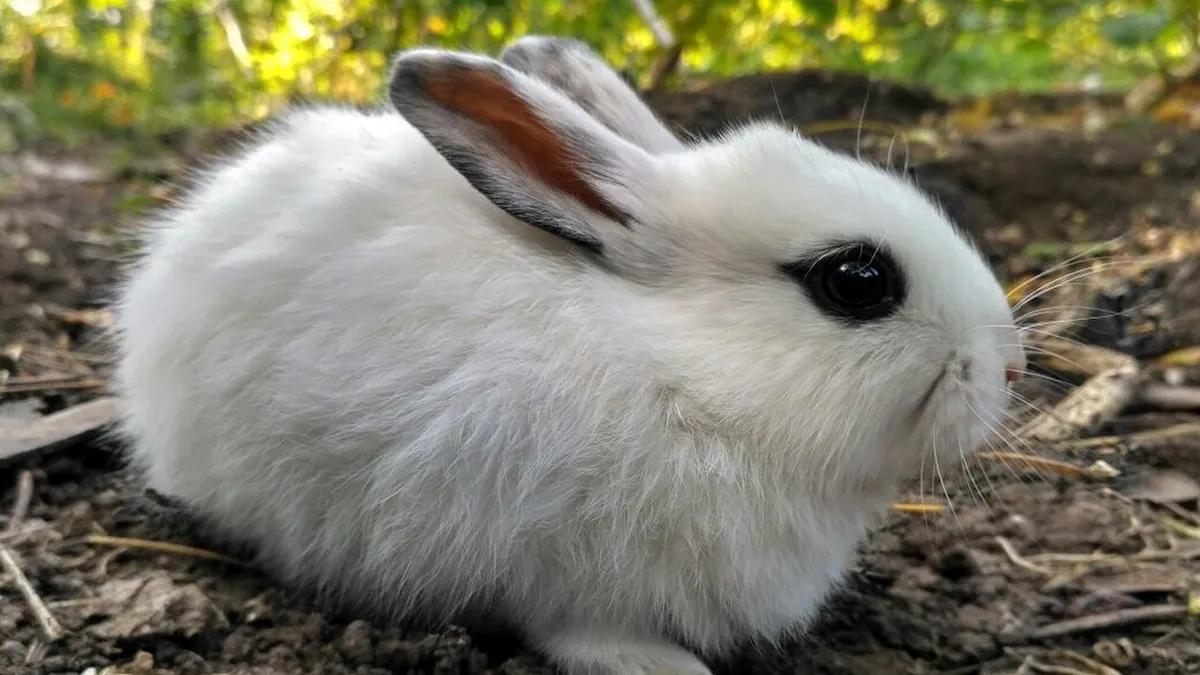
Rabbits rarely announce that they are losing their sight. They memorize the layout of their cage and run, and they use their whiskers, nose, and hearing to cover the gaps. So the honest answer to how to tell if my rabbit is blind is that you usually spot it through small changes in movement and behavior, not through cloudy eyes alone. This article is educational and is not a substitute for veterinary diagnosis or treatment.
Quick Answer
- Watch how your rabbit moves in a familiar space. A blind rabbit often hugs the walls, moves slowly, startles easily when touched, or freezes when you rearrange the furniture.
- Cloudiness in the eye is not the same as blindness. Cataracts, corneal edema, and glaucoma can all change how the eye looks, and each has a different cause and urgency [1][2].
- A sudden onset of vision loss, a bulging eye, a cloudy cornea that appears overnight, or a head tilt with rolling needs a veterinarian promptly, not a wait-and-see approach [3][4].
- You can make a blind pet's world safer today by keeping food, water, litter, and hiding spots in the same place and by talking softly before you touch them.
- Blindness itself is not a reason to euthanize a pet. Many rabbits, rats, guinea pigs, hamsters, and horses adapt well with a few changes at home.
What Vision Loss Looks Like in Small Pets and Horses
How to tell if my rabbit is blind
Rabbits have eyes set high and wide on the sides of the head, which gives them a very wide field of view. That anatomy also means a rabbit can lose a lot of vision before you notice anything.
Common owner observations include:
- Bumping into cage walls or furniture that the rabbit used to avoid
- Hesitating at the edge of a ramp, ledge, or step
- Walking with the nose low to the ground, feeling the way
- Startling when you approach from a direction the rabbit cannot see
- Sitting still more often, or hiding more
- Missing food that is placed in a slightly new spot
Some rabbits with partial vision loss still hop around normally in their own cage. They may only struggle when you move things or take them to a new room. That is why a home check in a familiar space tells you more than a quick look at the eyes.
How to tell if my rat is blind
Rats rely heavily on whiskers and smell. A blind rat often looks almost normal at home. Signs include:
- Whisker sweeping along walls and objects more than usual
- Reluctance to jump between levels in the cage
- Missing a treat held to one side
- A cloudy or red-tinged eye, or one eye that looks different from the other
Rats with a head tilt, circling, or loss of balance may have a problem beyond the eye, so a veterinary exam matters.
How to tell if my guinea pig is blind
Guinea pigs are prey animals and hide weakness well. A blind guinea pig may:
- Stay in one corner of the cage
- Move only along the walls
- Vocalize more when you enter the room
- Bump into hide boxes or the water bottle
- Stop using a ramp or upper level
Guinea pigs also develop cataracts and other eye disease, and a cloudy eye should be checked instead of assumed to be age-related.
How to tell if my hamster is blind
Hamsters are nocturnal and already rely on smell and touch. A blind hamster may:
- Circle the cage perimeter instead of crossing the middle
- Fail to find food moved to a new spot
- Startle when handled
- Show a cloudy eye, a bulging eye, or discharge
Because hamsters are small and fast, sudden changes in balance or a head tilt are easy to miss. Weigh your hamster weekly and watch for appetite changes.
How to tell if my horse is going blind
Horses show vision loss differently from small pets. They are large, they are ridden or handled, and they often react to what they cannot see.
Signs in horses include:
- Spooking at objects that were previously familiar
- Hesitating at gates, trailers, or shadows
- Reluctance to move forward in dim light
- Bumping into fence posts or stall walls
- A cloudy, blue, or white eye, or a squinting eye
- Head shaking, or holding the head to one side
A horse that suddenly goes blind in one eye can become dangerous to handle because the blind side startles easily. Call your veterinarian if a horse's eye looks cloudy, is tearing, or is held closed.
Is it normal for rabbits to go blind?
Blindness is not a normal part of aging in rabbits, but it is common enough that veterinarians see it regularly. In one study of 222 pet rabbits referred for eye exams, 63 (28.4%) were diagnosed with glaucoma [2]. Another study found primary glaucoma in a litter of Lop rabbits, with one male functionally blind from severe corneal edema [4]. So vision loss in rabbits is a recognized problem, not a rare fluke. It is also not automatically a reason to give up on the rabbit.
Main Causes of Vision Loss in Rabbits
| Cause | Typical clues | How urgent |
|---|---|---|
| Cataracts | Cloudy lens, often gradual, may affect one or both eyes. In rabbits, cataracts can occur on their own or after uveitis [1] | Schedule a veterinary visit. Surgery is possible in some cases [1] |
| Glaucoma | Bulging eye, cloudy cornea, dilated pupil, pain. Primary glaucoma is often bilateral and can appear in young to middle-aged rabbits [2][4][5] | Same-day or emergency visit. Glaucoma is painful and can damage the eye quickly |
| Corneal ulcer | Squinting, tearing, redness, reluctance to open the eye. Corneal ulcers are the most common eye problem in rabbits [3] | Same-day visit. Untreated ulcers can worsen |
| Uveitis | Pain, cloudiness, sensitivity to light. Uveitis can lead to cataracts [1] | Same-day visit |
| Encephalitozoon cuniculi infection | Head tilt, imbalance, rolling, sometimes eye involvement. Neurological signs are the most consistently reported presentation of this infection [6] | Same-day or emergency visit |
| Ear infection | Head tilt, imbalance, rolling to one side. Inner or middle ear infections can cause these signs [3] | Same-day visit |
| Trauma or injury | Sudden cloudiness, blood in the eye, or a swollen eye after a fall or fight | Emergency visit |
Some causes, like cataracts, may be manageable for years. Others, like glaucoma and corneal ulcers, are painful and can progress fast. The table above is a guide, not a diagnosis. Your veterinarian will examine the eye and may run tests to sort out the cause.
Red Flags That Make It an Emergency
Call an emergency veterinary hospital or your regular veterinarian right away if you see any of these:
- A suddenly bulging eye, or an eye that looks larger than the other [4][5]
- A cloudy cornea that appeared overnight
- Squinting, pawing at the eye, or holding the eye closed
- A head tilt with rolling, circling, or inability to stand [3]
- Blood or pus in or around the eye
- A rabbit that stops eating, stops producing droppings, or becomes lethargic
- A horse that is suddenly spooking violently, rearing, or refusing to move
Rabbits that stop eating can become seriously ill within hours. Eye pain and dental pain can both cause a rabbit to stop eating, so treat a sudden appetite drop as urgent.
Safe Things You Can Do at Home While You Wait
You cannot diagnose blindness at home, but you can keep your pet safe and comfortable until the appointment.
Keep the layout the same
Do not rearrange the cage, furniture, or food and water bowls. A blind rabbit, rat, guinea pig, or hamster builds a mental map, and moving things forces them to relearn it. If you must move something, move it slowly and guide your pet to the new spot.
Talk before you touch
Announce yourself with your voice before you reach into the cage. Approach from the front or side where your pet can smell and hear you. This reduces startle reactions, which can lead to bites or falls.
Lower the risks
- Remove ramps, ledges, and high shelves that a blind pet might misjudge
- Pad sharp corners in the cage or stall
- Keep the water bottle and food bowl in the same place
- For horses, keep stall and paddock furniture in fixed positions and use consistent vocal cues
Watch eating, drinking, and droppings
A blind pet that is still eating, drinking, and passing normal droppings is usually coping. A pet that stops eating needs veterinary attention the same day.
Do not use human eye drops
Never put human eye drops or leftover pet medication in your pet's eye. Some drops can worsen an ulcer or mask a serious problem. Your veterinarian will choose the right medication and calculate the dose based on your pet's weight and health.
If you are also managing other health concerns in your pets, our guides on how to know if my dog has a parasite infection and how do I know if my dog has worm cover common parasite questions for dog owners.
What the Veterinarian Will Check and Test
A veterinary eye exam for a rabbit or other small pet usually includes:
- A full physical exam, including teeth, ears, and neurologic checks
- A Schirmer tear test to measure tear production
- Fluorescein staining to look for corneal ulcers
- Tonometry to measure eye pressure, which helps diagnose glaucoma [2][5]
- Gonioscopy to look at the drainage angle of the eye, which can reveal a closed angle in rabbits with primary glaucoma [2][4]
- A fundic exam to look at the retina
- Ocular ultrasound, which can help rule out retinal detachment before cataract surgery [1]
- Blood tests, including testing for Encephalitozoon cuniculi, which has been identified in rabbits with cataracts and other eye disease [1][6]
For horses, your veterinarian will also check for uveitis, corneal ulcers, and other causes of a cloudy or painful eye. Some horses need referral to an ophthalmologist.
Treatment depends on the cause. Cataract surgery (phacoemulsification) has been performed successfully in pet rabbits, with corneal wounds healing within about two weeks in one small study [1]. Glaucoma may be managed with medication, surgery, or removal of a painful eye in severe cases [2][4]. Corneal ulcers are usually treated with antibiotic eye medication and sometimes surgery [3].
If you are looking for a veterinarian who treats rabbits, our guide on finding a rabbit-savvy veterinarian explains what to ask and what to expect.
Prevention and Monitoring
You cannot prevent every cause of blindness, but you can catch problems earlier.
- Check your pet's eyes weekly in good light. Look for cloudiness, redness, discharge, or a difference between the two eyes.
- Weigh small pets regularly. Weight loss can be an early sign of pain or illness.
- Keep a written log of any changes in movement, appetite, or behavior.
- Ask your veterinarian about eye screening at routine visits, especially for rabbits with a family history of glaucoma or for breeds like Lops that have been linked to primary glaucoma [4].
- Keep the environment stable and safe for a pet with reduced vision.
- For horses, check the eyes daily and call your veterinarian if you see cloudiness, tearing, or squinting.
Blind pets can live good lives. The key is to reduce surprises, keep routines steady, and treat any underlying eye disease promptly.
Limitations and When to Contact a Veterinarian
This article cannot tell you whether your specific pet is blind or what is causing it. Only a veterinarian can examine the eye, measure pressure, and run the tests needed for a diagnosis.
Contact your veterinarian the same day if you notice:
- A cloudy or bulging eye
- Squinting, tearing, or pawing at the eye
- A head tilt, circling, or loss of balance
- A sudden change in behavior or appetite
- A rabbit that stops eating or passing droppings
Go to an emergency clinic now if your pet is rolling uncontrollably, cannot stand, has blood in the eye, or has a suddenly swollen eye after trauma. For horses, call immediately if the eye is held closed, is cloudy, or the horse is spooking dangerously.
If you are unsure whether a symptom is urgent, call your veterinarian's office and describe what you see. It is always reasonable to ask.
Frequently Asked Questions
Can a blind rabbit still live a happy life?
Yes, many blind rabbits adapt well with a stable environment and gentle handling. Keep food, water, and hiding spots in fixed places, and talk to your rabbit before you touch them. Blindness alone is not a reason to consider euthanasia.
Do rabbits go blind with age?
Some rabbits develop age-related eye changes, but blindness is not a normal part of aging. Cataracts, glaucoma, and other eye diseases can cause vision loss at any age, and glaucoma has been diagnosed in rabbits as young as a few years old [2][5]. Any cloudy or painful eye deserves a veterinary exam.
Is sudden blindness in a rabbit an emergency?
Sudden blindness, especially with a bulging eye, cloudy cornea, or a head tilt, needs urgent veterinary care. Glaucoma and corneal ulcers are painful and can worsen quickly [3][2]. Do not wait to see if it improves on its own.
Can my other pets sense that my rabbit is blind?
Other pets may notice changes in your rabbit's behavior, but you should not rely on them to protect your rabbit. A blind rabbit can be startled or injured by a housemate, so supervise introductions and provide escape routes. Keep dogs and cats separated unless you are actively watching.
What should I feed a blind rabbit?
Feed the same balanced diet you would feed any rabbit, with unlimited hay, fresh water, and measured pellets. Place food and water in the same spot every day so your rabbit can find them by memory and smell. If your rabbit stops eating, call your veterinarian the same day.
Related Articles
- Rabbit-Savvy Veterinarian: How to Find and What to Expect
- How to Tell If Your Rabbit Is in Pain and Help It
- How to Tell If Your Small Pet Is Sick: Early Warning Signs
- Why Is My Rabbit Staring at Me? What It Means
References
- Cataract Surgery in Pet Rabbits: Clinical Presentation, Treatment, and Long-Term Outcomes. Animals : an open access journal from MDPI, 2025.
- Clinical Characterization of Glaucoma in 63 Pet Rabbits (Oryctolagus cuniculus) in Japan. Veterinary ophthalmology, 2026.
- Eye and Ear Disorders of Rabbits - All Other Pets. Merck Veterinary Manual.
- Primary Glaucoma in a Litter of Lop Rabbits. Veterinary ophthalmology, 2026.
- Suspected Primary Glaucoma in a French Population of Pet Rabbits: A Retrospective Study (2017-2024) of 4 Cases (8 Eyes). Veterinary ophthalmology, 2026.
- Encephalitozoon cuniculi Infection in Rabbits (Oryctolagus cuniculus): Data from an International Survey of Exotic and Small Animal Veterinarians. Animals : an open access journal from MDPI, 2024.