How to Tell If Your Rabbit Is in Pain and Help It
By Dr. Zubair Khalid, DVM, MS, PhD ·
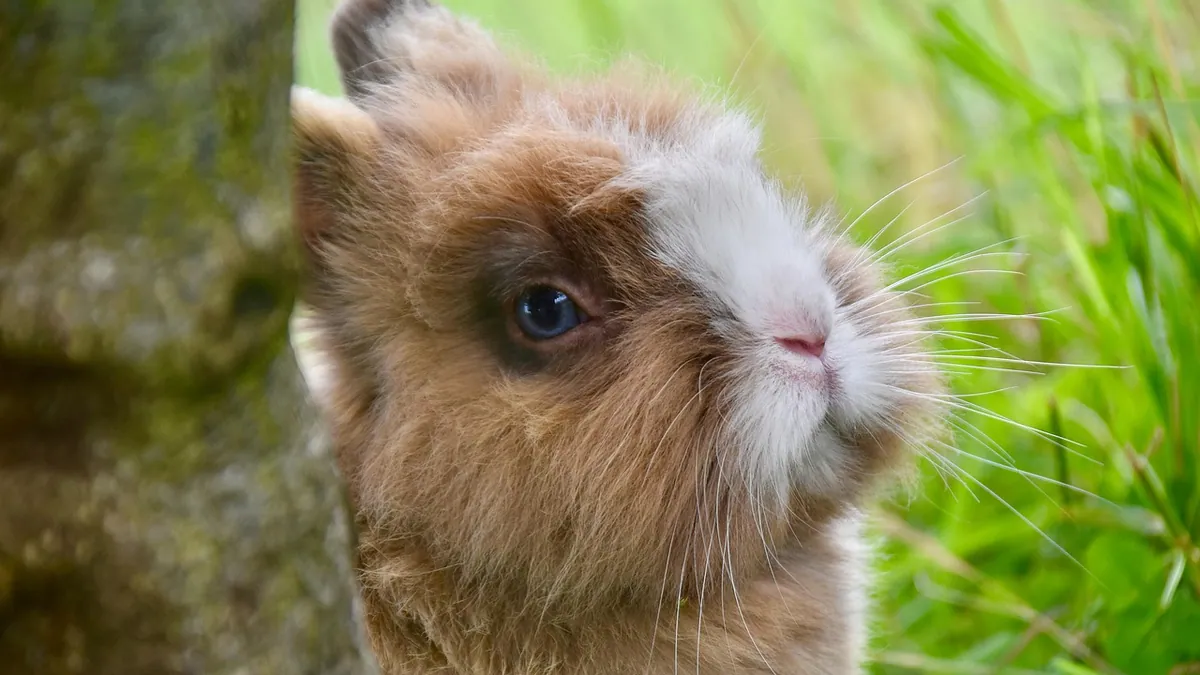
Rabbits are prey animals, so they hide pain until it becomes severe. The earliest signs are usually subtle changes in eating, droppings, posture, and activity. Learning how to tell if my rabbit is in pain helps you act before a small problem becomes an emergency.
This article is educational and is not a substitute for veterinary diagnosis or treatment.
Quick Answer
- Watch food intake and droppings first. A rabbit that stops eating or produces fewer, smaller, or no droppings is likely in pain and needs a vet.
- Look for a hunched posture, pressed belly, squinted eyes, and cheek flattening (the rabbit grimace scale).
- Hiding, aggression, tooth grinding, and loud breathing are all pain signals in rabbits.
- Never give human painkillers. Many common ones are toxic to rabbits, and dosing is not the same as for people or dogs.
- Gas pain is common and can be life threatening. Gentle belly massage, warmth, and a vet visit are the safest steps.
What Rabbit Pain Looks Like and What Is Normal
Rabbits evolved as prey. Showing weakness invites predators, so a hurting rabbit often acts almost normal until it cannot hide the problem anymore [1]. That is why you have to look at patterns, not just one moment.
Normal rabbits eat steadily through the day and night, produce a consistent number of droppings, move around, stretch out, groom, and show curiosity. They may flop over to rest, which can look alarming but is a relaxed posture. A healthy rabbit's eyes are clear and open, its ears move with its mood, and its breathing is quiet and slow at rest.
Pain changes those patterns. A rabbit in pain may sit in a hunched position with its belly pressed to the floor. It may grind its teeth, which sounds different from the soft tooth purring of a content rabbit. It may squint, pull its cheeks flat, and flatten its whiskers, changes that veterinarians score with the Rabbit Grimace Scale [2][3]. Some rabbits become quiet and withdrawn. Others become aggressive when you reach toward a painful area.
Vital signs alone cannot tell you whether a rabbit hurts. Heart rate, breathing rate, and blood pressure can rise with pain, but they also rise with fear, stress, and other illnesses. A rabbit with chronic pain may have completely normal vital signs [1].
Signs Owners Often Miss
- Eating less or refusing favorite foods
- Smaller, fewer, or misshapen droppings
- Drooling or a wet chin (common with dental pain)
- Sitting in a corner facing the wall
- Reluctance to move, jump, or use a litter box
- Changes in grooming, either stopping or over-grooming one spot
- Grinding teeth, especially with a hunched posture
- Fast or noisy breathing at rest
- A sudden change in personality, either clingy or withdrawn
Common Causes of Pain in Rabbits
| Cause | Typical clues | How urgent |
|---|---|---|
| Dental disease (overgrown molars, spurs, abscess) | Drooling, wet chin, dropping food, weight loss, eating soft foods only | Same day to 24 hours |
| Gastrointestinal stasis or gas | Not eating, small or no droppings, hunched posture, belly pressed down, bloating | Emergency |
| Intestinal obstruction | Sudden anorexia, no droppings, bloating, weakness, pain that worsens | Emergency |
| Injury or fracture | Limping, dragging a limb, reluctance to move, swelling | Emergency |
| Abscess or infection | Firm swelling, heat, discharge, fever, hiding | Same day |
| Urinary stones or sludge | Straining to urinate, bloody urine, crying out, wet bottom | Emergency |
| Post-surgical pain | Reduced eating, hunched posture, reluctance to move after a procedure | Call your vet the same day |
| Arthritis in older rabbits | Stiffness, slow movement, trouble grooming the back end, reduced jumping | Routine visit soon |
Intestinal obstruction is one of the most common rabbit emergencies. Most hairballs pass on their own, but some need surgery. Blockages in the upper small intestine usually require an operation, while lower blockages may be managed with aggressive fluids, intravenous lidocaine, and pain relief [4]. This is not something you can treat at home.
Red Flags That Mean Emergency
Go to a veterinarian now, not tomorrow, if your rabbit has any of these:
- No droppings for 12 hours or more
- Complete refusal to eat for more than 6 to 8 hours
- A hard, distended, or painful belly
- Open-mouth breathing, gasping, or blue-tinged gums
- Collapse, seizures, or extreme weakness
- Straining to urinate with no urine produced
- A suspected fracture or a limb that drags
- Heavy bleeding or a wound that goes deep
- A body temperature that feels very cold to the touch
Rabbits deteriorate fast. A rabbit that was hopping around this morning can be critically ill by evening. When in doubt, call your vet or an emergency clinic.
How to Help a Rabbit in Pain at Home
Home care buys time. It does not replace a diagnosis. Do these things while you arrange a veterinary visit.
Keep the Rabbit Warm and Calm
Move your rabbit to a quiet, dim area away from other pets and noise. Offer a soft towel or fleece to rest on. A heating pad set on low, placed under half the enclosure so your rabbit can move away if it gets too warm, can ease discomfort. Never leave a heating pad directly against the skin.
Support Eating and Drinking
Offer fresh hay, leafy greens, and a small amount of a favorite treat. Warm water can be more appealing than cold. If your rabbit will not eat at all, do not force food into its mouth. Force-feeding an obstructed rabbit can cause serious harm. Ask your vet about a syringe-feeding plan.
Help With Gas Pain
Gas pain is one of the most common reasons a rabbit hunches and stops eating. Gentle measures can help while you wait for your appointment:
- Place your rabbit on a towel on your lap and gently massage the belly in slow circles for a few minutes at a time.
- Encourage movement. A rabbit that walks around helps move gas through the gut.
- Offer fresh hay and water.
- Keep the room warm and quiet.
If your rabbit is bloated, hard-bellied, or getting worse, stop home care and go to the vet. Gas can progress to stasis or a blockage.
Never Give Human Painkillers
This is the most important rule. A pain medicine that works for one animal can be dangerous or deadly for another, and even over-the-counter human medicines can make pets very sick or cause death [5]. Never give your rabbit ibuprofen, acetaminophen, aspirin, naproxen, or any human pain product. Do not guess at a dose. Your veterinarian calculates the right drug and dose from your rabbit's weight and health.
If you want to understand how veterinarians choose and dose rabbit pain medications, see Managing Pain in Rabbits and Rodents.
What the Veterinarian Will Check and Test
Your vet will start with a full history. They will ask when your rabbit last ate, how many droppings you have seen, and whether anything changed in the environment. Food intake and behavior are the two most common ways veterinarians detect pain in rabbits [2].
The physical exam focuses on the mouth, belly, limbs, and spine. Your vet will check the teeth carefully, feel the abdomen for gas, masses, or a blockage, and assess hydration. They may check vital signs and use a pain scale, including the Rabbit Grimace Scale, to score how much discomfort your rabbit is showing [2][3].
Depending on findings, your vet may recommend blood work, radiographs, or ultrasound. Dental disease often needs skull radiographs and an oral exam under anesthesia. If surgery is needed, modern anesthesia and critical care have made rabbit procedures safer, though rabbit anesthesia still carries higher risk than in dogs and cats [6][4]. Your vet will tailor the protocol to your rabbit.
Pain management may include injectable or oral medications, and for some procedures, local nerve blocks. Regional analgesia is used in rabbit oral surgery to reduce pain at the site and lower the amount of general anesthetic needed [7]. If your rabbit has surgery, ask your vet for a written pain plan for the days afterward.
Preventing and Monitoring Pain at Home
Weigh your rabbit every one to two weeks on a kitchen scale. Weight loss is one of the earliest signs of dental or chronic pain. Track droppings daily. A sudden drop in output is a warning.
Feed a hay-based diet with fresh water at all times. Hay keeps the gut moving and wears down teeth. Limit sugary treats and pellets.
Schedule a wellness exam at least once a year, and twice a year for rabbits over 5 years old. Ask your vet to check the teeth at every visit. Dental problems are common and painful, and they are easy to miss at home.
If your rabbit has a chronic condition like arthritis, ask your vet about long-term pain control. For rabbits recovering from surgery, see Recognizing and Managing Postoperative Pain in Laboratory Rabbits. If you are not sure your vet sees many rabbits, read Rabbit-Savvy Veterinarian: How to Find and What to Expect.
Limitations and When to Contact a Veterinarian
Home care cannot diagnose or treat the cause of pain. It only buys time. Contact your veterinarian the same day if your rabbit is eating less, producing fewer droppings, drooling, limping, or acting withdrawn.
Go to an emergency clinic immediately if your rabbit has not eaten for more than 6 to 8 hours, has no droppings for 12 hours, has a hard or bloated belly, is breathing with an open mouth, is straining to urinate, or has collapsed.
Schedule a routine visit soon if you notice gradual stiffness, weight loss, or reduced grooming over weeks. These can point to arthritis or dental disease.
Every rabbit is different. Only a veterinarian who examines your rabbit can determine the cause of pain and the right treatment.
Frequently Asked Questions
How can I tell if my rabbit is in pain at home?
Look at eating, droppings, posture, and behavior together. A rabbit that stops eating, produces fewer droppings, hunches with its belly pressed down, squints, or grinds its teeth is likely in pain. Any of these signs warrants a call to your vet.
Can I give my rabbit ibuprofen or aspirin for pain?
No. Human pain medicines can be toxic or deadly to rabbits, and even over-the-counter products can cause severe illness [5]. Never give any painkiller without direction from a veterinarian who has examined your rabbit.
How do I help a rabbit with gas pain?
Keep your rabbit warm, encourage gentle movement, and massage the belly in slow circles. Offer fresh hay and water. If the belly feels hard or your rabbit is getting worse, go to the vet right away, because gas can progress to a blockage.
What does a hunched rabbit mean?
A hunched posture with the belly pressed to the floor usually means abdominal pain, often from gas, stasis, or a blockage. It can also signal pain elsewhere in the body. Treat it as urgent and contact your vet.
Will my rabbit act normal if it is in pain?
Often, yes. Rabbits are prey animals and hide pain well, so subtle changes in appetite and behavior may be the only clues [1]. Trust your instincts and have your rabbit checked if something seems off.
Related Articles
- Managing Pain in Rabbits and Rodents
- Recognizing and Managing Postoperative Pain in Laboratory Rabbits
- Rabbit-Savvy Veterinarian: How to Find and What to Expect
- Why Is My Rabbit Grinding Its Teeth? Normal or Pain?
- Rabbit Not Pooping but Acting Normal: When to Call the Vet
- How to Tell If Your Small Pet Is Sick: Early Warning Signs
References
- Recognizing and Assessing Pain in Animals - Special Pet Topics. Merck Veterinary Manual.
- Survey of German veterinarians' approaches to pain assessment and management of perioperative pain in pet rabbits. The Veterinary record, 2026.
- The grimace scale: a useful tool for assessing pain in laboratory animals. Experimental animals, 2024.
- Intestinal Surgery in Rabbits. The veterinary clinics of North America. Exotic animal practice, 2026.
- Pain and Pain Management in Pets - Special Pet Topics. Merck Veterinary Manual.
- Peri-anaesthetic adverse events and their risk factors in 316 pet rabbits undergoing general anaesthesia: A multicentric, retrospective study. Veterinary journal (London, England : 1997), 2026.
- Regional Analgesia for Oral Surgery in Rabbits. The veterinary clinics of North America. Exotic animal practice, 2025.